


Harley Wallen’s “Fathers” is a compelling psychological thriller about trauma, fractured memory, and the horror of not knowing who to trust.
No time to read? Click the button below to listen to this post.

Harley Wallen’s psychological thriller Fathers explores the deep emotional aftermath of childhood abduction, trauma, and identity fracture.
Written and directed by Wallen, who also stars alongside his wife, Kaiti Wallen, this indie feature keeps viewers hooked with a claustrophobic, character-driven mystery. The film’s core tension rests on an unreliable narrative that mirrors the fragmented psychology of its protagonist, Natalie (Kaiti Wallen).
After escaping from 15 years of captivity, Natalie finds herself caught between two completely opposing realities presented by two paternal figures.
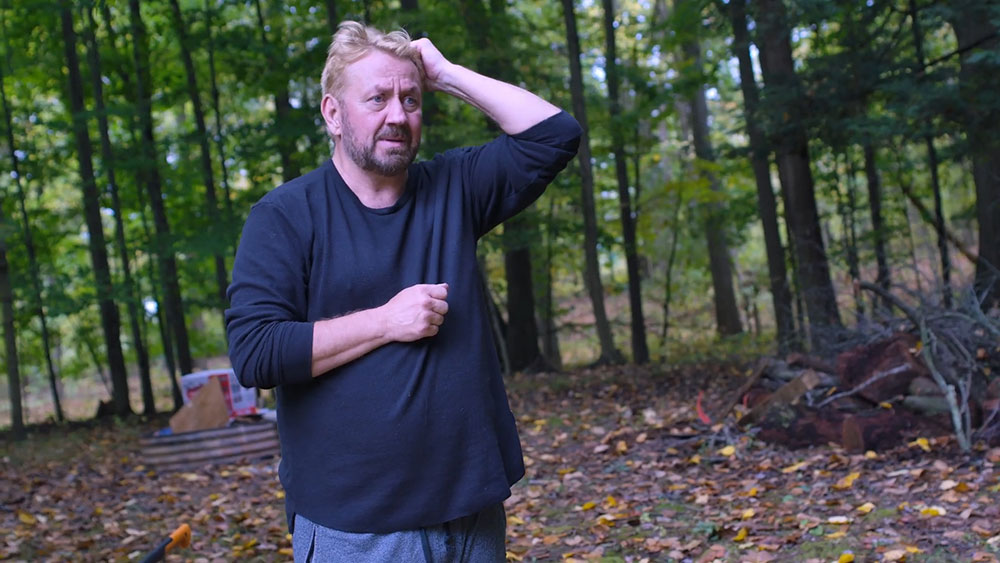
On one side is her captor, Bobby Nash (Harley Wallen), who spent more than a decade with Natalie, not as a kidnapper but as a father. He keeps her locked away from the outside world, convincing her that the man she once believed to be her biological father, Calvin (Jerry Hayes), is really a monster.
Bobby constantly reinforces the danger Natalie faces from Calvin and his supposed legion of evil enforcers, who he claims will stop at nothing to steal her back. Whenever a stranger wanders onto the property, and Bobby is forced to eliminate the threat, Natalie doesn’t see a dangerous killer; she sees a devoted father who will move heaven and earth to keep her safe.
This version of reality isn’t hard to believe, given Calvin’s cold, detached demeanor. Calvin, an influential and wealthy entrepreneur, is presented as an absentee father before Natalie’s abduction and a callous, uncooperative presence in her life after she is returned years later.
The film immediately subverts expectations by turning the horror of a child abduction into something different from what we expect.
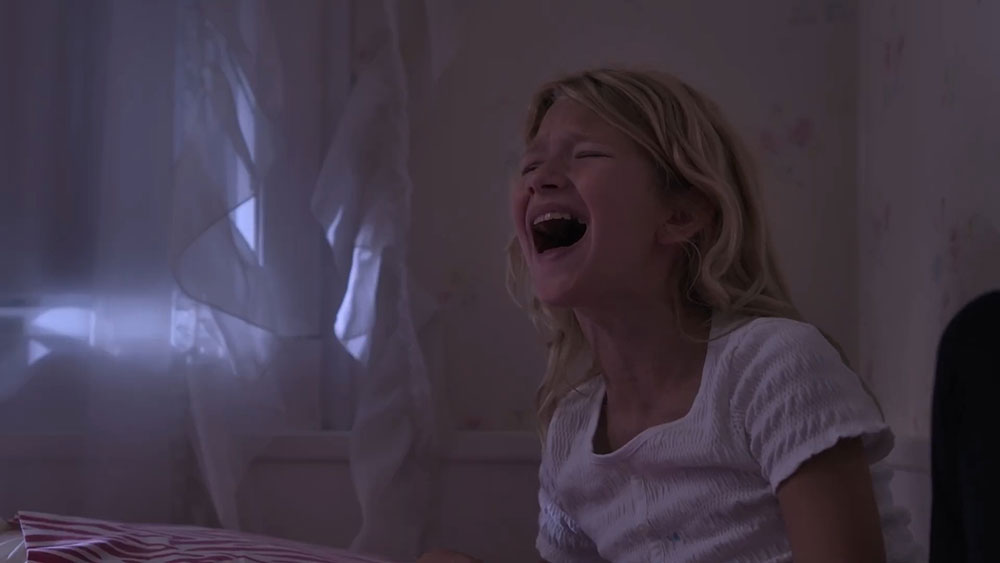
The kidnapping of young Natalie, played by Emilia Wallen, the real-life daughter of Harley and Kaiti Wallen, is especially chilling because of how easy it is.
Natalie is taken in broad daylight, in a nice suburban neighborhood. Nobody sees anything or raises an alarm, even though she was surrounded by friends moments earlier.
It happens quickly and without fanfare. It happens in a place that feels safe. It happens to a privileged family. And it reinforces the terrifying truth that it can happen to anyone. It only takes a minute for a life — multiple lives — to be forever changed.
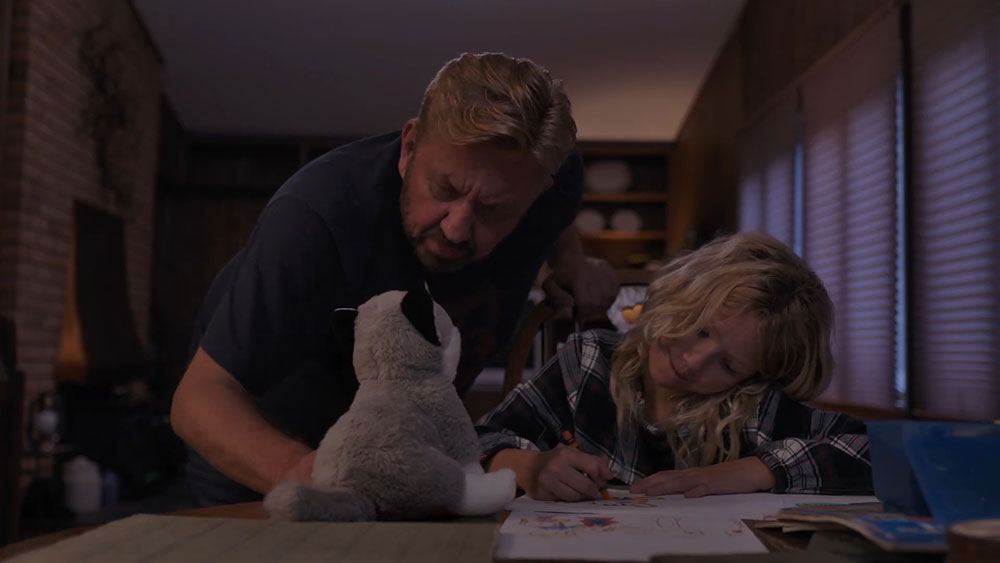
Once Natalie is in Bobby’s control, the horror follows a different path. We thankfully don’t see a little girl being abused and tortured. She’s not tied up or kept in a cage. She’s not treated like an animal. Instead, she’s treated like a daughter. She’s cared for and loved. She’s gifted presents and fed.
The insidious nature of her ordeal isn’t that she’s in the clutches of a monster, at least not in a way she can understand. It’s that she no longer knows who the real monsters are.
She can no longer tell who wants to protect her and who wants to manipulate or harm her. So, when she finds her way back home without any memory of how she got there, it doesn’t feel like home. She doesn’t feel safe and loved. She feels scared, confused, and disoriented.
The more everyone around her tries to help — her dad, the officers investigating her case, her therapist — the more she feels untethered from any firm sense of reality.
Wallen does a strong job putting the audience inside Natalie’s fractured headspace.
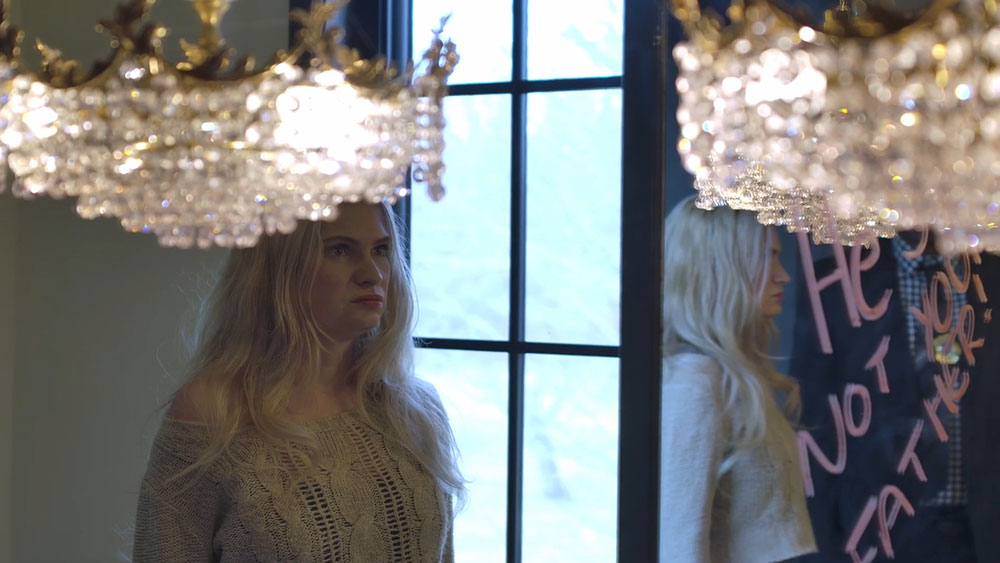
We spend much of the film in the same awful ambiguity that Natalie is drowning in.
With a narrative told in pieces, including slow-revealed flashbacks of recovered memories during Natalie’s therapy sessions, we are given small clues alongside her. Like Natalie, we can never be entirely sure what’s real. We can’t trust her memories any more than she can. We can’t fully understand what Bobby’s real intentions toward her were, or whether Calvin is really who he says he is. Has she been saved or simply delivered into a much worse fate?
Even if she is physically safe, is she safe — will she ever be safe — from the horrors that haunt her head?
Will she ever be who she once was? Will she ever stop feeling broken and unable to trust anyone, including herself?
Wallen uses his low budget to his advantage, focusing heavily on cinematography and editing to convey Natalie’s internal state. The film shifts between a cold, polished present-day reality and a more hypnotic, dreamlike state for its memory sequences.
We get jarring cuts between past and present. These sudden transitions are intentional, meant to simulate Natalie’s PTSD and the unpredictable way suppressed memories violently surface during her hypnotherapy sessions with her therapist, Bridget Porter (Leslie Mechigian).
The frequent reliance on a washed-out, blue-toned color palette underscores the emotional numbness and isolation that define Natalie’s recovery.
Kaiti Wallen carries much of the film’s emotional weight.
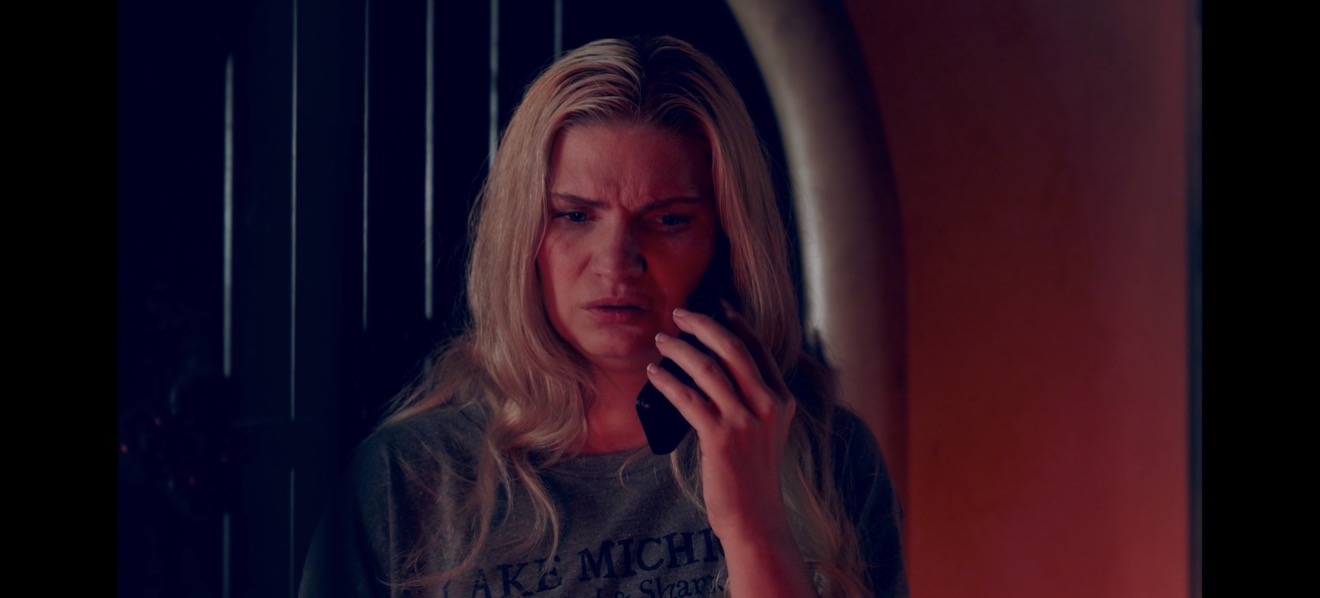
She delivers a grounded performance that captures the fragile, wide-eyed terror of a person whose foundational reality has been dismantled.
In a bold narrative choice, Harley Wallen casts himself as the abductor, Bobby Nash. Rather than playing him as a cartoonish villain, Wallen portrays Bobby with a disturbing level of charisma and apparent sincerity. This makes the narrative he creates for Natalie feel believable to both her and the audience. The tragedy is heightened by how easily a child’s perception of reality can be warped by a trusted authority figure.
The interplay between Harley and Kaiti Wallen is strong, and they somehow manage to convincingly sell a father-daughter dynamic, even with the viewer’s awareness of their real-life relationship.
An early, pivotal scene features Natalie being subjected to a massive press conference immediately following her escape. Surrounded by flashing cameras and aggressive reporters, the sequence becomes a sharp critique of the modern obsession with true crime, especially when it involves someone in the public eye.
Wallen highlights the collective insensitivity of media consumption, where a victim’s profound private trauma is instantly converted into public entertainment before they’ve even had a chance to process their survival.
Ultimately, Fathers is a dark, twisty indie thriller that succeeds by honoring the messy, non-linear timeline of trauma recovery.
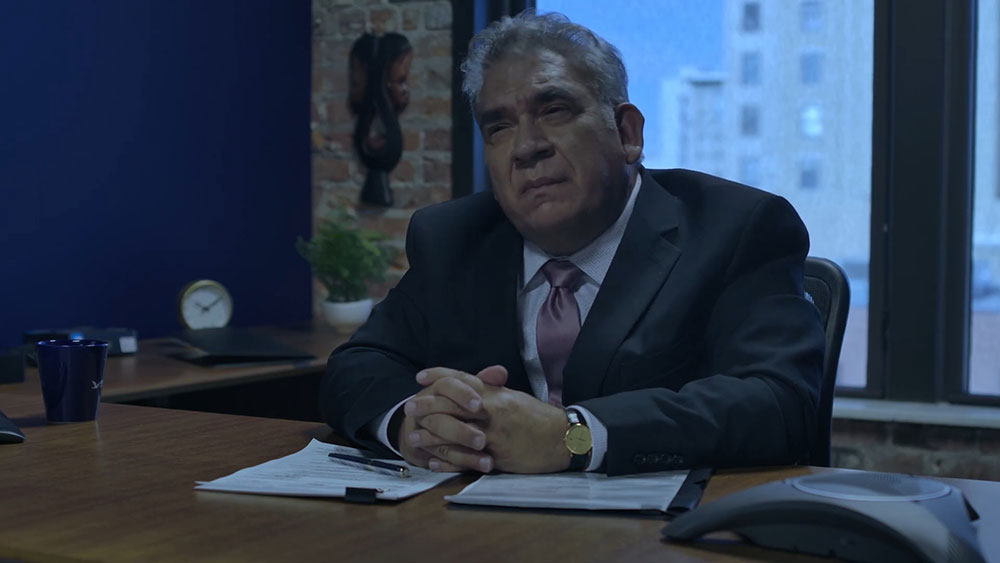
It navigates its budget limitations well, delivering a complex narrative structure and strong central performances that help elevate the material. At its best, it explores the horror of misplaced trust and manipulation, as well as the terror of not knowing who to believe or who truly has your best interests at heart.
The clever and compelling narrative is made more potent by the way it explores the nightmare of two realities and the realization that both possibilities are equally traumatizing.
Either Natalie was robbed of her youth and innocence, lied to, and manipulated for years by someone she trusted and believed to be her real father. Or she was told the truth and now faces an even greater threat.
It’s an unfathomable situation that offers no easy answers and no real comfort. Even knowing the truth, how do you live with it when it never feels real? Even if you find your way back home, what does that mean when you can’t remember what home is supposed to feel like?
Is it better to live with the lie you know or seek out a truth you can’t comprehend?
Fathers is a dark and riveting mystery thriller that reminds us horror goes far deeper than the initial cut. The real nightmare is the scar left behind, the one that may never fully heal.
Overall Rating (Out of 5 Butterflies): 3.5






Follow Us!