Use The Psychology of Fear to Write Effective Horror

Fear is a basic human emotion; it has helped us survive as a species for millennia. Inside our brains is an invisible alarm system to detect danger and trigger an instinctual fight-or-flight response. Just think of your favorite horror story, and you can probably imagine the scared look on someone’s face. Mastering this psychology is the key for a student writer to tell a truly terrifying story and tap into a reader’s instinctual responses.
Students can use the psychology of fear to write effective horror by tapping into deep-seated anxieties and emotional triggers, and turning to the best essay writing service UK can help refine their storytelling techniques. UKWritings.com offers expert assistance in writing chilling horror essays.
Horror is a genre that thrives on the visceral reaction of fear, an emotion deeply embedded in the human psyche. To write effective horror, a writer must understand the psychology of fear and how to manipulate it to evoke terror, suspense, and dread.
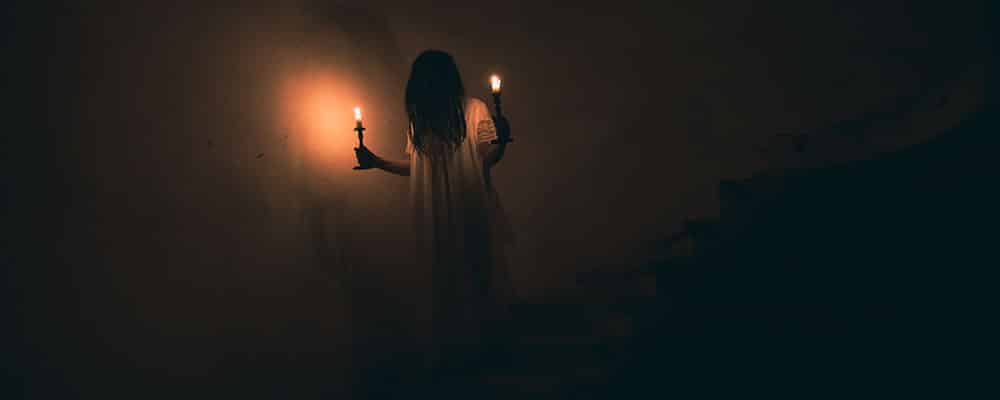
A critical skill in horror writing is conveying dread and unease. This starts with mood. Describe your setting in detail, but select details that might make readers feel ill at ease: enclosed spaces, uncomfortable quiet, and strange noises.
Atmosphere is the soul of horror, the unseen presence that creeps into the reader’s mind. A well-crafted atmosphere establishes the tone of the story, often through descriptive language that engages the senses. Tension, on the other hand, is the gradual build-up of fear that keeps the reader on edge. This is achieved through pacing, foreshadowing, and the strategic placement of unsettling details.
For example, consider a story set in an abandoned house. The creaking floorboards, the smell of mold, the faint sound of dripping water—these details collectively build an oppressive atmosphere. Tension is heightened by the slow, deliberate pacing of the protagonist’s exploration, with each new discovery leading to a more intense feeling of dread.
The unknown is one of the most potent tools in a horror writer’s arsenal. What we cannot see, understand, or predict is far more terrifying than what is laid bare. The human mind tends to fill gaps with worst-case scenarios, and horror exploits this by leaving crucial elements—such as the nature of the threat or the reasons behind strange occurrences—ambiguous.
Students can harness the psychology of fear to write effective horror by understanding what triggers anxiety and tension. Use this by alluding to dangers or monsters without showing them outright; describe sounds, shadows, or flashes of sight, but don’t let your readers gaze upon them directly.
It works for background information in your story, too – leaving holes or keeping some details unspecified can be unsettling. Readers’ imaginations, left to their own devices, will tend to conjure up much more convincing and terrifying versions of whatever you’re trying to imply.
In H.P. Lovecraft’s works, the unknown is often represented by cosmic entities beyond human comprehension. Their motives, forms, and powers are only partially revealed, if at all, allowing the reader’s imagination to amplify the horror. By keeping the antagonist or the source of fear in the shadows, the writer taps into the primal fear of the unseen.
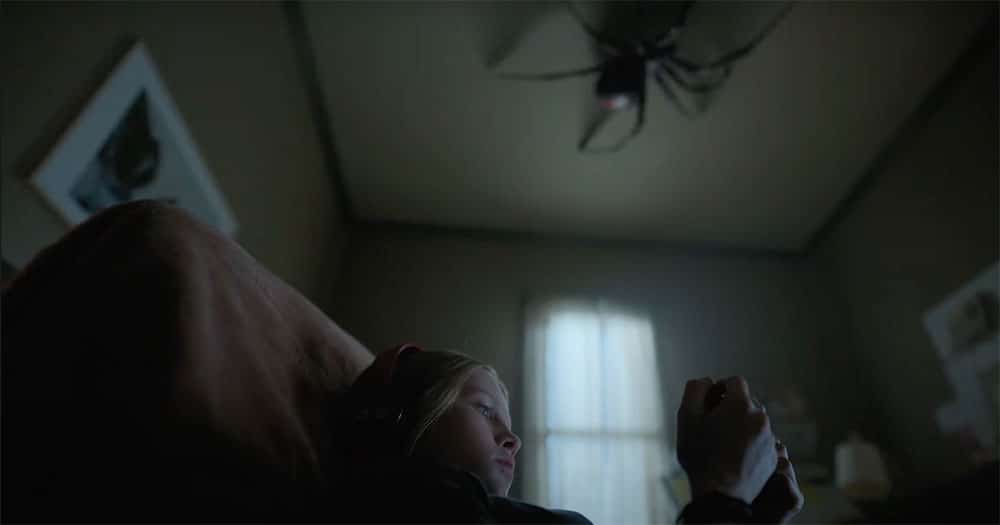
Phobias are irrational fears that many people experience, and they offer a direct route to inducing terror in horror writing. Whether it’s a fear of spiders, darkness, clowns, or enclosed spaces, using these fears can create an immediate emotional response in readers.
For instance, Stephen King’s It taps into the fear of clowns, a phobia that is surprisingly common. Pennywise, the embodiment of this fear, becomes a symbol of childhood nightmares. Recent films like Sting and Infested terrified audiences by exploiting a common fear of spiders.
By leveraging familiar phobias, a writer can create horror that feels personal and inescapable. But you should also put this in the context of why these things are scary. A fear of spiders isn’t just about the spiders themselves – it’s often about their unpredictable movements or the possibility that they might be venomous. Such details can add layers of texture and authenticity to a horror scene.
Empathy in horror is about making the reader care for the characters to the point where their pain and fear become palpable. Without a connection to the characters, the horror can feel hollow and unimpactful. This connection is built through detailed characterization, relatable motivations, and believable dialogue.
When readers empathize with the characters, every moment of danger becomes more intense. They don’t just observe the terror—they feel it. A classic example is the film Alien, where the crew members are portrayed as ordinary people with distinct personalities. Their vulnerability makes the horror of the xenomorph’s attacks all the more terrifying.
Empathy makes horror seem much more localized in the person of a character the reader feels they know. The reader could be that character, or they might even become that character. It’s like horror becomes an everyday reality, which makes it more effective and real.
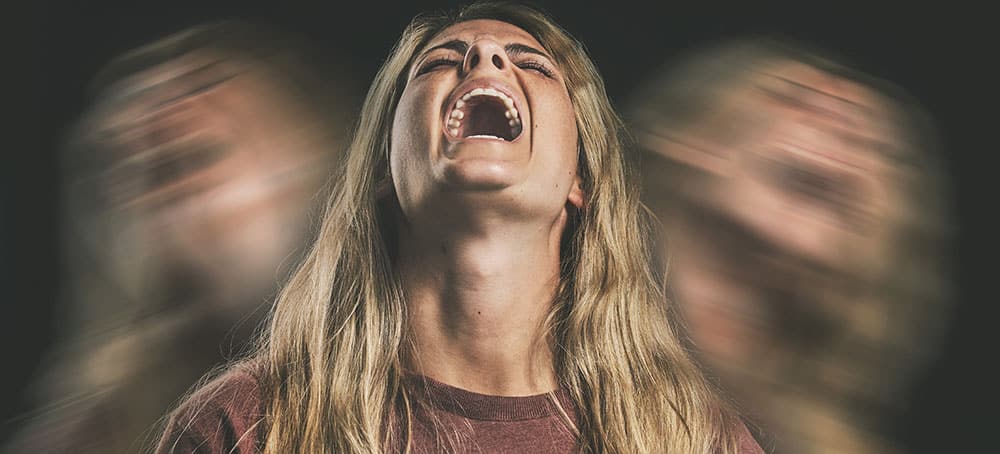
Psychological horror delves into the mental states of characters, often blurring the line between reality and madness. This type of horror plays on the instability of the mind, using unreliable narrators, hallucinations, and twisted logic to disorient both the character and the reader.
Indeed, grasping the ways in which the human mind works is a terrific way to manipulate your audiences’ emotions: cognitive dissonance, for example, a situation in which you present multiple conflicting ideas or information that leaves a reader feeling caught in an uncomfortable headspace, can be achieved partially by having a character that seems friendly but also exhibits subtly disturbing behavior.
A key technique in psychological manipulation is to undermine the reader’s sense of reality. In Shirley Jackson’s The Haunting of Hill House, the protagonist’s experiences within the haunted mansion are so ambiguous that it’s unclear whether the events are supernatural or a result of her deteriorating mental state. This uncertainty is deeply unsettling, as it forces the reader to question what is real.
One of the most effective psychological weapons is false safety. Your characters (and, therefore, your readers) should be given clear signs of safety, only to find that these are deceptive and that new terrors await them. The horror ride is toughest if your readers are kept on the edge of their seats, and an effective way to do this is to make sure they never know just what they might be sitting on.
| Element | Description | Example in Writing |
| Primal Fear | Instinctive fears rooted in evolution | Describing a dark, unfamiliar forest |
| Learned Fear | Fears based on personal or cultural experiences | A character’s trauma from a past event |
| Anticipation | Building tension through expectation | Footsteps slowly approaching in the dark |
| Unknown | Fear of what can’t be seen or understood | Mysterious disappearances with no explanation |
| Empathy | Connecting readers emotionally to characters | Detailed character backstories and motivations |
| Cognitive Dissonance | Creating unease through conflicting information | A smiling neighbor with sinister intentions |
| False Safety | Providing relief before introducing new threats | A character escaping one danger only to face another |
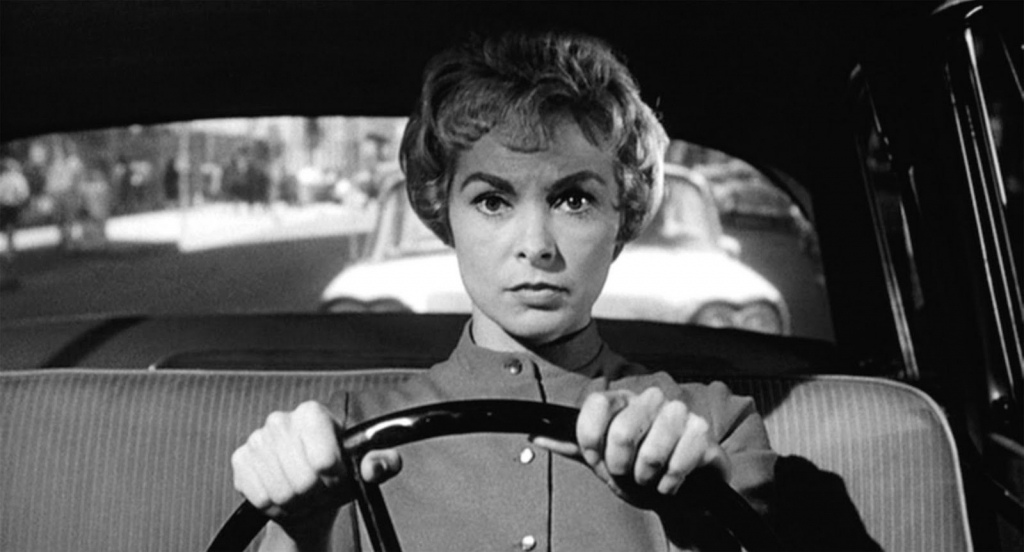
Pacing is crucial in horror writing. Too fast, and the story can feel rushed, denying the reader the slow build-up of fear. Too slow, and the tension dissipates, causing the horror to lose its impact. A well-paced horror story alternates between moments of quiet suspense and bursts of intense fear, creating a rhythm that keeps the reader engaged.
Effective pacing also involves knowing when to reveal information and when to withhold it. By carefully controlling the flow of the narrative, the writer can maintain a sense of dread that culminates in a terrifying climax. This technique is expertly used in the film Psycho, where the pacing of revelations about Norman Bates is meticulously crafted to maintain suspense until the shocking conclusion.
The power of suggestion in horror lies in what is implied rather than what is shown. By suggesting rather than explicitly stating, the writer engages the reader’s imagination, which often conjures up scenarios far more terrifying than anything that could be described.
Alfred Hitchcock famously employed this technique in his films, where the threat is often more terrifying because it is suggested rather than seen. In The Birds, the cause of the avian attacks is never explained, leaving the audience to grapple with the unknown, which enhances the film’s unsettling atmosphere.
Describe a character’s reaction to something horrific, but spare details about what they actually saw or heard. Drop hints about a disturbing noise or a movement or shadow that might be seen, or be almost seen, at the borders of perception. This will make the readers’ minds work harder and allow them to be more involved in generating the horror.
When you leave some details to your reader’s imagination, you allow each person to complete the picture with whatever they find scariest. This approach can make your writing more generally terrifying.
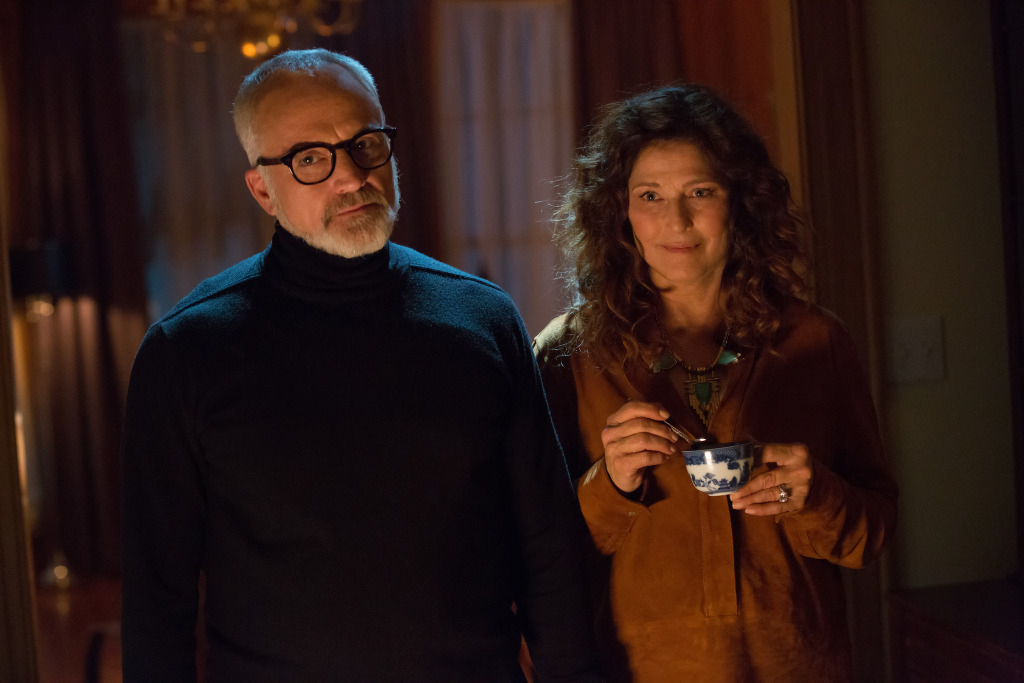
Relying on genre tropes and storytelling techniques is fine, but you don’t always have to follow them. Playing with expectation creates memorable moments.
Subverting expectations is a powerful tool in horror. When a story follows familiar tropes, the reader may become complacent, believing they know what will happen next. By deliberately subverting these expectations, a writer can jolt the reader out of their comfort zone and create a sense of unpredictability that enhances the horror.
Jordan Peele’s Get Out is a masterclass in subverting expectations. The film initially presents itself as a social thriller, but as the story unfolds, it takes a sharp turn into horror, upending the audience’s expectations and delivering a powerful, unsettling experience.
It’s all about setting up one kind of story and then turning it on its head. When readers think they know where the story is headed, a twist can make them jolt with incredulity. But avoid relying too heavily on twists or shock value: the best subversions make sense within your story’s context while also contributing to a greater atmosphere of dread.
The setting in horror is more than just a backdrop; it is an active participant in the creation of fear. Whether it’s a dilapidated mansion, an isolated forest, or a desolate urban landscape, the setting should evoke a sense of unease and play a critical role in the story.
Horror settings often reflect the psychological state of the characters. In The Shining, the Overlook Hotel’s vast, empty spaces and labyrinthine hallways mirror Jack Torrance’s descent into madness. The isolation and oppressive atmosphere of the hotel amplify the horror, making it an integral part of the narrative.
Often, the scariest stories—the ones that leave readers traversing a landscape of dread—bring horror and dread into everyday environments. If the right ingredients of threat and suspense are in place, what’s scarier than a patch of sunlit, suburban sidewalk or a crowded, urban boulevard?
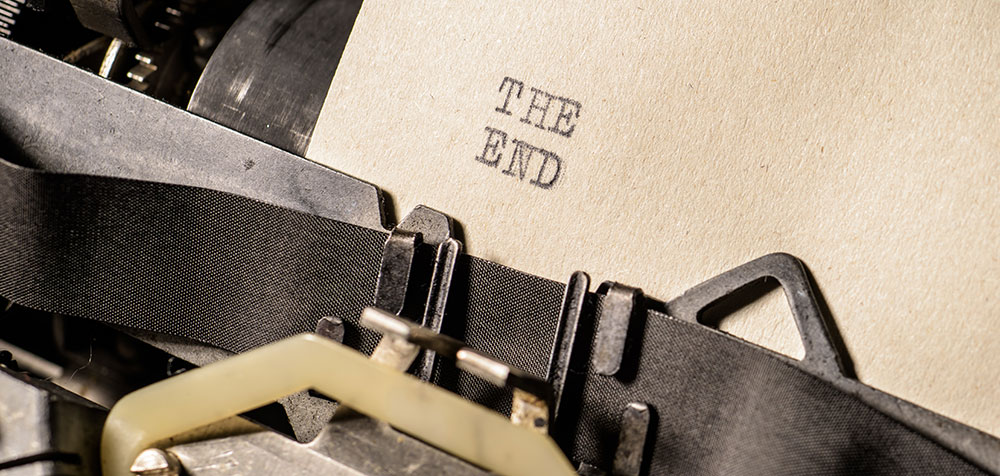
But, if you’ve crafted a good horror story, it can be difficult to know how to end it.
A satisfying conclusion in horror resonates with the themes of the story and leaves a lasting impact on the reader. Whether the ending is ambiguous, tragic, or a twist, it should feel earned and consistent with the narrative.
Next time you write, ask yourself: what’s the message or ending line I am trying to deliver to my readers? Some horror stories end with a final rattle-bang of a punchline or scare; some leave it more ambiguously open-ended – the kind of story that keeps you up at night because you don’t know if the creature crawling under your bed was a mere figment of your imagination or the real deal.
Whatever conclusion you decide on, it must mesh with the tone and themes of your story. A properly resolved conclusion can elevate the whole work, leaving your reader disturbed and still thinking about the story days later.
There’s no shortcut to writing good horror; it takes practice and patience. If your first efforts don’t meet the mark, don’t give up: read widely in the genre, look at how successful authors use these techniques, and pay attention to what disappoints or terrifies you so that you can try to figure out why it works.
Writing effective horror is a delicate balance of psychological insight and creative storytelling. By understanding the psychology of fear and employing techniques such as creating atmosphere and tension, tapping into the unknown, exploiting phobias, and manipulating the reader’s emotions, a writer can craft stories that not only terrify but also resonate on a deeper level.
The true power of horror lies in its ability to tap into the primal fears that lurk within us all, and when done well, it leaves an indelible mark on the reader’s psyche.
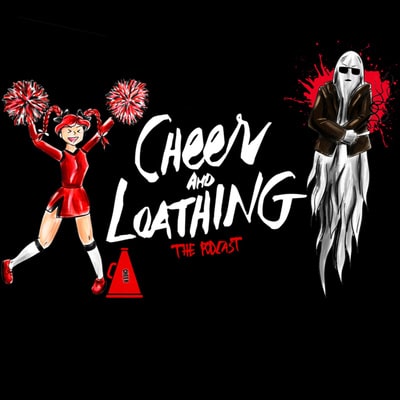
She’s a lover, he’s a fighter. Together, they’re CHEER AND LOATHING. Tune in to hear your hosts, Stephanie (Cheer) and Casey (Loathing), clash over the films they love — and the ones they love to hate.
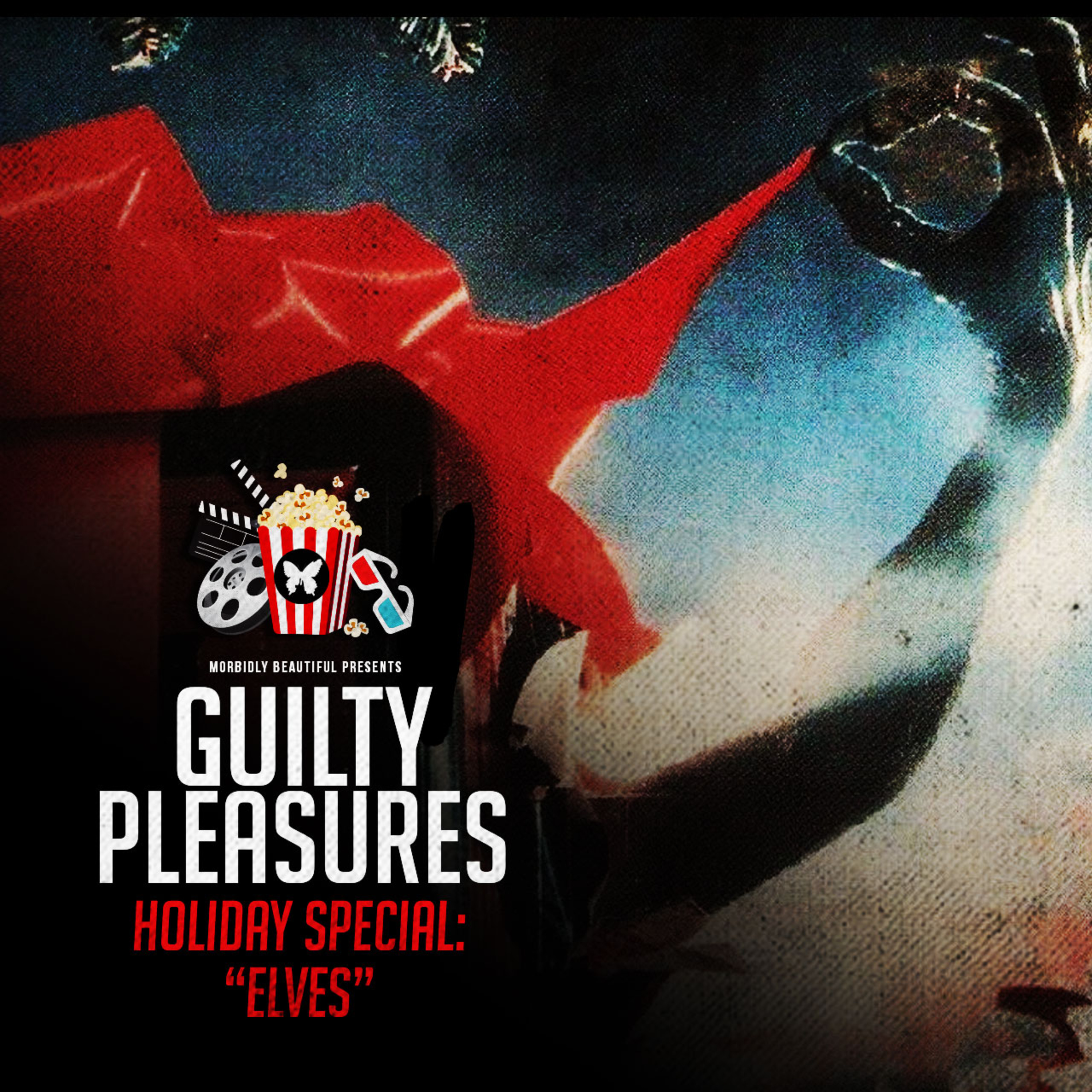
In this holiday extravaganza episode of Guilty Pleasures, join hosts Stephanie, Kelly, and our newest addition, Jonathan (Jack was tied up in tinsel and couldn't join us), as they unwrap the bizarre and unhinged world of holiday cinema. They dive into the depths of Elves, a film that's as chaotic as it is entertaining. It's a sleigh full of questionable decisions, diabolical dialogue, absurd plot twists, wildly offensive antics, and unhinged holiday mischief.
And that's not all! In the second half of the podcast, join your festive cinephile friends for a look at four more ”nutty as a fruitcake” holiday treats: A New York Christmas Wedding, Elf Bowling, A Medea Christmas, and Jack Frost. Plus, we each offer a bonus Christmas flick guaranteed to make you say, ”Ho, Ho, HO-LY Hell!”
Expect laughter, disbelief, and a spirited debate about what truly makes a movie a guilty pleasure. Don't miss this festive journey through the weirdest corners of holiday films!


Follow Us!