

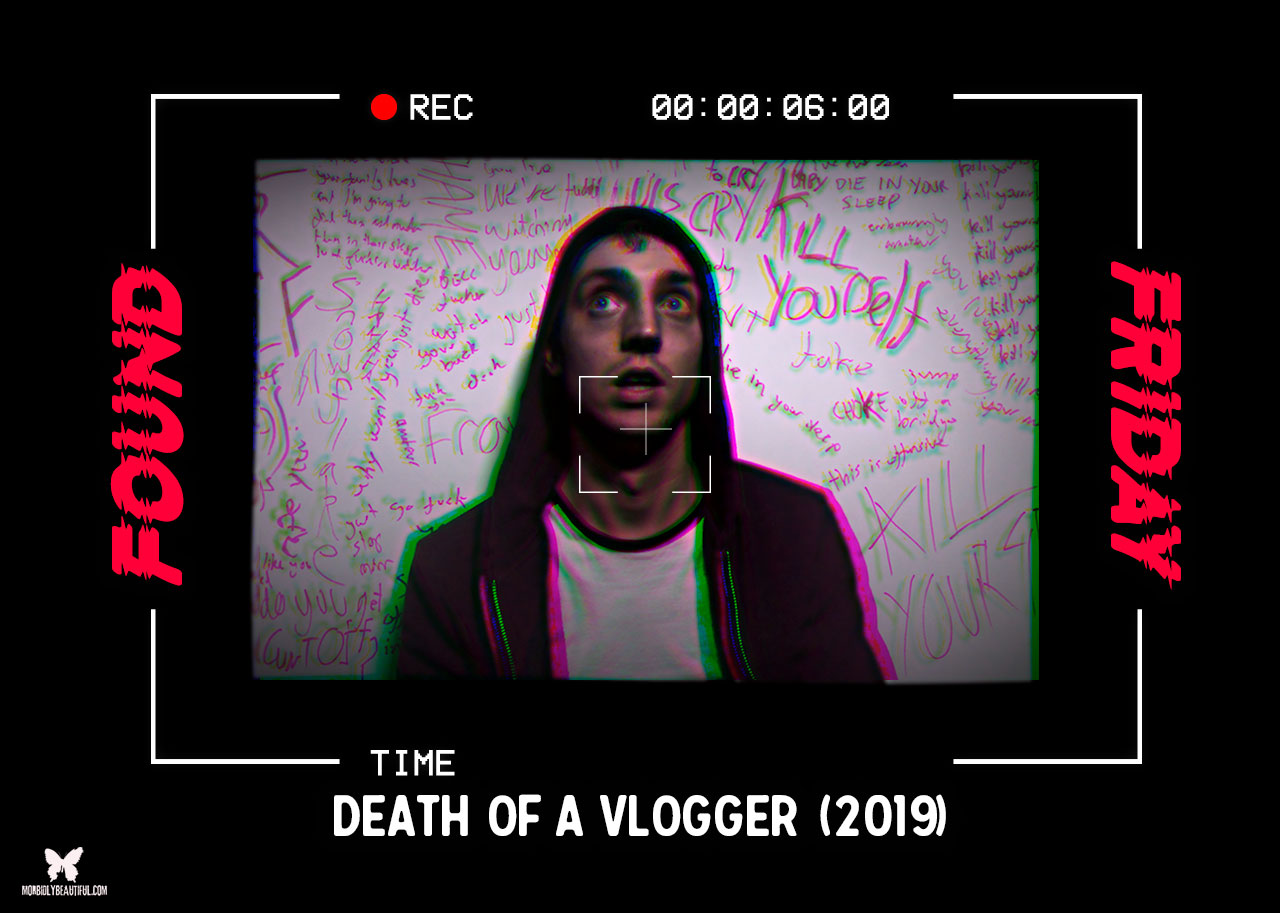
The smart, unsettling “Death of a Vlogger” blurs the line between paranormal and performance while weaponizing online smear culture.
No time to read? Click the button below to listen to this post.

Found footage has long been one of horror’s most polarizing subgenres. For some, it’s a cheap gimmick that trades narrative structure for shaky cameras and jump scares. For others, it’s one of the purest ways to immerse an audience in fear, collapsing the wall between fiction and reality.
With Death of a Vlogger (2019), Scottish filmmaker Graham Hughes takes the form and drags it screaming into the digital age, crafting a biting, inventive, and unnervingly relevant look at the perils of online fame.
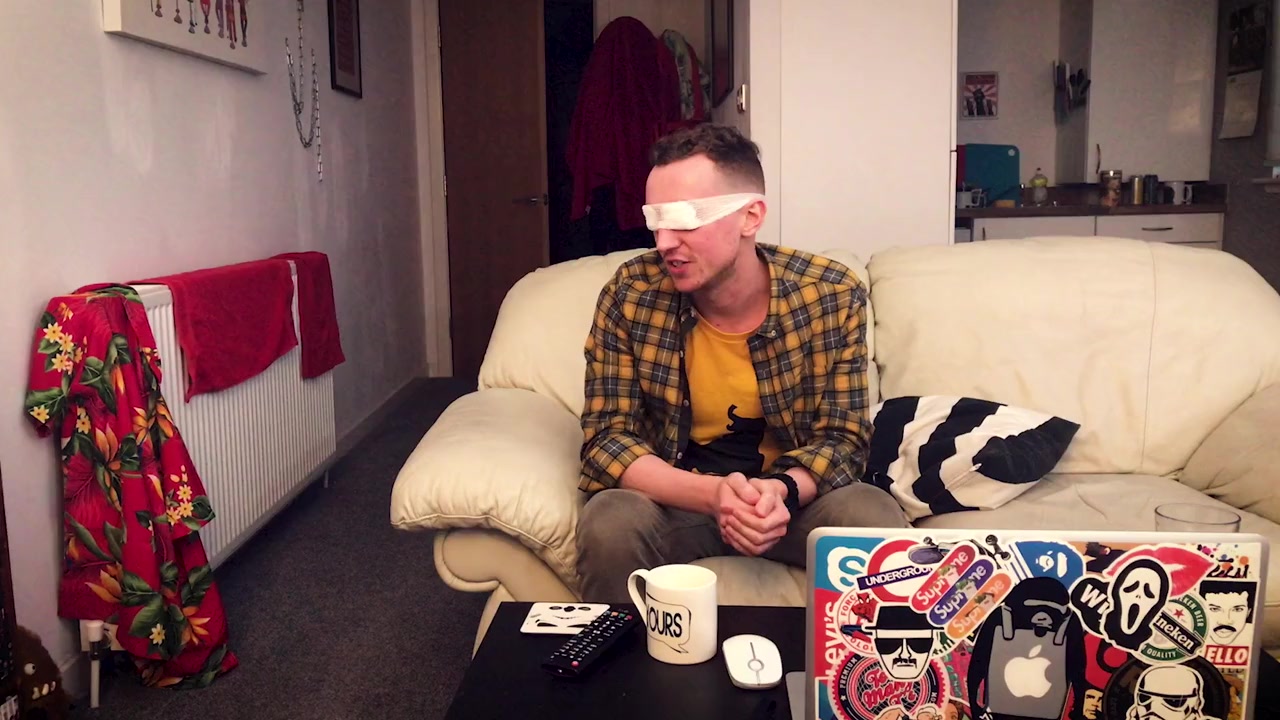
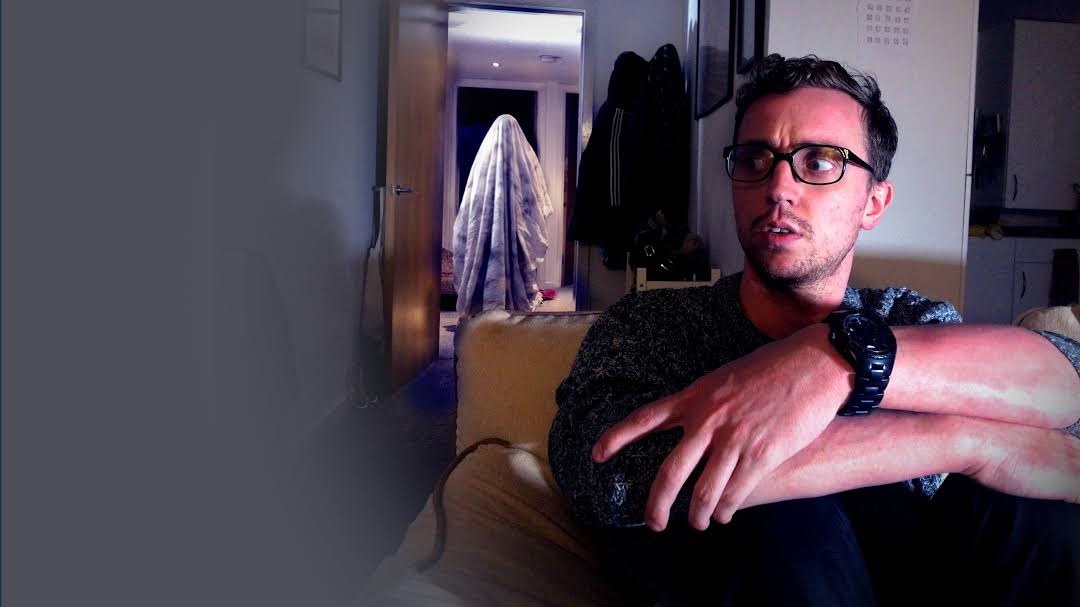
The film introduces us to Graham, a rising YouTuber whose channel is built on stunts, pranks, and social experiments. When he captures apparent paranormal activity during one of his livestreams, his popularity skyrockets. Overnight, he becomes the guy with “the ghost video.” But as the line between authenticity and fabrication blurs, the internet’s love turns to suspicion, then outright hostility.
What starts as a tongue-in-cheek mockumentary quickly spirals into a deeply unsettling story about clout chasing, cancel culture, and the devastating consequences of life repurposed as content.
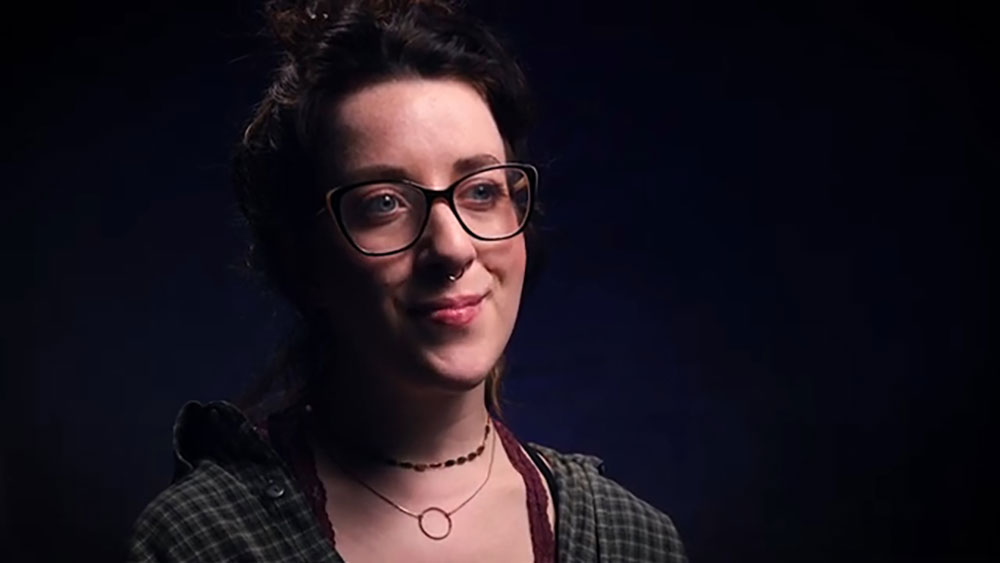
Hughes cleverly frames the narrative as he cuts between talking-head interviews, reaction videos, news coverage, and raw footage from Graham’s own channel. It feels authentic because it mirrors the fractured and messy way we consume information today, filtered through countless lenses of bias.
At its core, Death of a Vlogger isn’t just about ghosts; it’s about the haunting weight of public scrutiny.
Hughes weaponizes the volatility of online audiences, illustrating how quickly adoration can curdle into contempt.
The more Graham tries to prove his innocence and defend his reputation, the deeper he’s dragged into the quicksand of internet outrage. The true horror isn’t found in flickering lights or shadowy figures (though there are some genuinely chilling scenes and quite effective jump scares). Instead, it’s in the realization that a collective mob, armed with nothing but clicks of a keyboard, can destroy a life faster than any supernatural entity.
One of the film’s greatest strengths is its ability to play with perception and ambiguity. Hughes refuses to give viewers a solid footing. Every moment of supposed paranormal activity could be a fabrication, every piece of evidence could be another layer of performance.
The result is a film where the question isn’t simply whether it’s real or fake, but whether that distinction even matters anymore.
Once something is recorded, edited, uploaded, and shared, it takes on a life of its own. Perception is reality, and Graham’s desperate attempts to control the narrative only deepen the uncertainty.
By the end, the audience is as trapped as he is—unable to say with confidence where the performance stops and the paranormal begins.
Ultimately, what makes Death of a Vlogger truly stand out in the crowded found footage landscape is its razor-sharp social commentary.
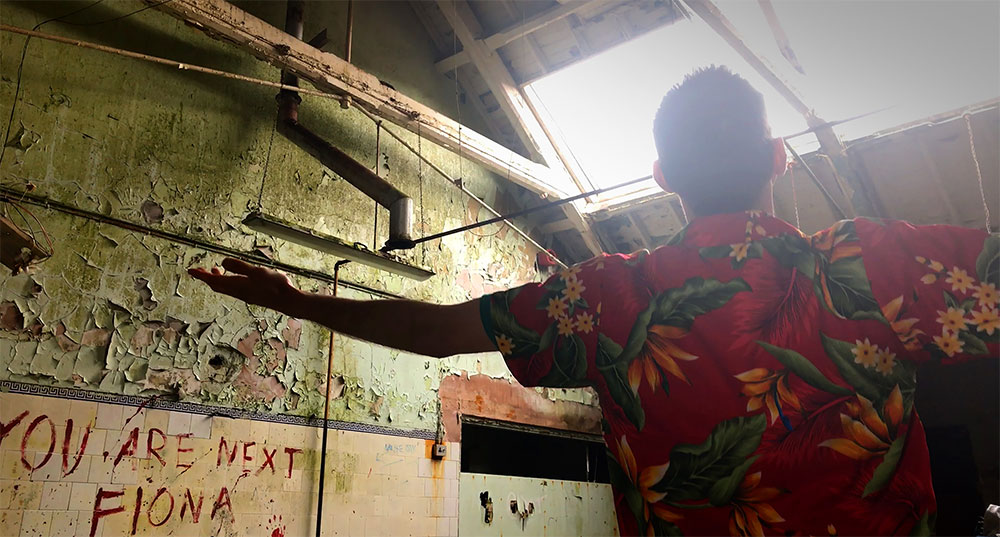
The film skewers the toxic cycle of online culture, highlighting how creators are pushed to escalate stunts for attention, the insatiable appetite for viral content, and the collective glee in tearing down those who dare to rise too high.
The commentary here penetrates like a dagger, echoing real-world smear campaigns and cancel culture pile-ons. It’s a scathing look at how digital platforms give everyone a voice, but also give everyone a torch to join the witch hunt.
Graham Hughes, who also stars as the fictionalized version of himself, delivers a performance that feels painfully authentic.
His desperation, defensiveness, and eventual collapse resonate because they’re grounded in real-world anxieties of anyone who has ever lived too much of their life online.
The supporting cast, playing fellow vloggers, critics, and experts, adds texture and credibility. Technically, the film embraces its low-budget aesthetic, but rather than feeling cheap, it feels intentional. The rough edges mirror the raw, often chaotic quality of internet video.
The editing—weaving together interviews, livestreams, and “authentic” viral clips—adds depth and intrigue, creating a patchwork of perspectives that both propel the story and question whether objective truth even exists in the age of content.
Death of a Vlogger succeeds where so many found footage films stumble because it doesn’t just rehash old tricks.
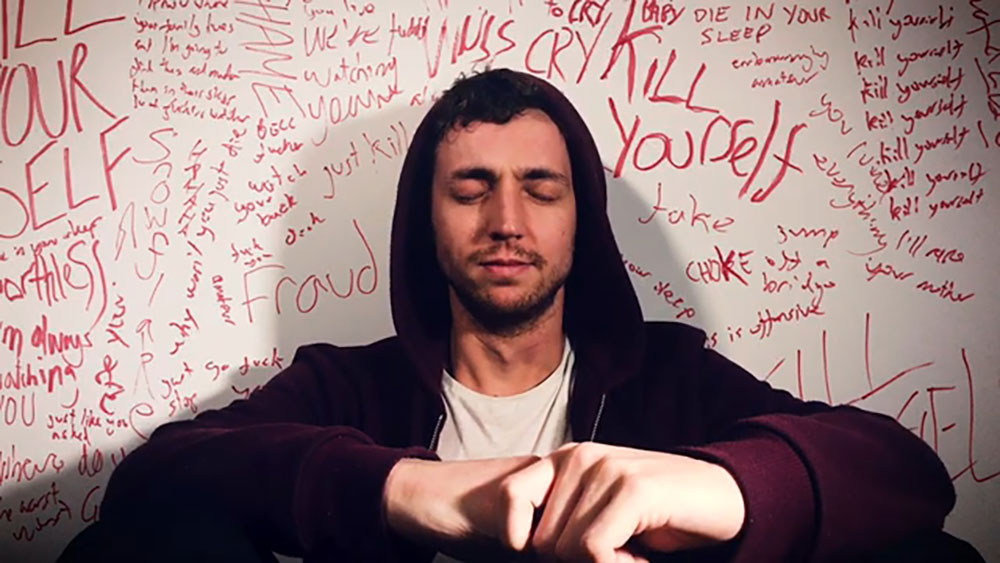
Instead, it uses the form to interrogate the very act of recording, watching, and sharing. It’s less about ghosts and more about the monsters we create when online validation becomes our currency.
By the end, you may not be sure what was staged, what was supernatural, or what was simply a lie repeated enough to become truth. And that’s the point. In a world where perception is reality, and reality can be edited in real time, the scariest thing isn’t what’s hiding in the shadows. It’s the audience itself—us, the viewers—waiting to turn on someone the moment the narrative shifts.
It’s a haunting reflection of our times, a horror story not about possession but about obsession. And like the best horror, it lingers long after the screen goes dark.
Inventive, unsettling, and disturbingly timely, Death of a Vlogger is a standout in modern found footage: a mirror that shows us the horror we’ve created ourselves.
Overall Rating (Out of 5 Butterflies): 4




Follow Us!