

From the Metro Manila Film Festival to a quiet night online, movies and casinos in the Philippines share one thing: the thrill of not knowing what comes next.
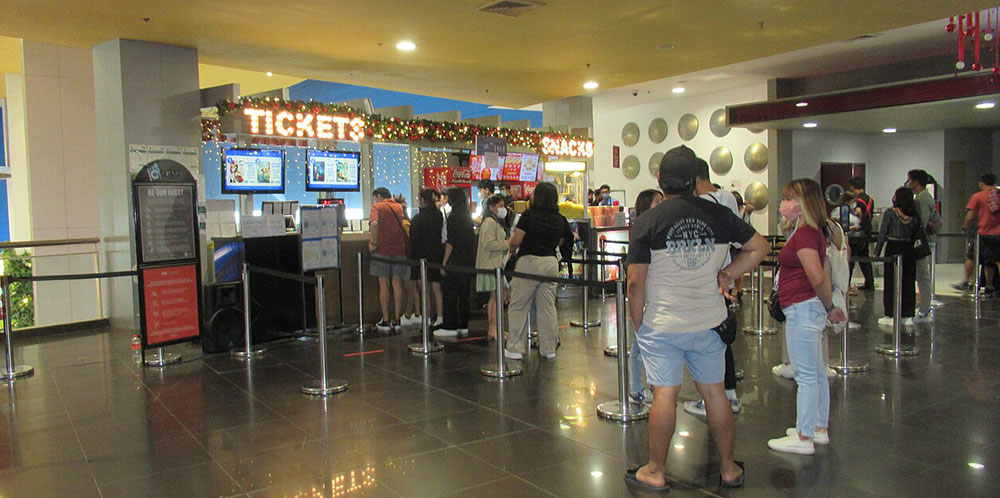
2022 Metro Manila Film Festival SwarmCheng, CC BY-SA 4.0 (https://creativecommons.org/licenses/by-sa/4.0), via Wikimedia Commons
Every December, something happens in Filipino cinemas that would baffle most of the world. Foreign blockbusters get pulled from the schedule, and for a couple of weeks the screens belong entirely to local films. The Metro Manila Film Festival takes over, families pile into theaters between Noche Buena and New Year, and a horror entry or two usually lurks somewhere in the lineup.
It is one of the clearest signs of how much movies and casinos in the Philippines feed the same national habit: a love of stories that keep you guessing.
That might sound like an odd pairing. One is a dark room full of strangers flinching at the same jump scare. The other is a table, a screen, a spin. Sit with it, though, and the overlap gets obvious. Both run on suspense, on the pleasure of not knowing what comes next, on the small dread of the reveal and the rush when it lands.
The Filipino love affair with a good scare

Floats of the 48th Metro Manila Film Festival Parade of Stars – SwarmCheng, CC BY-SA 4.0 (https://creativecommons.org/licenses/by-sa/4.0), via Wikimedia Commons
Filipinos have never needed much convincing to sit in the dark and be frightened. Horror runs deep here, from the aswang tales whispered in the provinces to the glossy multiplex releases that pack out malls on a Friday night. That appetite reaches well past local productions, too.
The wave of atmospheric dread coming out of the wider region has a devoted following in the country, the kind mapped out in this tour through Southeast Asian horror, where Filipino titles sit alongside their Thai and Indonesian cousins.
The Metro Manila Film Festival, running every year since 1975, is where all of this meets sheer commercial muscle. The 2023 edition pulled in a record of roughly 1.07 billion pesos, proof that Filipino audiences will still pick a cinema seat over a sofa when a film feels like an event.
A scary movie shared with a full house hits differently than one watched alone. The gasp is collective. So is the nervous laugh right after.
That craving for a shared jolt does not switch off when the credits roll, and it has quietly reshaped how people here spend the hours after the cinema empties out.
From the big screen to the spin of the reel
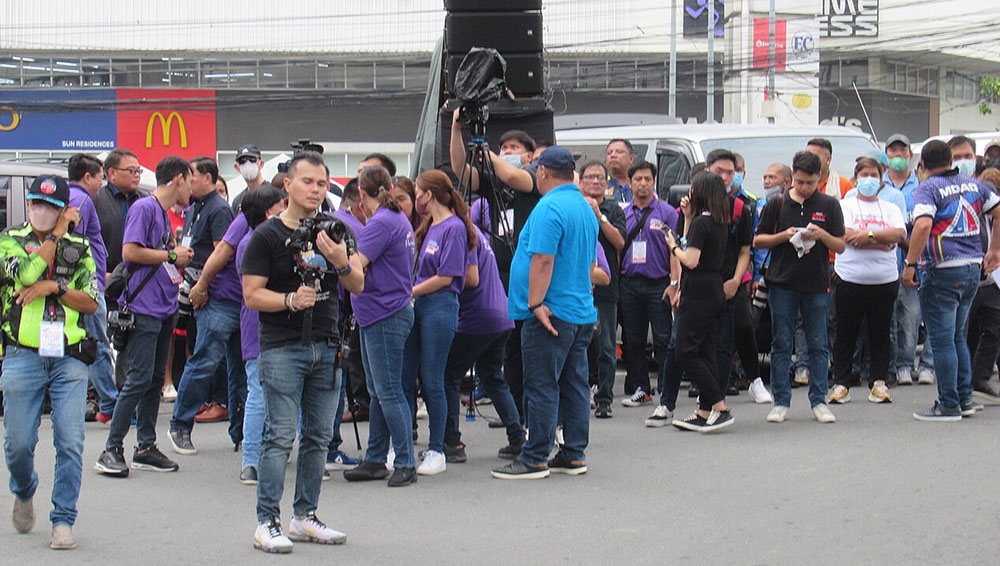
2022 Metro Manila Film Festival SwarmCheng, CC BY-SA 4.0 (https://creativecommons.org/licenses/by-sa/4.0), via Wikimedia Commons
Movies worked out the pull of the gamble long before anyone streamed anything.
Picture the sweat on a card player’s forehead in a heist thriller, or the way a horror death-game like Saw twists a simple wager into pure terror. Cinema keeps circling back to the casino floor because it is a ready-made stage for tension. Fortunes turn on a single card, a character’s fate hangs on one number, and the audience leans in because the stakes are right there on screen.
That same craving for a contained thrill is part of why so much Filipino leisure has drifted online.
The phone that streams a horror film at midnight is often the same phone people reach for to wind down with a few casino games afterward, and the shift in mood between the two is smaller than you might expect.
Anyone curious about how these platforms actually work can read a 22Bet review to weigh up the game selection, the live tables, and the mobile setup before deciding whether it suits the kind of downtime they enjoy.
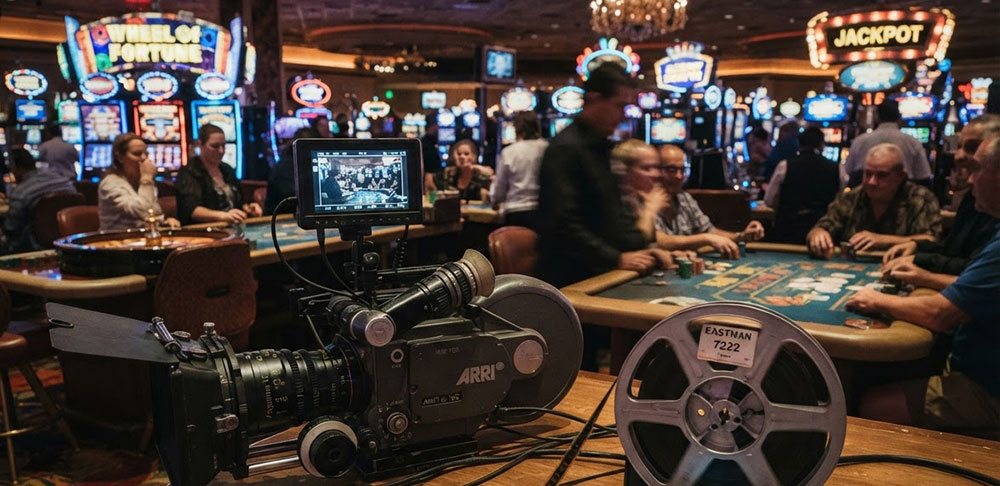
The same instinct that draws a viewer toward a slow-burn thriller tends to draw them toward the games with a bit of theater to them, the ones built around a live host and a bit of countdown drama rather than a bare number.
None of this happens in a lawless vacuum, which is a big part of what keeps it a genuine leisure choice rather than a back-alley risk.
Play in the Philippines is limited to adults aged 21 and over, and operators are bound by the responsible-gaming standards published by PAGCOR, the state body that both runs and polices the sector. Treated the way it is meant to be, as an evening’s fun with limits set in advance, it sits comfortably next to a movie night rather than crowding it out.
What movies and casinos in the Philippines really share

Strip away the screens, and the common ingredient is atmosphere.
A good horror film and a good game both understand pacing. The slow build. The pause that stretches a beat too long. The release. Neither works if you already know exactly how it ends, and that uncertainty is the entire point. It is the same reason a Filipino crowd will happily queue for a ghost story they have heard a dozen times before, because the knowing does not spoil the feeling.
There is a strange comfort in both, as well. A scary movie lets you rehearse fear from a safe seat and then hand it back at the door. A round of a favorite game offers a similar jolt of the unknown, one that costs only what you choose to set aside and ends the moment you decide it does.
That sense of a controlled edge is what links them; you get to feel something sharp without any of it trailing you home.
So the next time the festival lineup drops, and the horror entry starts trending across Filipino social feeds, the reason these two pastimes sit so easily side by side is not much of a mystery. They scratch the same itch.
People go to the movies, and to the games, for the pleasure of being kept on edge for a while, then stepping back out into an ordinary evening with a racing heart and absolutely nothing to show for it but a good time.











Follow Us!