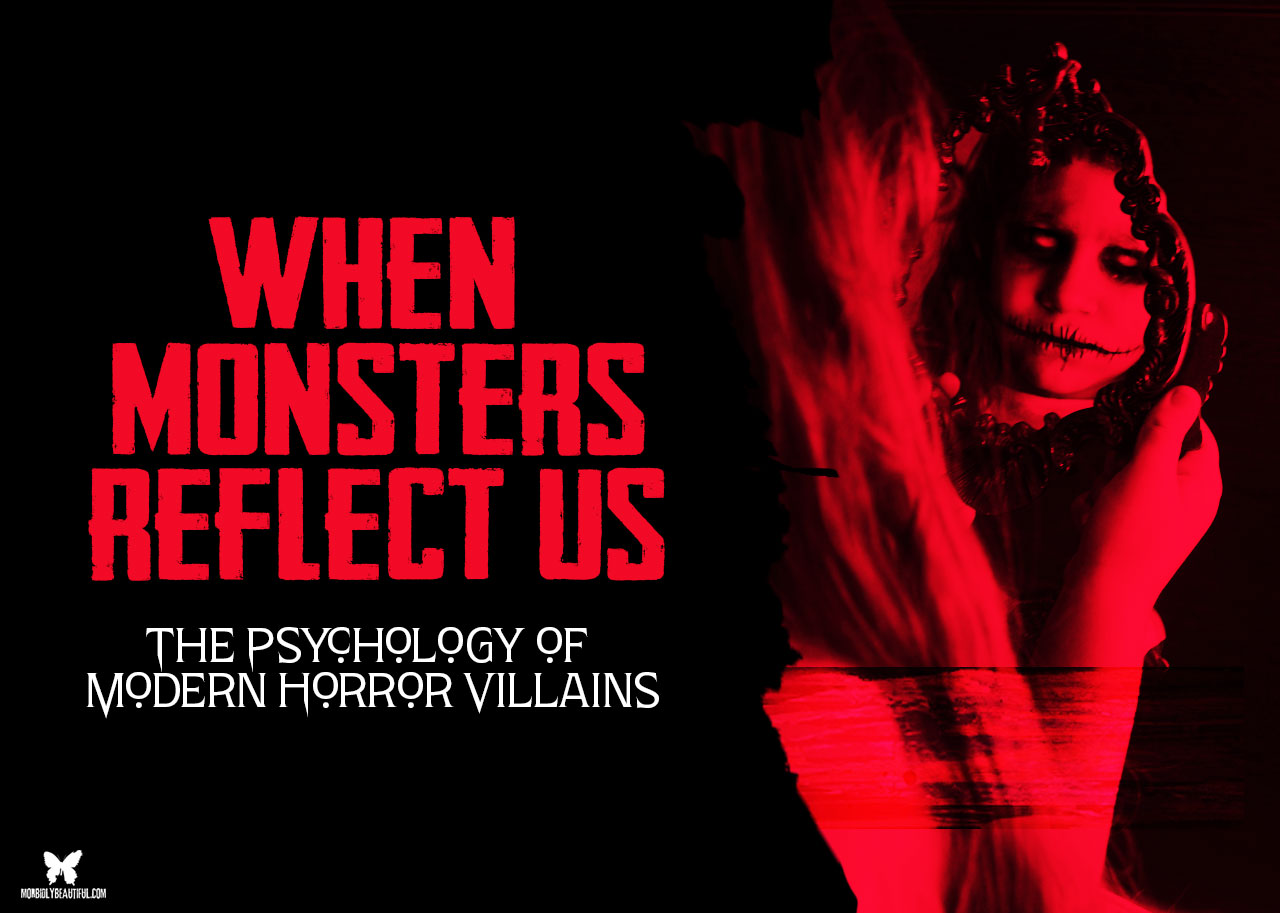
When Monsters Reflect Us: The Psychology of Modern Horror Villains
So, why do monsters look a bit like us?
Let’s start with something odd but hard to ignore: modern horror villains don’t always feel like “others” anymore. They feel… familiar. Not in a comforting way, but in a way that makes you pause and think, wait, I’ve seen that emotion before. Maybe not in a haunted house or a dark alley, but in everyday reactions—anger that lingers too long, loneliness that bends behavior, or grief that never quite settles.
A long time ago, monsters were simple.
Vampires in castles. Creatures under the bed. Clear lines: human here, monster there. Now those lines blur a bit, almost like the uneasy overlap you see in concepts such as “온라인 베팅,” where chance and control seem to sit side by side in digital spaces.
A villain might speak softly, show vulnerability, even cry. And yet they still do terrible things. That contrast is what hooks people. It feels wrong and relatable at the same time.
A strange contradiction shows up here: we fear them, but we also understand them. Not approve—understand. And that difference matters.
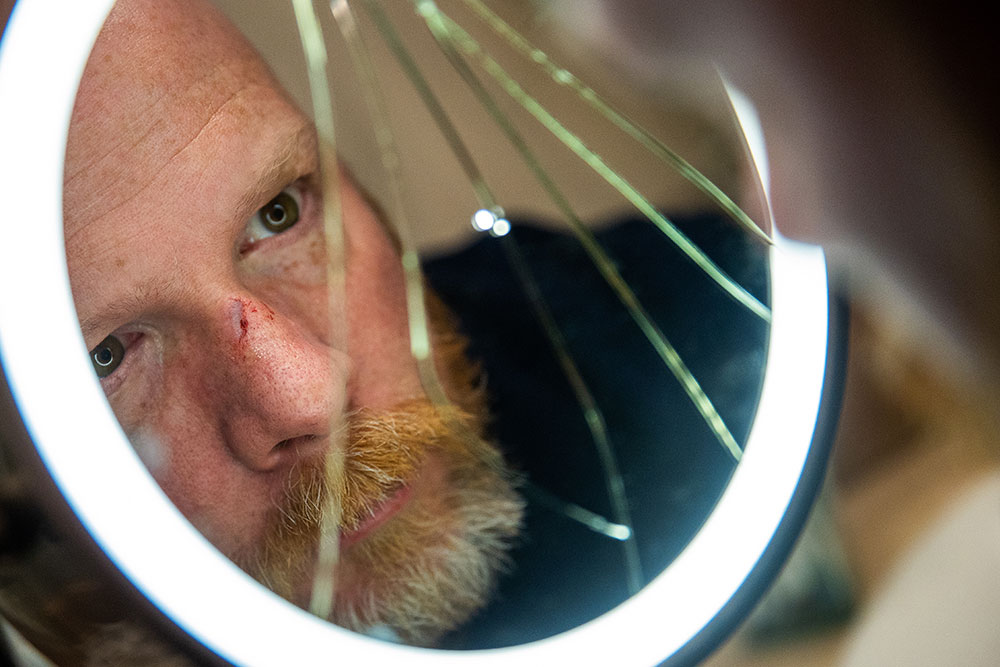
It’s like looking into a cracked mirror; the reflection is yours, just slightly distorted. You recognize the shape, but not the certainty.
Why does that hit so hard? Maybe because it suggests the boundary between “us” and “them” isn’t as solid as we’d like.
Horror writers lean into this tension. They don’t just build monsters anymore; they build emotional echoes. A villain becomes a question mark with a face. And honestly, that’s more unsettling than claws or fangs ever were.
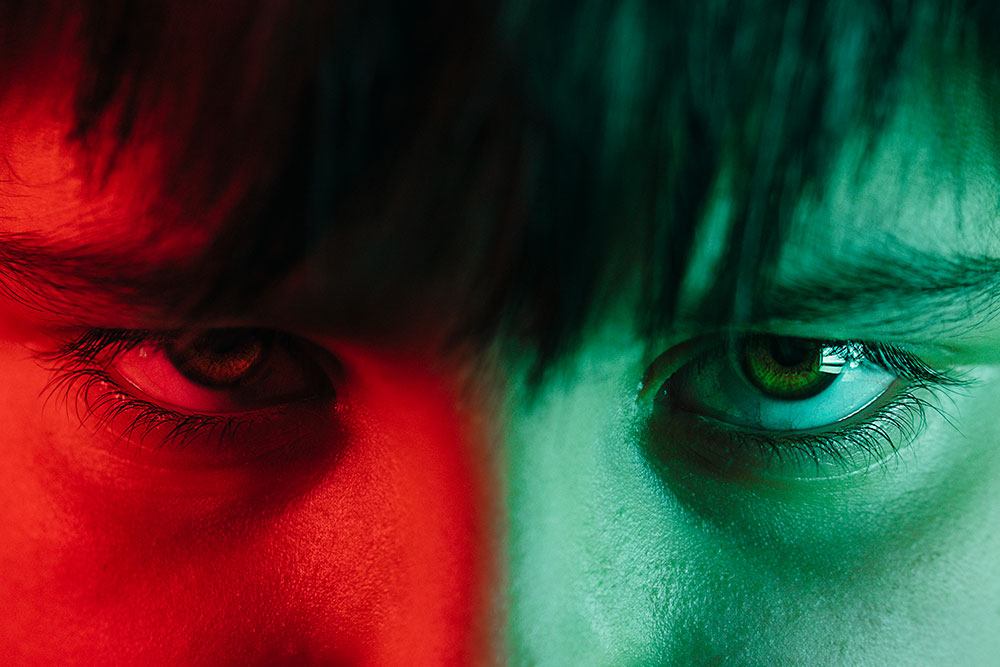
A lot of horror villains today quietly borrow from psychological archetypes, even if no one names them directly. You see traces of the abandoned child, the wounded protector, the obsessive thinker who can’t let go. These patterns aren’t new, but the way they’re woven into characters feels sharper now.
Carl Jung once talked about archetypes as universal mental templates. Sounds academic, sure, but in practice it’s simple: humans recognize patterns fast. Too fast, sometimes. A character walks on screen, and within minutes, people feel like they “get” them. Maybe not their full story, but the emotional direction.
Here’s the interesting twist: understanding a villain doesn’t make them safe. It makes them more unpredictable.
If someone hurts others out of fear rather than pure malice, does that change how we see their actions? Not really. But it changes how we feel when we watch them. And that emotional conflict is where horror thrives.
You’re not just reacting to what happens—you’re juggling interpretation in real time. Is this person evil, or shaped by something broken long before the story started? A character like that sticks in the mind longer than a purely external threat. Because now the fear isn’t “what is it?” but “how close is this to something real?”
That question lingers, even after the story ends.
And maybe that’s the point.
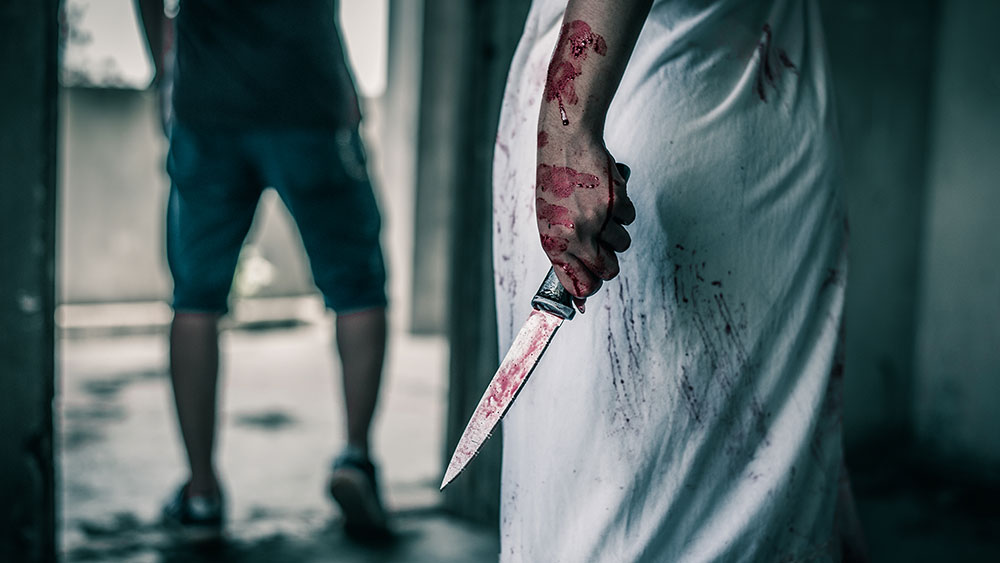
Modern horror villains often carry marks of current anxiety. Not just abstract fear, but specific cultural pressure points.
Technology plays a big part here. Think about characters shaped by surveillance, online anonymity, or identity fragmentation across digital spaces. They don’t just haunt houses—they haunt feeds, messages, and memory gaps.
There’s also trauma, not as a backstory decoration, but as a driving force. Many stories now treat trauma less like a single event and more like a lingering system that reshapes behavior over time. That shift changes everything. The villain isn’t “born evil.” They are shaped, sometimes painfully, by repeated emotional fractures.
And here’s something a bit uncomfortable: audiences often relate more when they see that shaping process. Not because they agree with the actions, but because the emotional logic feels recognizable. Everyone knows what it’s like to be pushed too far emotionally, even if the outcomes are wildly different.
So horror stops being just about escape. It becomes about recognition.
You watch a character spiral and think, I understand how that started… even if I’d never go there myself. That thin line is where modern villains live.
It’s not neat. It’s not comfortable. But it feels honest in a strange way.
And that honesty pulls people in more than any jump scare ever could.
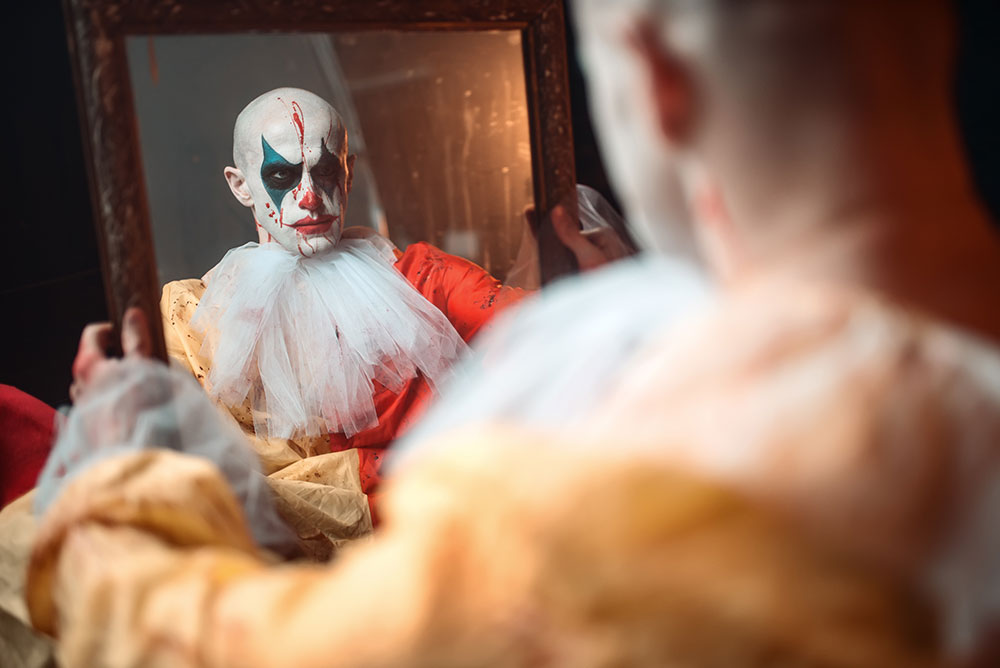
This part gets tricky.
Why do audiences sometimes root for or feel sorry for villains who clearly cross moral lines? It’s not about approving of harm. It’s about emotional proximity. When a story shows pain before destruction, the brain tends to connect the dots in a human way: cause, effect, consequence.
There’s also something else going on: projection. People quietly map their own experiences onto fictional characters. Not in a literal sense, but emotionally. A moment of rejection, a loss, a sense of being unseen… those fragments create tiny bridges between viewer and villain.
And once that bridge exists, everything becomes layered. Fear doesn’t disappear, but it gets mixed with empathy. That mix is powerful. It can even be uncomfortable, like standing too close to a loudspeaker; you want distance, but you also want to hear what’s being said.
Interestingly, this doesn’t weaken horror. It strengthens it. Because now the stakes feel personal.
If a villain is purely alien, they stay distant. If they feel human, they feel closer than expected. And closeness changes perception.
So yes, we sympathize sometimes. Not because we excuse actions, but because recognition sneaks in before judgment catches up. And that delay—that tiny gap—is where emotional tension builds.
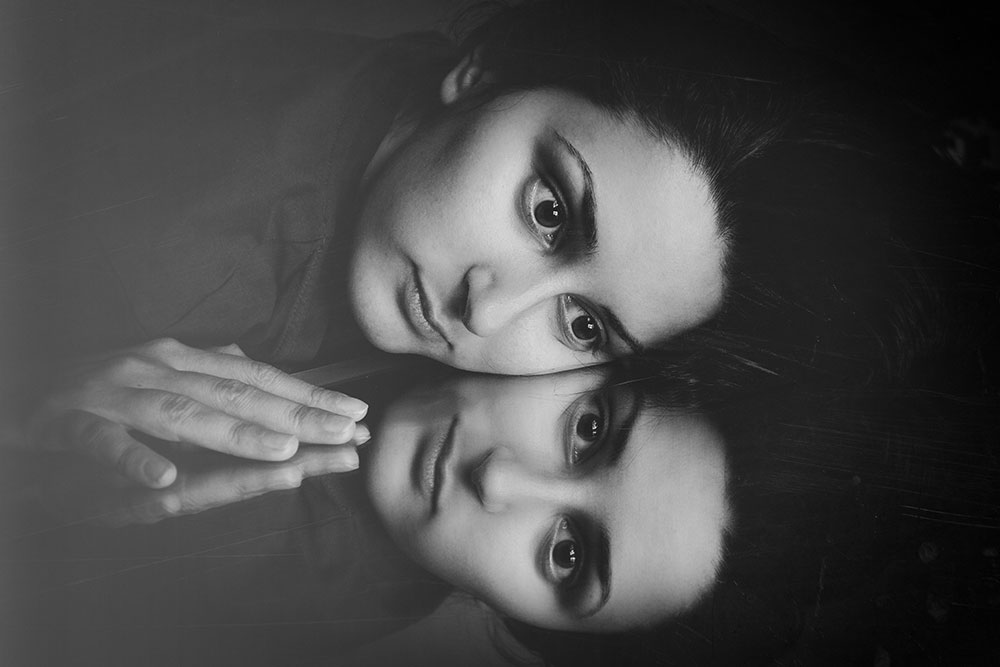
If horror villains reflect something back at us, then the real question is simple: what exactly are we seeing?
Maybe it’s not just fear. Maybe it’s curiosity about emotional extremes, or discomfort with parts of ourselves we don’t talk about often.
Modern horror doesn’t just ask “what is the monster?” It gently nudges another question: “what made it possible for something like this to feel human?” That question sticks longer than expected.
And maybe that’s why these stories stay with us. Not because they shock, but because they echo.
You finish a film or a book and still feel a faint presence of the character—not as a threat, but as a reminder that emotional lines are not as sharp as they look from far away.
Funny thing is, we often think we’re watching horror for escape. But sometimes, we’re actually watching for recognition. A strange kind of recognition, sure, but recognition all the same.
And once you notice that pattern, it’s hard to unsee it.

She’s a lover, he’s a fighter. Together, they’re CHEER AND LOATHING. Tune in to hear your hosts, Stephanie (Cheer) and Casey (Loathing), clash over the films they love — and the ones they love to hate.
In this holiday extravaganza episode of Guilty Pleasures, join hosts Stephanie, Kelly, and our newest addition, Jonathan (Jack was tied up in tinsel and couldn't join us), as they unwrap the bizarre and unhinged world of holiday cinema. They dive into the depths of Elves, a film that's as chaotic as it is entertaining. It's a sleigh full of questionable decisions, diabolical dialogue, absurd plot twists, wildly offensive antics, and unhinged holiday mischief.
And that's not all! In the second half of the podcast, join your festive cinephile friends for a look at four more ”nutty as a fruitcake” holiday treats: A New York Christmas Wedding, Elf Bowling, A Medea Christmas, and Jack Frost. Plus, we each offer a bonus Christmas flick guaranteed to make you say, ”Ho, Ho, HO-LY Hell!”
Expect laughter, disbelief, and a spirited debate about what truly makes a movie a guilty pleasure. Don't miss this festive journey through the weirdest corners of holiday films!

Follow Us!