

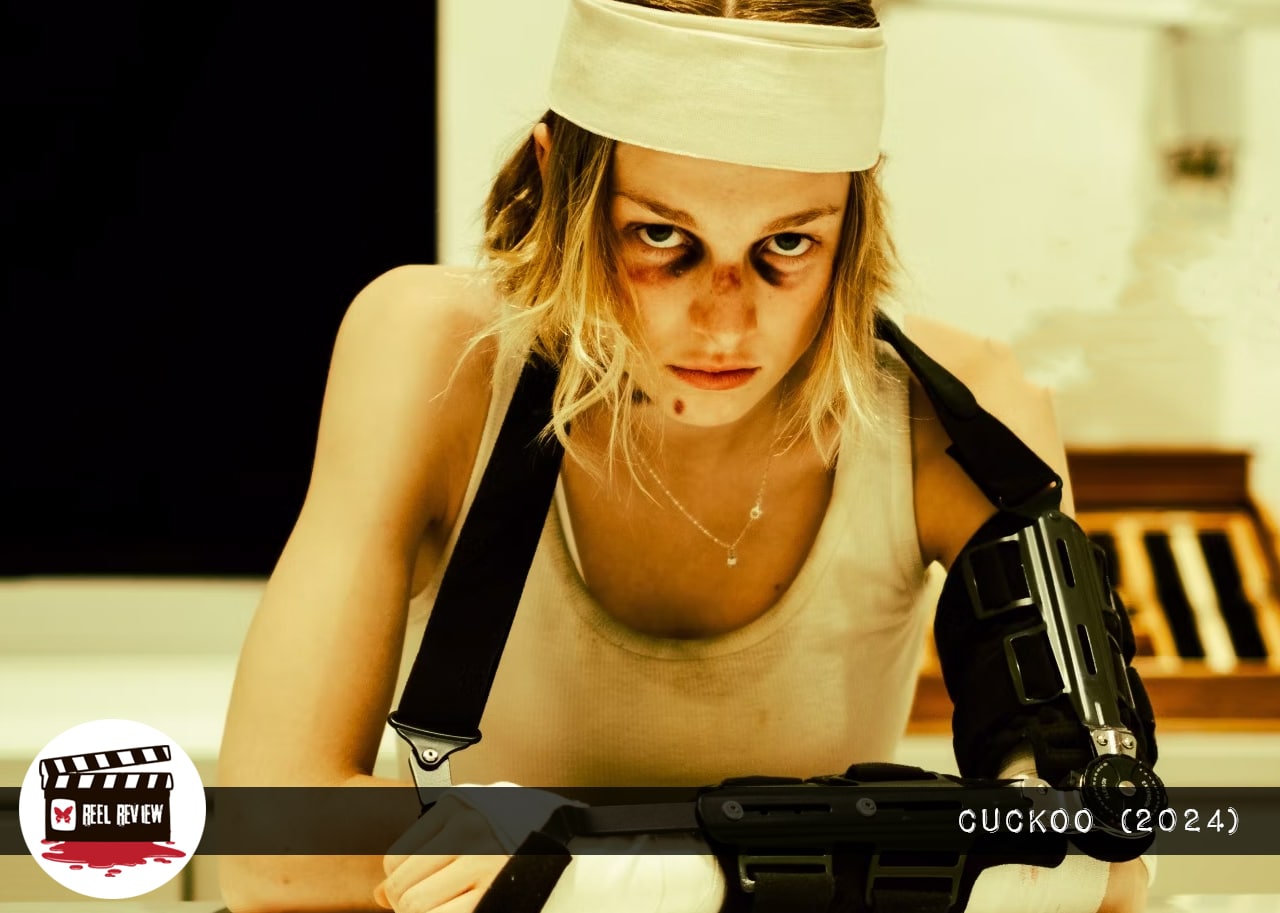
With a stellar turn from Schafer, “Cuckoo” has enough strength to take flight, but it falls short of soaring and reaching new heights.
Cuckoo is the victim of a recent, irritating practice of the film industry: the release of the trailer that tells you practically everything that happens in the movie. If you’ve watched trailers for old movies, particularly 1950s Noir, then you’ll know that this is hardly a new phenomenon, but we seem to be entering a time when studios are so terrified their movie won’t have that ‘hook’ that rather than tease a movie, they all but explain it.
Horror suffers most for this, reliant as it is on mystery to create tension.
Good Horror wants its audience to be confounded and for viewers to second-guess everything they think they see and understand. Is this really happening? Is this guy who seems sinister simply misunderstood? Was the real evil Man all along? When the trailer answers these questions – in the case of Cuckoo, the trailer answers all three – one of the main draws of horror is snatched away. In other words, if you haven’t already watched the trailer for Cuckoo, don’t bother—the film will be far more enjoyable if you don’t.
In the spirit of things, I’ll try to keep narrative clues here to an absolute minimum.
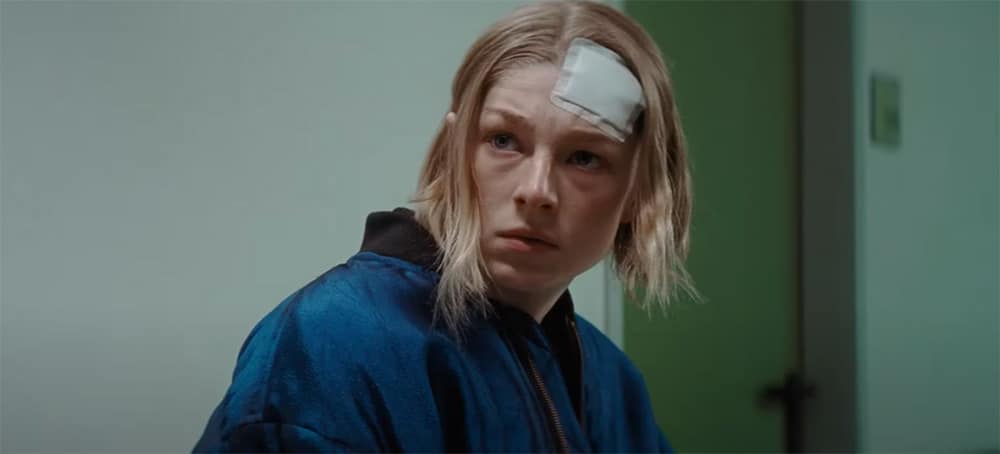
The film follows Gretchen (Hunter Schafer) as she moves to live with her father in the German Alps after losing her mother. An understandably brittle and surly seventeen-year-old, Gretchen bristles against her mother-in-law and her mute adopted half-sister, Alma. Tensions rise even further with the entrance of her father’s creepy boss, Herr König (played by an Ernst Blofeld-channelling Dan Stevens), and the onset of Alma’s apparent epileptic fits, for which everyone begins to blame Gretchen’s behavior.
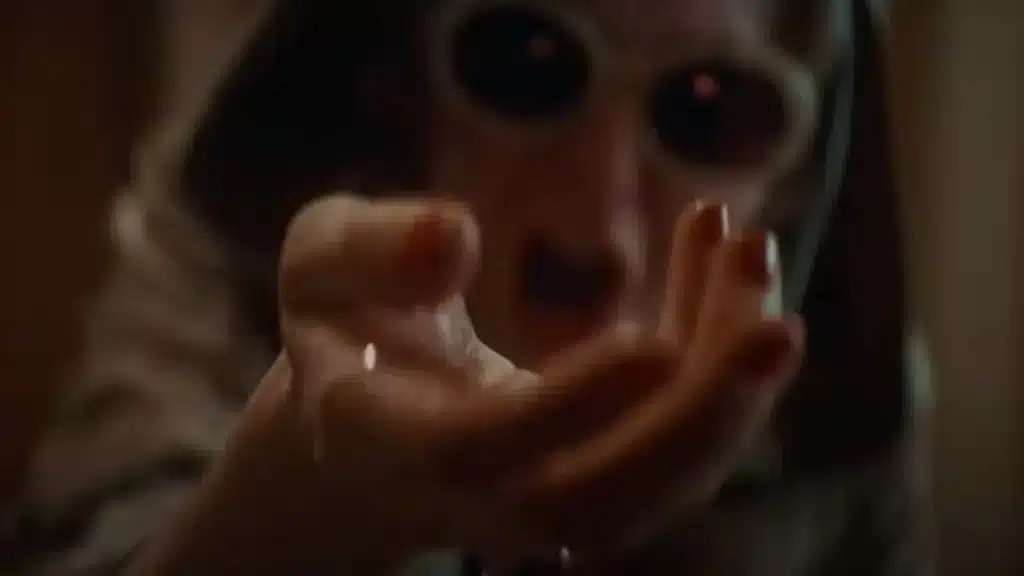
Casting a shadow over everything is the appearance of a humanoid creature, fascinated with fertile women, that announces its arrival with a birdlike screech.
Those who know about the real-life cuckoo’s impolite nest behavior may have guessed this already, but Cuckoo is themed around transferred parenthood.
Gretchen’s alienation from her sister and resentment for her mother-in-law stems from a fear of being replaced, just as the cuckoo replaces one child with its own. This is no clearer than in a scene where she talks to a co-worker about the ‘vanishing twin syndrome’ where one twin devours the other in the womb.
It is in this feeling of being displaced from a ‘nest’ that the film works best, and Schafer gives a convincing performance as a troubled teen, sometimes excelling in moments of genuine emotional fragility.
Sound and its absence – Gretchen is often lost in her music and (sometimes, dangerously) oblivious to the world, Alma is unable to communicate, and the cuckoo is only able to scream its lungs out – all work well as portrayals of the social frustration and isolation felt by those grieving.
In general, sound is used exceptionally well in the film, even if it adheres a little too closely to the ‘continuous loud sounds are pretty scary, right?’ school of horror filmmaking.
One of Cuckoo‘s main weaknesses, however, is its failure to elicit genuine scares. While some of this can be blamed on the trailer and its overly confessional nature, the monster never really exhibits real menace and, when fully revealed in the exposure of fluorescent light, actually looks a bit silly.
The first thing that came to mind was Christopher Lloyd’s character in Who Framed Roger Rabit. Undoubtedly a great character in a great film, but here, that caricatured evil is out of place.
Ultimately, Cuckoo seems a little stuck between starkly allegorical and schlocky.
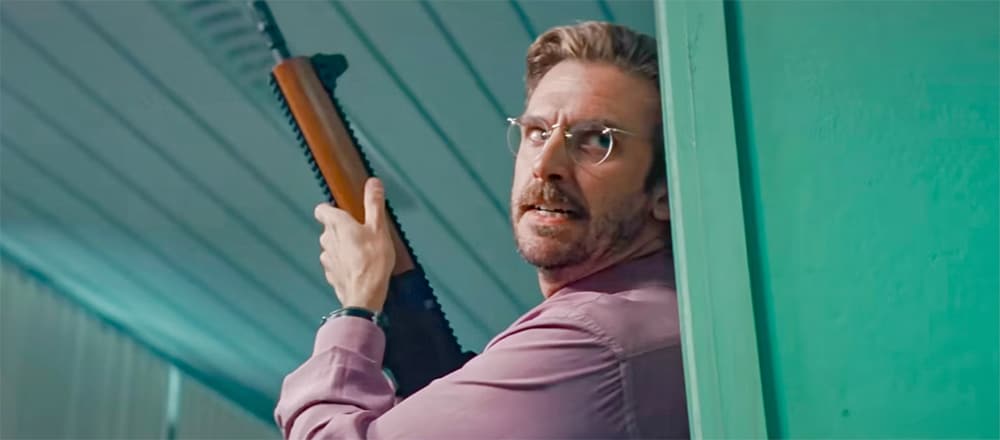
The latter is especially prevalent in some dodgy accents, unhinged acting, and costumes that look like prize-winning cosplay entered under the category ‘vaguely European person.’
As good as Stevens has proven himself to be at playing over-the-top villains in films like The Guest and Abigail, the pantomime nature of proceedings here robs him of the truly foreboding presence the film aims for. Actually, the only way the trailer misleads is by suggesting that Stevens is going to be sharing the screen much of the time when, in reality, he flutters in and out of many of the scenes without making an impact.
Overall, Cuckoo feels like a missed opportunity.
Not only does Stevens feel underused, but the setting itself, a near-abandoned alpine resort, never reaches its full potential. The film struggles to deliver consistent frights outside of one standout scene involving a bike, and unless you still find it terrifying when someone’s mouth opens a little wider than it should (I mean, it was kind of scary twenty-five years ago in The Mummy), you are unlikely to be hiding behind the sofa—in fact, you probably won’t even need a cushion.
Still, there is some enjoyment to be had here, especially in Shafer’s performance as an increasingly exasperated teen and Dan Stevens’ committed audition to be the next Bond villain.
Solid if not exceptional, Cuckoo excels more as an allegory for a stolen family belonging than it does as a horror.
Overall Rating (Out of 5 Butterflies): 3









Follow Us!