In the debut of “Forever Halloween”—unearthing the bewitching legacy of Halloween—we explore the ghostly origins of our spooky traditions.
No time to read? Click the button below to listen to this post.
ABOUT THIS SERIES:
For those who live and breathe Halloween, the season is more than autumn’s cool embrace. It’s a celebration of the otherworldly—a dance with shadows, a toast to the mysterious, and a playful nod to the macabre. Welcome to Forever October, where the Halloween spirit never dies. It lingers in the whispers of a ghostly breath, the flicker of a candle’s flame, and the spine-tingling thrill of the unknown. Together, let’s wander into the darkness, unearthing the stories, secrets, and strange allure of Halloween—from its ancient roots to its modern-day enchantments.
Long before jack-o’-lanterns glowed on porches and skeletons danced in store windows, there was Samhain (pronounced SOW-in), the Celtic festival of endings and beginnings.
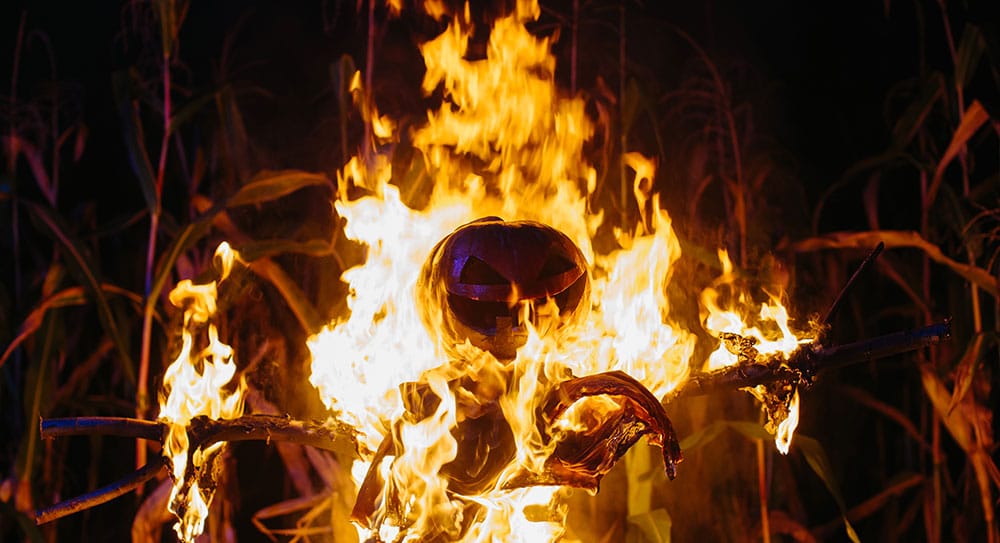
Imagine ancient Europe, shrouded in mist, its fields bathed in the orange glow of roaring bonfires. Samhain marked the death of the harvest and the birth of a darker season—a time when the boundaries between the living and the dead dissolved like smoke into the night.
For one eerie evening, spirits roamed freely among the living; some were benign, but others were vengeful, lurking in the shadows.
The Celts, resourceful and wise to the ways of the unseen, lit towering fires to guide the good spirits and ward off the wicked ones. They donned grotesque disguises to blend in with the supernatural visitors and left offerings of food and drink to appease wandering souls. Sound familiar? These chilling rituals were the ancestors of the trick-or-treat tradition we know today—though in their day, the stakes were far higher.
Samhain wasn’t just a ghost story, though. It was a deeply spiritual reckoning with life’s fleeting nature. Death wasn’t something to fear; it was a part of the eternal dance, a reminder that every ending carries the seed of a beginning.
The Celts’ fires and masks weren’t just protection; they were a salute to nature’s raw, untamed power and the mysteries it holds.
The Church’s Holy Rebrand: Halloween Gets a Makeover
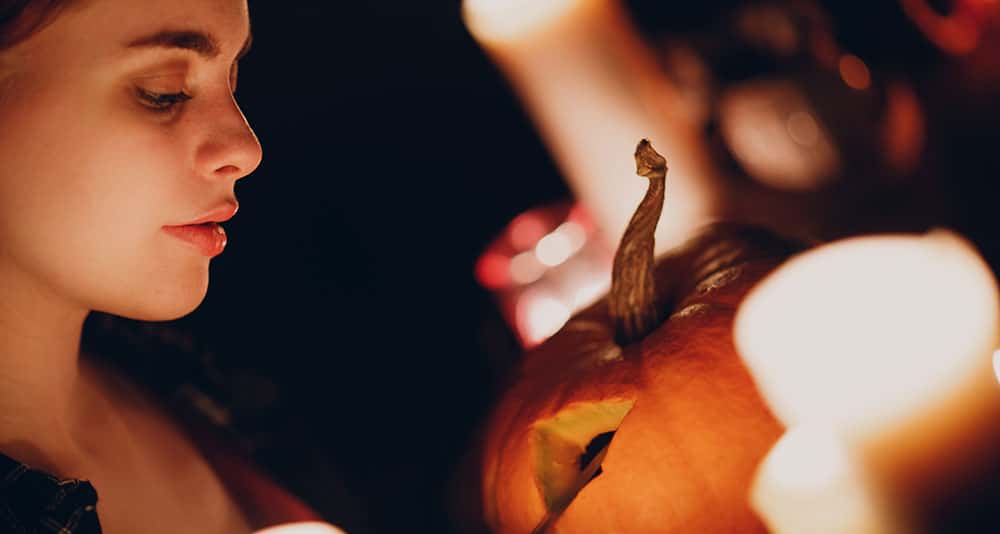
Centuries later, the rise of Christianity sought to tame Samhain’s wild, pagan energy. But the Church knew better than to outright erase such a deeply rooted celebration. Instead, they co-opted it, weaving its threads into their own holy narrative.
November 1st became All Saints’ Day (or All Hallows’ Day), honoring the saints and martyrs of the Christian faith. October 31st transformed into All Hallows’ Eve, a night that still carried echoes of its pagan past. As the years passed, the name shortened, the stories shifted, and Halloween was born—a patchwork of ancient Celtic customs and Christian traditions stitched together with the needle of time.
Despite the Church’s efforts, traces of the old ways endured. In medieval Europe, the practice of “souling” took root: Children and the poor went door-to-door, offering prayers for the dead in exchange for small cakes. Strip away the prayers and swap the cakes for candy, and you’ll find the skeleton of modern-day trick-or-treating.
The Church may have baptized Samhain, but its essence endured, whispering through the traditions we still celebrate today.
Halloween Crosses the Atlantic: Mischief in the New World
When Irish and Scottish immigrants brought Halloween to America in the 19th century, the holiday began to morph again, shedding its solemn, spiritual skin.
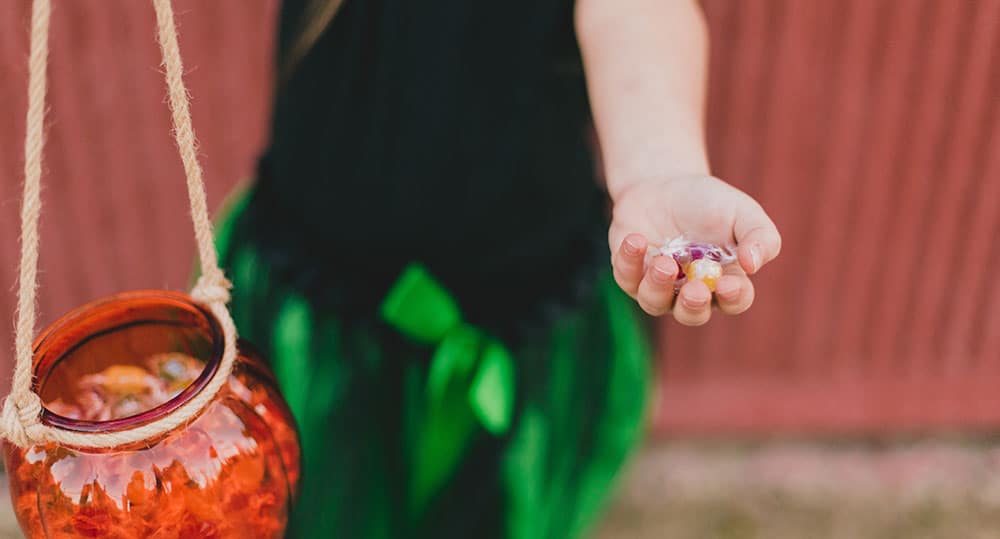
In the New World, Halloween became a night of rebellious fun. Mischievous children prowled the streets, their homemade masks and costumes disguising playful pranks. The threat of tricks gave way to demands for treats, and neighbors—perhaps wary of the chaos—complied.
By the early 20th century, Halloween had evolved into a community affair. Parades filled the streets, parties lit up homes, and the focus shifted from fright to festivity. But then came the twist that sealed Halloween’s fate as a cultural juggernaut: the rise of capitalism.
Candy companies, costume manufacturers, and Hollywood spotted Halloween’s potential and turned it into a billion-dollar industry. Haunted houses became big business. Blockbuster horror movies like Halloween and Friday the 13th dominated theaters. And October transformed into a month-long festival of spooky fun.
What began as a sacred rite became a glittering, candy-coated celebration—but somewhere beneath the surface, the echoes of Samhain’s bonfires still flicker.
A Global Spell: Halloween Across Cultures
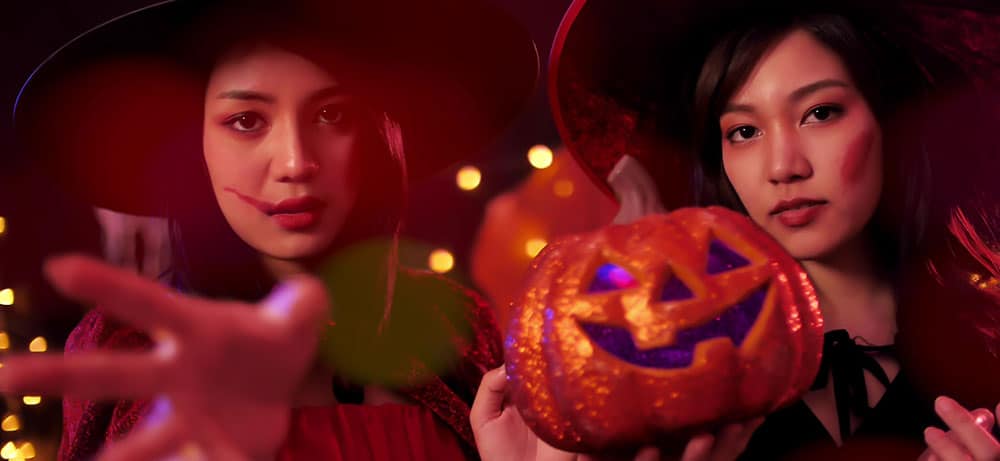
Today, Halloween’s enchantment transcends borders. In Mexico, Día de los Muertos (Day of the Dead) honors the dearly departed with vivid altars, sugar skulls, and heartfelt tributes. In Japan, costumed revelers flood the streets for parades that are more spectacle than scare. Across the globe, Halloween adapts and thrives, a celebration as diverse as the cultures it touches.
But why does Halloween captivate us so completely? Perhaps it’s the thrill of flirting with fear from the safety of a costume. Or the joy of transformation, of shedding our daily selves to become something—or someone—else for a night. Maybe it’s the primal allure of the unknown, the sense that for one fleeting evening, the ordinary gives way to the extraordinary.
Whatever the reason, Halloween’s magic is undeniable.
It’s a night when witches laugh in the moonlight, ghosts linger at the edge of sight, and the veil between worlds grows thin enough to slip through. It’s where fear meets fun, and the mundane surrenders to the mysterious.
As October wanes and the world packs away its cobwebs and costumes, remember this: Halloween isn’t just a date on the calendar—it’s a way of seeing the world, a celebration of curiosity, mystery, and the delicious thrill of the unknown.
The spirit of Halloween lingers long after the jack-o’-lanterns rot, weaving itself into the fabric of our imaginations.
Next month, Forever October will delve into the spine-tingling realm of urban legends tied to Halloween—stories shrouded in mystery and darkness, passed down to keep the eerie magic alive. Until then, keep your lanterns lit, your costumes ready, and your mind open to the shadows. After all, you never know what might be waiting just beyond the light.










Follow Us!