
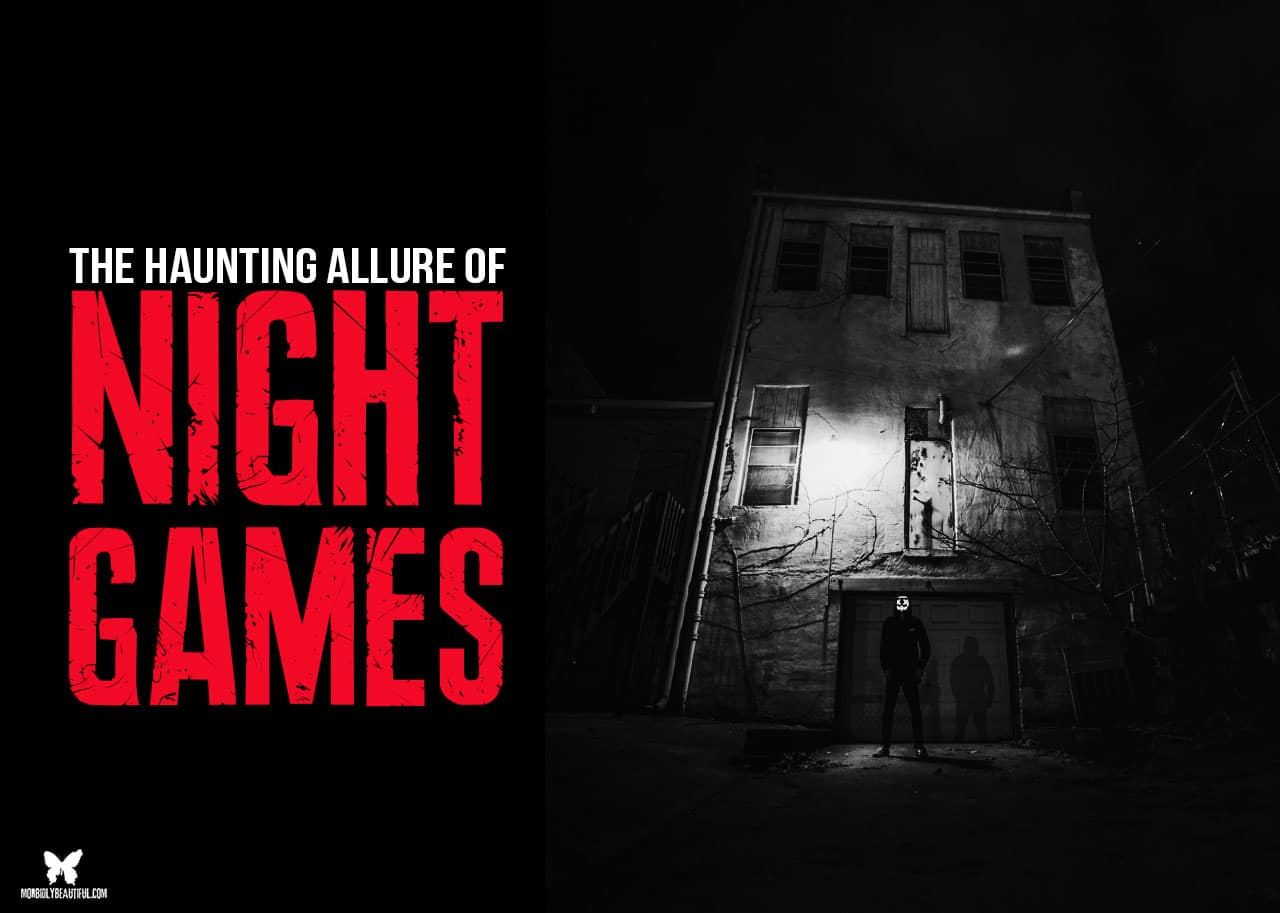
When night falls and reality slips into shadow, horror fans turn to digital nightmares—where interactive fear and high-tech terror thrill.
There’s something ancient and primal about the way nightfall changes the world. Shadows lengthen, silence deepens, and the imagination runs wild. Across cultures and centuries, the dark has always belonged to monsters—both the supernatural kind and the ones we conjure in our heads. But in the age of screens and simulations, our oldest fears are evolving. Now, they don’t just haunt the woods or the attic—they lurk in pixels, storylines, and code.
When the Screen Goes Dark: Fear in the Age of Interactivity

Unlike a film, which traps you behind the safety glass of the screen, horror games demand participation. They pull you in, force you to make decisions, and whisper awful possibilities in your ear with unsettling sound design and eerie ambient lighting. The stakes feel higher. The dread feels personal.
This is horror reimagined—an experience built not just to scare you, but to involve you. Whether you’re dodging death in a survival horror nightmare, solving cursed puzzles by candlelight, or wandering a glitchy dreamscape full of existential dread, the genre has found a deeply immersive new home in the digital realm.
A Sinister Spin: How Even Online Casinos Tap into Fear
You might not expect horror to creep into an online casino, but that’s exactly what Neospin Online Casino does… and it does it well. With a slick, shadowy design, unsettling audio cues, and macabre visuals, Neospin transforms what could be a straightforward gaming experience into something more immersive, more atmospheric, and just a little bit twisted. It’s part entertainment, part haunted house, part digital séance.
Horror themes aren’t confined to survival games or VR headsets anymore. They’re infiltrating all corners of interactive media, and players are loving every disturbing minute.
Digital Horror’s Greatest Hits: From Gothic to Glitchcore

The horror genre is wildly adaptable, and its presence in gaming is nothing short of thrilling. Here are just a few flavors horror fans can savor:
- Survival Horror: Outrun the monsters, or die trying. Think Silent Hill, Resident Evil, and indie gems like Darkwood.
- Mystery Horror: Solve the crime… or uncover something worse. Expect eerie atmospheres and puzzles that bleed into paranoia.
- Dark Fantasy: Magic and monsters meet in bleak, decaying worlds. Think Bloodborne or Dark Souls with an extra dose of dread.
- Creepy Puzzlers: Even something simple gets horrifying when paired with children’s music and something watching you in the dark.
Each of these subgenres delivers a different kind of fear—from slow-burning unease to blood-pounding panic.
Why We Crave Fear—and Why Games Feed That Craving So Well
Horror taps into our fight-or-flight instincts but without the real danger. That cocktail of adrenaline and relief is addictive. Games heighten this effect by placing us at the center of the story. We’re not just watching the door creak open. We’re the ones turning the knob.
Footsteps behind you. A shadow darting across the screen. Your own heartbeat pounding in your ears. Digital horror doesn’t just scare you; it tricks you into feeling like it’s real.
Night takes that feeling of fear and amplifies it. It’s not just a setting, it’s a co-conspirator. It lowers your defenses, shrouds everything in mystery, and primes you for fear. Horror games know this. That’s why they’re best played with the lights off and headphones on. The world outside quiets down, and what’s left is the creeping dread coming from your screen.
Tech Possession: When VR and AR Drag You Into the Dark

Virtual reality has taken horror immersion to obscene new levels. With a headset strapped on, there’s no safe distance between you and the scare. You can hear it breathing behind you. You can see the flicker of something that isn’t supposed to be there.
And then there’s augmented reality, where the monsters invade the real world. Using your phone, your own living room becomes a haunted maze. That corner of your bedroom? It might be home to a demon now.
What Makes Digital Horror So Effective?
Let’s break down the classic ingredients of a solid digital scare:
- Haunted environments (asylums, graveyards, ruined towns)
- Familiar monsters (ghosts, vampires, unnamed things)
- Audio dread (whispers, static, distant footsteps)
- Visceral visuals (blood, fog, flickering lights)
- Jump scares with teeth
- Stories about curses, doomed love, or ancient evil
Combined, these elements create an experience that feels handcrafted for your fear receptors.
Final Thoughts: Why Horror Will Always Rule the Night

Fear has evolved with us—from whispered folklore to neon-lit nightmares. As long as night falls, we’ll be drawn to the stories that make us afraid of it. And thanks to the endless creativity of horror developers and digital platforms like Neospin, that fear is more alive than ever.
So when darkness falls and sleep won’t come, grab your controller, boot up that cursed game, and see what the night has planned for you.
Just don’t forget to leave a light on. You know, just in case.






Follow Us!