


Cinematic witches have shapeshifted over time—balancing benevolence, persecution, and power in a world that still fears what it can’t control.
No time to read? Click the button below to listen to this post.

The image of witches has evolved over the years and across cultures, and has been portrayed in numerous TV series and films.
In the 1960s sitcom Bewitched, the image of the witch is presented in a non-threatening and non-dark way. In fact, Samantha, the protagonist, appears as a loving and dedicated woman who uses her powers to help others while trying to limit them in order to live a normal, more traditional life. The witch is represented in a light-hearted and comedic manner, as seen in Samantha’s forgetful aunt Clara, who brings laughter and comedy to the audience.
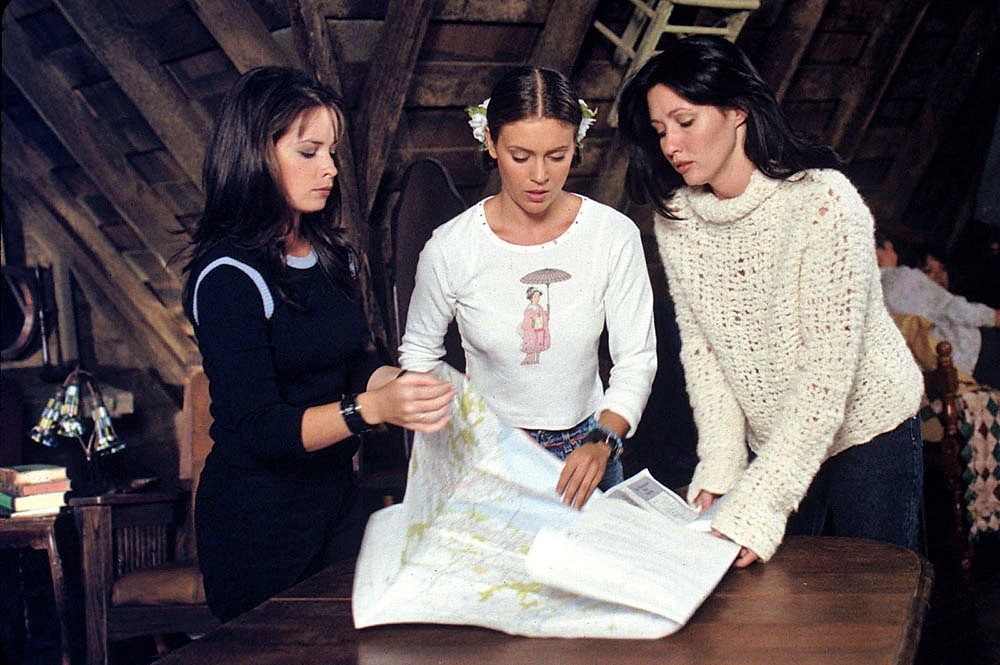
In more recent examples, such as Charmed, a fantasy drama aired in the 1990s, the three sister witches make it their life’s purpose to protect people from evil beings by using their magic. Their magical powers, such as telekinesis, time freezing, and premonition, are, in fact, not harmful but purposeful to one another.

Other iconic examples include the American sitcom Sabrina the Teenage Witch, where, once again, the main character, Sabrina Spellman, is a fun, humorous, and kind-hearted teenage witch who uses her powers with a sense of justice to do what is right. The series was later adapted into a children’s version known as Sabrina: The Animated Series.
Many other animated properties now belong to a young audience, like the heartwarming and sweet studio Ghibli classic Kiki’s Delivery Service, about a young witch who flies on her broom with her black cat to deliver goods; the 2D animated adaptation of W.I.T.C.H from an Italian comic book series; and Winx Club, well-known animated children’s series which was a beloved part of my childhood as well as to many others.
Somewhat less family-friendly but still a strong part of my childhood, and one of my favorite movies is the Laika animated Coraline, a creepy, imaginative stop-motion story in which a girl discovers a parallel dark world, called ‘Other World’, with an ‘Other Mother’, a witch-like figure.
However, witches have not always been represented on the big screen as good and benevolent.
From the 15th century until the 18th century, women were accused and hunted for witchcraft, and because of that, they were burned at the stake, the traditional punishment at that time in Europe, or hanged, a common sentence in Salem.
Witches were believed to be both men and women, but women were especially targeted because they were believed to be weaker, making them easier targets for the Devil to persuade and to make a pact with them.
These events and medieval beliefs inspired many filmmakers to create horror movies about witches.
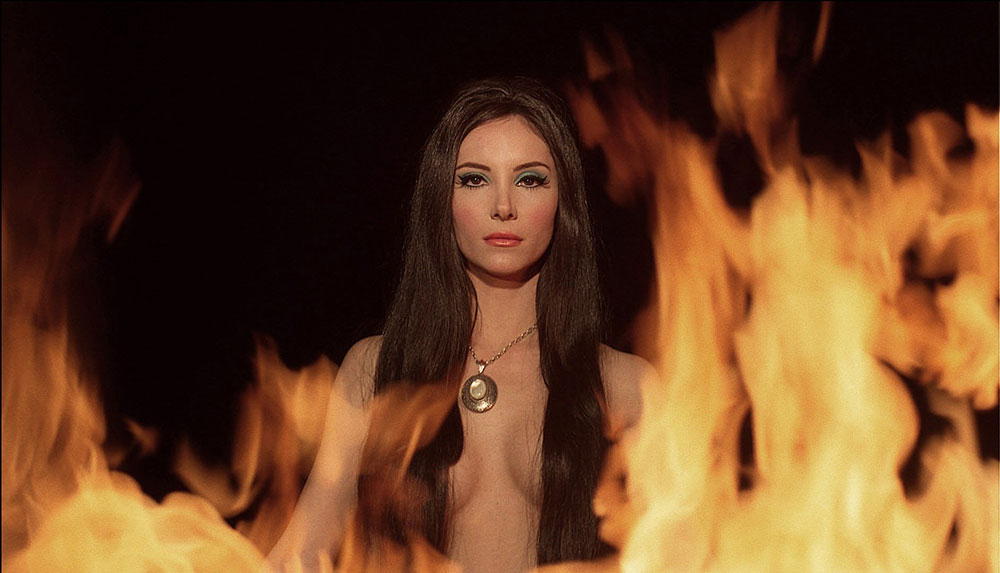
There are many popular examples—The Love Witch, Suspiria, The Witch, The Witches, The Blair Witch Project, to barely scratch the surface—where the female witch is a threat to others. She is powerful, dangerous, mysterious… even sometimes alluring.
She does not always have an ugly and monstrous appearance, as is traditionally associated with the witch archetype in media and pop culture. She can be young, beautiful, and seductive. She is often powerful and may even be a ghost whose thirst for vengeance transcends her death, often at the hands of those who feared her in life.
Some films refrain from portraying witches in such a black-and-white way.
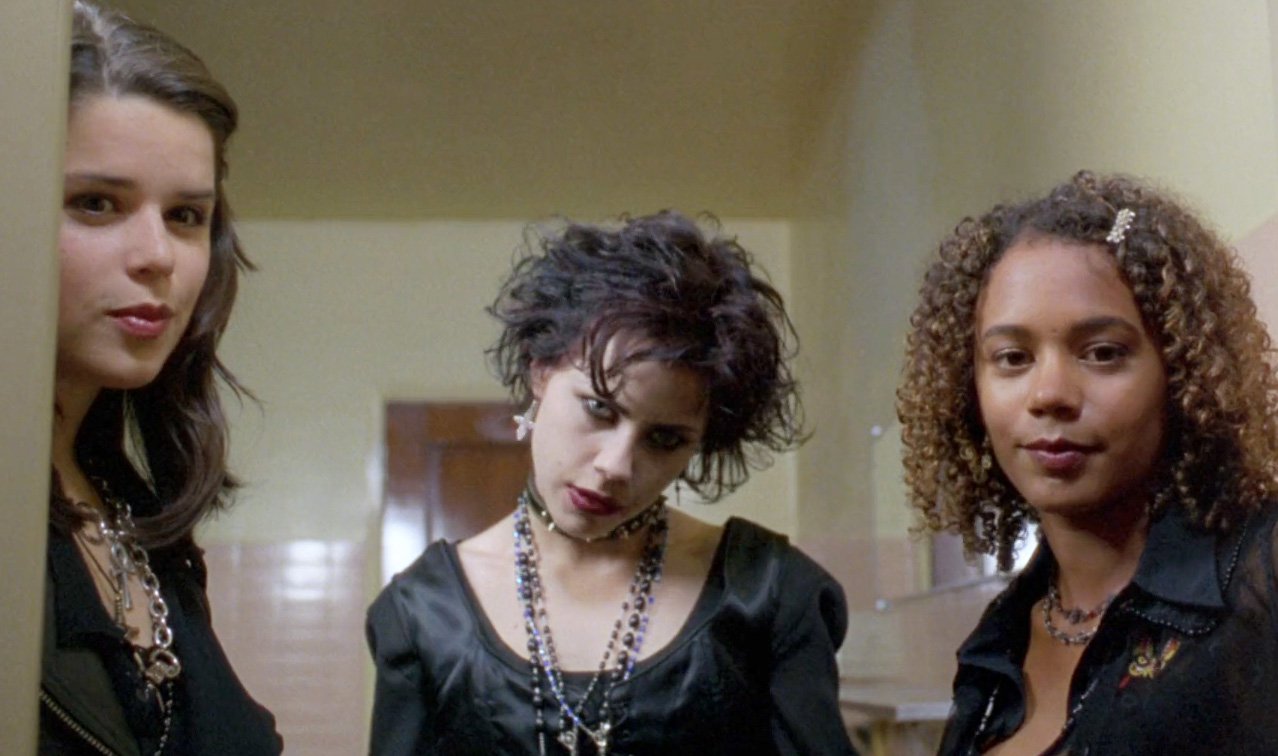
In films like Practical Magic and The Craft, witches are as flawed and complicated as any humans. They can be both good and bad, depending on how they choose to wield their magic. Their choices are often rooted in very human emotions—like fear, desire, and anger—rather than inherent evil.
Some, even if righteous, need to learn that the power of magic can have horrible and serious consequences and that they need to use it carefully and properly.
In conclusion, the figure of the witch has always been a controversial and complex one, with numerous associations ranging from fairy tales to evil spiritual practices and cultural opinions tied to themes of history, gender, feminism, power, and religion.
Whether in shadowed forests or modern screens, the figure of the witch continues to enchant. Her story changes with the times, but her mystery never fades.




Follow Us!