From Salem to the Silver Screen: Horror’s Warning About Ignoring Women



I recently had the enormous honor of writing a guest post for the prestigious not-for-profit organization The Alliance of Women Film Journalists, Inc. (AWFJ). The Alliance’s members are highly qualified professional female movie critics, reporters, and feature writers working in print, broadcast, and online media. Their purpose is to amplify the voices of women critics, provide a platform for expressing women’s perspectives on film, and support work by and about women.
For centuries, women’s voices have been dismissed, diminished, or discredited—particularly when they speak out about abuse, danger, or their own physical pain. Horror cinema, perhaps more than any other genre, has captured this cultural dismissal, turning the fear of not being believed into a recurring nightmare for women on screen.
These films don’t just haunt us with supernatural monsters; they expose a much more insidious evil—the systemic refusal to trust women.
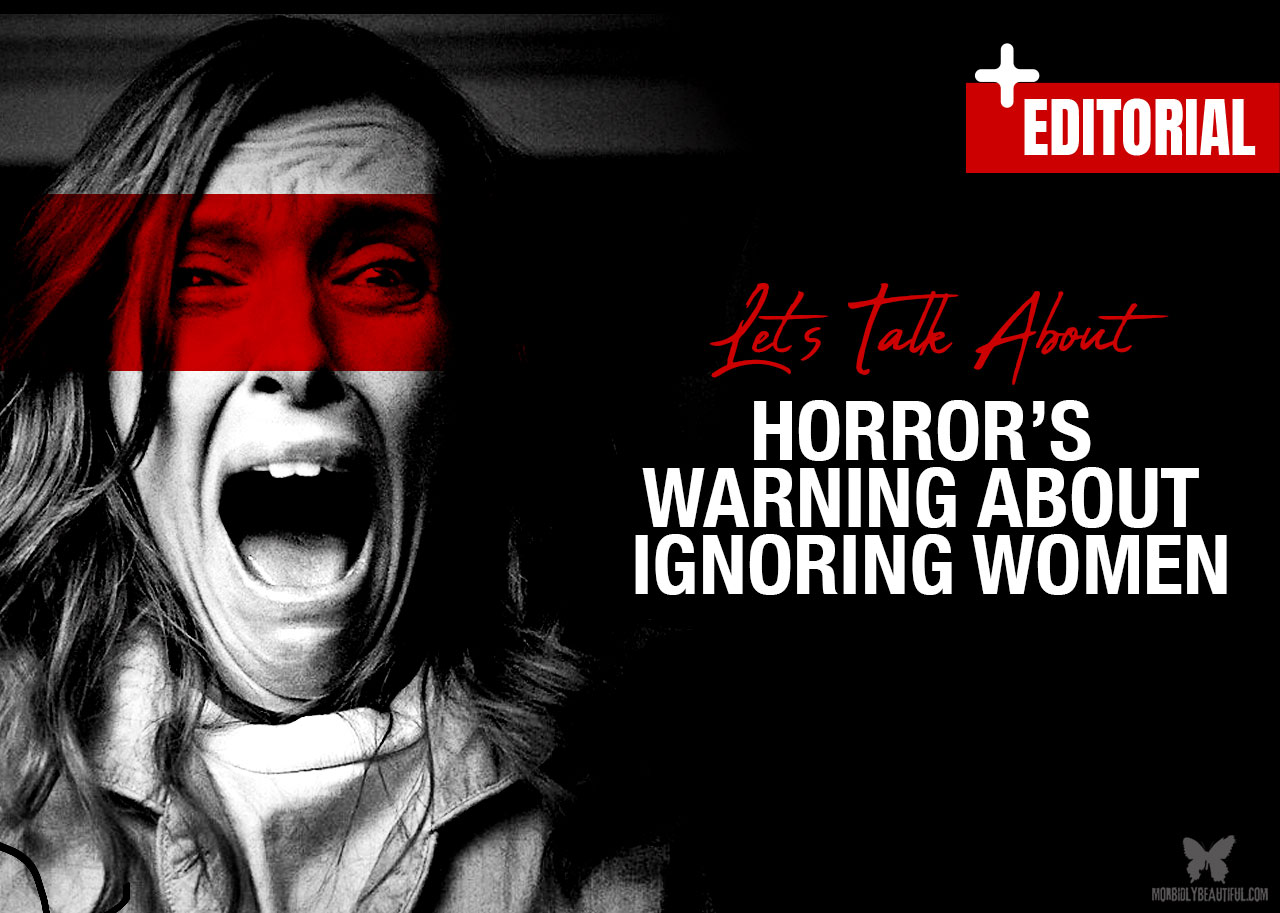
My essay spotlights ten essential films where disbelief in a woman’s voice escalates the terror, tracing this trope from classic psychological horror to modern feminist genre reinventions. Through these films, I explore the real-life historical and sociopolitical forces—from the witch trials to the #MeToo movement—that have shaped this cultural anxiety.

From Rosemary’s Baby to The Invisible Man, horror genre films have long warned us about the terrifying consequences of ignoring women’s voices. In horror films, the true terror often lies not just in the monster under the bed but in the human reactions to the threat posed by the monster. A chillingly common thread in many iconic horror movies is the refusal to believe women when they voice their fears, their suspicions, or their trauma.
This narrative mirrors a grim reality rooted in history: women have long struggled to have their experiences, especially those regarding mental health and abuse, taken seriously. The implications go beyond mere storytelling.
Statistics from organizations like the National Network to End Domestic Violence reveal that over 70% of domestic violence cases are never reported, often because survivors fear that they will not be believed or that they will face retribution.
Similarly, mental health studies have found that women are more likely to be misdiagnosed with anxiety or depression when presenting symptoms of physical illness or trauma. This cultural tendency to dismiss women’s experiences is both a historical injustice and a recurring theme in horror cinema.
Let’s dive into some unforgettable horror films where disbelief in a woman’s voice escalates the terror.
From historical witch hunts to modern-day courtrooms, the stakes are real. And in horror, as in life, ignoring the truth often comes at a deadly cost. Let’s take these stories as more than just entertainment—let’s take them as a warning.
You can read the full article on the AWFJ blog, The Female Gaze.

She’s a lover, he’s a fighter. Together, they’re CHEER AND LOATHING. Tune in to hear your hosts, Stephanie (Cheer) and Casey (Loathing), clash over the films they love — and the ones they love to hate.
In this holiday extravaganza episode of Guilty Pleasures, join hosts Stephanie, Kelly, and our newest addition, Jonathan (Jack was tied up in tinsel and couldn't join us), as they unwrap the bizarre and unhinged world of holiday cinema. They dive into the depths of Elves, a film that's as chaotic as it is entertaining. It's a sleigh full of questionable decisions, diabolical dialogue, absurd plot twists, wildly offensive antics, and unhinged holiday mischief.
And that's not all! In the second half of the podcast, join your festive cinephile friends for a look at four more ”nutty as a fruitcake” holiday treats: A New York Christmas Wedding, Elf Bowling, A Medea Christmas, and Jack Frost. Plus, we each offer a bonus Christmas flick guaranteed to make you say, ”Ho, Ho, HO-LY Hell!”
Expect laughter, disbelief, and a spirited debate about what truly makes a movie a guilty pleasure. Don't miss this festive journey through the weirdest corners of holiday films!

Follow Us!