
“The Home” begins as a quiet chiller but mutates into a brutal, conspiracy-laced shocker dripping with allegory, gore, and urgent relevance.
No time to read? Click the button below to listen to this post.

The Home was one hell of a surprise given how much the trailers withheld, offering little indication of the film’s deeper layers or compelling genre shift.
Though it begins like a standard ghostly horror flick, it soon evolves into a gripping psychological thriller that unearths horrifying and controversial conspiracies involving the abuse of power and mistreatment of the elderly. Eventually, it reveals itself to be one of the more culturally relevant and urgent social allegories in recent horror cinema.
We follow Max, a young and troubled individual who has endured his share of hardship, particularly growing up in the foster care system—an experience represented as both caring and complicated.
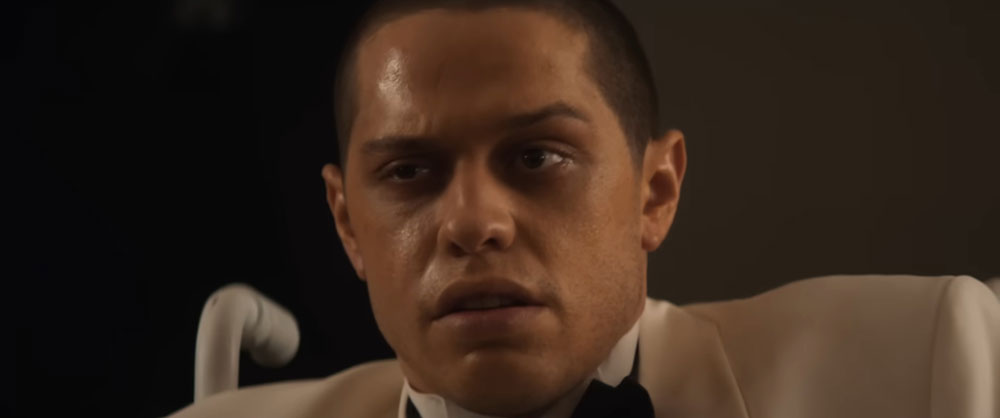
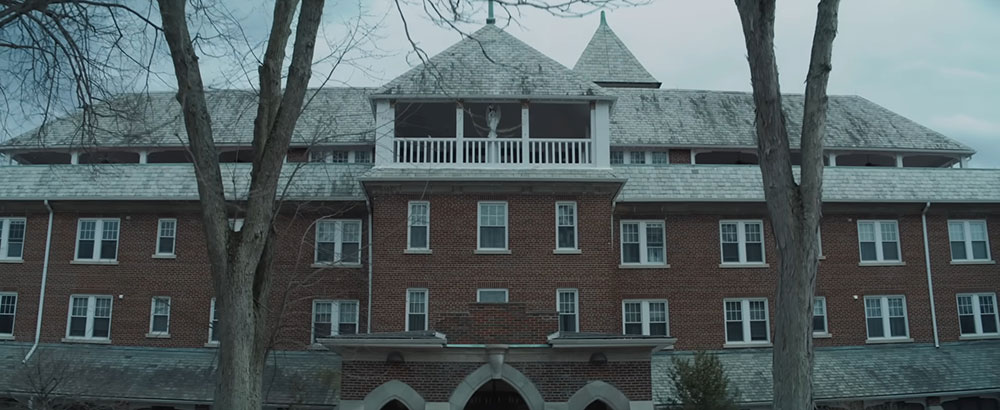
Now an adult, Max continues to struggle and finds himself at a crossroads: face jail time or accept an unusual offer to work as a live-in super at a retirement facility. He “chooses” the latter. Once there, Max begins to experience unsettling events, such as vivid night terrors, overly strict house rules, and increasingly bizarre behavior from the residents.
As curiosity compels him, Max starts to break the facility’s rules and digs deeper into its secrets, drawing the attention of those who would prefer him to stay silent.
Max befriends one of the elderly residents, a woman who takes a particular liking to him and tries to convey a subtle warning. Her attempt to help Max ultimately leads to her brutal and graphic demise. Max is then forced to endure the carefully curated entrapment, crafted by the people in power appointed to protect him.
As a horror enthusiast and scholar, it’s clear that The Home is drenched in powerful motifs and sharp allegory.
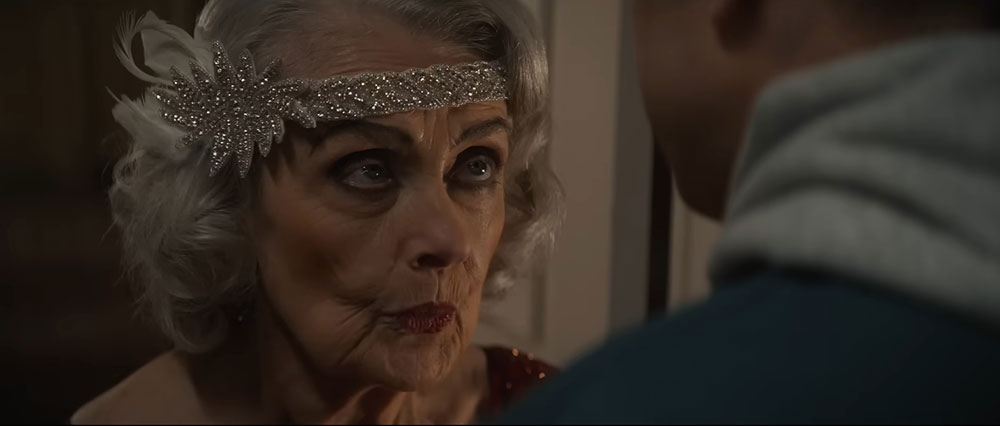
The film addresses urgent themes such as the abuse and neglect of the elderly, reflecting a society that has all but abandoned a fading generation.
We witness this neglect firsthand, as sick and vulnerable residents are left to live in squalor, receiving minimal care from the facility’s staff. Beneath the surface, the film suggests a chilling conspiracy disguised as a hoax: a government-led effort to experiment on the elderly, powered by a lack of empathy for those society deems no longer useful.
Max, the protagonist, becomes tangled in these conspiracies. He’s fed information—perhaps truth, perhaps manipulation—about systemic corruption targeting the elderly. The villains deliberately weaponize his trauma and paranoia, feeding his delusions to keep him fearful and yielding.
This narrative echoes real-world tactics of control: keeping the population subdued through fear and distortion makes them easier to manage.
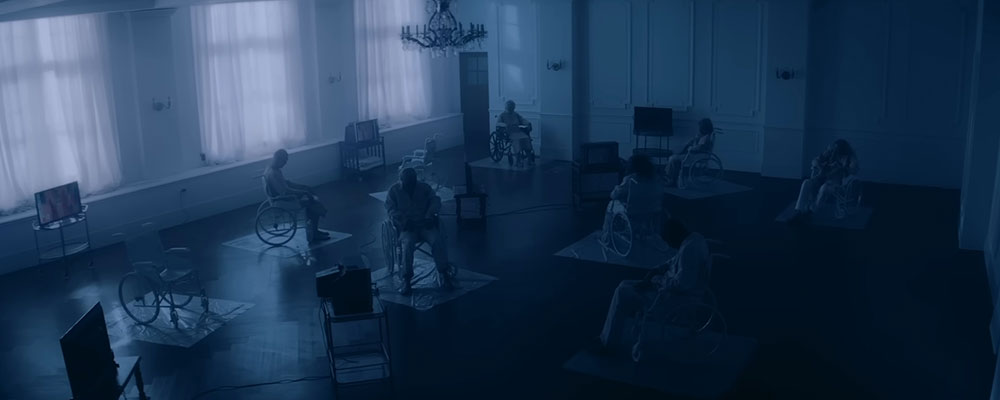
The film seems to ask, what is horror if not a reflection of our waking life?
Climate change and environmental collapse also feature prominently, positioning the film as a social allegory of impending ecological doom. But what’s even more unsettling is the film’s exploration of immortality through grotesque means.
A central conspiracy involves the extraction of human fluids—specifically from the eyes, “the windows to the soul”—as a means of extending life. It’s a direct nod to long-standing cultural anxieties and urban legends about “societal vampires” obsessed with eternal youth.
Is this film a confirmation of those fears, or another layer of fiction designed to provoke our collective discomfort?
The Home feels like a cinematic scream, challenging our blind trust in institutions and forcing us to examine just how far we’re willing to go in our pursuit of youth.
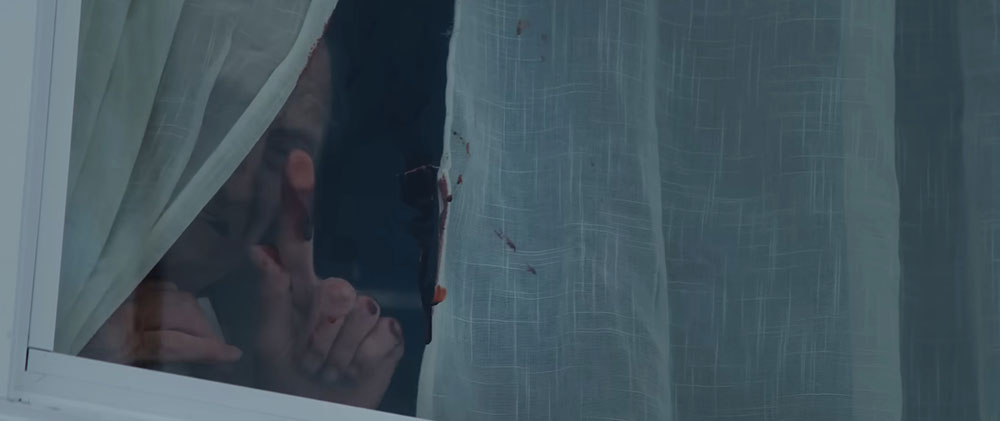
A particularly disturbing line about stealing the essence of youth may be one of the film’s most haunting. It summarizes the horror of exploitation and the obsessive preservation of vitality at any cost over the centuries.
The abuse of youth, particularly those from the foster care system, stresses how easily the vulnerable population can be preyed upon… and how systemic power often relies on invisibility.
The film also explores the duality of good and evil, of life and death, through Max’s encounters with the elderly. There’s even a ritualistic mythology supporting the story, involving a deity named DEA, which is the Roman goddess of youth. The name’s similarity to “Dea” (Latin for goddess) isn’t accidental. Combined with Templar symbolism, chalices, and whispers of the Holy Grail, the narrative pulls from folklore.
The chalice, akin to the vampiric-like extraction in the film, is a symbol of absorption, of taking life to sustain life. There are even subtle hints toward reptilian beings.
These otherworldly moments layer the film with both cosmic horror and conspiracy-fueled folklore, making The Home not just a horror movie, but more of a fever-dream reflection of our most collective fears.
It continues to present distinct visual cues reflecting the collapse of modern society, referencing technological overreach through Mobile Synergy and the looming threat of climate change. Max becomes the eye of the storm, both figuratively and literally, as the ritualistic extraction of ocular fluid from innocent victims takes center stage.
It strikes from a psychological thriller into a full-throttle hatchet-slasher in a matter of moments, concluding in a brutal and oddly satisfying massacre.
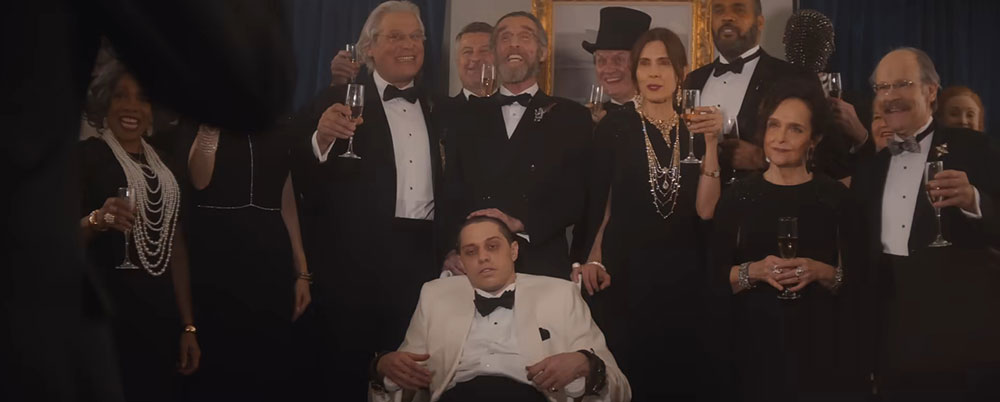
The shift is rapid and the payoff intense.
This is body horror at its primal stage. The camera lingers in extreme close-ups as instruments pierce delicate flesh, especially the eyes. It serves Hellraiser style with flayed bodies and gruesome beauty. A deliberate ode to the practical effects-driven horror of the 1980s.
The Home distorts the viewer’s sense of reality, modifying it into something vile and unrecognizable. The gore is genuinely surprising, pushing the film beyond expectations and into cult-favorite territory.
Though the script stumbles at times (like Max’s awkward one-liners that occasionally clash with the heavier material), the film is a successful piece of storytelling. A dynamic range of camera angles builds tension, while the haunting music fills each scene with dread.
The pacing is steady, and by the final act, the release feels both earned and explosive.
Films like The Home are brazenly pulling back the curtain on society’s deepest conspiracies, offering dark and satisfying fantasies about justice, retribution, and what we might do if we ever uncovered the truth. If you’re tired of recycled horror and craving something dangerous and defiant, this is it.
The Home is a must-watch this Summerween: unhinged, bloody, and brutally honest.








Follow Us!