


“Bambi: The Reckoning” transforms a childhood icon into a mutated killing machine in this bleak, bloody, and effective eco-horror.
No time to read? Click the button below to listen to this post.

Once upon a time, the stories we told children were not soft or sweet. They were cautionary tales soaked in blood, betrayal, and poetic justice.
Before Disney polished them into palatable (but still problematic) parables, fairy tales were nightmares dressed as nursery rhymes. Wolves ate grandmothers whole. Girls burned to death for disobedience. Parents abandoned their children to starve in the woods. Even Disney delighted in seeing young women have their childhoods ruined, their voices taken, and their sense of security obliterated.
Horror has always lived at the heart of the fairytale, lurking just beneath the impossible promise of happily ever after. In that sense, the recent wave of public-domain horror adaptations feels like a dark homecoming.
Bambi: The Reckoning, the fourth and fiercest entry in the so-called Twisted Childhood Universe (TCU), joins Winnie-the-Pooh: Blood and Honey and Peter Pan’s Neverland Nightmare in resurrecting the icons of our collective youth before tearing them limb from limb.
But Bambi: The Reckoning takes itself deadly serious, trading camp for carnage and satire for sorrow.
Writer Rhys Warrington and director Dan Allen lean hard into eco-horror and generational trauma, warping the innocent fawn of Felix Salten’s original novel (and Disney’s emotional gut-punch adaptation) into a bloodthirsty force of nature with jagged antlers and a bone to pick.
The film opens with a delightfully grim, low-tech animated prologue that replays the original trauma: Bambi’s mother dies. But that’s not enough. This retelling amplifies the agony. A childhood taken, immeasurable grief, and a drink from a poisoned spring.
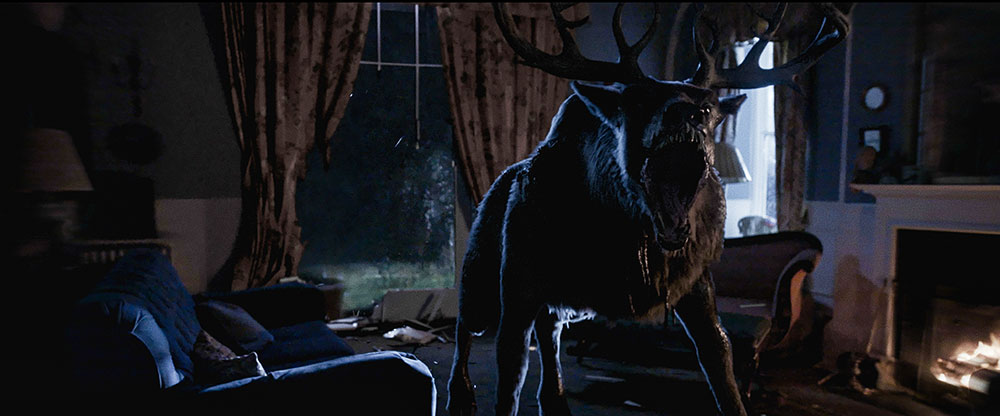
What emerges from the tainted waters is a monstrous, mutated Bambi, an antlered god of wrath.

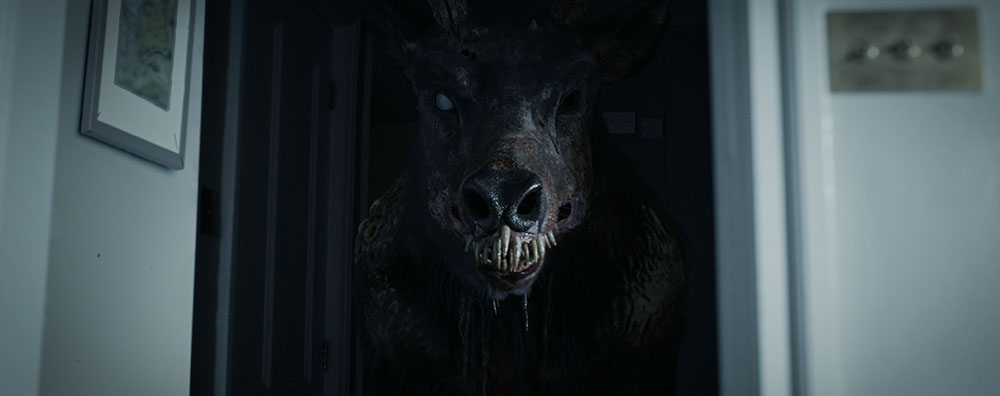
The CGI is surprisingly effective, particularly when shrouded in darkness. Sure, it’s derivative. But it’s the good kind of derivative, pulling from the right places and building something viciously fun from the bones.
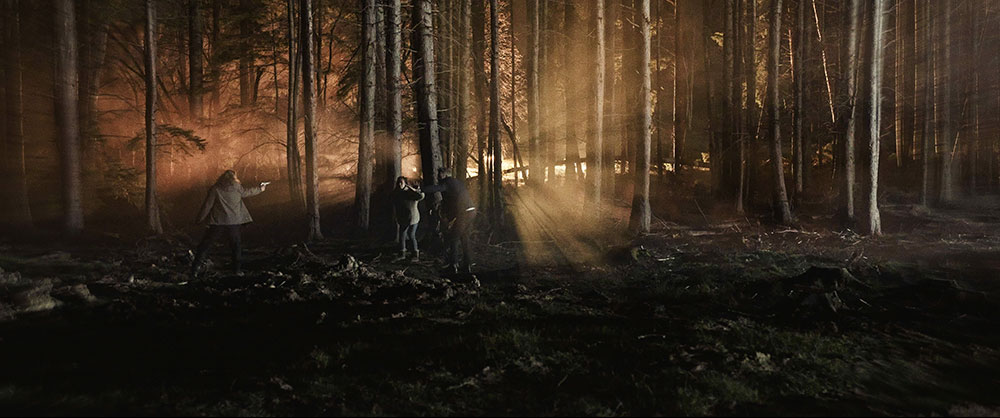
At the center of the human drama are Xana (Roxanne McKee) and her son Benji (Tom Mulheron), who become accidental trespassers in Bambi’s newly established kill zone after a car crash leaves them stranded in the woods. The film wisely reframes the original story’s emotional core through the lens of a found family facing both human and animal threats.
Xana’s estranged husband, Simon (Alex Cooke), is a deadbeat dad who vanishes conveniently, setting the stage for Xana and Benji to form a new kind of familial resilience. Add to the mix a cabin full of extended relatives (aka future corpses), an enigmatic grandma who obsessively sketches Bambi like a cryptid, and a team of armed mercenaries hired by an evil corporate entity to clean up their toxic mess, and you’ve got a strong slasher setup with just enough stakes to keep the gore grounded.
There’s a righteous fury behind the kills in BAMBI that elevates it above mere nostalgia abuse.
This isn’t just a creature feature, though the creature is certainly a standout. It’s a revenge fable in the truest folkloric tradition.
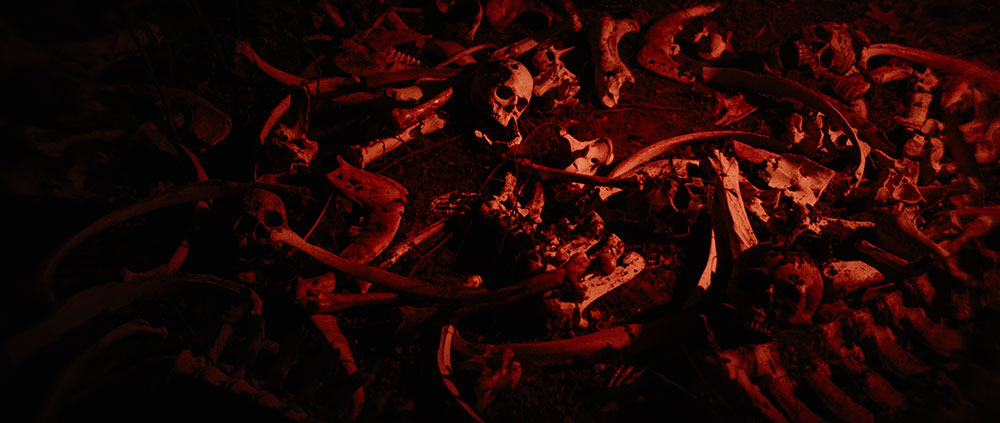
Every impalement, disembowelment, and decapitation is a brutal punctuation mark on humanity’s careless disregard for the natural world.
It’s not a comedy, but there are moments of humor and scenes that will make you giggle and/or hoop and holler.
One particular slow-motion evisceration early on is pretty fantastic. And seeing a sh*tty teen land face-first in a literal pile of sh*t is deliciously demented.
The Thumper scene is a particular highlight. Without giving too much away, let’s just say the Monty Python crew might nod in bloody approval. It’s a brilliant warning to people who abuse animals: a reckoning is coming, and we’re all going to stand up and cheer for it.
While some of the film edges into melodrama, and a few characters exist purely to be slaughtered, the storytelling remains relatively sharp.
The pacing is lean, the kills are frequent, and the horror doesn’t wait until the final act to make its presence known. Blood flows early and often.
Bambi: The Reckoning gets points for injecting a bit of heart into this twisted tale. Bambi’s rage is provoked by the horror humanity commits against nature. Eco-horror fans who love seeing Mother Nature wreak havoc on those who have mercilessly wreaked havoc on her will appreciate the film’s subtext.
However, it is at its strongest when bad guys are dispatched in brutal and gruesome ways. Whether or not you appreciate your horror films trying to be “about” something, you can enjoy the relentless action and nonstop bloodbath.
This isn’t a joyful watch; it’s grim, mean-spirited, and soaked in tragedy.
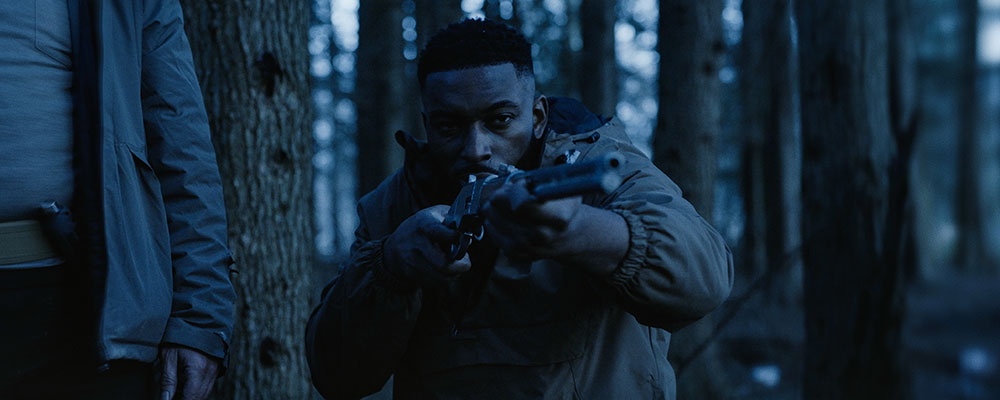
Horror is meant to confront, not comfort. And Bambi: The Reckoning does exactly that, delivering a merciless tale of grief, rage, and retribution that packs a punch. It’s not hopeful. It’s a nasty affair. For many, that will make it all the more meaty. Others will walk away with a bad taste in their mouth. You should know which camp you fall into before you see the film.
The digital deer is surprisingly scary, resulting in a fun summer creature feature. When nature gets revenge, it’s not cute and cuddly. It’s savage… and oh so satisfying.
If you’re hoping for a silly, memeable watch like Blood and Honey, you may find yourself wishing for more irony. But if you like your horror bleak and blood-soaked, this may be the twisted fairy tale you’ve been waiting for.
This grizzly homage to the cartoon trauma of Bambi’s past should satisfy those who want to enjoy a bloody-fun bastardization of their youth and an exploitation of their childhood traumas.
Overall Rating (Out of 5 Butterflies): 3





Follow Us!