


In “The G”, powerhouse Dale Dickey unleashes fury in a harrowing revenge tale that exposes the real-world horrors of elder exploitation.

No time to read? Click the button below to listen to this post.

In the icy quiet of winter, where breath turns to smoke and time slows to a crawl, Karl R. Hearne stages a story about survival at the edge of life. Hearne’s potent dark thriller puts a long-overlooked demographic at the center of its fury.
The G is less about the violence we expect and more about the violence we ignore: the institutional theft of dignity, the systemic erasure of worth, and the terrifying ease with which society discards its elders.
Anchored by a searing, career-defining turn from brilliant character actor Dale Dickey, The G is as much a meditation on ageism and institutional corruption as it is a brutal tale of righteous vengeance.
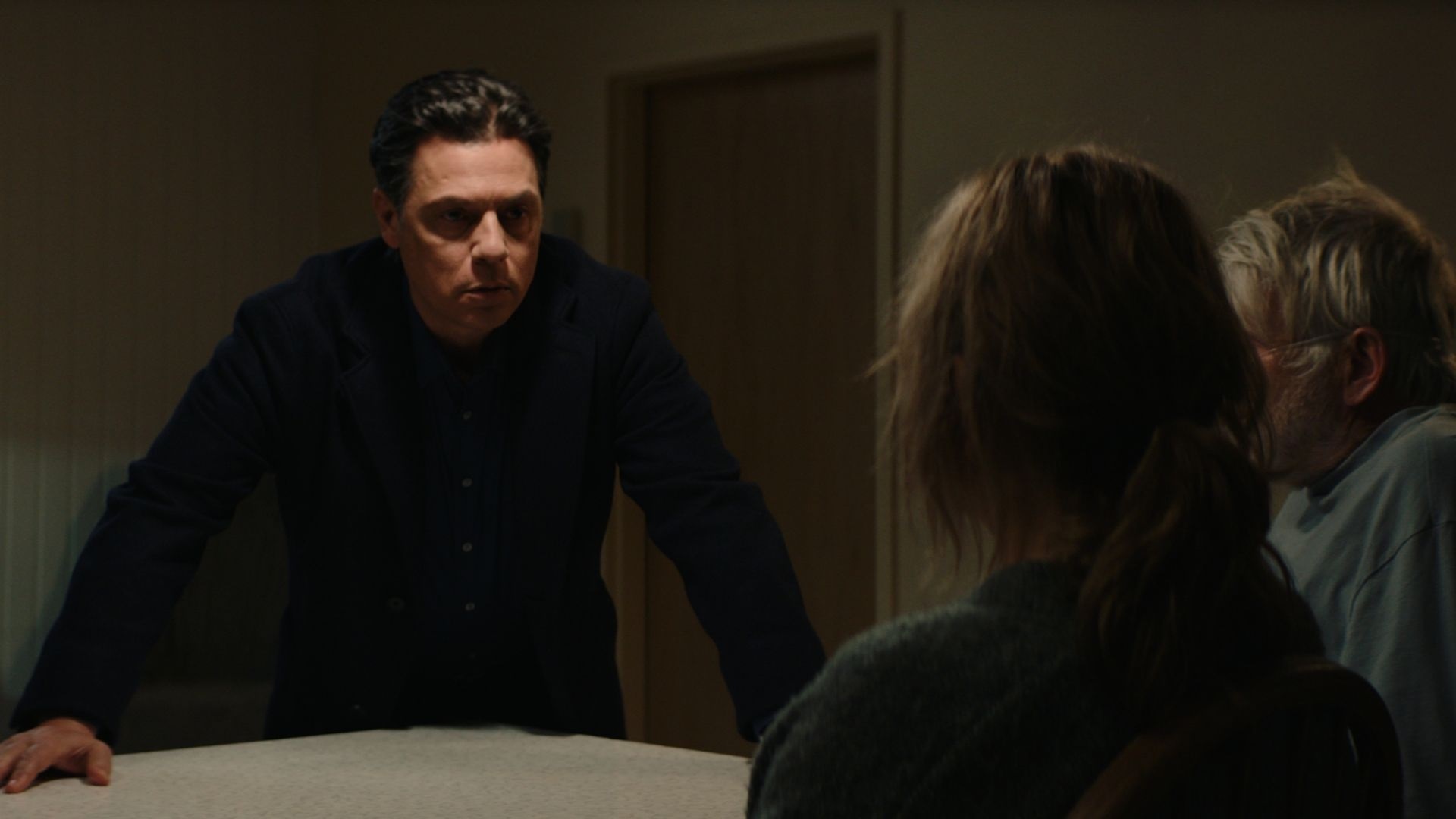
The film follows Ann “The G” Hunter (Dickey), a 76-year-old woman caring for her ailing husband, Chip (Greg Ellwand). Life is bleak but functional, with Ann’s resilience fortified by her fiercely loyal granddaughter Emma (Romane Denis).
That stability is shattered when a corrupt businessman named Rivera (Bruce Ramsay) orchestrates a fraudulent medical report, gets himself appointed as the couple’s legal guardian, and systematically strips Ann and Chip of their autonomy, while robbing them of everything they own.
They’re forced into a sinister eldercare facility, an institution more about commodification than compassion. Their new home becomes a prison, where they are locked up and denied contact with the outside world for at least a month.
The horror here is terrifyingly mundane.
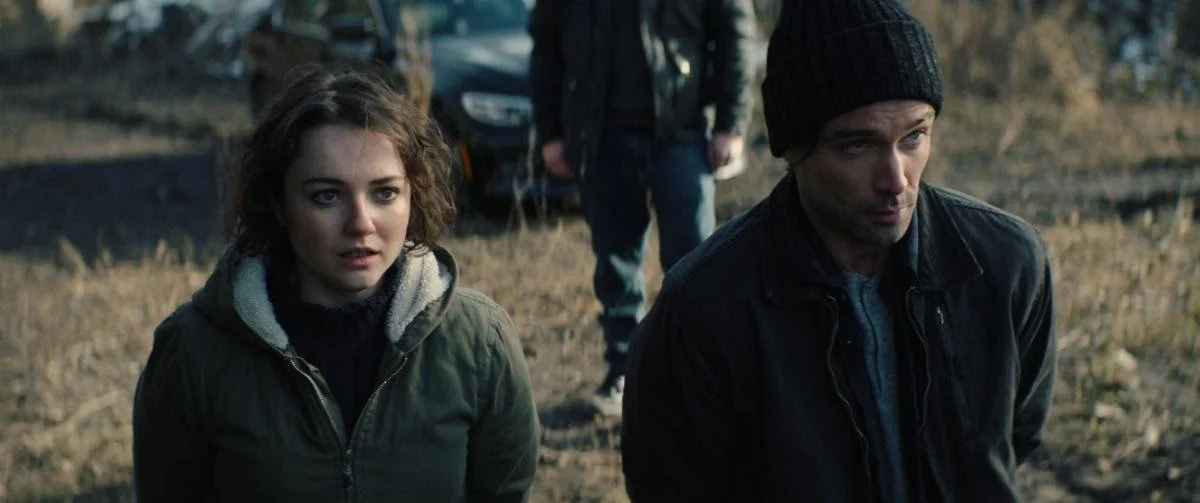
It’s about the predatory guardianship system, where elders are warehoused, robbed of their dignity, and left to rot while corrupt profiteers grow fat off their assets. Hearne laces the narrative with an unflinching awareness of just how close to reality this thriller really is.
The weight of the film rests on the capable shoulders of Dickey, best known for memorable supporting turns in Winter’s Bone and Breaking Bad. Here, she finally takes the spotlight, and she doesn’t waste a single second.
As Ann, she’s gruff, uncompromising, and terrifying when crossed, but there’s a tender humanity simmering beneath the grit. Every cigarette drag, every venom-laced stare, feels lived in.
It’s a performance that revels in contradiction: a weary caretaker, a violent survivor, a woman who loves but has been hardened by decades of disappointment. Watching her reclaim her agency by weaponizing her rage is exhilarating and devastating in equal measure.
Visually, The G is steeped in noir aesthetics.
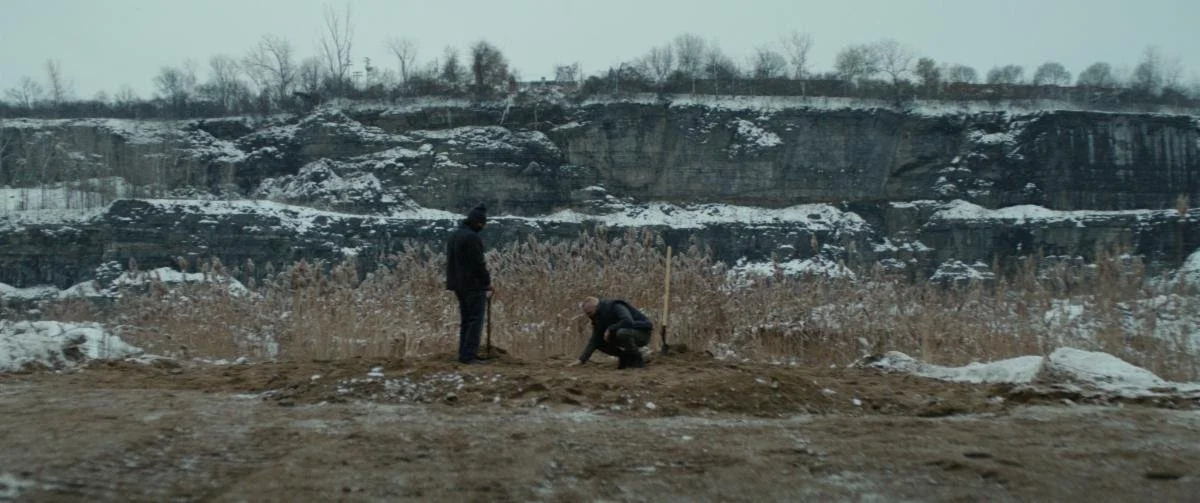
The chill of the betrayal is reinforced by the icy palettes, stark interiors, and a harsh winter landscape where every breath feels like smoke. Meanwhile, the score effectively emphasizes the tension between sentiment and savagery.
Hearne avoids cheap genre thrills in favor of brooding dread.
The pacing may test some viewers. This isn’t a “guns-blazing” revenge flick. Instead, the film’s measured rhythm allows its characters and stakes to breathe. The quiet moments, such as Ann’s fragile bond with a timid fellow resident (Roc Lafortune), lend emotional weight to the brutality.
What sets THE G apart is its refusal to exploit its subject matter.
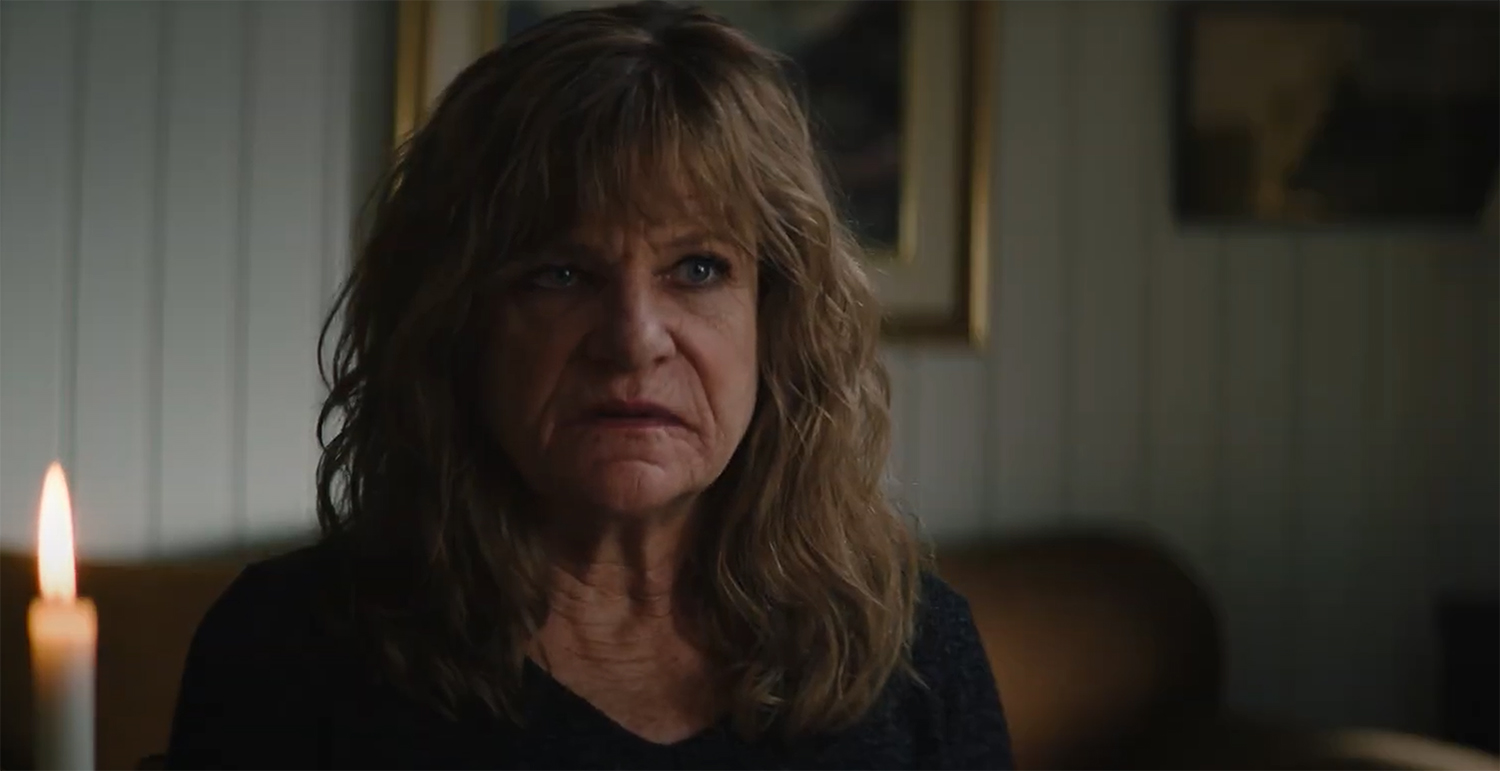
While it borrows from the structure of grindhouse revenge films, it never trivializes its elderly heroine or the very real abuses it depicts. Instead, it exposes a system that dehumanizes the vulnerable, turning their twilight years into a marketplace. Profits over people. Over and over again.
That blend of righteous anger and empathetic storytelling makes The G both necessary and cathartic. It sheds light on a frequently overlooked horror that lurks in plain sight. The G is a brutal reminder that monsters don’t just haunt our nightmares; they sit in boardrooms and courtrooms, cloaked in authority. They wear the faces of those entrusted with our safety and care, draped in the language of compassion while quietly gutting lives for profit.
In the end, The G is a powerful lament for all who have been discarded and a hymn for those who refuse to go quietly.












Follow Us!