

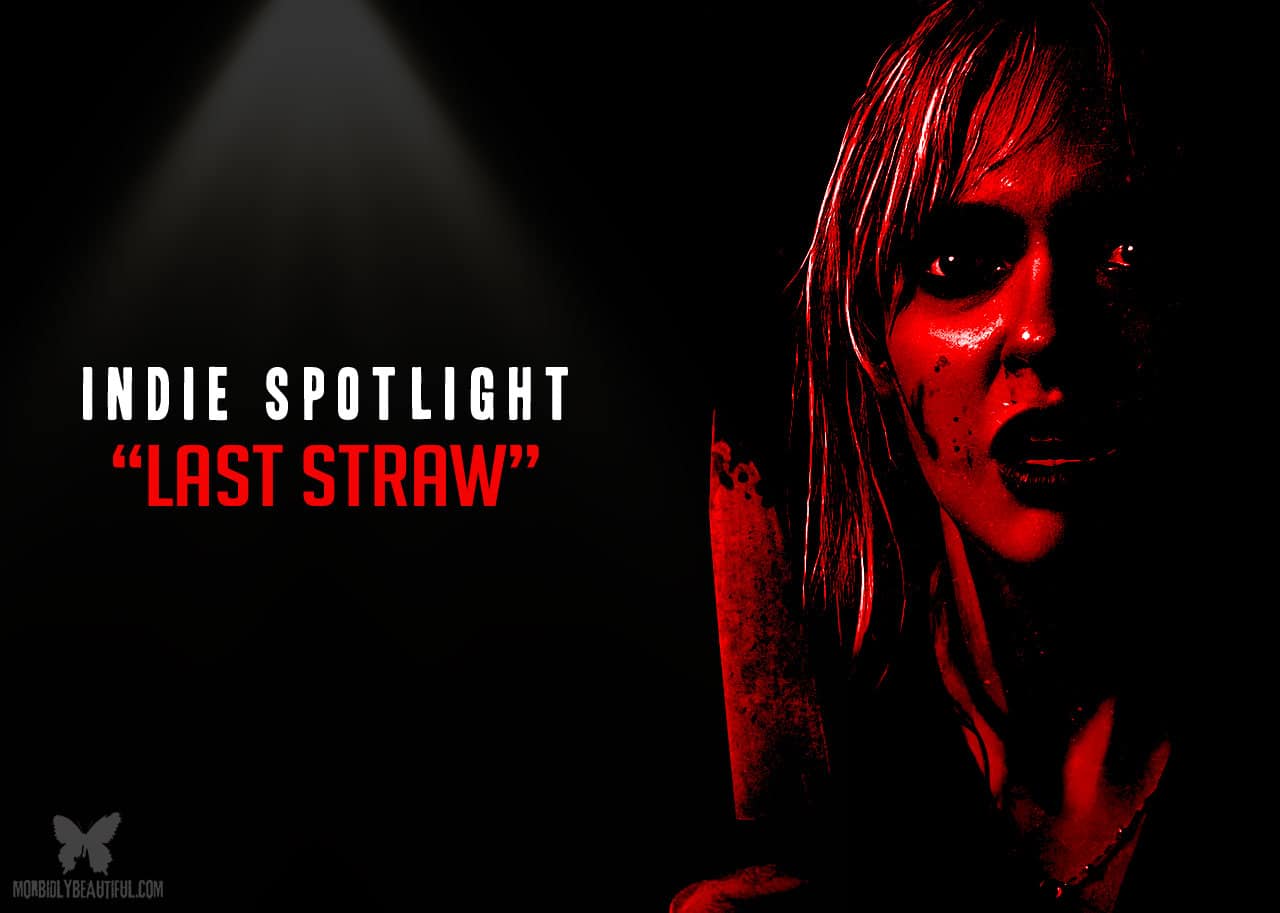
“Last Straw” is a tense and taught, well-crafted thriller that subverts expectations and challenges your perspective in intriguing ways.
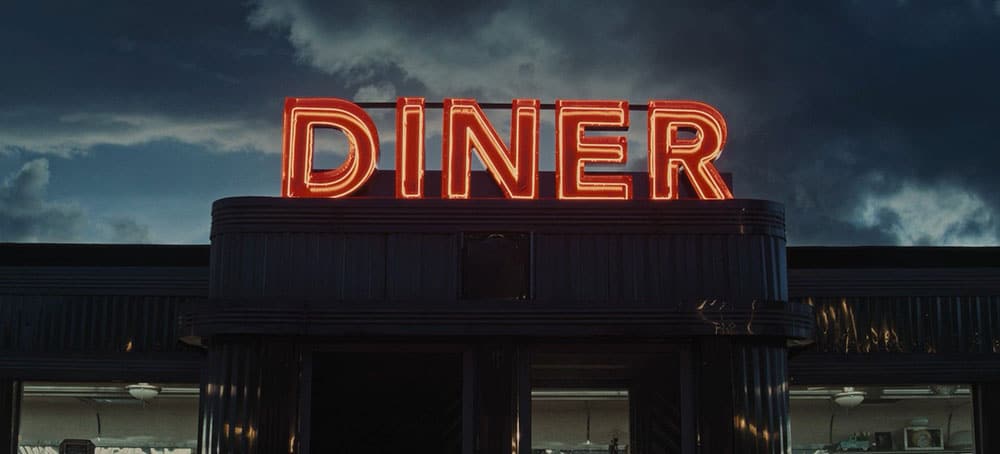
Last Straw begins in media res, immediately setting an ominous tone as we find ourselves thrown into the middle of the horror—witnessing the bloody aftermath of a night we’ve yet to experience.
A panicked 911 call alerts us to the precarious fate of a young woman named Nancy, who has been brutally attacked while working the late-night shift at the Fat Bottom Diner. We then rewind to discover how we arrived at this tragic turn of events.
Immediately, it’s clear that Nancy (Jessica Belkin) isn’t your typical horror film protagonist.
She’s not angelic, virginal, or fragile. She’s not a traditional “good girl” or the kind of wide-eyed heroine that makes men want to swoop in on a white horse to save her. She’s tough, world-weary at the tender age of twenty, and a take-no-bullshit kind of baddie whose survival instincts cause her to hurt others before they can hurt her.
Many will call her unlikeable. In fact, I’ve read plenty of audience reviews attributing the film’s perceived failures to a poorly crafted lead character who is impossible to root for. Translation: “She’s not soft and sweet, so how can I care what happens to her?”
I love that Taylor Sardoni writes her as a messy and complicated character, full of bitterness and frustration that leads her to make bad choices and alienate people who care about her.
Nancy is scared and feels like a trapped animal long before she finds herself literally alone in the family-owned diner.
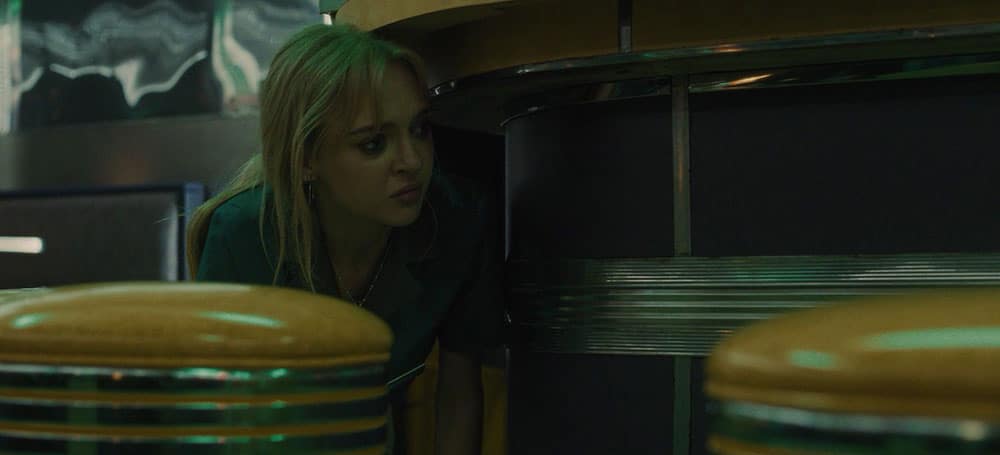
She feels under siege long before she comes under literal attack by a gang of violent teenagers hellbent on tormenting her.
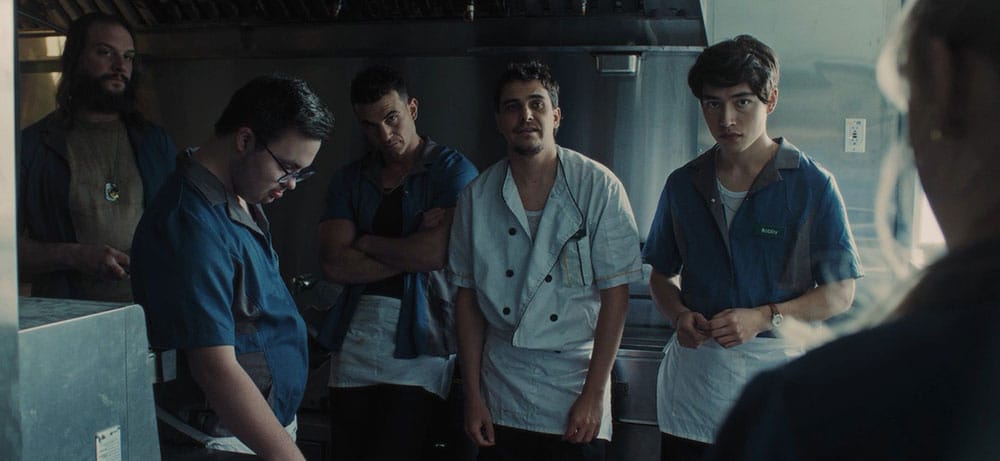
She’s stuck in a small town, dreaming of something more but seeing no real way out. She mourns the death of her mother. She’s forced to work at the diner her dad owns, resented by the all-male staff for her recent promotion to manager and her perceived nepo-baby status.
To make matters worse, she just found out she’s pregnant.
The tough-talking, fiercely independent Nancy is the kind of girl some men love to hate, and the type of misogynistic rage she inspires is entirely the film’s point, central to its core premise.
After a particularly tough day—including a rattling run-in with some nasty young male customers and a heated confrontation with an antagonistic employee, Jake (Taylor Kowalski), who Nancy is forced to fire—she finds herself working the graveyard shift alone at an empty diner while her dad (Jeremy Sisto) goes out on a date.
We already know where this is headed, and it’s unsurprising when the masked hoodlums from earlier in the film seem to return to terrorize the young woman.
Last Straw is difficult to discuss too much without revealing its intriguing surprises, but it cleverly plays into your expectations before fully subverting them.
At about the halfway mark—just when you’re prepared to lean into a brutal fight for survival and wondering how the hell debut director Alan Scott Neal plans to maintain the tension and intrigue for the remaining runtime—we unexpectedly change course and get an extended flashback.
During this time, we shift our perspective, moving away from the horrified heroine to see the world through the eyes of her perpetrators. We learn who is behind those chilling masks and exactly how and why they landed on Nancy’s diner doorstep this fateful night.
Throughout the film, Nancy is the only woman onscreen, save for her best friend, Tabitha (Tara Raani), who makes a brief appearance.
She’s surrounded by men. A couple of them care for her, like her father and fellow waiter, Bobby (Joji Otani-Hansen). Most of them, however, actively scorn or disregard her. No one seems to get her, and she never feels truly safe and protected. Even those who crave her attention are difficult to trust.
It’s clear that her caustic language and often off-putting demeanor are defense mechanisms designed to keep her safe. Ironically and tragically, her lack of deference to the men around her jeopardizes her life.
The midway perspective shift won’t work for everyone; it diffuses the tension and reframes the narrative.
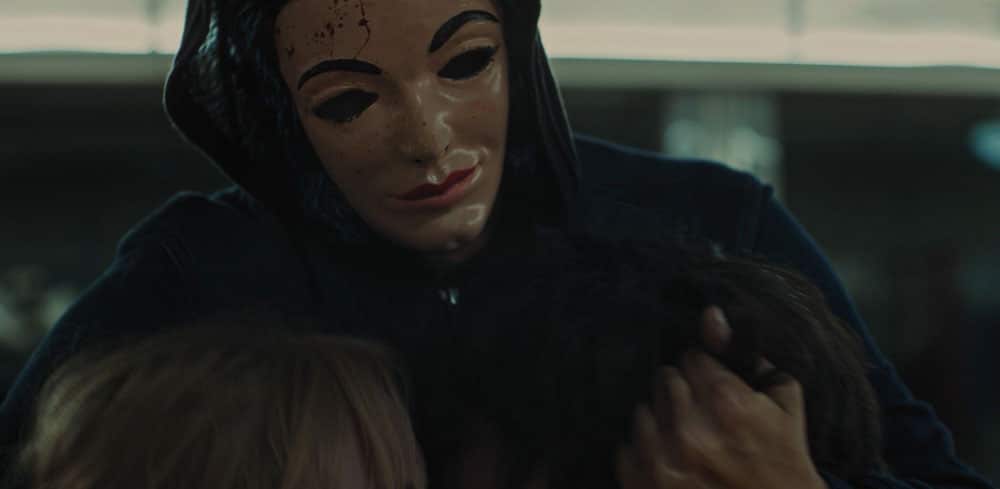
I found it refreshingly unexpected, adding pathos to the horror and making the attack more meaningful.
While it does slow things down in a way that might be frustrating for some, especially given how chilling the pre-flashback scenes are, that momentum is quickly picked back up once the flashback is over and we return to the present-time terror.
The final confrontation is intense, and Alan Scott Neal gives us plenty of visceral meat to chew on as the consequences of the clash escalate.
Technically, the film shines, maximizing its limited resources and refusing to waste a moment of its lean runtime.
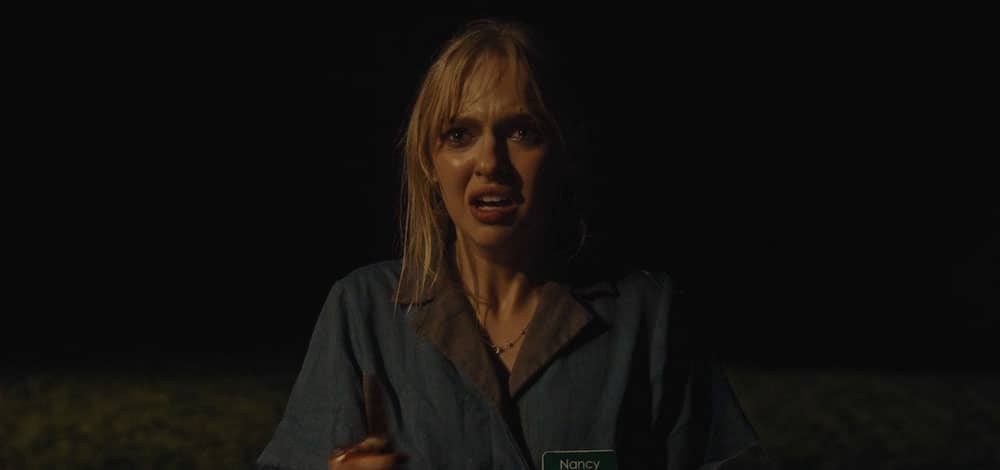
It’s gorgeously shot with a striking minimalist score that wrings out every last drop of glorious tension.
Nancy is a complex and compelling final girl, and Belkin is extraordinary. She effortlessly commands the screen and effectively conveys a wide range of emotions, exuding vulnerability and strength, fear and ferocity.
It’s not flawless, and the ending may leave many viewers wanting and bewildered by character decisions. Yet, it manages to subvert expectations in the overwrought home invasion horror subgenre and deliver something original and engaging.
It’s also a potent exploration of toxic masculinity that challenges how we view women who fail to fit the “fragile feminine” and stereotypical victim stereotypes.
Judging from many unfortunate fan reactions to the film on Reddit forums, Last Straw’s unflinching themes are undeniably relevant and important.
Overall Rating (Out of 5 Butterflies): 3.5








Follow Us!