For Your Consideration: Best Score (2023-24 Horror)


The 2024 Fangoria Chainsaw Awards are just around the corner, and our writers have been celebrating the many outstanding nominees and sharing our picks and recommendations in various categories. We’re concluding our series by looking at one of our favorite categories: Best Score.
Music in film, particularly in the horror genre, plays a crucial role in shaping the audience’s experience. A well-crafted score can heighten tension, evoke fear, and create an atmosphere that lingers long after the credits roll. The right musical cues can transform a mundane scene into a heart-pounding moment, illustrating how integral sound is to storytelling in horror.
Here are the nominees for the “Best Score” category at the 2024 Fangoria Chainsaw Awards:
As fans prepare to cast their votes, it’s clear that music remains an essential element in the horror genre, capable of stirring emotions and crafting unforgettable cinematic experiences. Let’s dive into this sumptuous sonic wonderland!
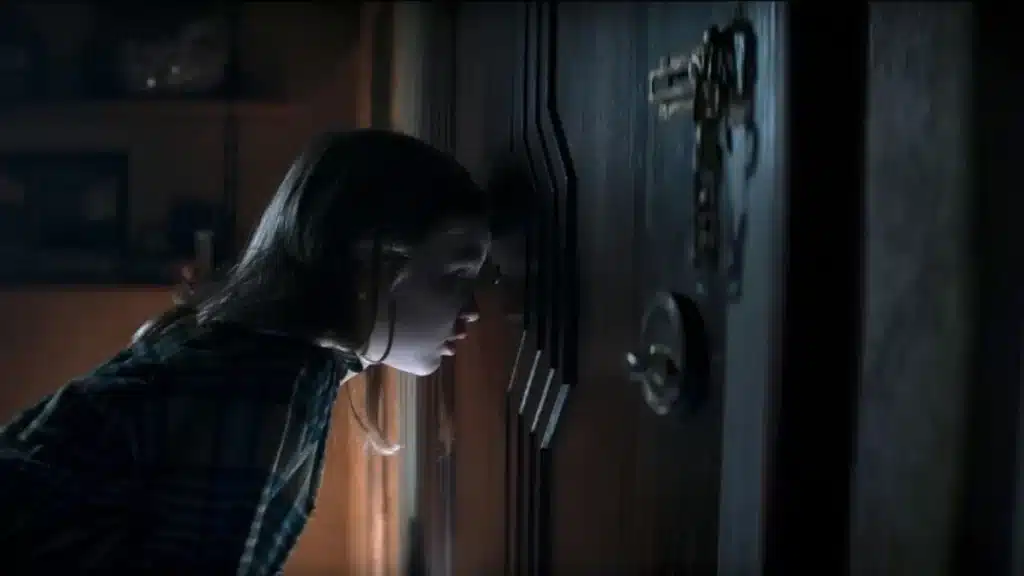
Stephen McKeon’s score for Evil Dead Rise is a masterclass in horror soundscaping, seamlessly blending traditional orchestral elements with innovative sound design to create a truly immersive and unsettling auditory journey.
From the outset, McKeon’s score sets itself apart by embracing the film’s urban setting and familial themes while still paying homage to the franchise’s roots. The composer’s approach is both confrontational and emotionally resonant, crafting a soundscape that not only amplifies the on-screen horrors but also delves deep into the psychological trauma experienced by the characters.
One of the most striking aspects of McKeon’s work is his innovative use of unconventional sound sources. The composer went to extraordinary lengths to create unique textures, including dragging carving knives along piano strings and recording the sounds of instruments being “tortured, broken and slowly dismembered”. These disturbing audio elements were then manipulated and incorporated into the score, resulting in a signature sound that McKeon aptly dubbed “the meat grinder”.
The score also features haunting vocal elements, with McKeon recording female vocalists performing “taunting” sounds and vocal effects to represent an unseen, malevolent presence delighting in the characters’ suffering. This adds an extra layer of psychological horror to the already intense auditory experience.
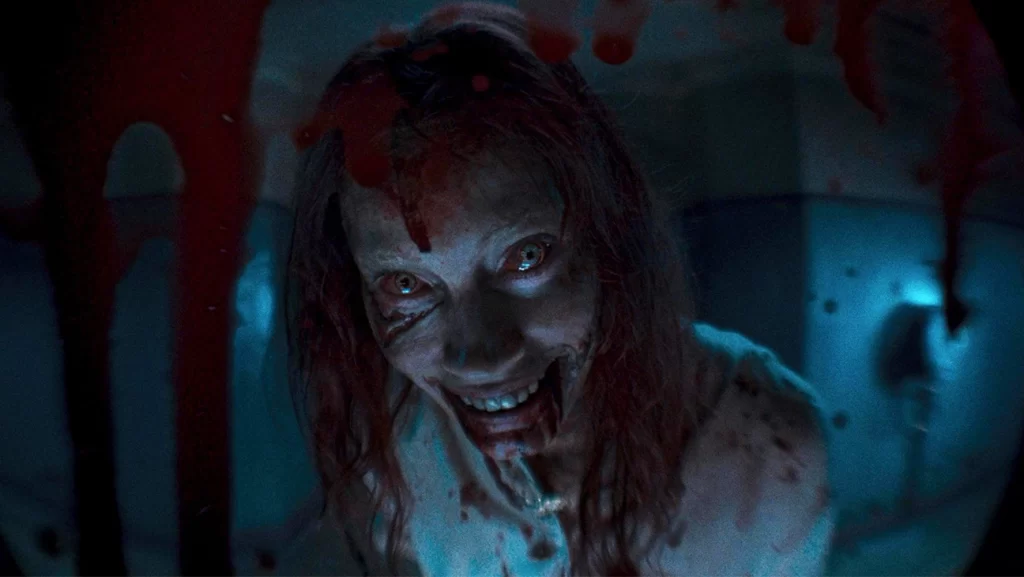
One of the pleasant surprises in the Evil Dead 2013 remake was the thematic change to the original’s seriousness and grueling horror. That return to visceral horror worked, in large part due to the music. It held a shard of broken glass to your neck from beginning to end. In Evil Dead Rise, a cheese grater is held to your neck.
There are a lot of cattle prod shocks both in the movie and in the music, so play it loud.
Jump scare stingers can be fun to listen to if they’re listened to without the distraction of the movie. The violent, witchy cacophony slides through the air and penetrates, promising possession and victimization. Certain sections in the first half of the album reminded me very much of Mussorgsky.
During the track Incantation, you can hear the recitation of the sacred passages.
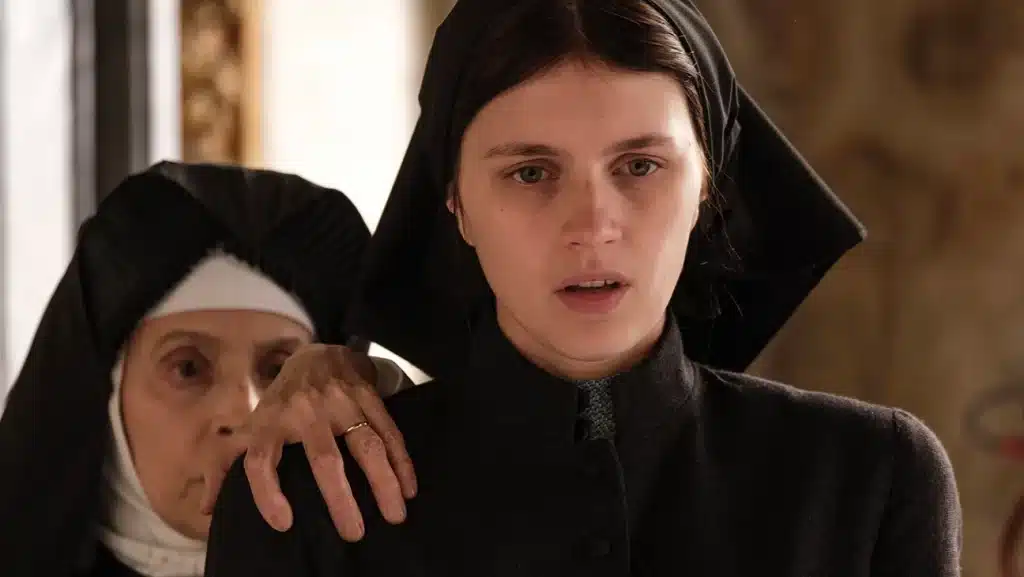
Mark Korven‘s chilling score for The First Omen envelops you in a sinister soundscape. This prequel to the iconic franchise brings a fresh and unsettling auditory experience that both pays homage to Jerry Goldsmith’s Oscar-winning original and carves its own path into the realm of cinematic terror.
Korven, known for his spine-tingling work with Robert Eggers on The Witch and The Lighthouse, has crafted a score that pushes the boundaries of conventional horror music. His approach to The First Omen is a masterclass in creating an atmosphere of dread and unease, perfectly complementing director Arkasha Stevenson’s visually atmospheric and suspensefully ghastly storytelling.
What sets Korven’s score apart is his innovative use of sound design. The gifted composer weaves together a tapestry of unsettling sounds, including moaning and cackling choruses, blaring horns, and an orchestra that dances between the melodic and the dissonant. This unique blend creates a nightmarish soundtrack that gets under the listener’s skin, amplifying the psychological horror at the heart of the film.
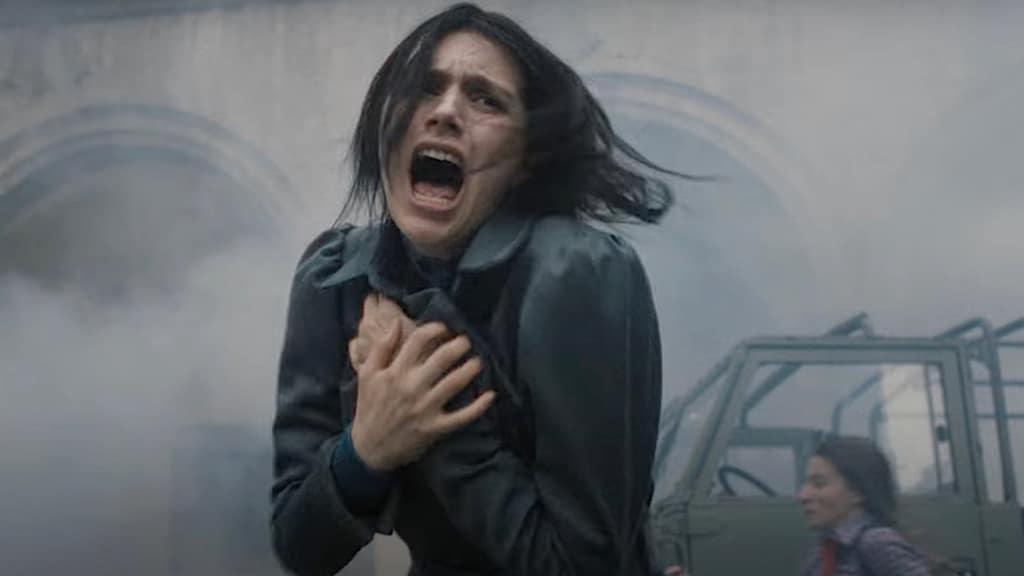
Widely considered among the most frightening religious horrors in years, The First Omen’s score is brash, operatic, percussive, and malevolently divine. Brief moments of contemplation lull you into an uneasy peace but awaken you with sharp cymbal crashes, plucked strings, and bombastic horns.
The soundtrack makes for chilling Halloween listening on its own, whether it be played on your porch for trick-or-treaters, your homemade haunt, or just to scare the hell out of yourself listening to it alone.
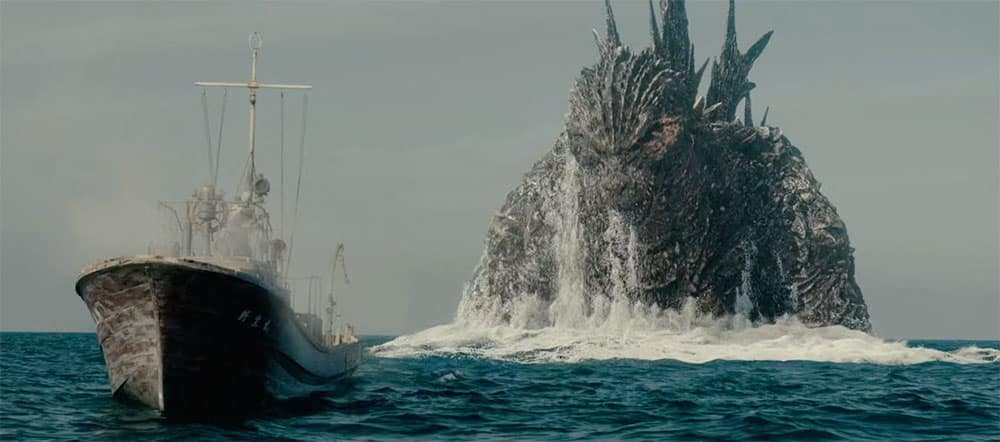
Prepare to be captivated by the haunting and emotionally charged score of Godzilla Minus One, composed by the acclaimed Naoki Satō. This latest entry in the iconic kaiju franchise takes a darker, more introspective approach, and Sato’s music perfectly captures the film’s blend of monster mayhem and human drama. The composer weaves together melancholic string arrangements, ominous electronic tones, and powerful orchestral swells to create a sonic tapestry that’s as much about inner turmoil as it is about giant monster destruction.
Satō’s score features several recurring themes that evolve throughout the film, including a six-note motif for the protagonist Koichi that underscores his journey from guilt-ridden survivor to determined hero. The music often eschews traditional horror tropes in favor of more nuanced emotional cues, reflecting the film’s exploration of fear, loss, and resilience in the face of overwhelming forces.
Satō’s work demonstrates how horror music can elevate a monster movie into a profound meditation on human nature and societal anxieties.
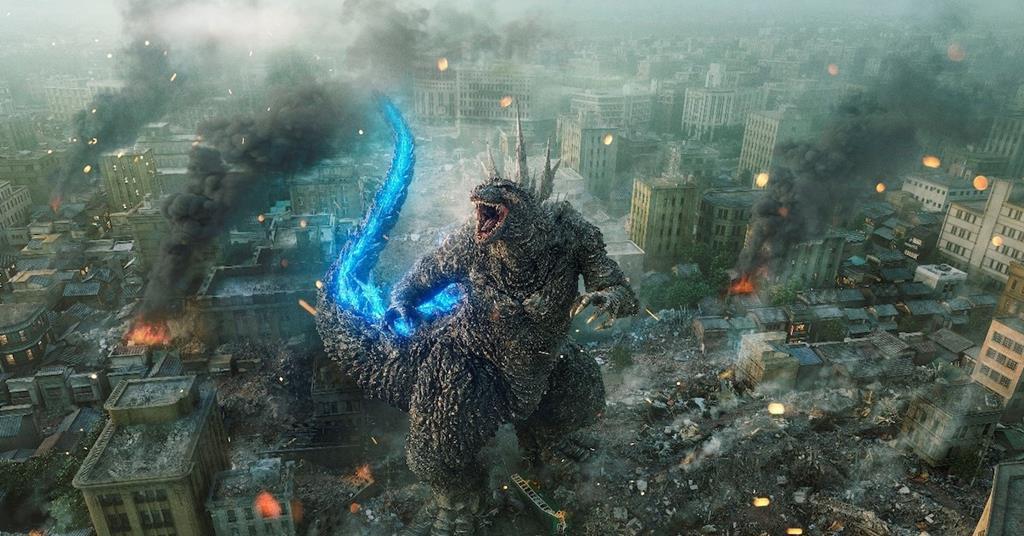
Naoki Satō perfectly balances melancholy and big-budget monster action, yet he still embellishes this ultimately hopeful Godzilla film with awe, innocence, and anguish.
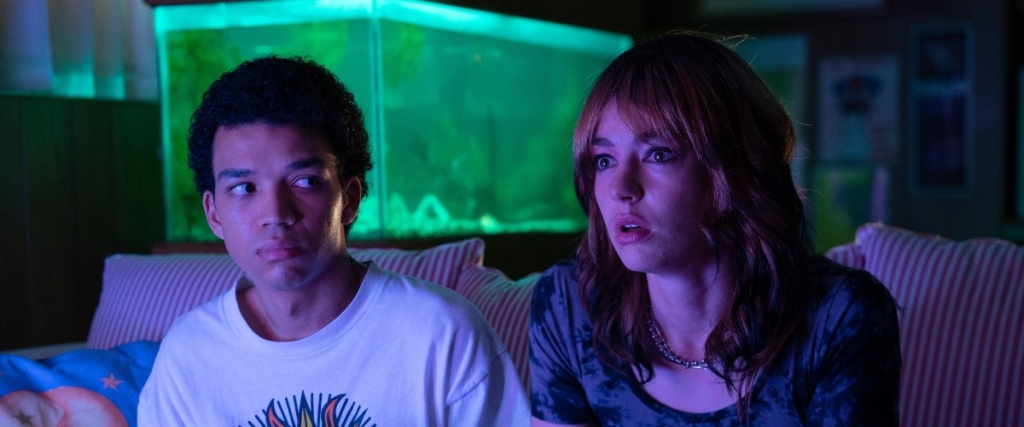
Alex G previously worked on Schoenbrun’s debut, We’re All Going to the World’s Fair. This indie musician’s second collaboration with Schoenbrun has produced a soundscape that perfectly captures the film’s surreal exploration of adolescence, nostalgia, and the blurred lines between reality and fiction.
His original compositions seamlessly blend with the movie’s impressive soundtrack, featuring artists like Yeule, Caroline Polachek, and Phoebe Bridgers, to create a cohesive and emotionally resonant sonic tapestry.
The mysterious and melancholic score for “I Saw the TV Glow” is a stunning work of subtle horror, eschewing traditional jump scares for a more insidious approach that gets under your skin and lingers long after the credits roll. His haunting melodies and atmospheric soundscapes contribute to the film’s dreamlike quality, blurring the boundaries between the characters’ reality and the fictional world of “The Pink Opaque.”
Alex G’s music perfectly complements Schoenbrun’s visually striking and psychologically complex narrative, enhancing the film’s themes of isolation, identity, and the transformative power of media.

Alex G provides us with a musical map that leads through a charmingly quirky and welcome sojourn into weirdo Carpenter/Howarth synth, Tangerine Dreamy psychedelia, haunting sound waves that tickle the eardrums, cello meditations, madcap piano musings, heart-wrenchingly pensive and upbeat indie rock, Chromatics/Portishead heebie-jeebies, and that’s just the first half.
I don’t ever want to turn this off. Regardless of whether or not it wins, this is one of the freshest, most satisfying albums I’ve heard this year.
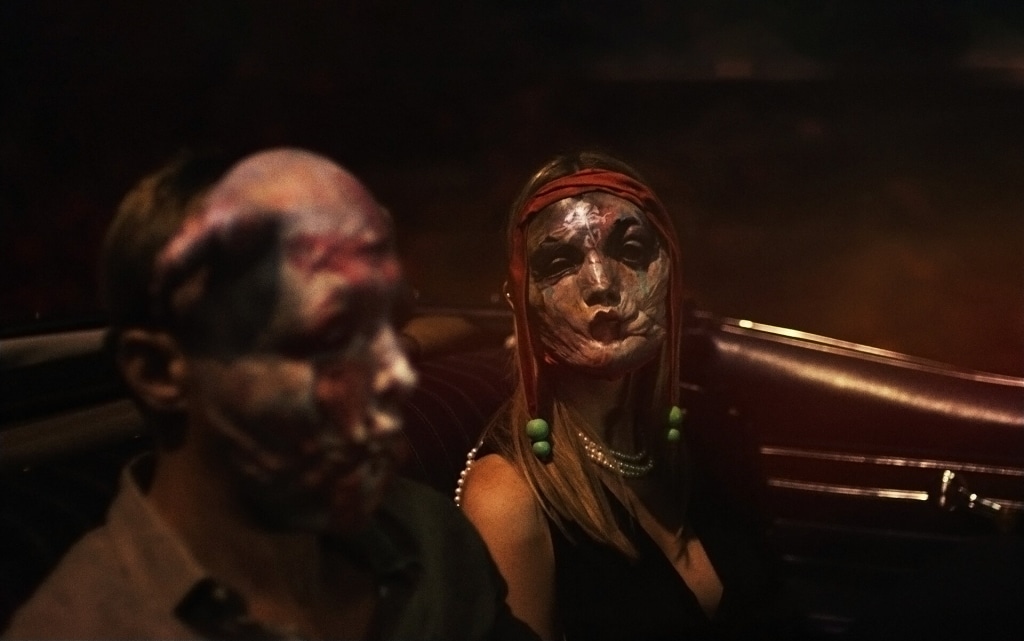
Plunge into the depths of sonic depravity with Tim Hecker’s mesmerizing score for Infinity Pool. This Canadian composer and experimental electronic musician has crafted a soundscape that perfectly mirrors the film’s descent into a nightmarish world of violence, hedonism, and untold horrors.
Hecker’s score is a surreal and ethereal journey that enhances Brandon Cronenberg’s twisted thriller, creating an auditory experience that’s as disorienting as it is captivating. The composer’s unique approach to ambient electronic music lends itself perfectly to the film’s otherworldly, dystopian setting, blurring the lines between reality and madness.
Across 22 tracks, Hecker has woven a sonic tapestry that’s both alien and eerily familiar. His compositions often play with contradictions in sound, emulating the strangeness of the film’s fictional island setting while amplifying the nightmarish narrative. From the seductive yet unsettling “Orgy” to ominously titled pieces like “Execution,” “Humiliation,” and “Fever Dream,” each track promises to pull listeners deeper into the film’s world of entitled excess and carnal sadism.
Working closely with director Brandon Cronenberg, he developed hybrid vocal synthetic sounds that blur the line between vintage and futuristic dystopian elements. Perhaps most intriguingly, Hecker speaks of creating a “cicada-laden backwoods Baltic banjo” that permeates the score, adding an unexpected and unsettling texture to the overall soundscape.
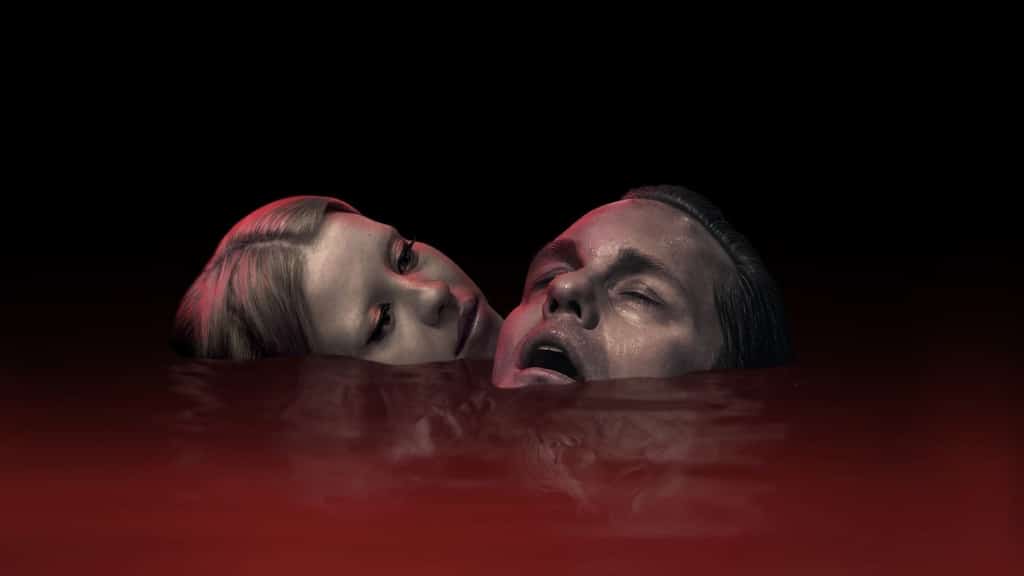
Very modern and sinister, though not exactly revolutionary, Tim Hecker’s score for Infinity Pool works in a constant palpable state of unease. The dissonance of the occasional beat or bizarre digital sound effect adds to the wet, fleshy, slippery perversion.
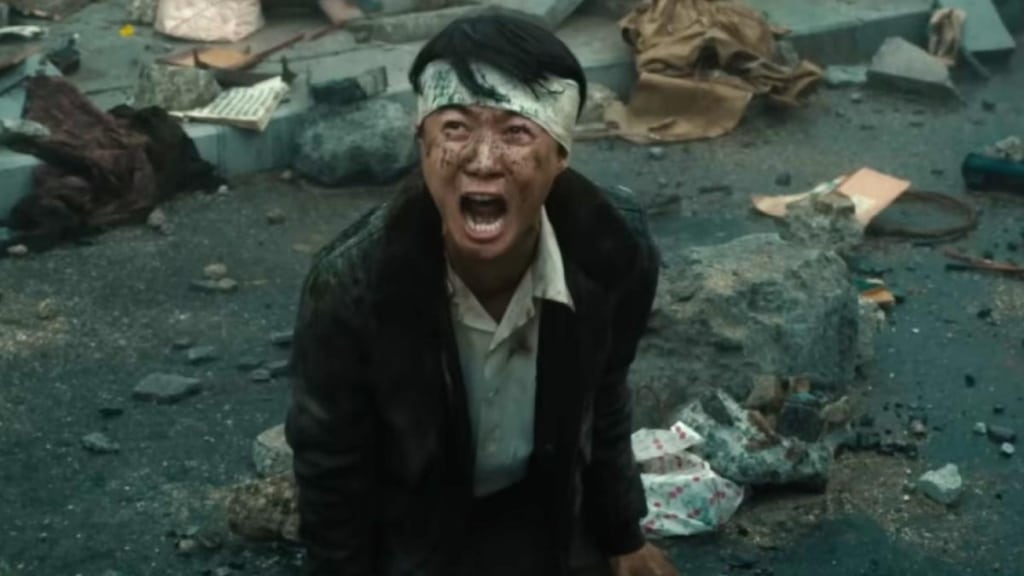
While all of this year’s “Best Score” nominees deserve ample praise, Godzilla Minus One‘s score achieves a rare balance of honoring a beloved franchise while pushing it in bold new directions.
Akira Ifukube’s iconic Godzilla theme is masterfully reimagined and integrated by composer Naoki Satō, creating a score that pays homage to the franchise’s rich musical history while forging its own identity. The music perfectly captures the film’s blend of kaiju destruction and human drama, with thunderous orchestral pieces for Godzilla’s appearances and more intimate, emotional themes for the character-driven moments.
Satō’s score elevates the tension and spectacle of the monster scenes, using booming percussion and ominous brass to convey Godzilla’s terrifying presence. At the same time, the music deftly underscores the post-war setting and the characters’ struggles, employing melancholic strings and piano to evoke the trauma and resilience of 1940s Japan. The score’s versatility is remarkable. It seamlessly transitions between heart-pounding action cues, somber, reflective passages, and triumphant, rousing themes that amplify the film’s emotional impact.
Satō’s work on GODZILLA MINUS ONE enhances the viewing experience and stands on its own as a captivating musical journey.

Finding a title among these five that is the clear superior one is close to impossible. My gut instinct says Godzilla Minus One or Evil Dead Rise is going to win.
However, Alex G’s I Saw the TV Glow is far and away the best album on this list.


She’s a lover, he’s a fighter. Together, they’re CHEER AND LOATHING. Tune in to hear your hosts, Stephanie (Cheer) and Casey (Loathing), clash over the films they love — and the ones they love to hate.
In this holiday extravaganza episode of Guilty Pleasures, join hosts Stephanie, Kelly, and our newest addition, Jonathan (Jack was tied up in tinsel and couldn't join us), as they unwrap the bizarre and unhinged world of holiday cinema. They dive into the depths of Elves, a film that's as chaotic as it is entertaining. It's a sleigh full of questionable decisions, diabolical dialogue, absurd plot twists, wildly offensive antics, and unhinged holiday mischief.
And that's not all! In the second half of the podcast, join your festive cinephile friends for a look at four more ”nutty as a fruitcake” holiday treats: A New York Christmas Wedding, Elf Bowling, A Medea Christmas, and Jack Frost. Plus, we each offer a bonus Christmas flick guaranteed to make you say, ”Ho, Ho, HO-LY Hell!”
Expect laughter, disbelief, and a spirited debate about what truly makes a movie a guilty pleasure. Don't miss this festive journey through the weirdest corners of holiday films!






Follow Us!