


“Don’t Turn Out the Lights” plunges viewers into a claustrophobic nightmare where the most terrifying monster is the one you can’t see.

No time to read? Click the button below to listen to this post.
Don’t Turn Out the Lights (2024), the new low-budget indie horror offering from writer/director Andy Fickman (Heathers: The Musical – TV Movie, Reefer Madness: The Movie Musical), is a claustrophobic and psychologically unsettling experience that proves you don’t need a hefty budget to deliver genuine scares.
Fun-loving birthday girl Olivia (the aptly named Crystal Lake Evans) has gathered a group of closest friends for a party in the park, followed by a surprise ten-hour road trip to the famous Blue Light music festival. Her boyfriend, Michael (Jarrett Austin Brown), borrowed a rundown RV from his uncle to escort the group to their destination.
He’s also brought a stranger to the group, his roommate, Jason (John Bucy).
That’s right. The two male leads are Michael and Jason. Jason just happens to be a tall, stoic ex-Marine, whom Michael makes a point of noting is the strong, mostly silent type. Before he warms up to the group and becomes quite a likable asset when things go south, Jason is a bit scary. His quiet intensity and deadly serious demeanor are off-putting, and jokes about how he might kill them all certainly don’t help.
That setup is just the first of many, MANY knowing nods to classic horror films littered throughout the film.
Besides Michael and Jason, our primary protagonist is a sweet girl named Carrie (Bella DeLong), who may or may not be harboring some dark secrets.
Rounding out our diverse cast is a star athlete named Gaby (Ana Zambrana), a spoiled rich girl and femme fatale named Sarah (Amber Janea), and a stereotypical goofball stoner named Chris (Dayl Tofa).
What begins as an adventure quickly devolves into a nightmare when they find themselves trapped in their RV, besieged by an unknown and seemingly malevolent presence.
Fickman’s direction shines in his ability to create an atmosphere of dread within the RV’s confined space.
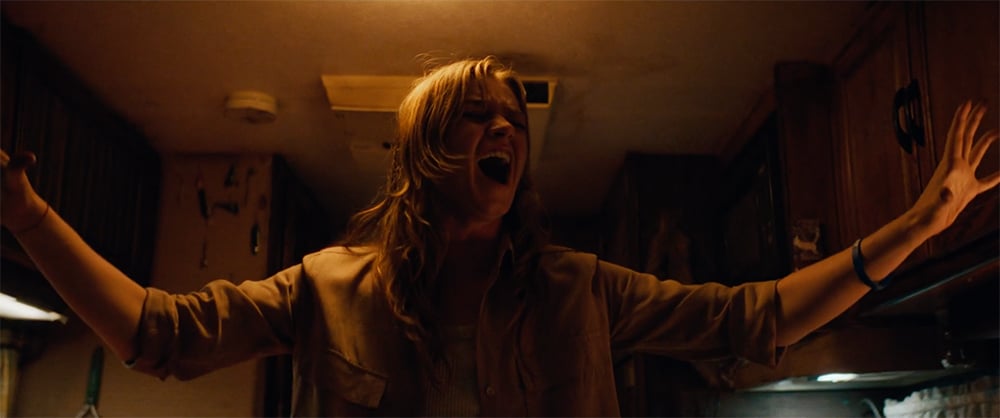
The film’s primary strength lies in its unnerving sound design. A cacophony of unsettling noises — loud bangs on the RV’s exterior, haunting whispers in the woods, distant human voices, and eerie children’s songs — work in concert to build tension and elicit visceral reactions from the characters and the audience.
This auditory assault compensates for the lack of visual horror, as the film relies heavily on the power of suggestion and the terror of the unseen.
It’s a bold choice that may frustrate gore-hounds but will delight fans of psychological horror. The fear is palpable as the characters grapple with the unknown nature of their tormentor and their own helplessness in the face of an inexplicable threat.
The young, largely unknown cast delivers surprisingly strong performances.
While the characters are horror archetypes painted with a broad brush, the actors do a great job investing you in their plight.
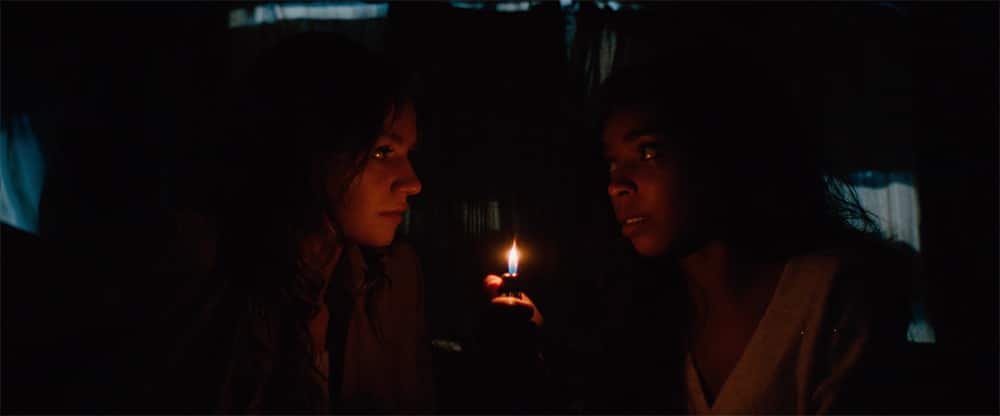
That’s especially important in a film that is far more concerned with how the horror impacts the characters rather than the nature of the horror itself. The cast excels at convincingly portraying escalating fear and desperation.
We may not ever really see the horror, but we absolutely feel it.
It’s also a treat to see how much heavy lifting the women get to do, and the trio of DeLong, Zambrana, and Janea are particularly strong and compelling in the film’s final intense act.
The interplay between the characters feels natural and believable — whether we are dealing with deep bonds or strained relationships. It’s interesting to see how the different dynamics shake out in unexpected ways.
The film throws a veritable smorgasbord of horror tropes at the viewer.
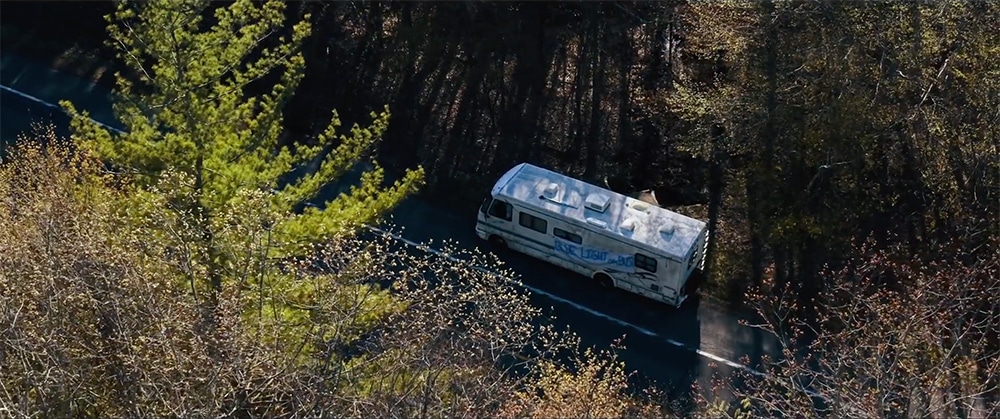
The opening scene features a creepy rendition of “Wheels on the Bus” sung by an equally creepy little girl. It sets an ominous tone from the start, full of foreshadowing.
From there, the friends get on their own bus, and the wheels quickly come off. We get references to just about every classic horror trope in the book, including a doomed road trip, a wrong turn into dangerous territory, menacing redneck locals, ominous warnings to turn back before it’s too late, fog-shrouded woods, evil doppelgangers, hints of Satanic cults, and a whole host of eerily supernatural encounters.
This kitchen-sink approach can feel chaotic, with events feeling disconnected, but it also keeps the audience guessing about the true nature of the threat.
The marketing claims that this film is “inspired by true events” are tenuous at best. It is based more on the director’s emotional response to an unexplained high school experience than on any specific occurrence.
Fickman explores how an encounter with the unexplained made him feel and how the unknowable mystery haunted him. He forces viewers to think about what happens when we face something we can’t explain and how different people will interpret the same events differently, each bringing their unique lens and worldview into their understanding of the experience.
He effectively exploits our human need for answers and clarity and how much it unsettles us not to have a definitive reason for why things happen.
In that pursuit, the film is undoubtedly effective.
However, Don’t Turn Out the Lights is not without its flaws.
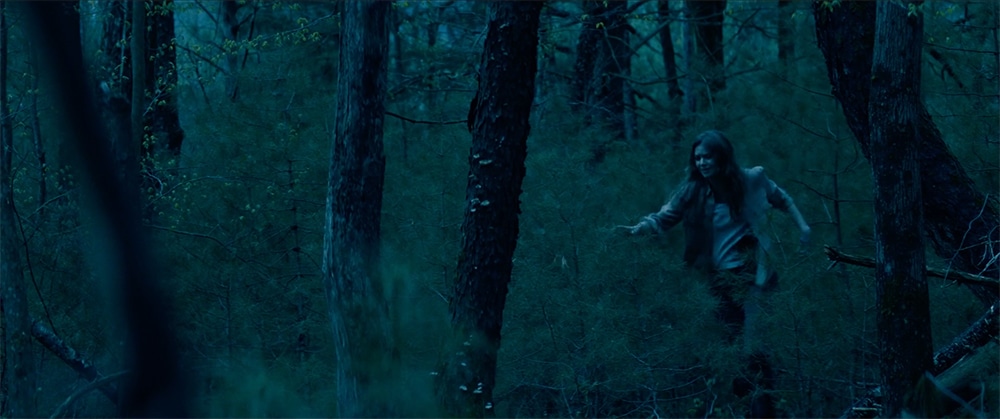
The pacing is uneven, with a slow build that may test the patience of some viewers. The real scares don’t kick in until about an hour into the film, and at nearly two hours long, it could benefit from tighter editing.
The dialogue-heavy scenes, while necessary for character investment, can become tedious for those craving more action.
The film’s commitment to ambiguity may also prove divisive. It raises more questions than it answers, which aligns with Fickman’s intent to explore the unsettling nature of unexplained phenomena but may leave some viewers feeling unsatisfied.
Despite these drawbacks, the film’s final act delivers intense, edge-of-your-seat horror that largely justifies the slow burn.
Ultimately, Fickman’s resourcefulness in creating scares on a shoestring budget is commendable.
The film may not satisfy those seeking explicit gore or concrete answers, but for viewers willing to embrace the unknown and let their imagination run wild, it offers a uniquely unsettling experience.
Overall Rating (Out of 5 Butterflies): 3.5


Follow Us!