

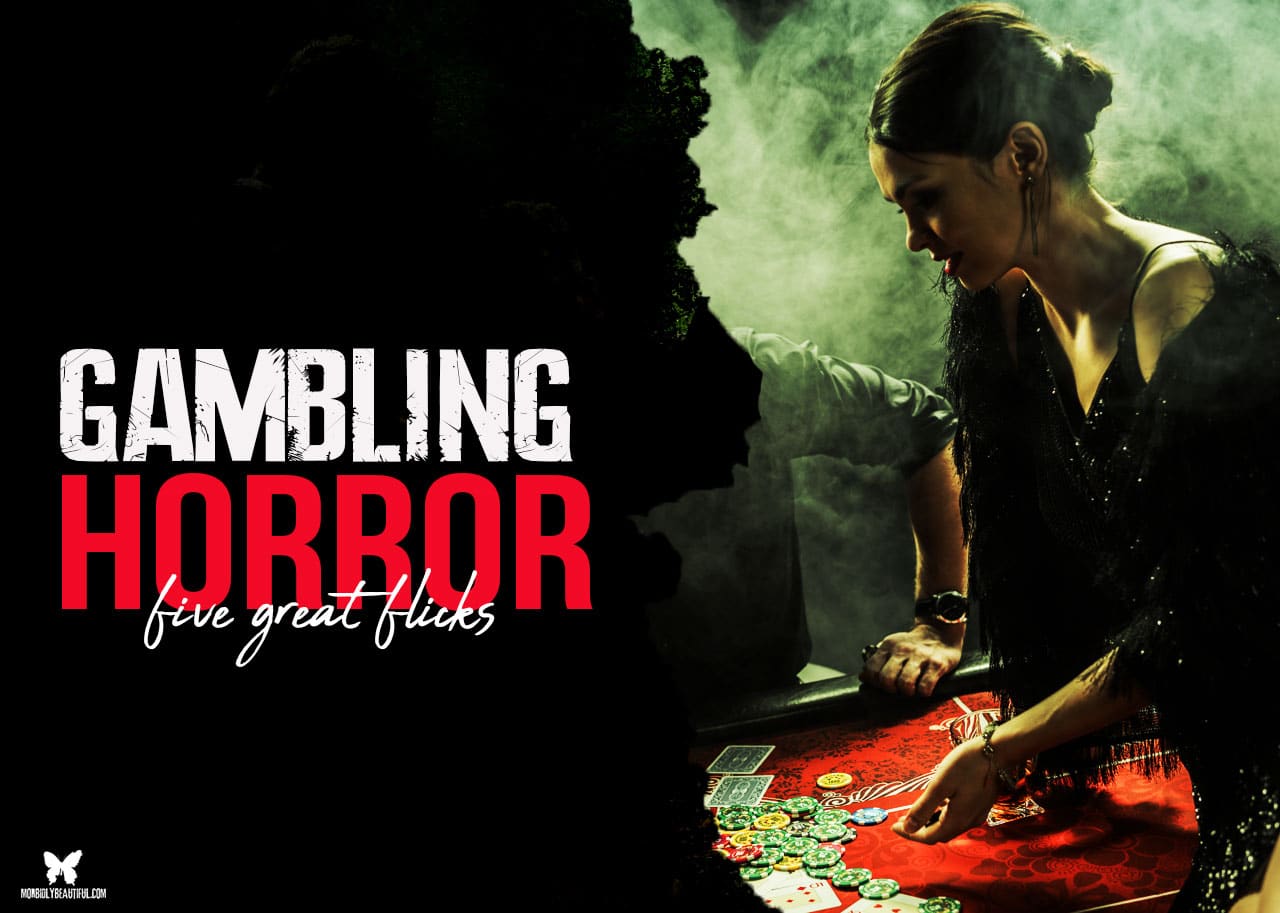
If you’re in the mood for some horror films reflecting the sexy and sometimes sinister world of gambling, these five flicks are sure bets.
The world of cinema has already witnessed a unique blend of horror and gambling that instills more thrill and suspense into the plot. The unpredictability of this genre fits with the ambiance that gambling offers. Find out for yourself in this guide, where we have gathered top horror movies that feature gambling, use a casino setting as a backdrop for horror, or have gambling as the main part of the narrative.
In gambling and betting, the potential risk and high reward are part of the thrill, but it is always important to thoroughly study the casino or sportsbook reviews before delving into this world. Professional editors will highlight the pros and cons for every individual company and help you compare them before making an informed choice.
1. Funny Man (1994)
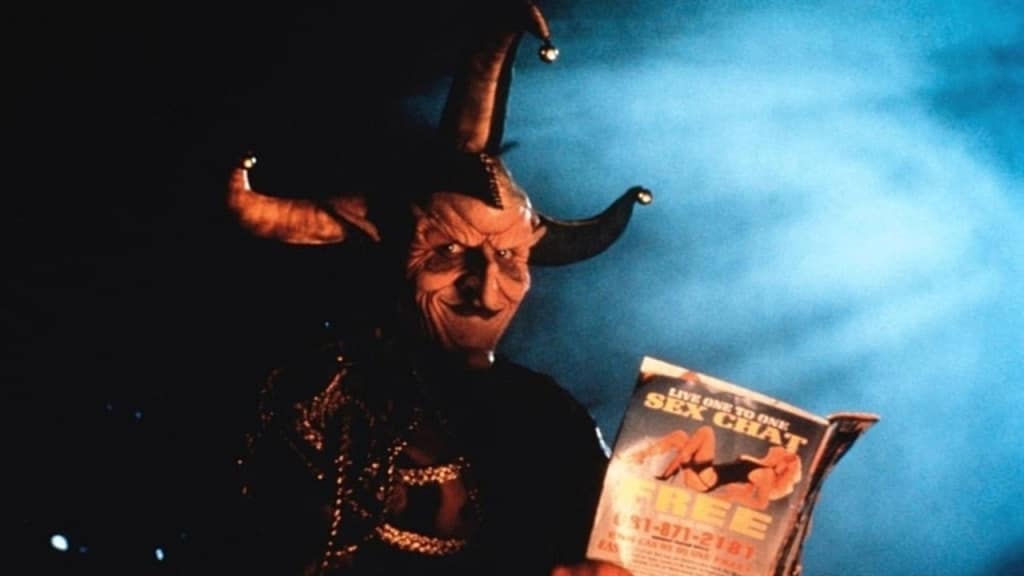
Funny Man (1994) is a British horror-comedy directed by Simon Sprackling, blending dark humor with supernatural horror. The story revolves around Max Taylor (Benny Young), who wins an eerie mansion in a poker game with a mysterious aristocrat (Christopher Lee, in a cameo role). However, the house is inhabited by a demonic jester known as the Funny Man (Tim James), who picks off Max’s family and friends in bizarre, gruesome ways, all while cracking dark, surreal jokes.
Funny Man stands out for its absurd blend of slapstick comedy and grotesque horror. The titular character’s sadistic, cartoonish sense of humor gives the film a surreal tone, offering unexpected laughs alongside the violent kills. Tim James’ performance as the Funny Man is a highlight—his fourth-wall-breaking antics and eccentric personality keep viewers engaged.
The film makes use of creative, low-budget, practical effects to execute its kills and supernatural elements. These effects give the movie a campy, over-the-top charm that may appeal to fans of old-school horror. It’s filled with oddball gags, dark puns, and bizarre scenarios that create a distinctive atmosphere.
While it may not be for everyone, particularly those seeking straight-up horror, it is an underrated gem for those who enjoy genre-bending films that don’t take themselves too seriously.
2. The Haunted Casino (2007)
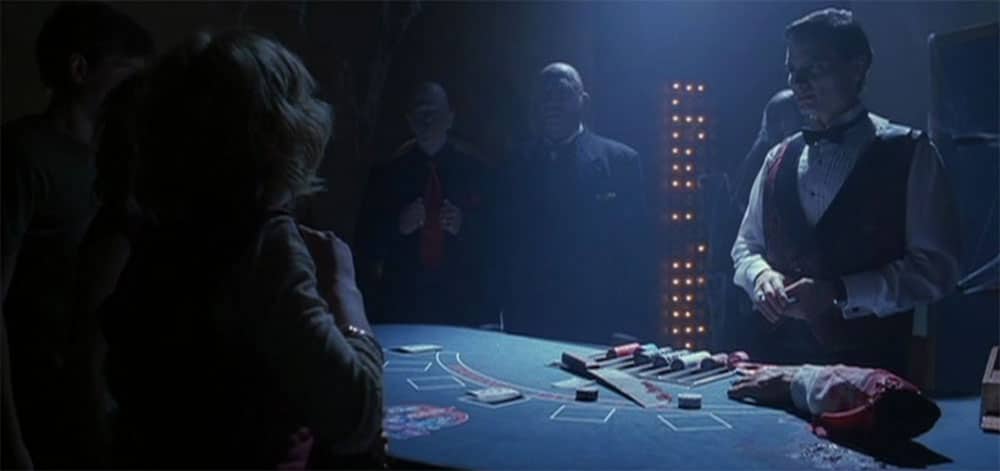
The Haunted Casino (also known as Dead Man’s Hand), directed by Charles Band and released in 2007, is a low-budget supernatural horror film from Full Moon Features. The plot follows Matthew Dragna (Wesley Jonathan), who inherits an old, decrepit casino from his deceased uncle. Along with a group of friends, Matthew discovers that it is haunted by the malevolent spirits of mobsters, led by the ruthless Roy “The Word” Donahue (Michael Berryman) and his sinister partner, Gil Wachetta (Sid Haig). The spirits are bent on claiming the lives of those who trespass into their casino.
The film leans into traditional haunted house tropes, such as vengeful spirits, eerie settings, and supernatural revenge, but sets it in a rundown casino. The unique location adds some novelty to the familiar haunted house format, especially with its history rooted in mob crime.
Like many Full Moon films, The Haunted Casino doesn’t take itself too seriously, offering a campy, fun horror experience. It has a nostalgic, B-movie feel that will appeal to fans of old-school horror schlock.
3. Croupier (1998)
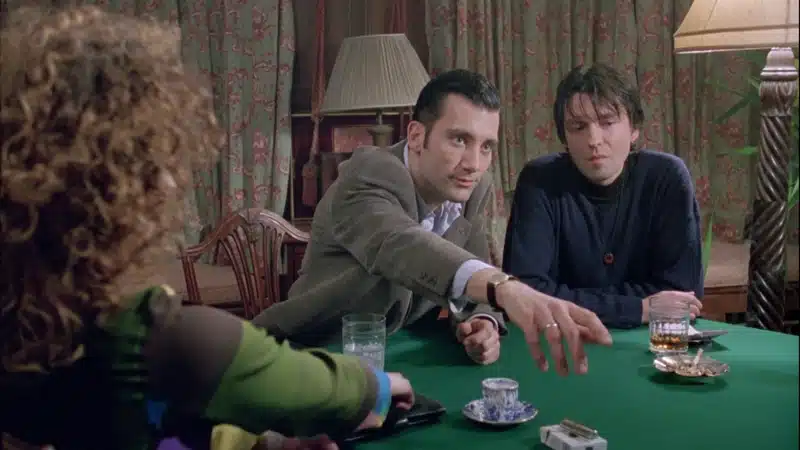
While more thriller than horror, the British neo-noir crime drama Croupier (1998) offers a fascinating glimpse into the world of professional gambling from the perspective of a croupier, a role rarely explored in films. The strict rules, detachment, and the quiet, simmering desperation of the casino’s patrons contrast with the allure of winning big, showing both the allure and the grim reality of the gambling world.
Directed by Mike Hodges, the film stars Clive Owen in a breakout role. Owen plays Jack Manfred, an aspiring writer struggling with his career who takes a job as a croupier (a casino dealer) to make ends meet. As he gets deeper into the casino world, Jack becomes increasingly detached from his personal life and finds himself drawn into a web of temptation, crime, and moral ambiguity, especially when he gets involved in a scheme to rob the casino.
Owen delivers a magnetic performance as Jack, a morally conflicted and cynical character who serves as the film’s anchor. His deadpan narration and emotionally distant demeanor perfectly capture the detached worldview of a man who views life as a game he can observe but not fully engage with. Owen’s portrayal is subtle yet compelling, making him the standout highlight of the film.
Croupier is steeped in neo-noir aesthetics, with a moody, stylish presentation. It’s an intelligent, slow-burn thriller that is perfect for fans of neo-noir and psychological character studies.
4. Fright Night (2011)

The 2011 remake of Fright Night is a supernatural horror-comedy directed by Craig Gillespie and starring Anton Yelchin, Colin Farrell, and David Tennant. This modern reimagining of the 1985 cult classic revolves around a high school teenager, Charley Brewster (Yelchin), who discovers that his new neighbor, Jerry Dandrige (Farrell), is a vampire preying on the neighborhood. As Charley attempts to expose and stop Jerry, he enlists the help of Peter Vincent (Tennant), a Las Vegas magician and self-proclaimed vampire expert.
Colin Farrell brings a slick, menacing charm to the role of Jerry. His portrayal of the vampire blends humor and danger, making him a magnetic villain who’s both seductive and terrifying. Farrell’s Jerry is more predatory and ruthless than the original, giving the film a darker edge.
Meanwhile, David Tennant’s Peter Vincent is a reimagined character from the original film, now a flamboyant, hard-drinking Las Vegas magician. Tennant delivers a highly entertaining performance, injecting the movie with humor and irreverence. His transformation from a skeptical showman to a reluctant vampire hunter is a highlight of the film.
With updated special effects and high-energy action scenes, Fright Night (2011) adds a modern gloss to the vampire-hunting story. The film’s visual style, especially the night scenes and vampire transformations, is sleek and intense, making for an engaging horror experience.
It’s also set in Las Vegas, adding an interesting backdrop to the story. While it doesn’t focus heavily on casino gambling itself, the setting is used to emphasize Vincent’s character—a magician with a vampire-themed stage show, performing in one of the city’s casinos. The glitzy, gaudy environment of Vegas complements Vincent’s eccentric personality and serves as a contrast to the horror brewing in the quiet suburban neighborhood where Charley lives.
5. 13 Tzameti (2005)
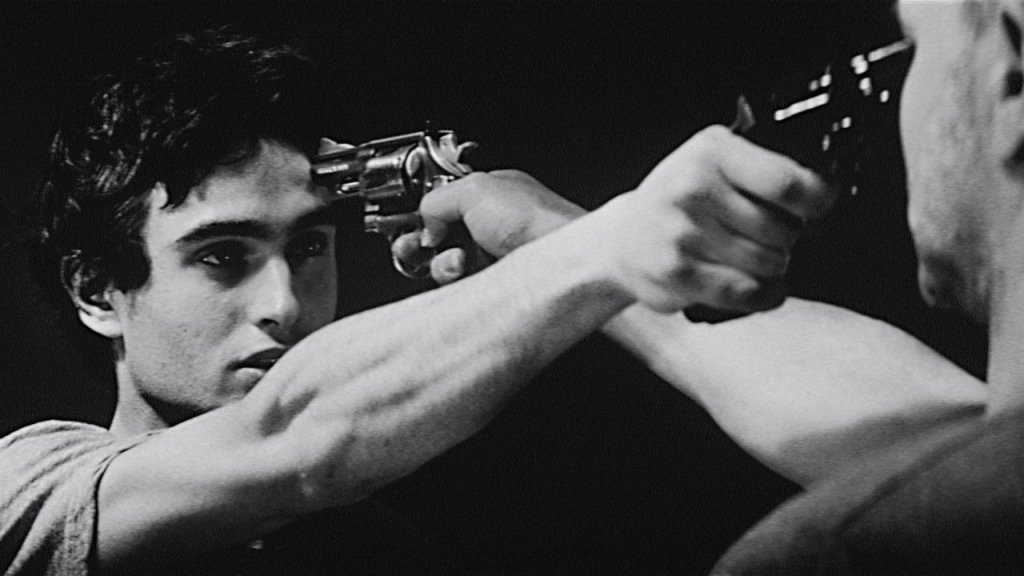
13 Tzameti is a French-Georgian thriller directed by Géla Babluani, known for its intense, stark atmosphere and exploration of high-stakes survival. The film follows Sébastien, a young man who unwittingly becomes involved in a deadly game after intercepting instructions meant for someone else. He assumes the identity of the intended recipient, only to discover he’s walked into an underground, life-or-death game of Russian roulette, where wealthy patrons bet on the lives of participants.
The film is drenched in suspense from beginning to end, with much of its tension coming from the simple yet brutal premise of Russian roulette. The film’s black-and-white cinematography enhances the starkness and bleakness of the narrative, creating an intense, claustrophobic mood.
13 Tzameti subtly critiques class inequality and the moral decay of the wealthy elite, who use the lives of desperate individuals as entertainment for their twisted gambling. The life-or-death stakes resonate more deeply as Sébastien, a man struggling with poverty, faces off against similarly desperate men for the amusement of the rich.
While not a conventional horror film, it captures the psychological terror of being caught in a situation where death is literally a trigger pull away. The palpable dread, the dehumanization of the participants, and the quiet brutality of the game evoke a nightmarish, horror-like atmosphere.
Although casinos and gambling are not frequently explored in horror, when they are, they add an element of risk, desperation, and moral ambiguity to the narrative.





Follow Us!