

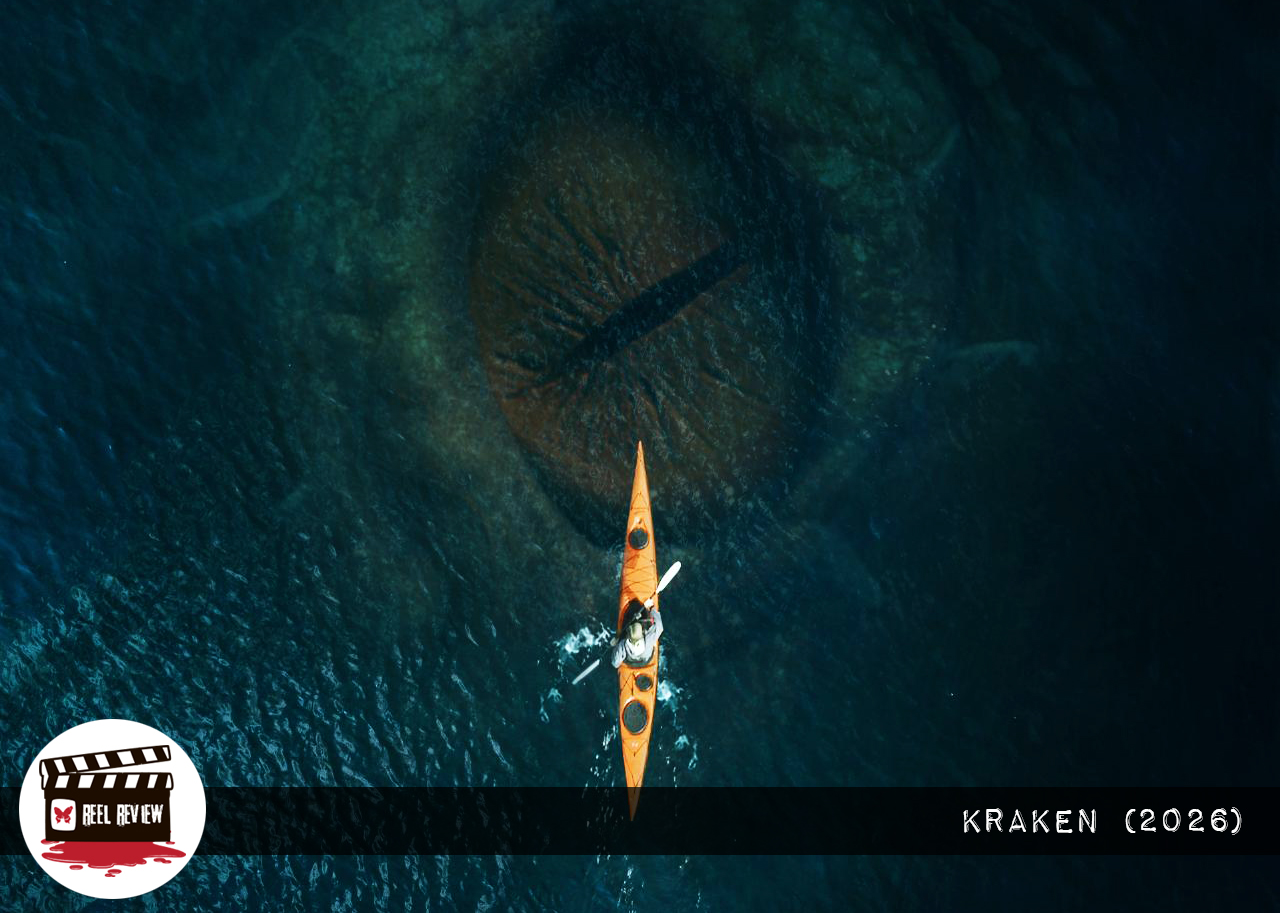
“Kraken” is a gorgeous, slow-burn eco-horror full of atmosphere, drama, and a deeply satisfying final-act creature-feature payoff.
No time to read? Click the button below to listen to this post.

Directed by Norwegian filmmaker Pål Øie (The Tunnel, Dark Woods), Kraken is an environmentally conscious creature feature that’s far more grounded in story and elevated in execution than the B-movie spectacle its title might suggest.
Gorgeously shot against jaw-droppingly beautiful scenery, the film unfolds against the majestic but perilous backdrop of Sognefjord, Norway’s deepest fjord.
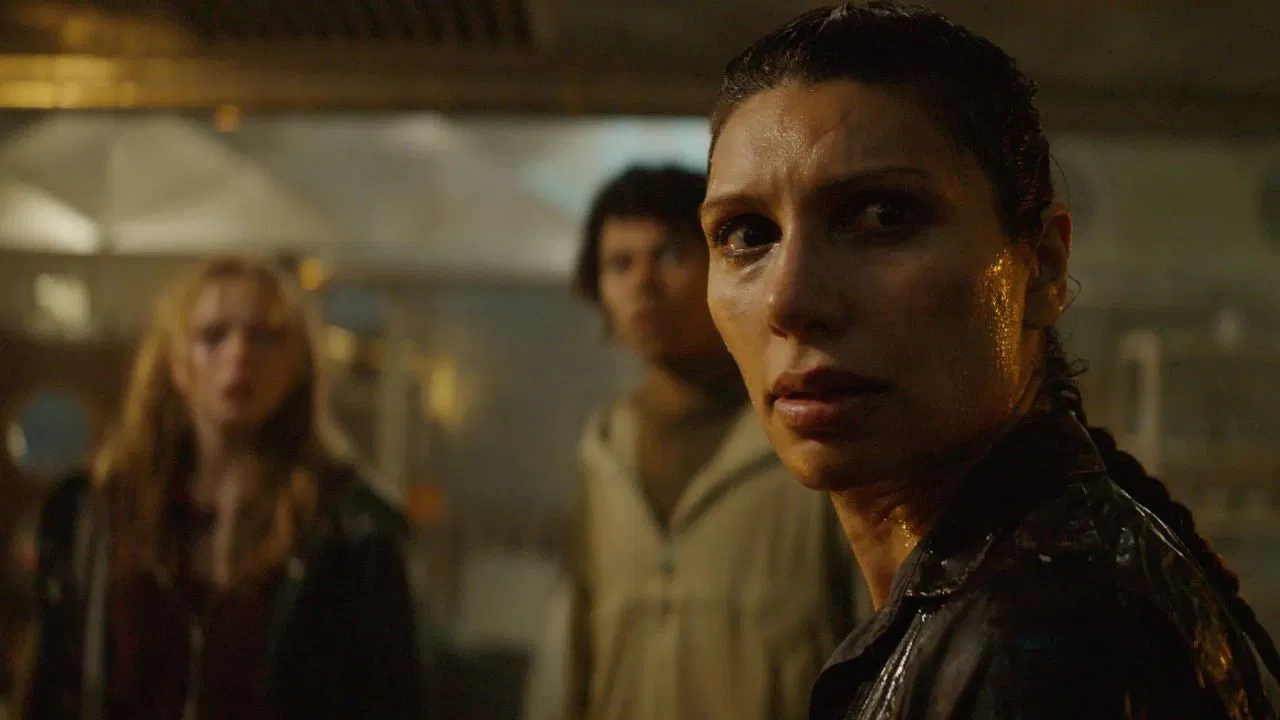
The narrative focuses on Johanne (Sara Khorami), a dedicated marine biologist assigned to investigate highly irregular and unnatural behavior among the wild salmon population.
Her investigation leads her directly to a state-of-the-art commercial fish farm managed by her former colleague and old flame, Erik (Mikkel Bratt Silset). The farm’s corporate owner, Avaldsnes (Øyvind Brandtzæg), is desperately trying to court international investors. To maximize efficiency and clean the salmon, the facility has deployed an untested sonic delousing tool.
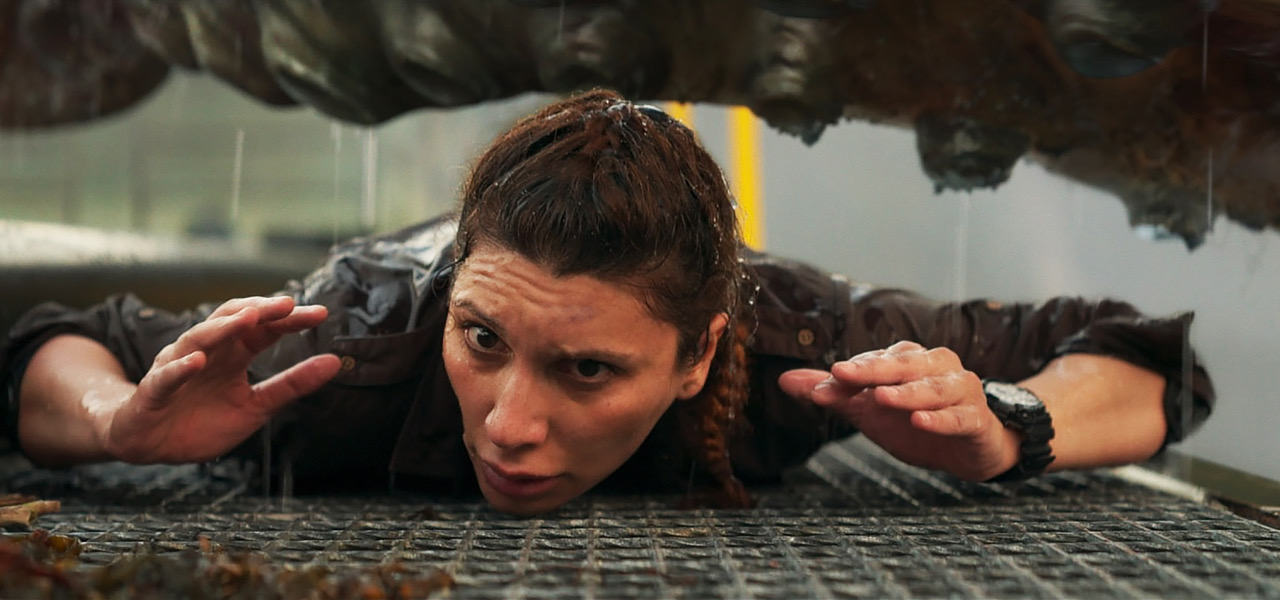
In a reckless bid for higher profits, Avaldsnes has cranked the frequency of these sonic blasts to the absolute limit. The intense underwater noise pollution wreaks havoc on the marine ecosystem, causing fish to frantically beach themselves and mutating smaller sea parasites.
Most critically, the sonic disruption awakens a massive, ancient, multi-armed titan from the deepest trench of the fjord: the mythical Kraken.
When two tourists are brutally killed, Johanne, Erik, and Avaldsnes’ climate-activist daughter, Maria (Jenny Evensen), must race to stop corporate greed before the unleashed leviathan destroys everything in the water.
The film serves as a direct critique of modern aquaculture, overproduction, and industrial corporate greed.
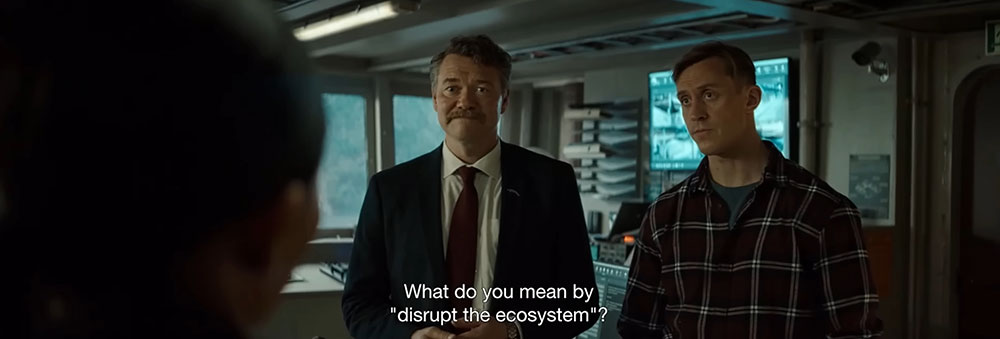
Avaldsnes represents the modern capitalist mindset that views the pristine fjord merely as a resource to be scoured for profit, ignoring environmental safeguards to appease overseas investors.
The awakening of the Kraken is framed as the ultimate ecological blowback: nature forcefully biting back when pushed beyond its threshold.
In eco-horror monster movies like Godzilla and Frogs, the threat is not an inherently evil entity but a consequence of human carelessness. Here, the legendary sea monster acts as a literal guardian of nature, retaliating against the ravages of human greed.
Cinematographer Sjur Aarthun perfectly captures the lush, cinematic beauty of the Norwegian landscape.
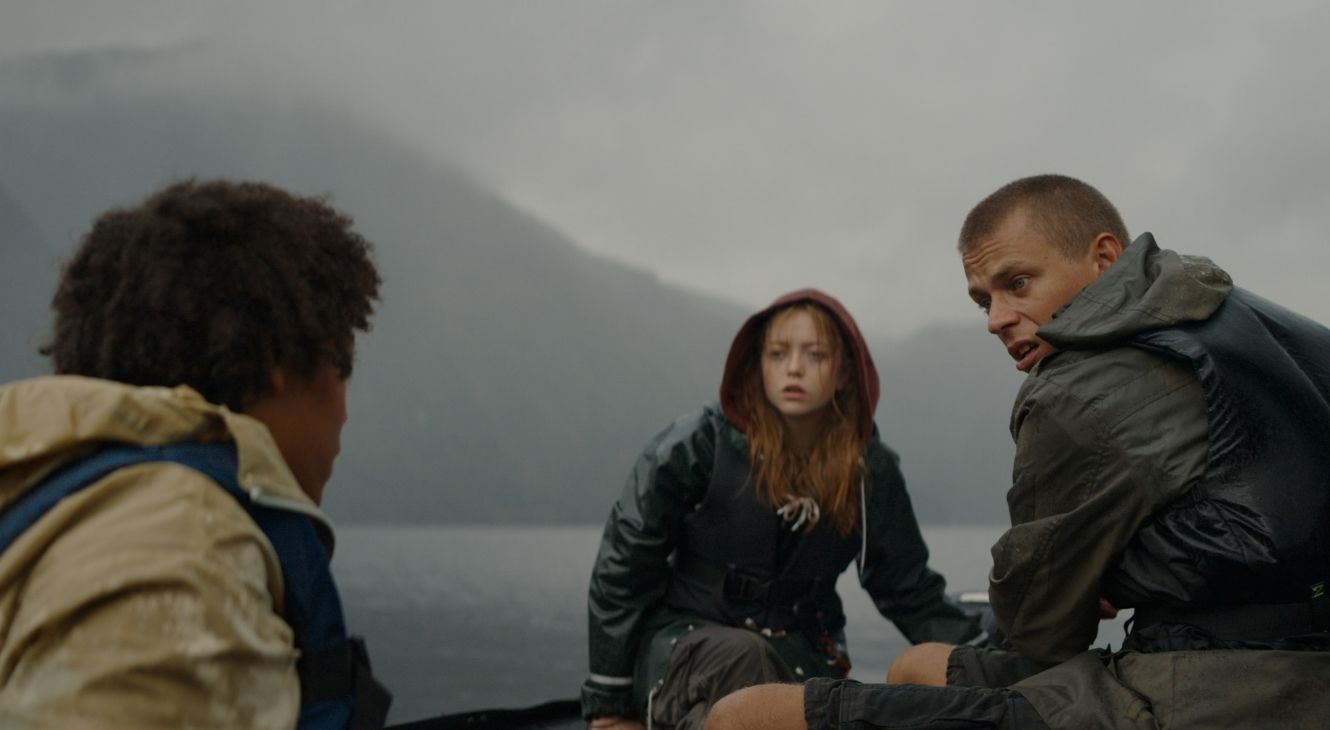
The sweeping vistas and crisp, natural lighting elevate the production values, delivering something far above what you might expect from a typical low-budget creature feature.
Øie also leans heavily into the inherent atmospheric tension of the Scandinavian landscape. The serene turquoise waters, snow-capped mountains, and mist-covered valleys of Sognefjord stand in stark contrast to the absolute, pitch-black unknown of its depths. It’s both majestic and menacing.
The film uses the visual isolation of the rural community to highlight human vulnerability.
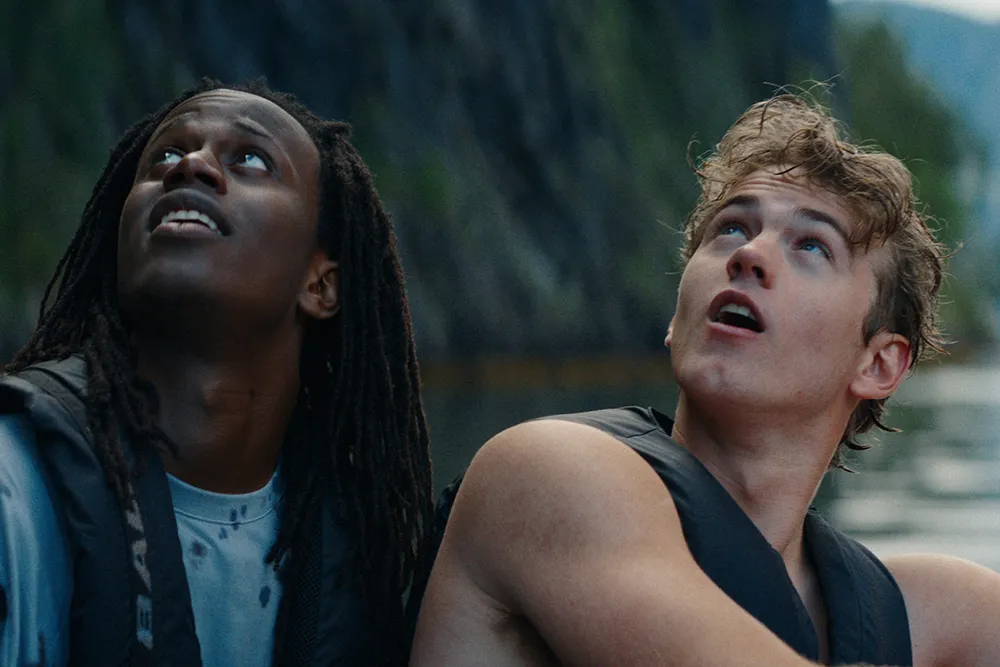
It suggests that beneath the idyllic surface of modern society lies an ancient, untamable power that humanity has foolishly forgotten how to respect.
Sara Khorami’s performance is a real highlight, giving the film weight and a strong emotional core.
Horror fans may grow impatient waiting for the film to shift into high gear. The first hour is slow and methodical. That’s because the “why” of the horror is just as important as the “how.” The latter delivers the visceral thrills, but the former gives the film its narrative depth.
Rest assured, however, when the horror finally kicks in, it’s wonderfully creative and claustrophobic.
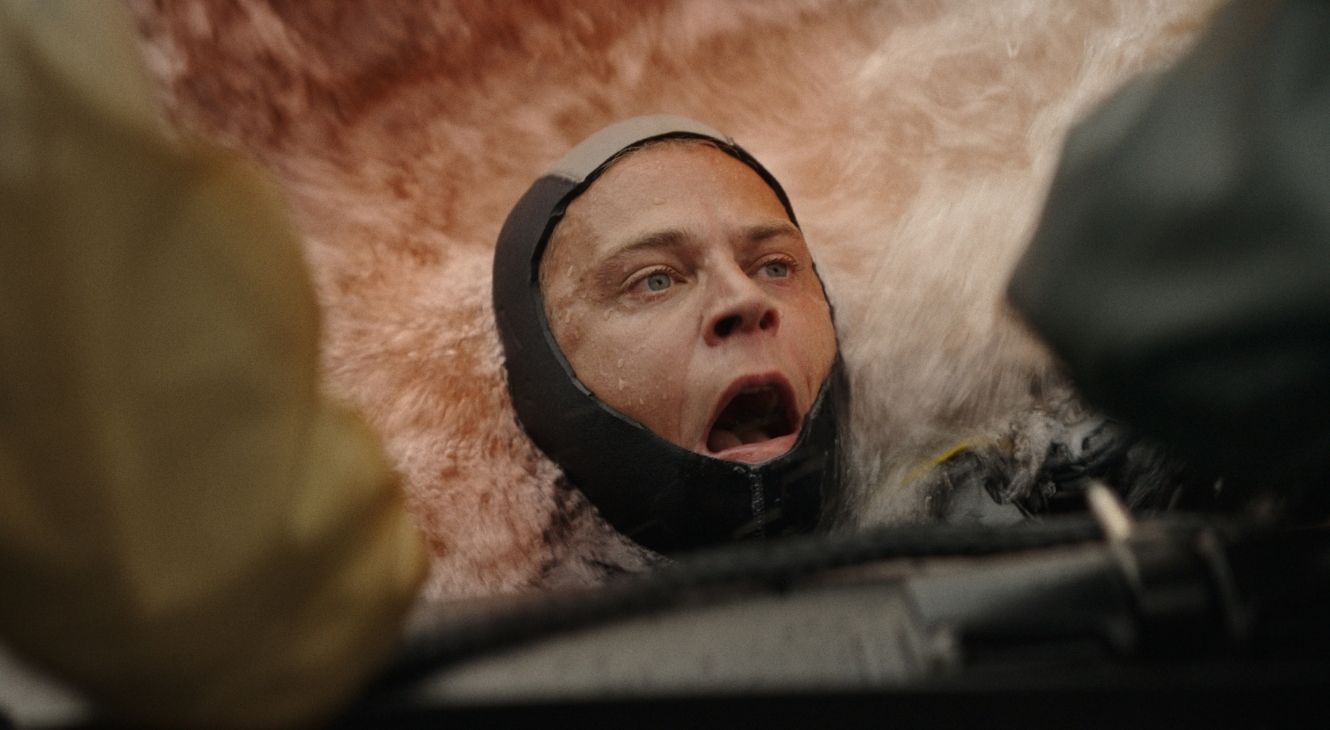
There’s also some strong splatter that recalls classic 1980s monster movies.
There are echoes of Jaws in the way the titular beast is wisely kept largely hidden until the explosive final act, making its reveal land with greater force. And when it becomes apparent that the monstrous beast isn’t the only terrifying threat, you may be reminded of films like Alien or, more recently, Cloverfield.
But the biggest influence may be The Host, Bong Joon-ho’s legendary masterpiece of modern environmental monster cinema. Like that film, Kraken is character-driven horror grounded in human negligence and bureaucratic roadblocks.
It’s another stellar example of an international filmmaker seamlessly weaving biting anti-capitalist satire and genuine human drama into thrilling creature-feature entertainment.
Overall Rating (Out of 5 Butterflies): 4









Follow Us!