
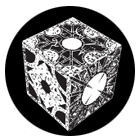

Explore the psychological appeal of horror, its influence on pop culture and gaming, and how fear shapes our experiences and entertainment.

Fear is a basic or instinctive reaction that can be evoked through various art forms. The horror genre has always strived to stir our fears and bring them to the surface. The goal is either to make a social commentary or to inspire us to reflect and come to terms with subconscious elements that affect our biases.
The genre is present almost everywhere and, more prominently, in pop culture and gaming. It has even migrated to online casino games where elements of suspense, monsters, and such provide much-needed fun and interactivity for the players. Some of the best online pokies in Australia have this theme, along with spooky graphics and sounds. When you think about it, horror and gambling are natural bedfellows as both involve suspense, thrills, and adrenaline-fueled excitement.
Why We Crave Fear
The fun of horror is seeking out more frightening stories or intense frights while in an environment we control. This way, no real harm can come to us. Psychologist Glenn D. Walters identifies three primary factors that draw individuals to horror entertainment:
- Tension
- Relevance
- Unrealism
Tension is created by components such as mystery, suspense, and an element of surprise. Relevance brings content closer to what people experience in their lives or to problems in their society. Unrealism, on the other hand, provides an opportunity to get through frightening situations which actually are not real. But we do get to hone our flight or fight response through the experience.
Physiologically, when we feel afraid, we produce adrenaline, opioids, and dopamine as part of the body’s reflex of the flight or fight response. When such chemicals are detected, and the perceived threat is no longer real, they may cause feelings of exhilaration. This process explains why some people go looking for horror experiences for the subsequent high that they get.
Horror in Gaming
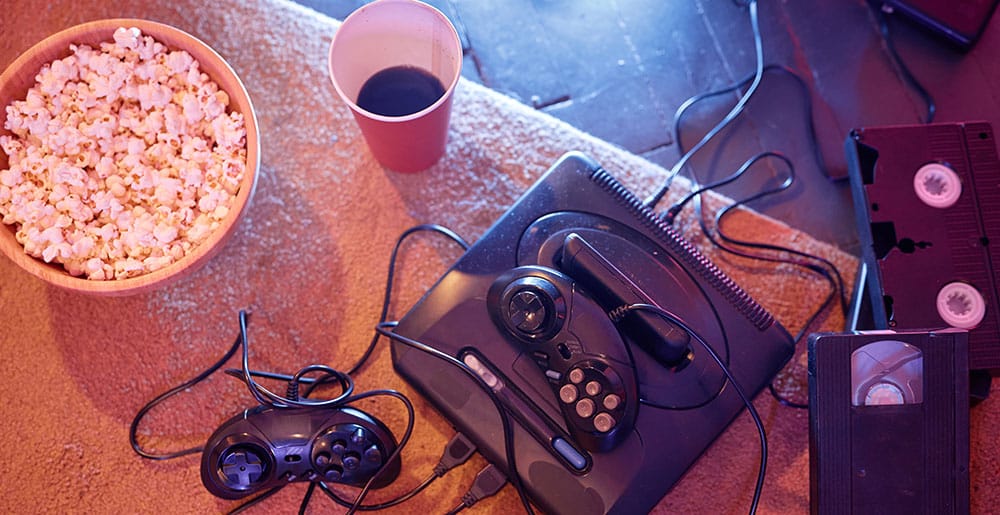
Horror is well presented in video games because of the interactive nature of the games, unlike the traditional media. The interactivity and player agency makes the whole experience even more believable and scary. While playing, you truly feel like you are in danger, and if you try some of the new VR adaptations, the suspense and feeling of powerlessness are further magnified.
The horror video game genre began in the early 1980s with the title Haunted House developed in 1982 for the Atari 2600. But it was in the nineties that the genre was pretty much expanded with games like Resident Evil (1996) and Silent Hill (1999). These exposed people to survival horror—a game genre that involves limited resources, constant suspense, and a feeling of danger.
The genre is still strong today and indie developers are now experimenting with lo-fi creepy aesthetics reminiscent of early 3D. These simple and relatively unsophisticated graphics are plenty enough to strike fear in many people. A lot of games, such as Five Nights at Freddy’s, can attest to this by being one of the most popular modern releases as of now.
Horror’s Influence on Modern Pop Culture
TV shows like American Horror Story and The Walking Dead have large audiences which point out that society enjoys horror themes. These shows use the genre as a lens through which they look at current social issues.
In the online culture, horror has found its place. Content creators on YouTube, TikTok, or blogs often make videos on real stories about occurrences that are hard to explain or about truly harrowing events. If anything, these show that many of us are spiritual beings who strongly believe in existence past the material world.
While such possibilities are often comforting, it would be foolish to say that there isn’t something eerie about them. Nevertheless, people actively seek out these channels and videos as they allow them to find other like-minded individuals. In a way, horror in pop culture drives us to consider the other or scary side of this spirituality.
The Roots of Horror in Popular Culture
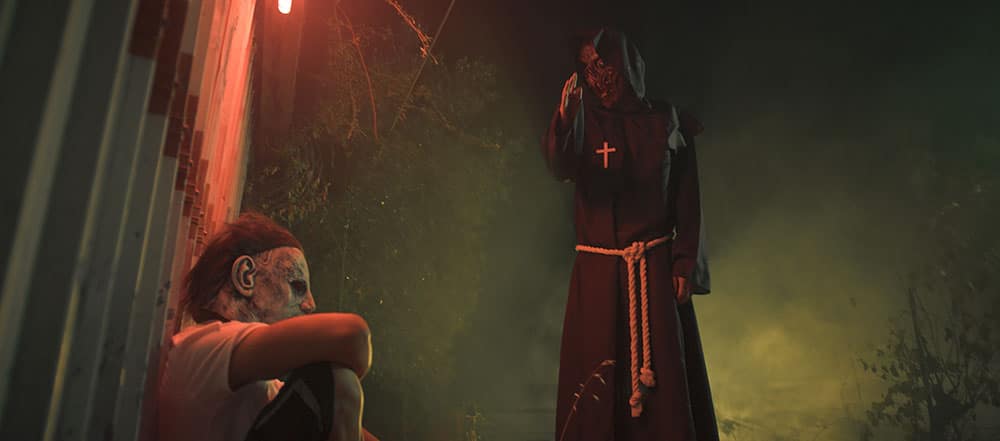
The genre originated from folklore and mythologies that were used as moral lessons for people. Naturally, as society evolved, horror also changed over the years. The horror stories of the late 18th and 19th centuries, like Frankenstein by Mary Shelley and Dracula by Bram Stoker, made the principles of modern horrors.
Horror moved into the film industry during the 20th century, with early silent pictures such as Nosferatu (1922) becoming the vehicle for a new form of visualization of horror. The recent reimagining of Nosferatu opened to critical and audience acclaim at the end of last year, recently picking up a few Academy Award nominations and proving both the enduring popularity and mainstream adoption of horror.
From silent films to modern movies and immersive, rapidly evolving video games, horror continues to capture our imagination and reflect the very essence of our humanity.



Follow Us!