


Exquisite craftsmanship elevates this haunting gothic tale; “Nosferatu” is a spellbinding achievement that demands you succumb to its charms.
No time to read? Click the button below to listen to this post.
Robert Eggers’ reimagining of Nosferatu is a gorgeous gothic masterpiece—a mesmerizing fever dream as seductive as it is sinister. This isn’t merely another vampire tale; it’s a masterful exploration of darkness that burrows under your skin and refuses to let go.
At the heart of this haunting symphony lies Bill Skarsgård’s transformative performance as Count Orlok.
Eschewing the familiar tropes of vampire mythology, Skarsgård—in his best and most impressive performance—creates something far more primordial and unsettling. His Orlok is death incarnate, a parasitic entity whose booming, otherworldly voice seems to emanate from the depths of hell itself. When he appears on screen, riding in like the fourth horseman of the apocalypse, the very air seems to grow thick with dread.
Orlok isn’t the hypnotically charming and sophisticated creature of the Dracula archetype—magnetic, alluring, and even sympathetically tragic; gone is the elegance and paradoxical beauty.
Instead, Eggers and Skarsgård make him intensely monstrous with a grisly appearance.
He is the personification of humanity’s doom. When he arrives, he brings with him the horrors of a plague, raining down death, disease, and despair with savage cruelty.
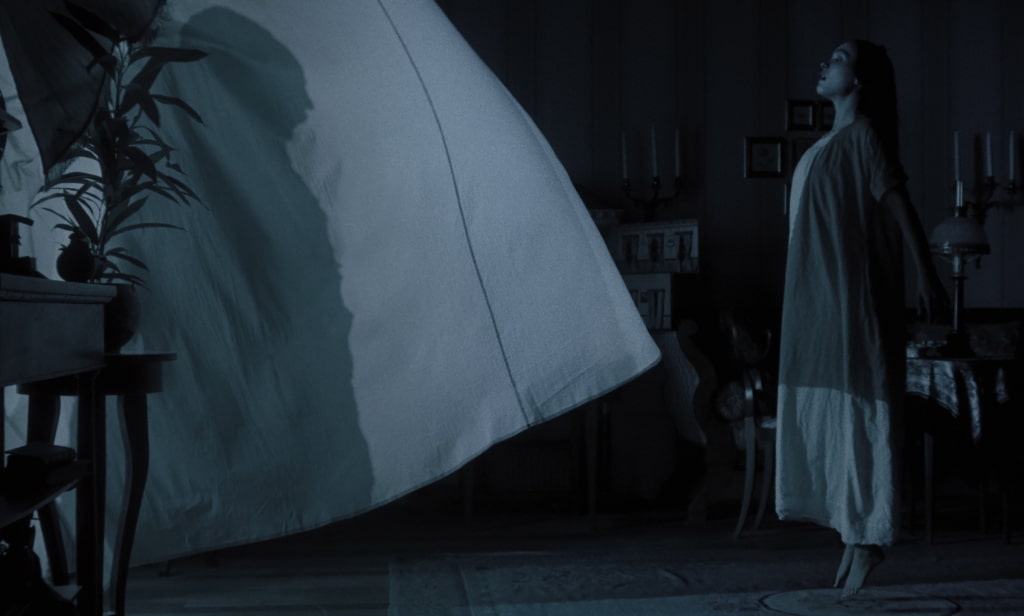
Lily-Rose Depp delivers a revelatory performance as Ellen, reinventing the character as far more than a passive victim. Her Ellen is a creature of contradiction–ethereal yet earthbound, frightened yet fascinated by the darkness that calls to her. Depp brings a raw physicality to the role that makes Ellen’s internal struggle between revulsion and desire palpable in every frame. The erotic tension between her and Orlok crackles with forbidden electricity, creating a dynamic that’s both disturbing and impossible to resist.
Eggers’ meticulous attention to period detail and atmospheric storytelling reaches new heights here.
The film is drenched in shadow and perpetual darkness, yet somehow manages to find moments of surprising intimacy in its horror. The creaking of wooden floors, the dance of firelight on stone walls, and the oppressive weight of ancient architecture create a cocoon of gothic ambiance that’s somehow comforting in its overwhelming menace.
Willem Dafoe provides crucial moments of sardonic relief as a Van Helsing-like figure, his signature eccentricity perfectly calibrated to break the tension without breaking the spell.
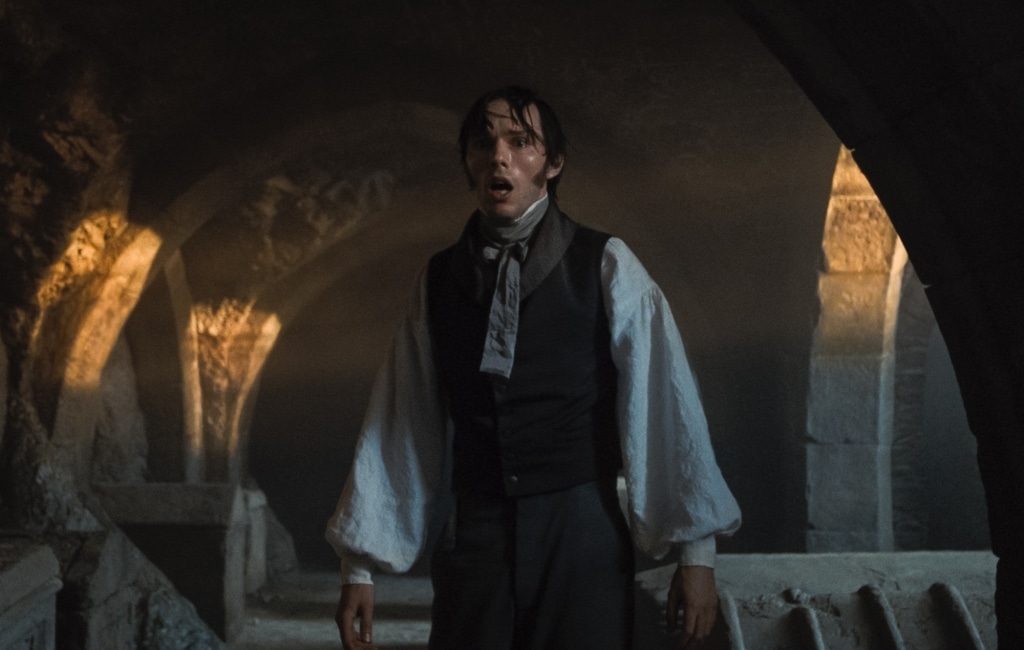
Nicholas Hoult brings a touching vulnerability to his role as Ellen’s beleaguered new husband, and he’s pitch-perfect when exuding sincerity and sheer terror. Simon McBurney is masterful as Herr Knock (the film’s version of Renfield), bringing pathos and tragedy to the role of an enraptured servant.
The technical achievements are nothing short of extraordinary.
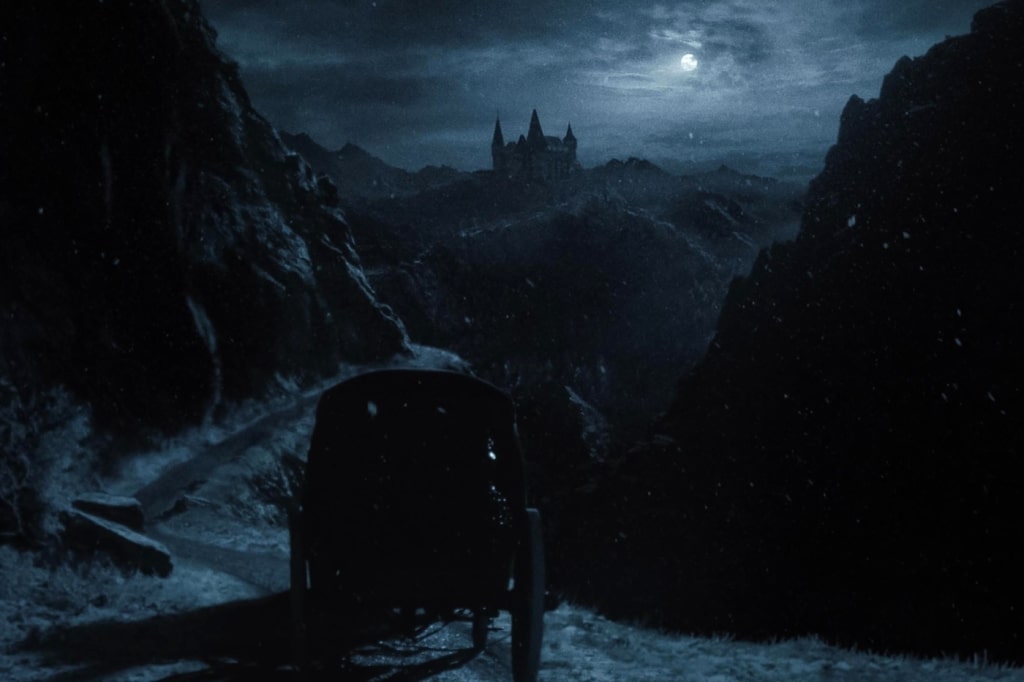
Every frame is composed with painterly precision, particularly in the breathtaking approach to Orlok’s castle and the loving odes to its sumptuous source material. Robin Carolan’s score weaves through the film like a fever dream, enhancing the overwhelming sense of cosmic horror that Eggers has conjured. The cinematography transforms every shadow into a potential portal to hell, making darkness itself feel alive and hungry.
What makes this film truly extraordinary is its ability to make audiences willing participants in their own seduction by darkness.
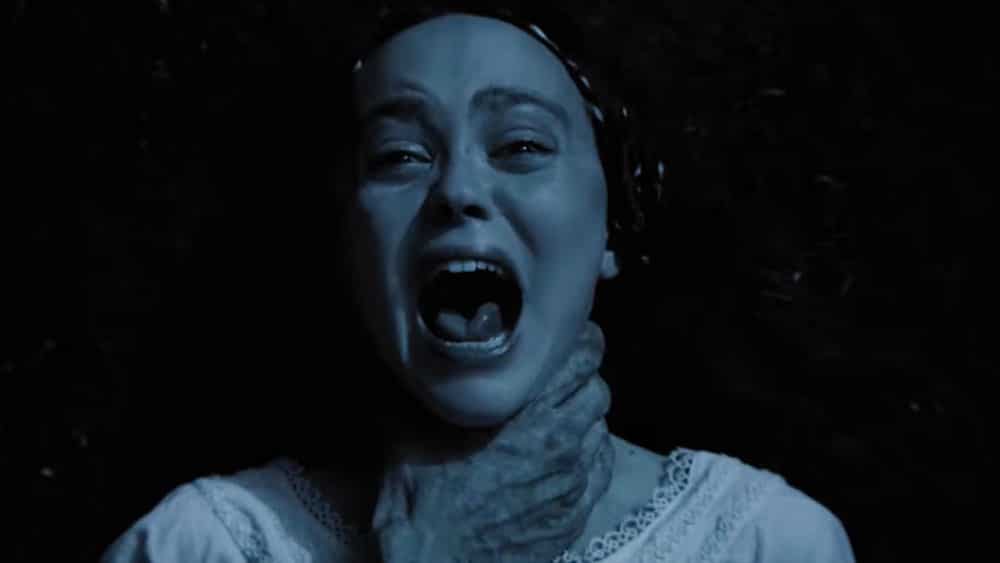
Like Ellen, we find ourselves drawn to Orlok’s otherworldly presence despite our better judgment. Eggers has created a gothic masterwork that’s simultaneously repulsive and irresistible, bleak yet beautiful, harrowing but enchanting.
As it chills with the ache of longing and the destructive power of obsession, it casts an unholy spell. Dripping in gothic dread, the darkness threatens to consume us, but we long for its embrace. As we are beckoned to our doom, we surrender willingly. It’s a lure we dare not fight.
Nosferatu deserves to be experienced on the largest screen possible, where its overwhelming atmosphere can fully envelop you.
It’s a rare achievement in horror cinema–a film that doesn’t just frighten but creates a complete sensory experience that lingers in your consciousness like a beautiful nightmare. It’s a testament to the power of cinema to transport us to places we shouldn’t want to go, yet we find ourselves unable to resist. It’s a dark jewel in the crown of modern horror, proving that in the right hands, classical horror can still shock, seduce, and leave us breathlessly begging for more.
Eggers has crafted not just a worthy adaptation of a classic but also a new classic in its own right, one that proves there’s still untapped potential in the depths of gothic horror.
Overall Rating (Out of 5 Butterflies): 5








Follow Us!