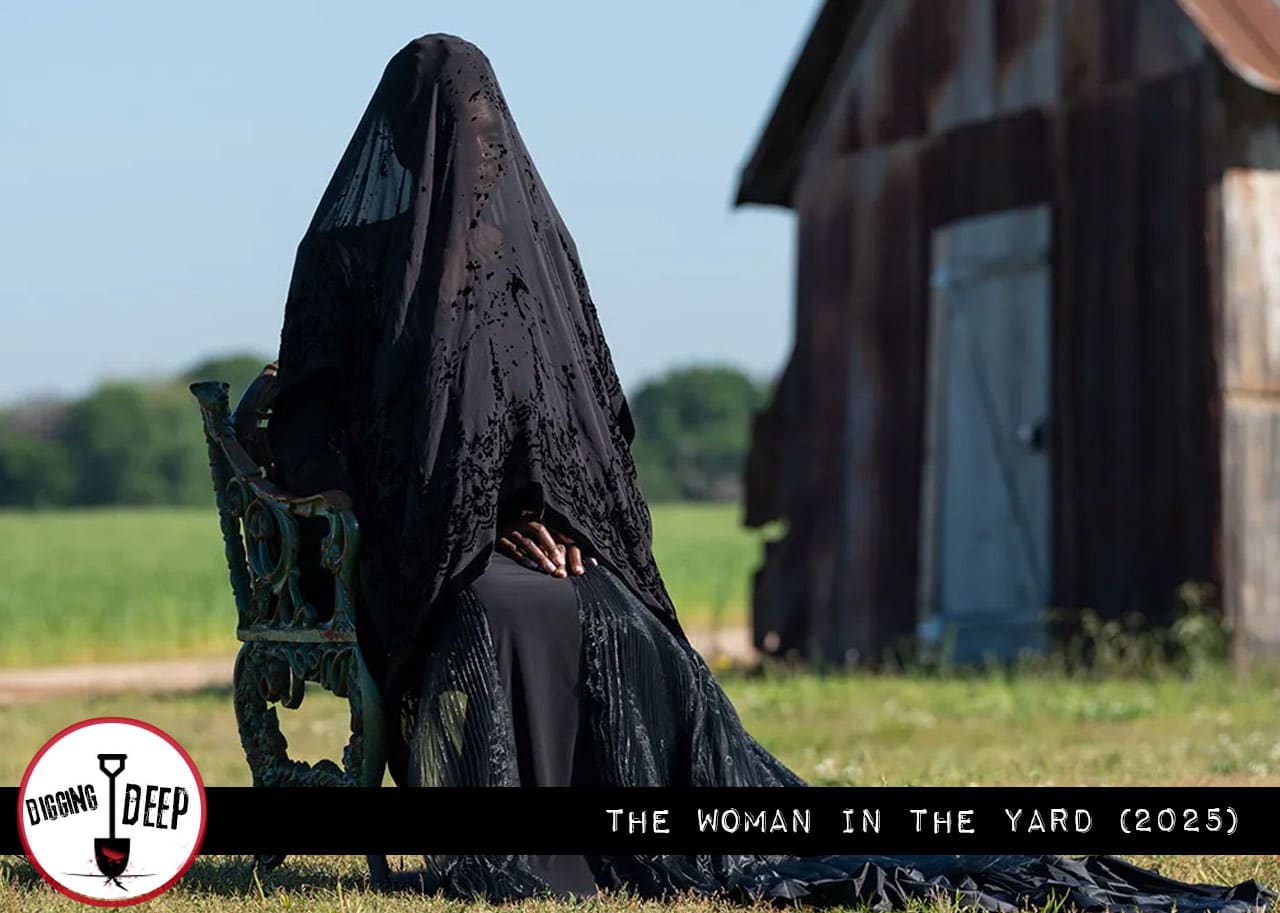
Digging Deep: The Woman in the Yard


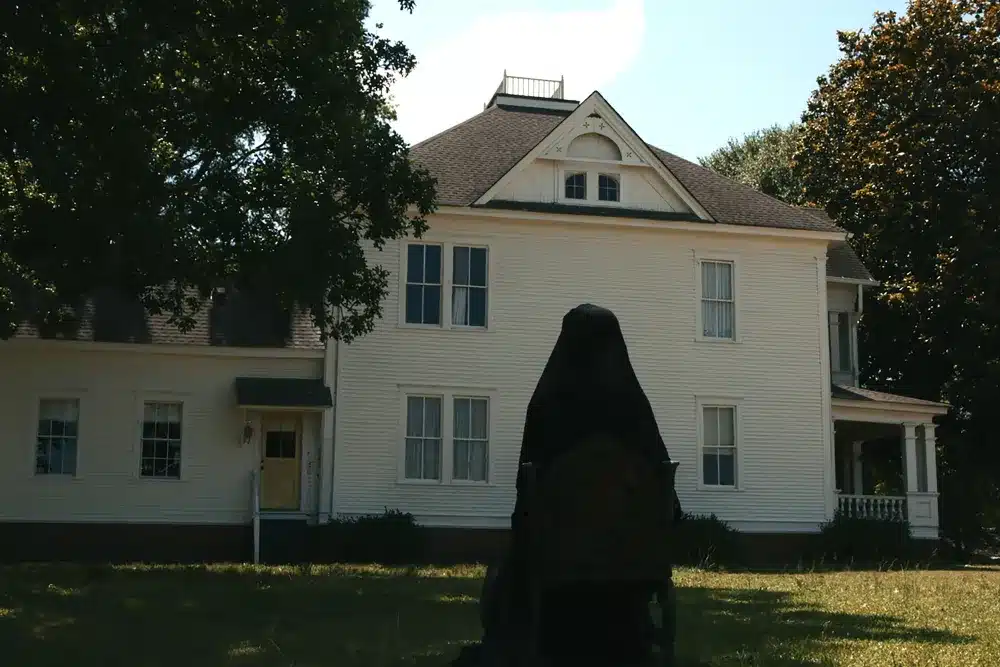
I heard a quote on TV as a child that stuck with me. “There’s nothing in the dark that isn’t there in the light.” I immediately thought, “But what was there, in the light?”
The Woman in the Yard seems to answer that question.
In the light, there are shadows. The shadows can hide insidious, horrid, little things, such as household pests. If a light is bright enough, it can “wash” perceived imperfections out. Try taking a photo and turning up the brightness and contrast almost all the way up; parts of your face will literally disappear (and you’ll look like me, on MySpace, in 2003).
Sometimes, we try so hard to wash the dark out with a bright enough light that we end up erasing parts of us that we perceive to be flawed when, in reality, they make us human. On the flipside, they may be flaws, but we edit out those parts instead of facing them.
Unfortunately, the darkness consumes people when we don’t face it.
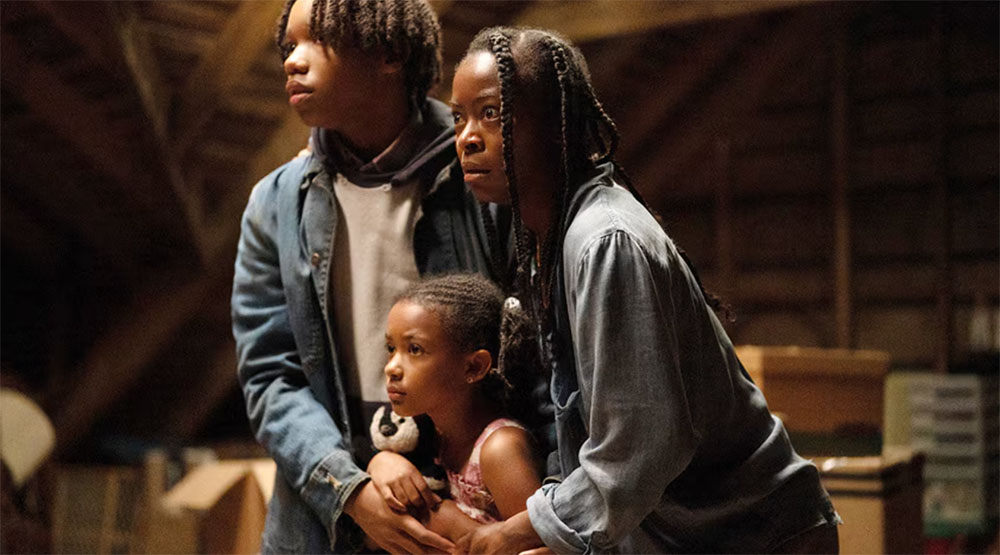
Plenty of horror films highlight the danger in darkness, but what if you weren’t safe in the light either?
I truly appreciate the art of taking something simple and making it unique. Think “Ramones-era” punk rock music, where people in ripped jeans and dirty tennis shoes could use simple power chords to write songs that would later become anthems for entire subcultures.
With that in mind, I was actually excited to see Blumhouse’s latest offering.
Horror is a great escape from the horrors of real life, but this film, as I’ve seen from many other reviews, did not provide this escape. That seems to have upset a lot of people. These are often the same people who think Cannibal Holocaust was an objectively good film, so I’m happy to write about a different perspective.
Furthermore, this is not my usual cup of tea. Mindless, campy slasher-fests are usually my go-to horror. They’re over-the-top and unrealistic, making them digestible for me. I’m not much for films that depict the horrors of real life, or “intellectual” horror. The more absurd, the better.
And yet, The Woman in the Yard worked for me in ways I was not expecting.
It honestly felt like heavy subject matter, and some folks didn’t feel it was handled lightly enough—but this is horror, and I won’t stand for Diet horror. I want the corn syrup, literally and symbolically.
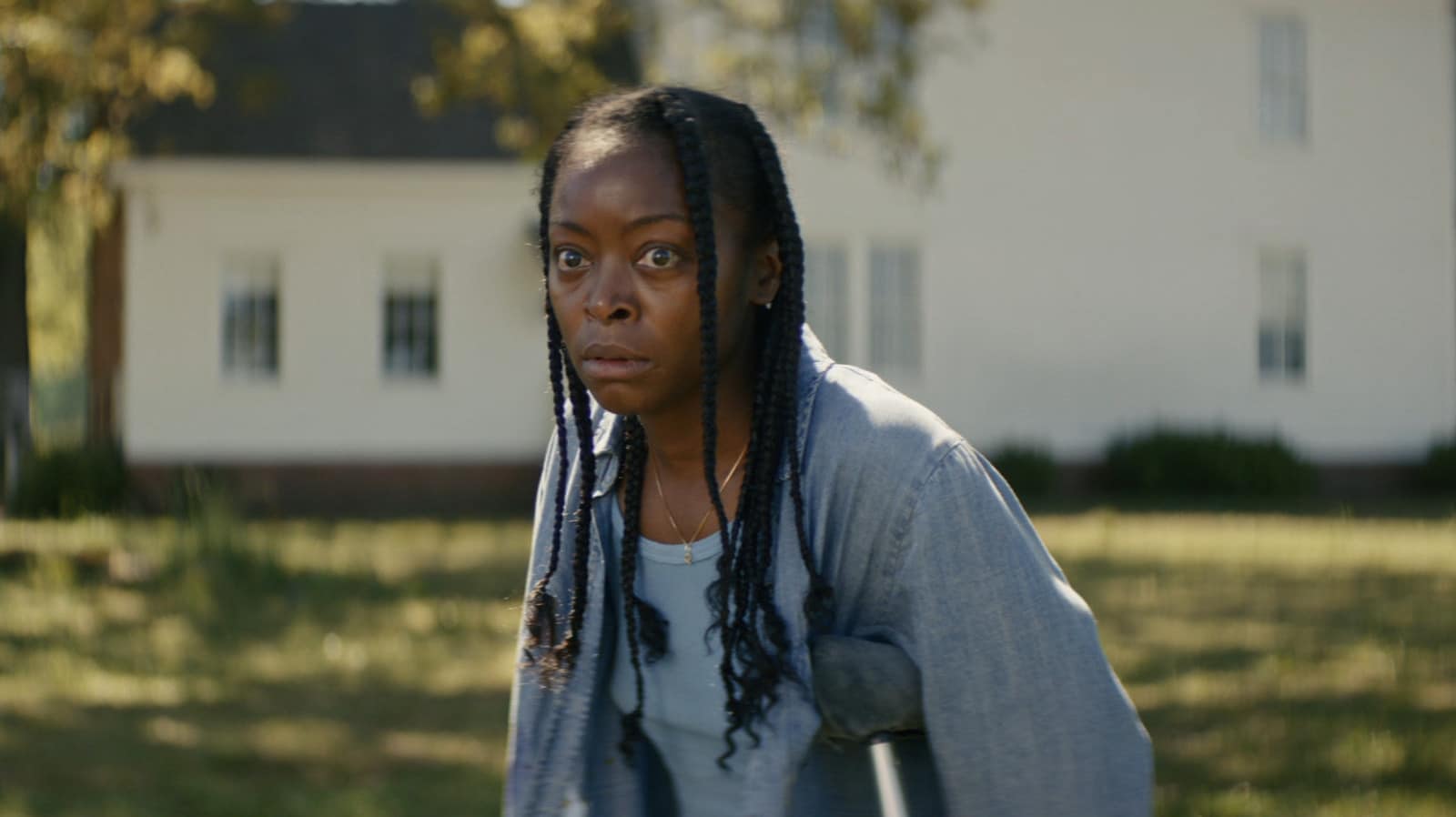
The main character, Ramona, is a mother whose husband died in a car accident. To make matters worse, she was the one driving the car. Grief already comes with a certain level of guilt at times, but knowing that she was at the wheel—and that she initially lied to her two children about it—seems to make the guilt unbearable.
Ramona is physically and mentally injured, and she makes it apparent that she feels like a monster because of it.
This was a far too relatable feeling. Sometimes, we feel that our suffering is causing harm to others. We feel like a burden. We feel like our loved ones would be better off without us.
We sometimes stop trusting ourselves, or suffer from psychosis, afraid of the harm we could cause to the people around us if we spiral out of control, which, paradoxically, tends to cause a spiral.
At the beginning of the film, we see Ramona in her bed, watching a video of her late husband on repeat, which seems like a pretty benign, normal response from a grieving widow, but everyone with depression knows that it can be downright insidious.
One day of “bed rotting” can be enough to cause some of us to drown in our pain, and Ramona has two children—Taylor, a teenage boy, and Annie, his little sister—to take care of.
I still have some semblance of manners, so I didn’t check the time during the movie, but I felt like I waited a good 15 minutes just for something—anything—noteworthy to happen.
As soon as I said to myself, “I’m getting bored; we get it, she’s miserable, and I only need so much back story and watching her hobble around on crutches,” the Woman showed up.
Despite her leg injury from the recent car accident, Ramona goes outside to confront the woman. She initially seems harmless enough, simply out of touch with reality. Soon, however, the woman says some things that reveal her truly sinister nature.
According to every other review I have read for this film, I was too stupid to see where this was going, but I went into this not knowing anything about it except for one short trailer from YouTube. If you spoil a movie by posting a review on a public forum when it’s still very new, I don’t listen and judge you.
It doesn’t take long for our protagonist to realize that she’s in a heap of trouble.
The car won’t start, her phone is dead, and the electricity is shut off in the home because their bill is past due. There is no viable way to escape or call for help, especially since they live on a farm in a rural area.
Worst of all, she must protect her children, though she is suffering from a physical injury that makes it difficult to complete seemingly simple tasks (for an able-bodied person).
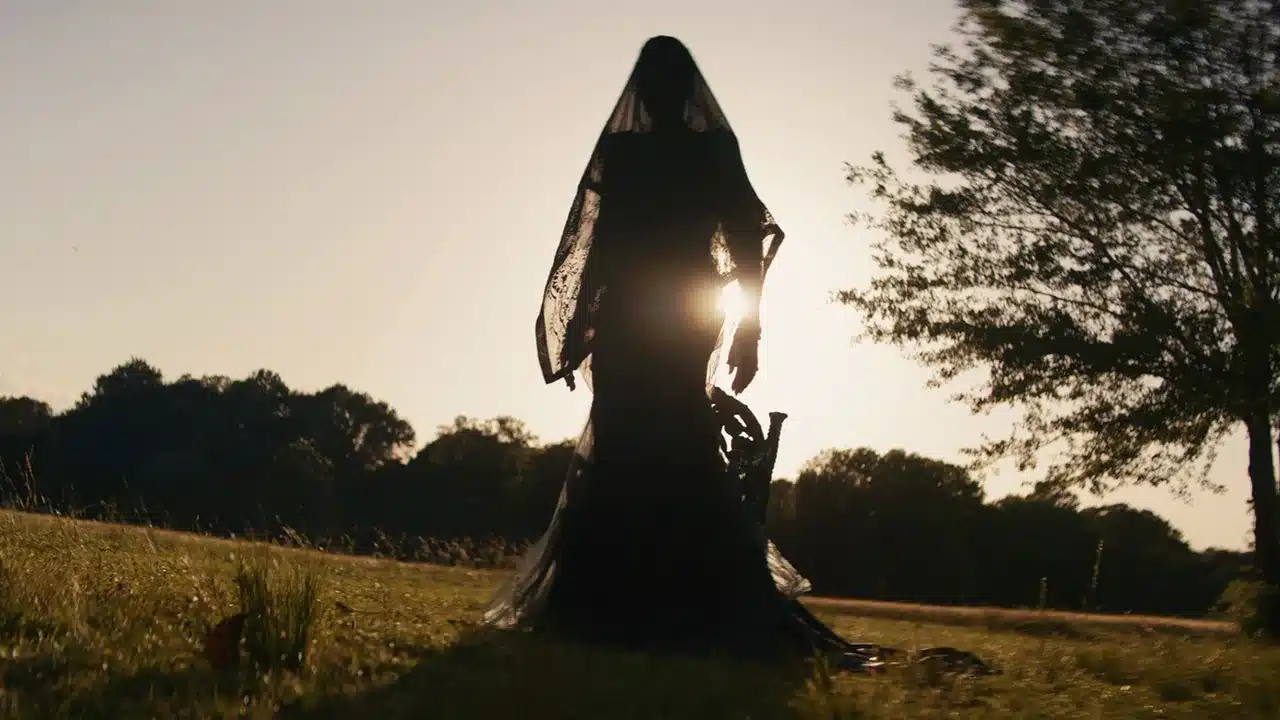
As the woman nears the home, Ramona becomes increasingly frustrated, potentially on the verge of a breakdown. It quickly becomes apparent that this frustration is mostly with herself, and she tries to make amends with her children.
Demons—however you define them—prey on emotional vulnerability. Ramona is no exception to this. The Woman sees her suffering and tries to exploit this vulnerability to harm the family of three.
At one point, we witness the initial confrontation in the front yard again, and we see that Ramona is viewing things through her eyes as well as the eyes of The Woman.
Ramona doesn’t want to suffer anymore, and especially doesn’t want her children to. She will do anything to keep The Woman from harming her children.
What follows is an emotionally gripping climax, a moment of humanity shown through the act of unconditional love, and hope for redemption against all odds.
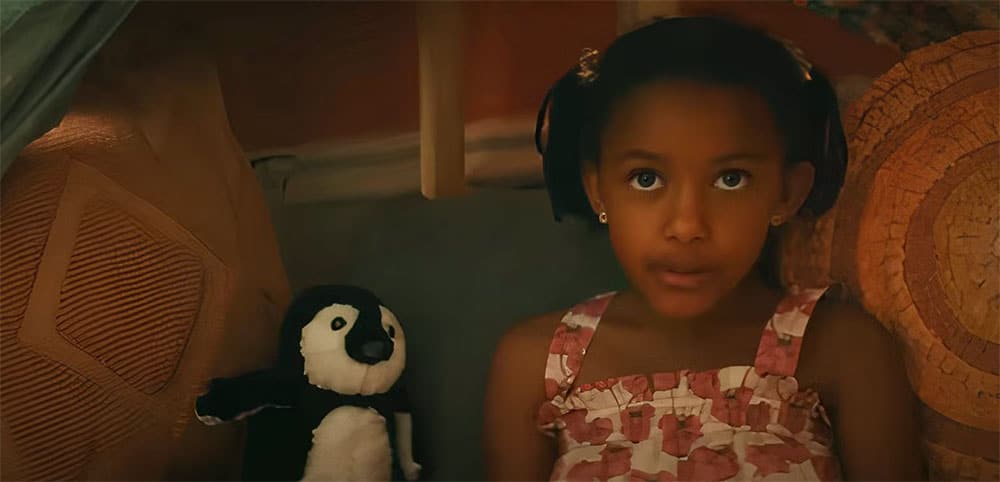
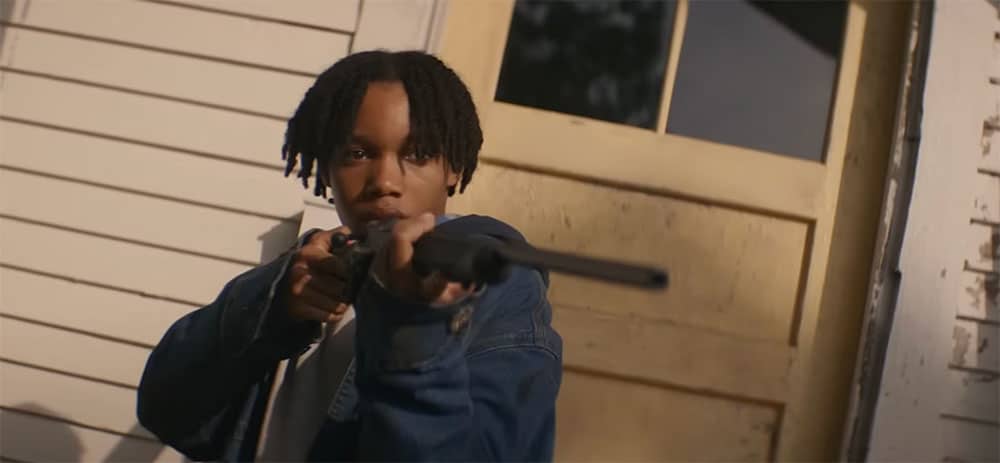
Our protagonist picks up her husband’s old gun and then struggles to fight the hands of The Woman until she seems to become too worn down to keep fighting. Moments later, the hope I initially felt turns to dread as I see the family reunite outside the house. Everyone is smiling and happy.
I think any normal person knows not to trust it, but the scene continues. It seems to show a time lapse, of sorts, of the family moving on and having a wonderful life together. It appears that Ramona has even renewed her passion for painting—that is, until we notice her signature on one of her paintings—the R in her name is backwards.
Oh no, was she dead this whole time? Did they all die? Was she stuck in the “in-between” until she took her own life?
I found the latter to be the most plausible, as someone who’s struggled with suicidal ideation before. If you have been there, you probably know about it. It’s that period of time when I completely lost touch with reality, but I was still fighting, despite feeling too weak to do so. My mind refused to live, but my body refused to die.
Eventually, a moment comes when we have to make the choice, but sometimes the darkness swallows us whole, and we just can’t choose life. It seems that Ramona’s depression, demons, or whatever you wish to call it, chose for her to let go.
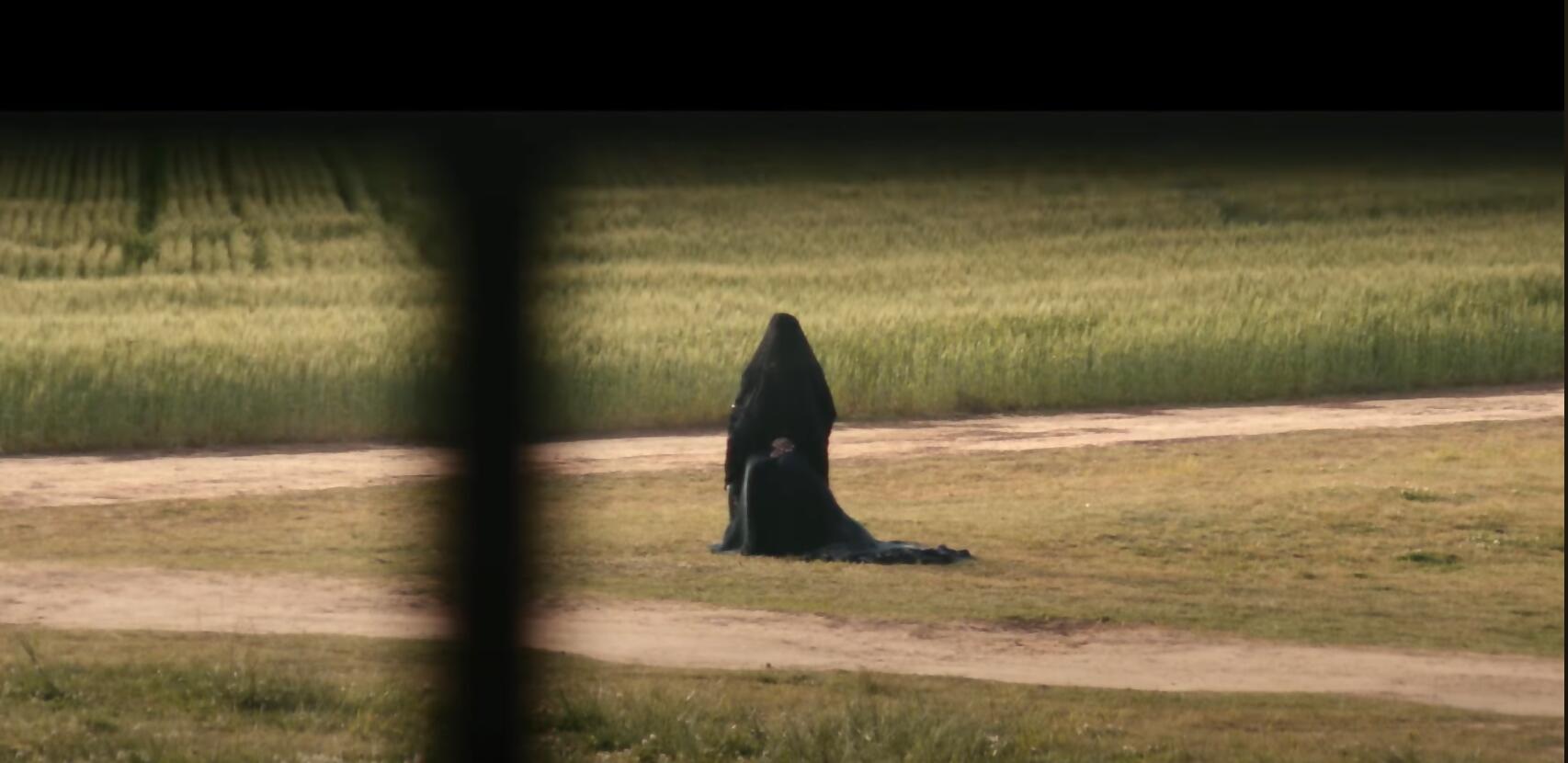
Some might find this film “lazy,” and some might say it was trying too hard. Personally, I found it to be a straightforward representation of how it can feel to face our inner demons and the traumatic experiences that life throws at us.
Before the credits roll, the audience is provided with numbers for crisis/suicide hotlines, which I thought was a nice touch.
In conclusion, I don’t think The Woman in the Yard was anything groundbreaking. Still, I appreciated director Jaume Collet-Serra’s ability to blend some supernatural, abstract elements with a concept that was also raw and straightforward.
Perhaps it resonates more if you’ve personally faced your darkest demons and understand that true horror often resides in our own minds—in grief, guilt, despair, and the nagging fear that nothing is going to be ok.

She’s a lover, he’s a fighter. Together, they’re CHEER AND LOATHING. Tune in to hear your hosts, Stephanie (Cheer) and Casey (Loathing), clash over the films they love — and the ones they love to hate.
In this holiday extravaganza episode of Guilty Pleasures, join hosts Stephanie, Kelly, and our newest addition, Jonathan (Jack was tied up in tinsel and couldn't join us), as they unwrap the bizarre and unhinged world of holiday cinema. They dive into the depths of Elves, a film that's as chaotic as it is entertaining. It's a sleigh full of questionable decisions, diabolical dialogue, absurd plot twists, wildly offensive antics, and unhinged holiday mischief.
And that's not all! In the second half of the podcast, join your festive cinephile friends for a look at four more ”nutty as a fruitcake” holiday treats: A New York Christmas Wedding, Elf Bowling, A Medea Christmas, and Jack Frost. Plus, we each offer a bonus Christmas flick guaranteed to make you say, ”Ho, Ho, HO-LY Hell!”
Expect laughter, disbelief, and a spirited debate about what truly makes a movie a guilty pleasure. Don't miss this festive journey through the weirdest corners of holiday films!










Follow Us!