


From Laurie to Sienna, the Final Girl has evolved into something mythic—not just a victim who endures, but a warrior who fights destiny.
No time to read? Click the button below to listen to this post.

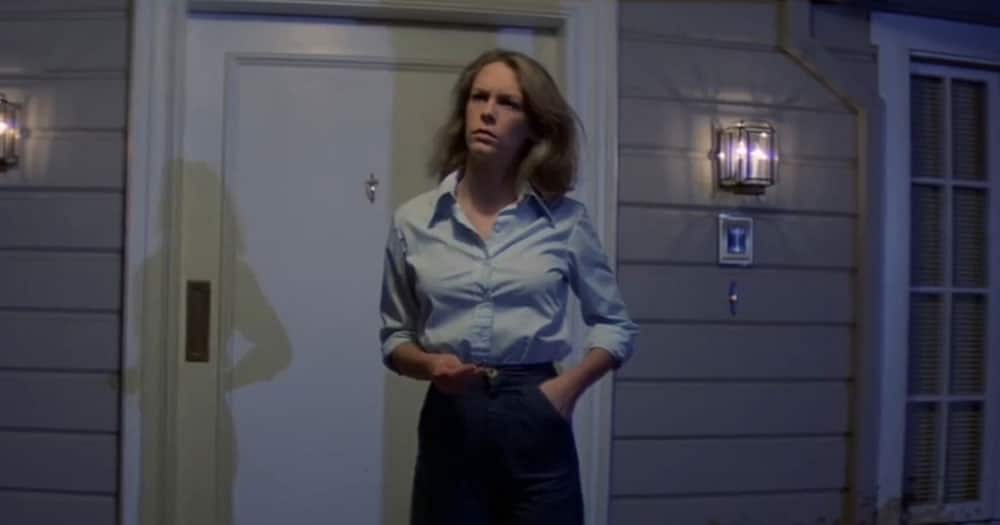
In October 2022, the legendary horror series Halloween wrapped up with Halloween Ends, closing the chapter on Laurie Strode—a character who’s been the blueprint for the “final girl” ever since John Carpenter introduced her in 1978.
Laurie began as the classic final girl: the last woman standing, a survivor shaped by fear, trauma, and a patriarchal story that cast her as reactive rather than heroic. Over time, Laurie’s character evolved alongside society’s shifting views on strength, survival, and femininity, and she was joined by other final girls who challenged or expanded the trope.
But the story doesn’t end with Laurie.
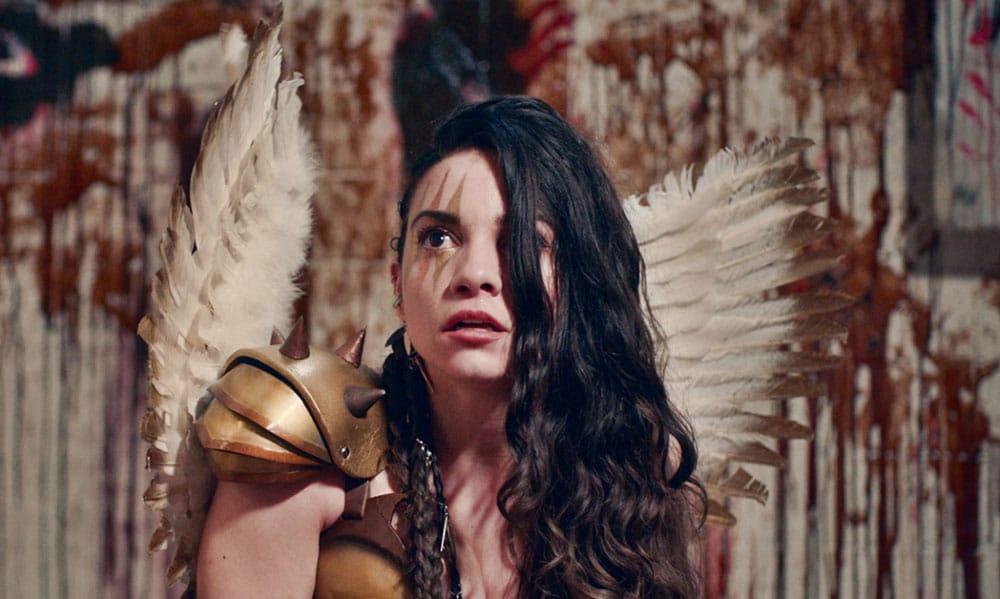
In the same year, a new final girl emerged, representing something fresh and exciting in horror: Sienna Shaw, the heroine of Terrifier 2 and Terrifier 3. Unlike earlier final girls who fought to simply survive, Sienna is a mythic warrior. Her journey echoes Joseph Campbell’s famous Hero’s Journey, complete with a call to adventure, trials, symbolic weapons, and an ultimate showdown against evil.
She’s not just a survivor; she’s a chosen warrior, carrying the weight of destiny and myth.
This essay examines the evolution of the final girl archetype through the analysis of four iconic characters: Laurie Strode, Nancy Thompson (A Nightmare on Elm Street), Sidney Prescott (Scream), and Sienna Shaw. By examining their stories, we see how the final girl has shifted from a lone, reactive survivor into a powerful, complex figure who fights back on her own terms.
Sienna’s story marks a new stage in this evolution, where horror’s heroine is no longer just about escaping death but about embodying a larger, mythic battle between good and evil.
What Makes a Slasher? Placing Terrifier in the Slasher Landscape
To understand how the final girl has evolved, especially with Sienna Shaw in Terrifier, it helps to first define the slasher subgenre.
Carol Clover traces slashers back to Hitchcock’s Psycho (1960), but the modern slasher took shape around 1974 with The Texas Chain Saw Massacre. Classic slashers feature a male killer driven by “psychosexual fury,” often large, masked, and seemingly unstoppable. These killers are outsiders, almost supernatural in their ability to survive injuries, and they remain the “fixed element” across franchise entries (29-30).
The setting, or “Terrible Place,” is usually some isolated location: a house, a tunnel, not the home of the final girl (30-31). The killer’s weapon is phallic: knives, hammers, claws, anything designed to penetrate the body (31-32). Victims tend to be sexually active teens, with teen boys dispatched quickly and at a distance, while teen girls die more slowly, their suffering shown in close-up detail (32-35).
And then there’s the final girl… the lone survivor.
Clover writes:
“She is the one who encounters the mutilated bodies of her friends and perceives the full extent of the proceeding horror and her own peril; who is chased, cornered, wounded; who we see scream, stagger, fall, rise, and scream again. She is abject terror personified. She alone looks death in the face, but she alone also finds the strength either to stay the killer long enough to be rescued (ending A) or kill him herself (ending B).” (35)
Typically, the final girl of the late ’70s and early ’80s is portrayed as sexually unavailable—either shy, awkward, or disinterested in romance. She avoids risky behavior, acts responsibly, and often carries a caring, maternal presence (Gill 23). She also serves as an investigative lens for the audience, showing intelligence, curiosity, and paranoia (Clover 53).
Origins of the Final Girl Trope
Carol Clover made it clear from the start: the final girl isn’t exactly a feminist hero; she’s more like a “male surrogate” (53).
Early on, she’s the terrified female, but by the end, there’s a twist. She’s still a woman, but she picks up traditionally masculine traits as she fights back. Since Western stories often portray men as heroes, the final girl usually assumes these male qualities, sometimes even appearing “boyish” as she battles the killer (40, 61).
Clover also assumed slashers were primarily made for teenage boys (23), but other researchers disagree.
Richard Nowell points out that slashers emerged alongside “date movies,” films designed to attract young couples, meaning the audience was often half female (122). Writers even crafted strong female leads on purpose to appeal to women, directly challenging Clover’s idea about the fan base (121). Studios assumed that men would watch horror movies regardless, so marketing campaigns focused on drawing in women (125).
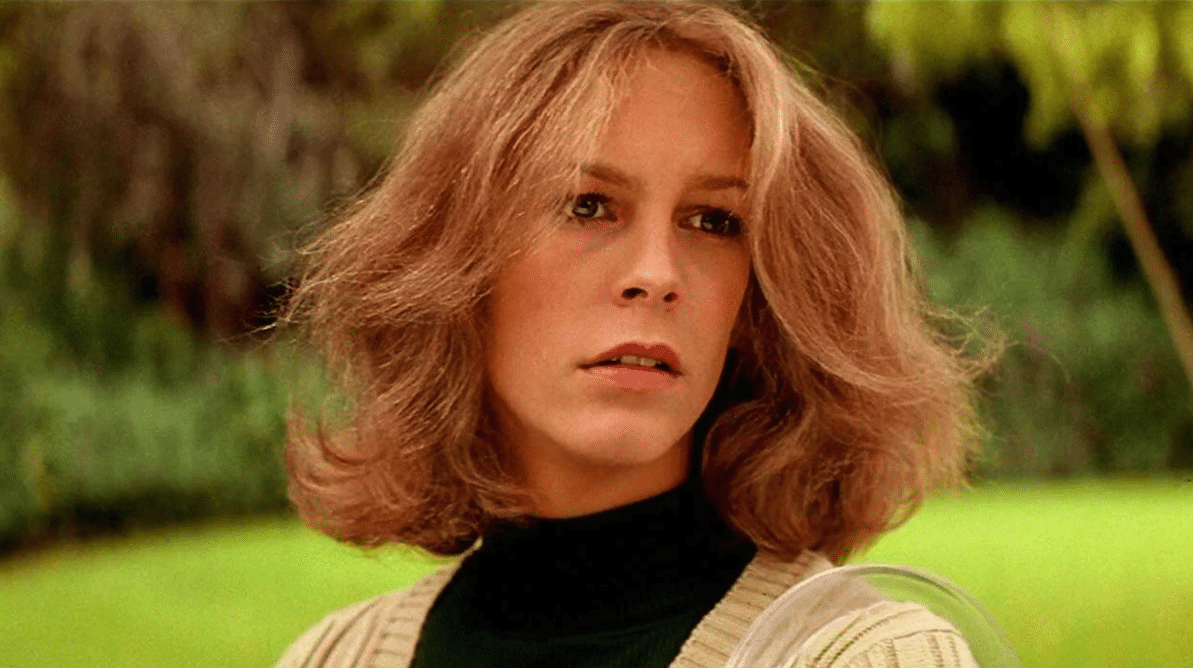
Debra Hill, co-writer of Halloween (1978), ensured that the teen girls’ dialogue felt authentic, and Laurie Strode was often portrayed as calm and relatable in posters, signaling a fresh kind of heroine (129). This approach to marketing stuck around through slasher remakes (140).
The original slasher craze also reflected the times.
It began during the late 1970s economic slump, a period characterized by conservative social values and struggling middle-class families (Kvaran 953). The slasher wasn’t some distant terror; it was right in the neighborhood. Teens were allowed to explore sexuality, but paid the price by becoming targets of the killer (West).
These films both mocked and longed for the stability of middle-class American life, and their often-lost victims turned to risky behavior as a way to cope, making them easy prey (Gill 17, 23).
The Evolution of the Final Girl Archetype
Laurie Strode – The Original Final Girl
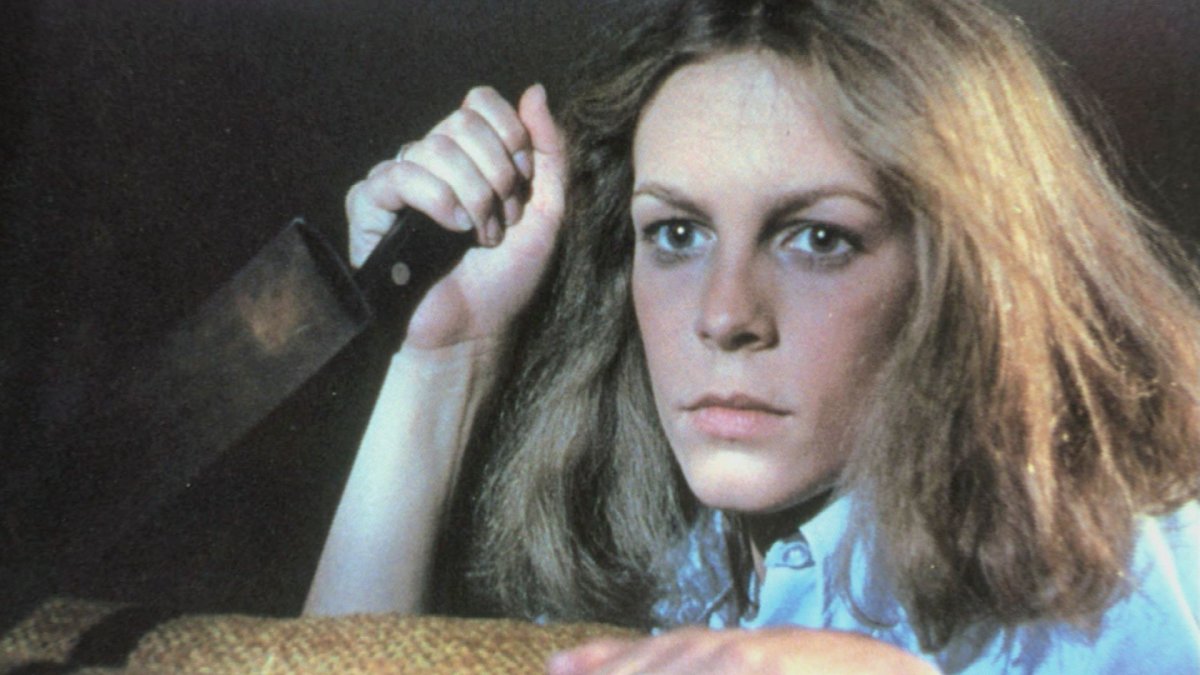
Laurie Strode, introduced in Halloween (1978), set the blueprint for the Final Girl. She is responsible, vigilant, and androgynous in appearance, embodying traits traditionally coded as masculine while maintaining relatability. Laurie survives Michael Myers’ attacks through endurance and quick thinking, often relying on improvised weapons like a kitchen knife.
Though she escapes, Laurie’s victory is largely reactive—she does not chase Michael or experience a heroic transformation. Her role reflects the patriarchal and moralistic framework of early slashers: victims who transgress socially are punished, while Laurie survives as a model of responsibility and cautious morality.
In later films (Halloween 2018–2022), Laurie evolves, her survival shaped by trauma, hypervigilance, and fierce protection of her family. She begins to embody agency, blending resilience with maternal instinct, setting the stage for future Final Girls who fight on their own terms.
Nancy Thompson – The Supernatural, Strategic Final Girl
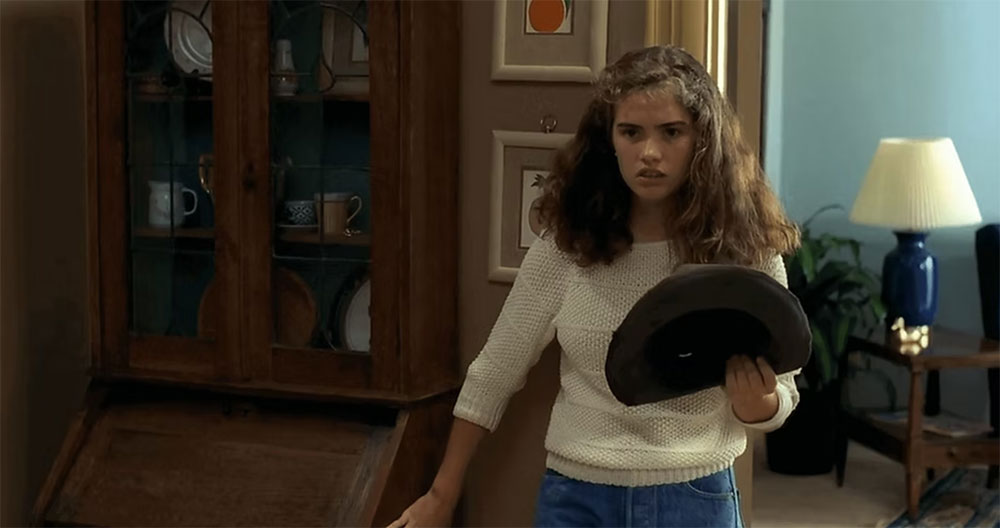
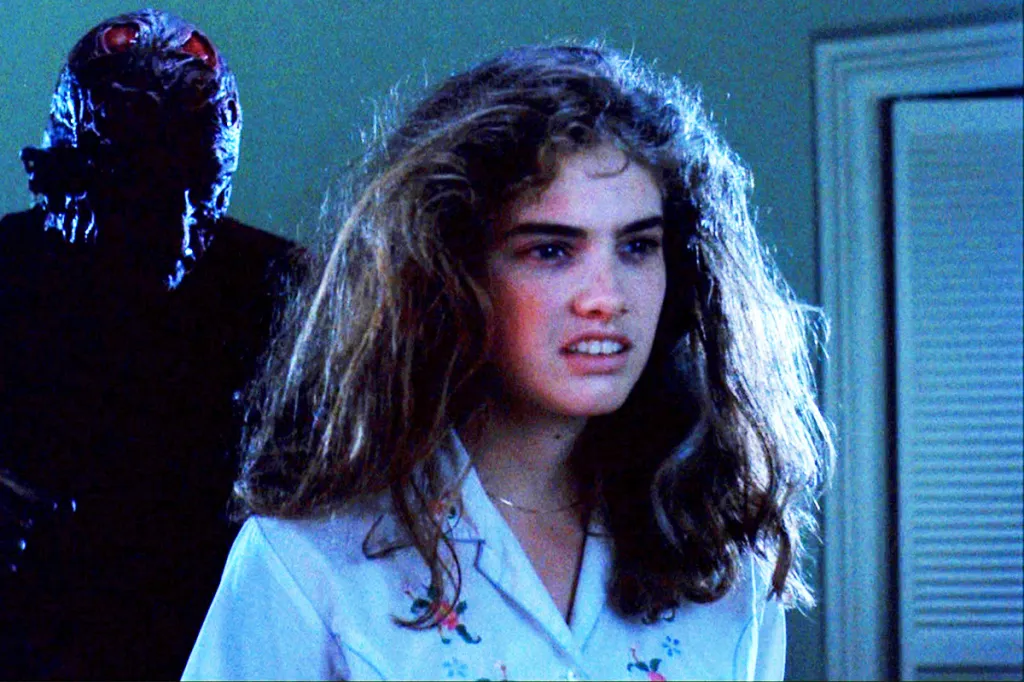
Nancy Thompson in A Nightmare on Elm Street (1984) expanded the Final Girl archetype. Facing a supernatural killer, Freddy Krueger, she blends intelligence, strategy, and physical defense, taking an active role in confronting evil. Nancy sets traps, investigates Freddy’s history, and even drags him into the real world, showcasing a blend of brains and bravery.
She also challenges the “virgin rule” of early slashers: her strength is rooted in moral and intellectual resolve rather than sexual purity. In Dream Warriors (1987), Nancy mentors other survivors, introducing a collective, feminist form of agency.
In New Nightmare (1994), she transcends fiction, battling both Freddy and cultural myth, becoming a meta-aware protector—a bridge to the modern, empowered Final Woman.
Sidney Prescott – Trauma-Centered, Meta-Aware Final Woman

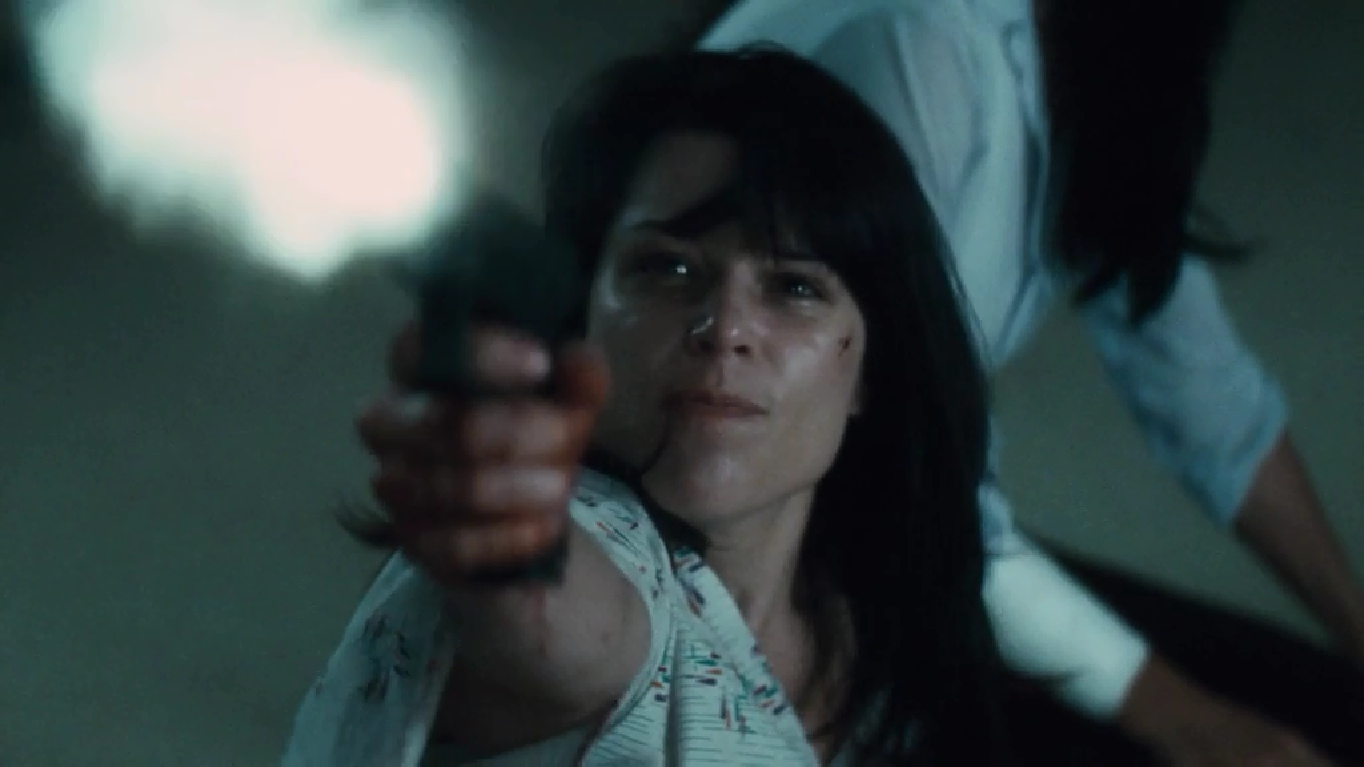
Sidney Prescott (Scream, 1996) reflects both continuity and innovation in the Final Girl tradition. Her survival is shaped by trauma—her mother’s murder haunts her story—while her resourcefulness, intelligence, and courage push her beyond the reactive survivor of the ‘70s. Sidney fights back, even taking on the Ghostface mask herself, and chooses firearms over traditional slasher weapons, signaling new forms of agency.
The Scream films’ meta-awareness draws from Nancy Thompson’s precedent, inviting audiences to engage critically with horror tropes while highlighting Sidney’s resilience. Through her survival across multiple sequels, she becomes a lasting “Final Woman,” embodying both trauma-informed courage and thoughtful, strategic empowerment.
The New Girl on the Block: Sienna Shaw – Warrior Final Girl
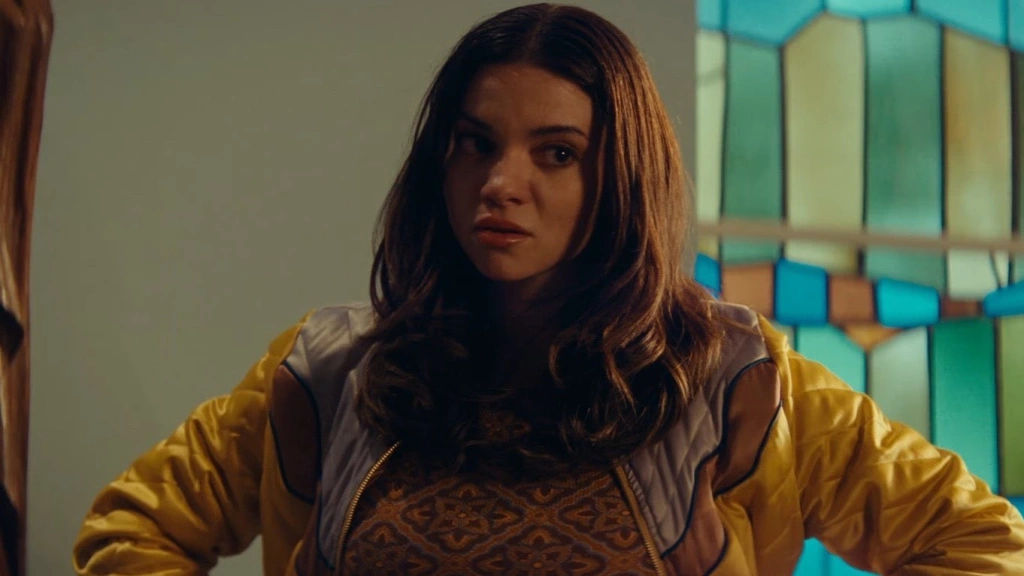
Sienna Shaw represents the latest evolution of the Final Girl archetype, building on the legacy of Laurie Strode, Nancy Thompson, and Sidney Prescott. Unlike earlier Final Girls who often survive through endurance or reactive defense, Sienna steps into her role as a warrior from the very beginning. Her story blends personal trauma with supernatural elements, merging classic slasher conventions with mythic and mystical themes reminiscent of A Nightmare on Elm Street.
This signals a bold, fresh direction for the Final Girl in contemporary horror.
The Warrior’s Legacy: Family, Trauma, and Empowerment
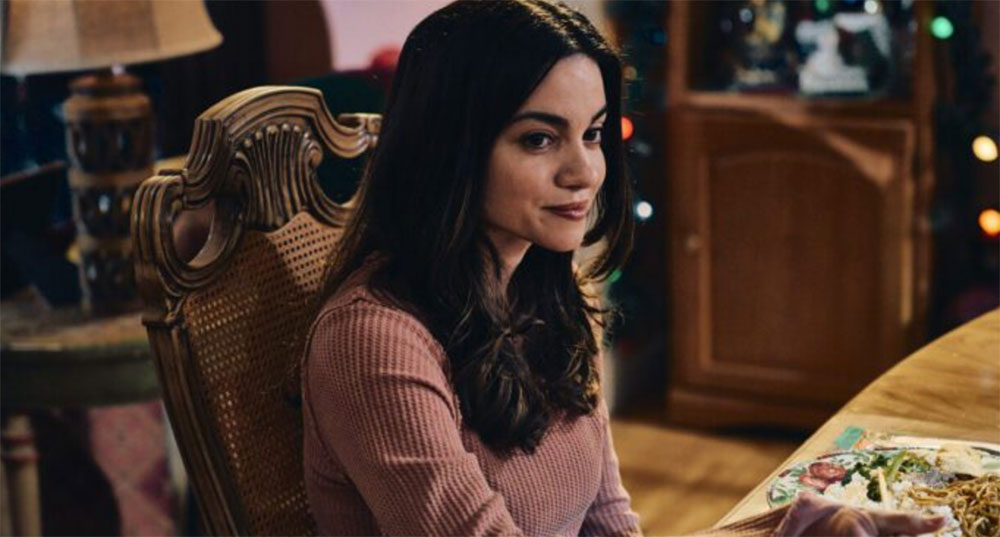
Sienna’s journey extends beyond solitary survival into a complex struggle shaped by family legacy and evolving notions of trauma and agency. Her protective bond with her younger brother Jonathan echoes Laurie Strode’s guardianship in the Halloween films, highlighting how modern Final Girls are increasingly defined by responsibility, moral clarity, and agency.
Family is both a source of trauma and strength for Sienna. Her fractured relationship with her mother contrasts with the supportive connection she shares with Jonathan, adding emotional depth reminiscent of Laurie’s ties with Allyson and Karen. In Terrifier 3, the introduction of Aunt Jess, Uncle Greg, and cousin Gabbie provides stability and emotional support, creating a domestic “Terrible Place” threatened by Art the Clown.
Cousin Gabbie idolizes Sienna as a warrior, raising the stakes emotionally and positioning Sienna as a protector of future generations.
The Mythic Father: Legacy and Supernatural Guidance
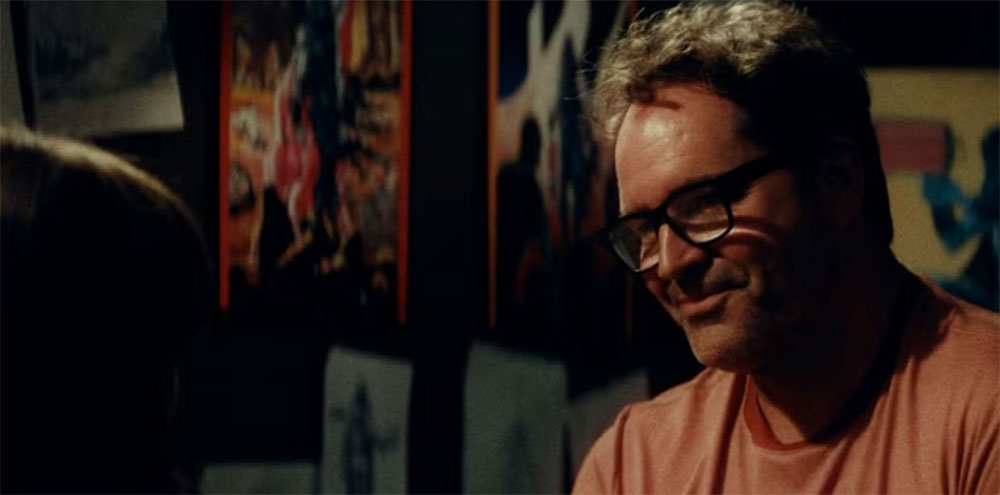
At the heart of Sienna’s journey is her father, whose presence transcends death and shapes her destiny. Though he dies before the events of Terrifier 2, he continues to guide her through visions, sketches, and the creation of her Valkyrie warrior costume. His role as a mentor and source of inspiration signals a significant departure from the often absent or harmful male figures in slasher films, marking Sienna’s empowerment as rooted in inherited strength rather than trauma alone.
The supernatural guidance her father provides elevates Sienna beyond traditional survival narratives. Unlike Laurie’s trauma, which fractures her, Sienna channels her father’s legacy into power, positioning her as a mythic warrior whose fight is both personal and cosmic.
The Sword as Inherited Purpose
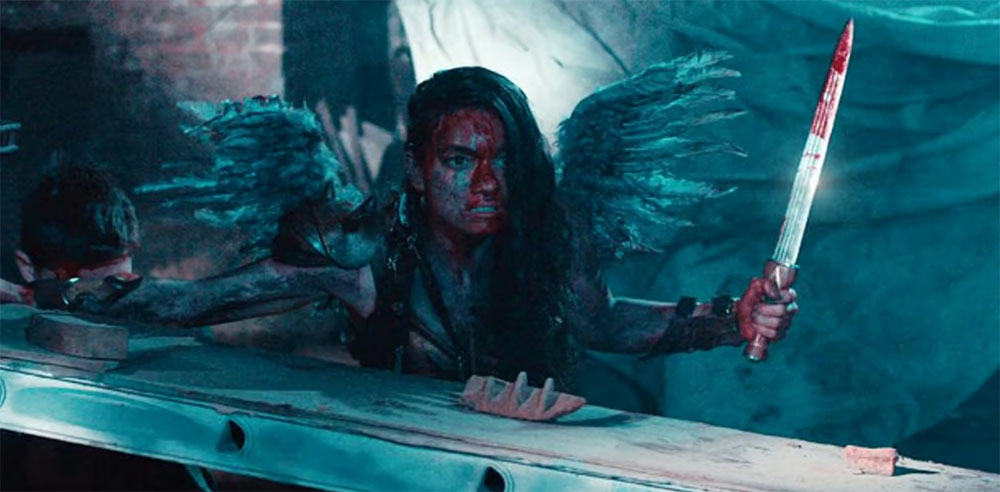
The symbolic centerpiece of Sienna’s transformation is a sword gifted by her father. Unlike the improvised or phallic weapons of classic Final Girls—Laurie’s knives, Nancy’s traps, Sidney’s gun—Sienna wields a deliberate, purposeful tool.
- A Mythic Object: The sword links her to heroic traditions, symbolizing authority, transformation, and destiny.
- Contrast with Classic Slasher Weapons: It is not seized in panic; it is inherited, intentional, and imbued with power.
- Father as Mentor Through the Sword: The weapon embodies her father’s guidance, reinforcing that her strength is both personal and familial.
Through the sword, Sienna transcends survival. She becomes a chosen protector, a warrior whose fight is meaningful and mythic rather than merely reactive.
Conclusion: A New Myth for Horror’s Final Girl
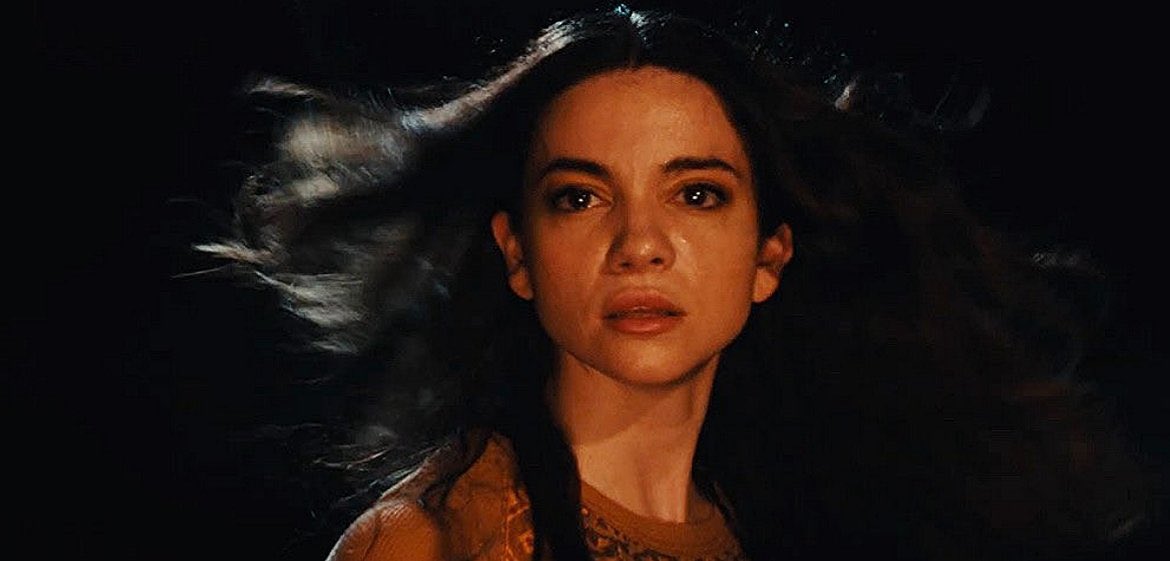
Sienna Shaw redefines the Final Girl in modern horror. Moving beyond mere survival, she embodies a warrior shaped by family, legacy, and supernatural purpose. Her story merges emotional realism with mythic resonance, transforming her into a heroic figure who protects not only herself but those she loves.
Through her relationships with Jonathan, her extended family, and the guiding presence of her father, Sienna represents a new model of strength—rooted in community, inherited purpose, and deliberate action. Her sword symbolizes this shift, connecting her to a heroic lineage beyond the slasher tradition.
Sienna Shaw demonstrates that the Final Girl can be more than a survivor or reactive fighter. She is an empowered, mythic figure—resilient, righteous, and ready to rise again—signaling a transformative moment for horror cinema that honors its roots while forging bold new territory for stories of trauma, survival, and empowerment.
AUTHOR BIO
Lillian Venskus is a film scholar and lifelong horror enthusiast with a Master’s in Film and Media Studies and a background in art history. She teaches Introduction to Cinema in a community college setting, where she often uses horror as a lens to examine social anxieties, historical trauma, and the power of visual storytelling. Lillian is passionate about demystifying film theory and helping audiences uncover what our favorite nightmares say about us.













1 Comment
1 Record
Valencia wrote: