


Beneath the magic and whimsy, the films of Ghibli confront the horrors of war, environmental destruction, and humanity’s darkest tendencies.

The artistry of Studio Ghibli, often lauded for its whimsical beauty and gentle narratives, carries a profound undercurrent: a fierce, unwavering pacifism that echoes through every frame. Hayao Miyazaki, the studio’s heart and soul, is not merely a storyteller; he’s a moral compass, guiding us through fantastical worlds that mirror the raw, often brutal realities of our own.
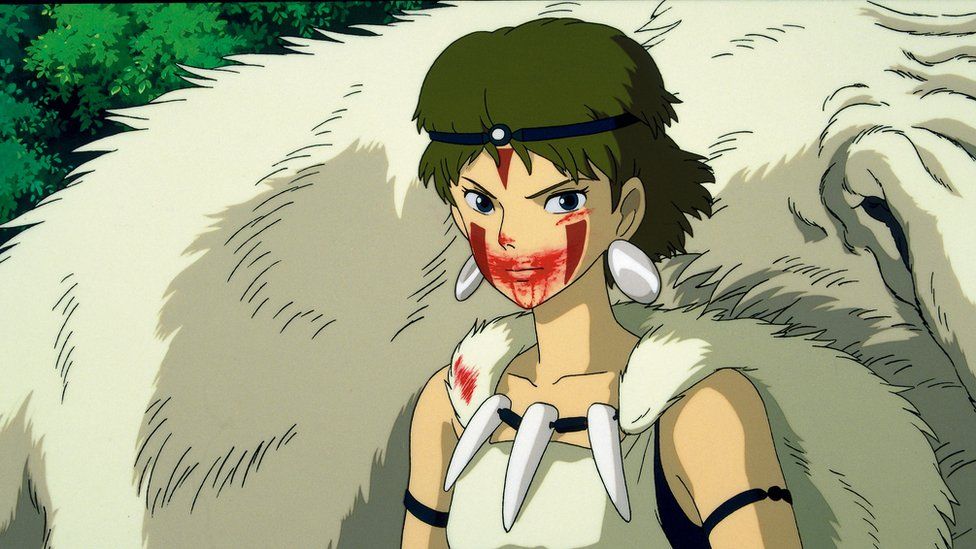
His refusal to attend the 2003 Academy Awards in protest of the Iraq War stands as a testament to his unwavering commitment to peace. Princess Mononoke drew from his disgust with the Gulf War and with Japan’s oppression of its native peoples. The U.S. invasion of Iraq horrified him. When Spirited Away was released in 2001, with its American release backed by Disney, the film had a major chance to win an Oscar — a first for Japanese animation. And then it did win, just as the Iraq War began in 2003.
At the ceremony, when they looked around for Miyazaki to accept the prize, they discovered he was not present.
The reasons weren’t clear right away. Studio Ghibli claimed that Miyazaki was simply hard at work on a new film. In reality, though, he’d refused to travel to the United States on principle. He later admitted he felt an intense rage and didn’t want to visit a country that was bombing Iraq.
Within a few days of the ceremony, he’d released a note, written by hand, to explain his feelings:
It is regrettable that I cannot rejoice from my heart over the prize because of the deeply sad events taking place in the world.
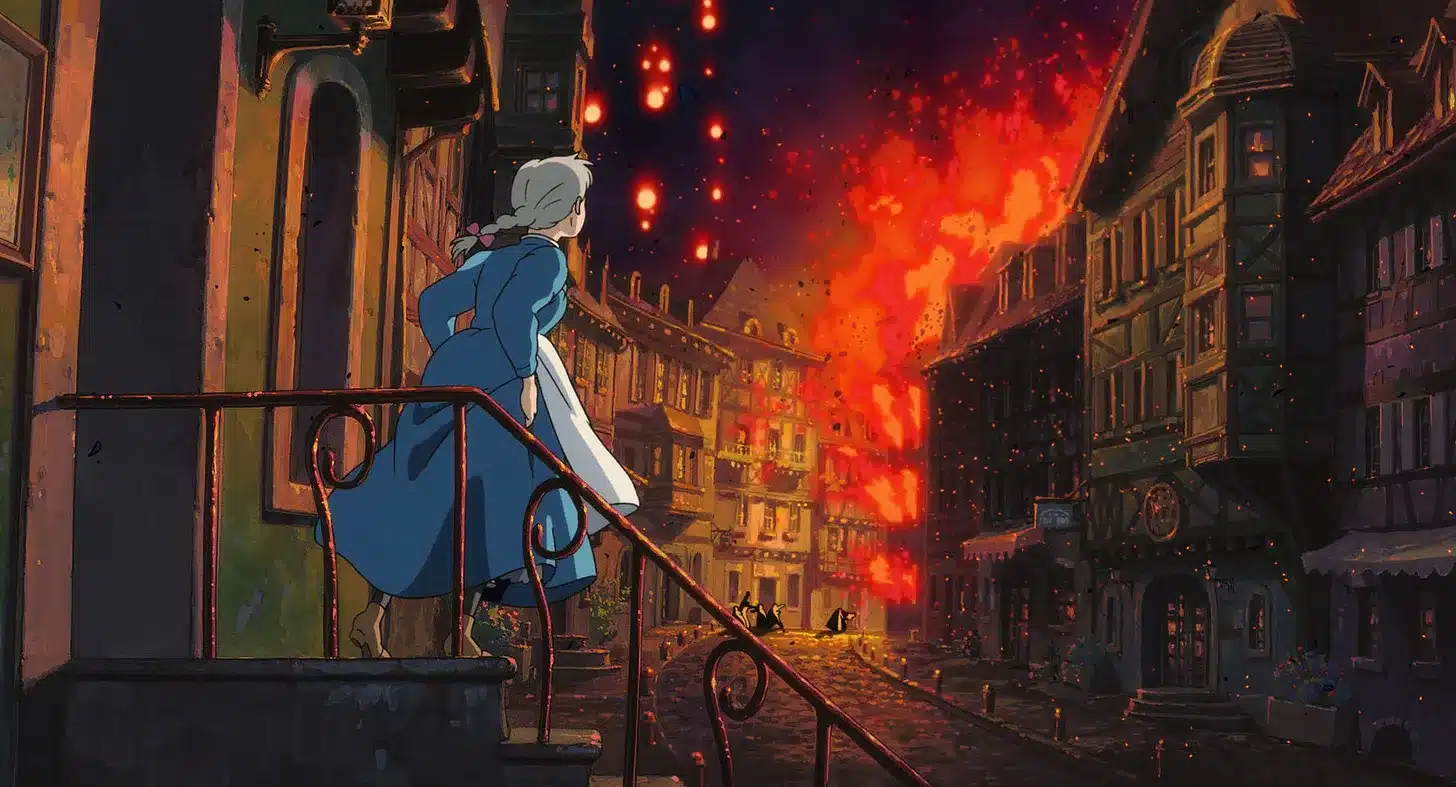
In fact, his feelings were so intense that he dedicated his next film, Howl’s Moving Castle, to a more direct and potent form of protest, opposing the ugliness of war through the transcendent beauty of art. He spoke out using his platform and made art that spoke to the challenges of the time and asked viewers to consider what represents humanity’s core.
Telling the Italian press about Ghibli’s initial plans for Howl’s Moving Castle, Miyazaki said:
Under these circumstances, you have to produce films that are consistent with the period, films that ask the right questions and give adequate answers to the audience, and also give them hope.
The Misuse of Ghibli’s Imagery in War Propaganda
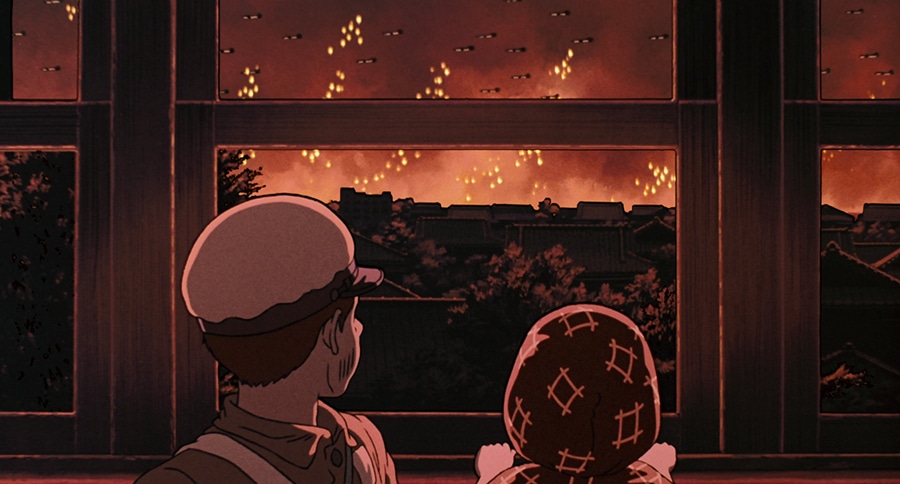
Miyazaki’s films are about peace, compassion, and the devastating consequences of war—yet his imagery has been co-opted by those who stand for the very things he opposes. A troubling recent example is the IDF’s use of Studio Ghibli artwork, repurposing it to glorify military actions.
This is a complete perversion of Miyazaki’s core beliefs. Not only is he vehemently against the use of generative AI, but his films were about mourning war rather than romanticizing it. They do not paint violence as a necessity; they depict it as a tragedy. To use his art in the service of warfare is not just a misunderstanding—it is a betrayal of everything his films stand for.
Studio Ghibli’s films, while visually stunning and emotionally resonant, are not simply fairy tales. They are powerful allegories that confront the darkest aspects of human nature, particularly the horrors of war and environmental destruction.
By understanding the deeper themes within Ghibli’s work, we can appreciate the profound moral message that lies beneath the studio’s enchanting artistry, and we can work to protect that message from those who would use it for ill.
Ghibli’s Environmental Horror: Nature’s Revenge on a Foolish Humanity
Pom Poko (1994) – A Spirit World Displaced by Human Greed
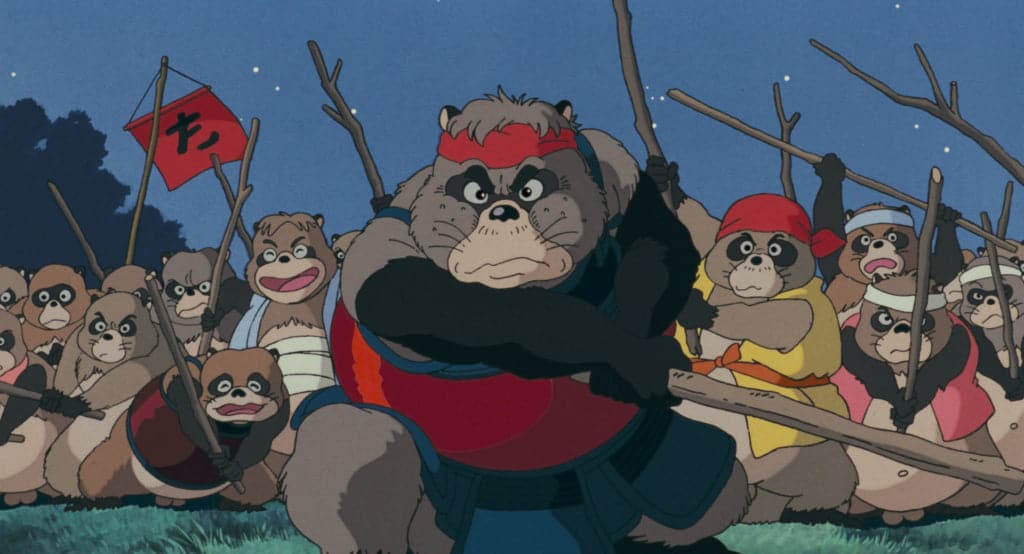
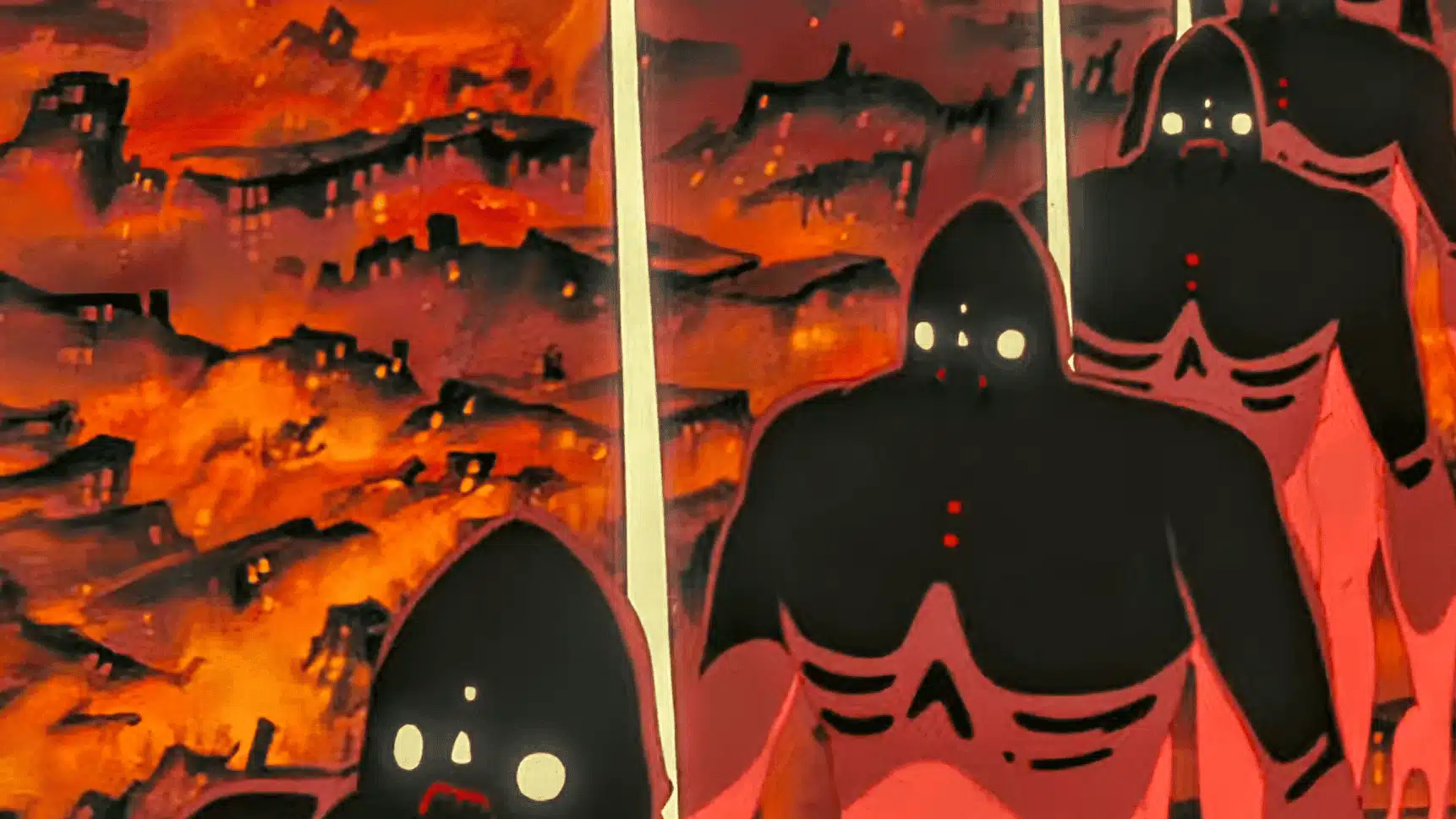
While often remembered for its comedic and surreal tone, Pom Poko carries one of Ghibli’s most devastating messages. The tanuki, traditional shape-shifting spirits of Japanese folklore, wage a losing battle against deforestation and urbanization. Their haunting ghost parade—where they conjure spectral visions in a desperate attempt to scare humanity—is both beautiful and deeply unsettling.
In the end, nature does not win; the spirits fade into obscurity, their land lost forever.
Castle in the Sky (1986) – The Fall of Human Ambition
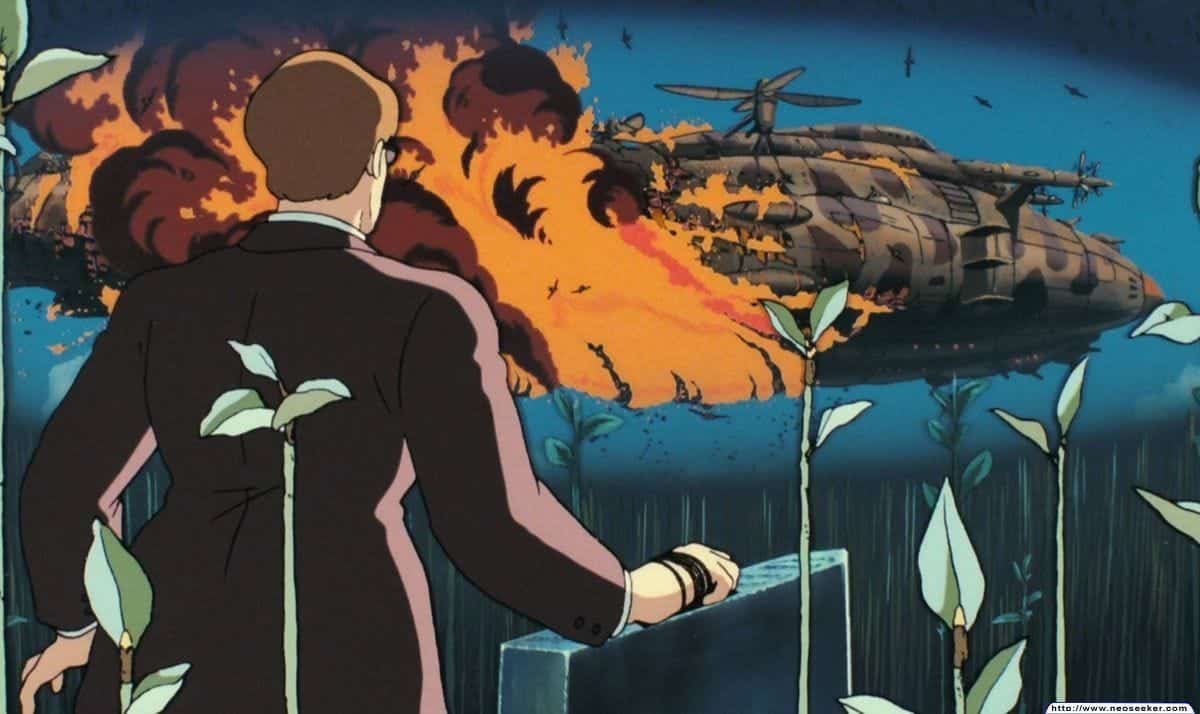
The floating city of Laputa is a technological marvel, yet it is abandoned, a relic of human hubris. Miyazaki’s message is clear: civilizations built on unchecked ambition and destruction will not last. The imagery of colossal ruins overtaken by nature carries an eerie sense of inevitability—the horror of knowing that humanity’s greatest achievements may one day be nothing more than remnants swallowed by time.
Ten Other Must-See Ghibli Films With Hidden Dark Themes
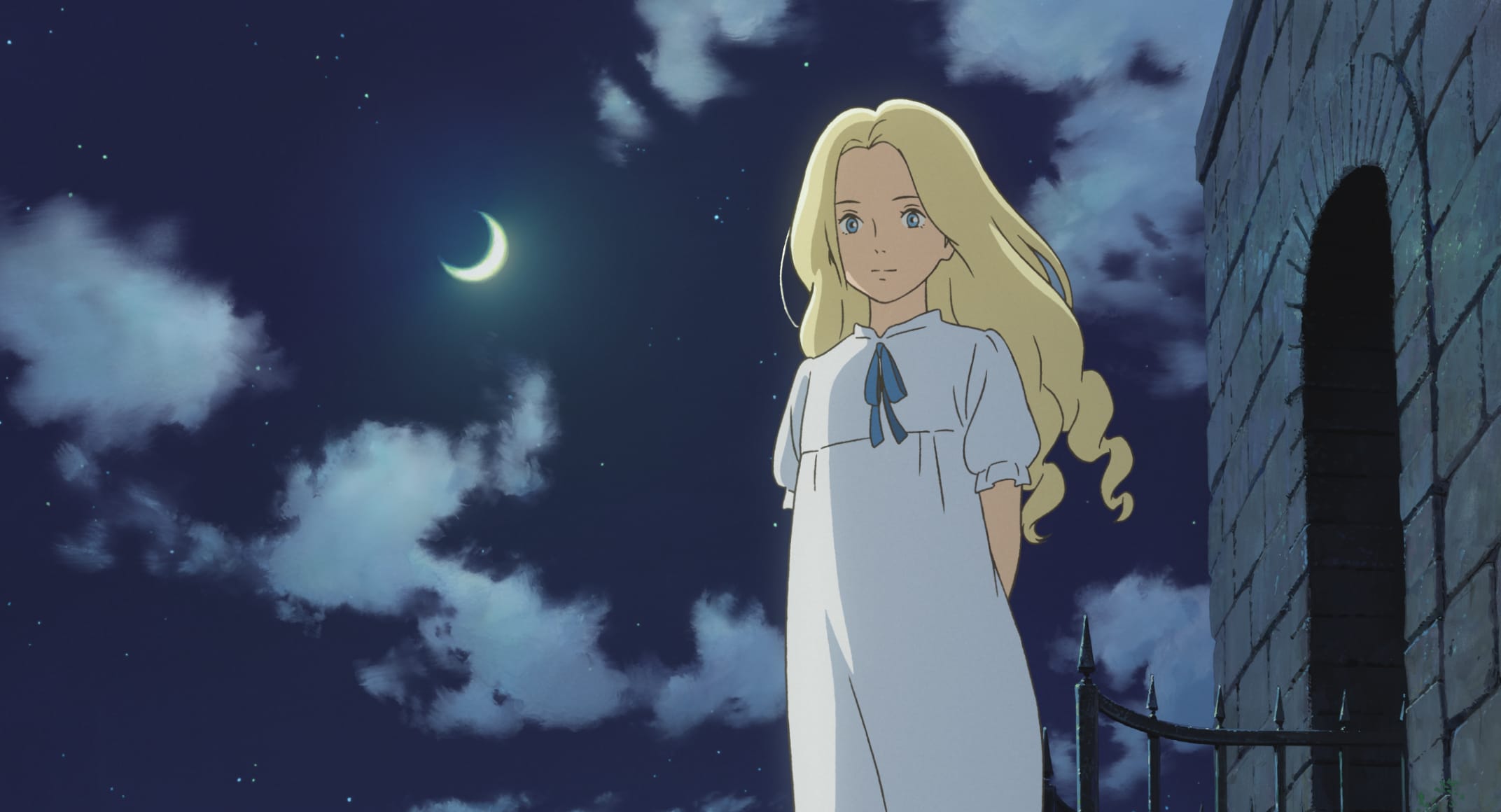
- The Tale of the Princess Kaguya (2013) – A meditation on fleeting beauty, duty, and existential sorrow, with themes of entrapment and human suffering.
- When Marnie Was There (2014) – A ghost story wrapped in melancholy, exploring trauma, loss, and the passage of time.
- Whisper of the Heart (1995) – While not about war, it captures the quiet existential dread of growing up and fearing an unfulfilled life.
- The Cat Returns (2002) – A surreal adventure that subtly critiques escapism and the dangers of losing oneself to fantasy.
- Only Yesterday (1991) – A bittersweet reflection on memory, regret, and the inexorable march of time.
- Spirited Away (2001) – A metaphor for loss, exploitation, and resilience.
- Ocean Waves (1993) – A quiet, introspective coming-of-age film about regret and emotional scars, touching on the ripple effects of personal and societal change.
- Kiki’s Delivery Service (1989) – Beneath its charming exterior, it’s a film about burnout, self-doubt, and the pressure to meet societal expectations.
- Earwig and the Witch (2020) – While divisive, its themes of manipulation and control within a found-family dynamic add an unsettling undercurrent.
- The Red Turtle (2016) – A silent, haunting fable about isolation, survival, and the cyclical nature of life, tinged with an eerie sense of fate.
Conclusion: The Lasting Impact of Ghibli’s Anti-War Message
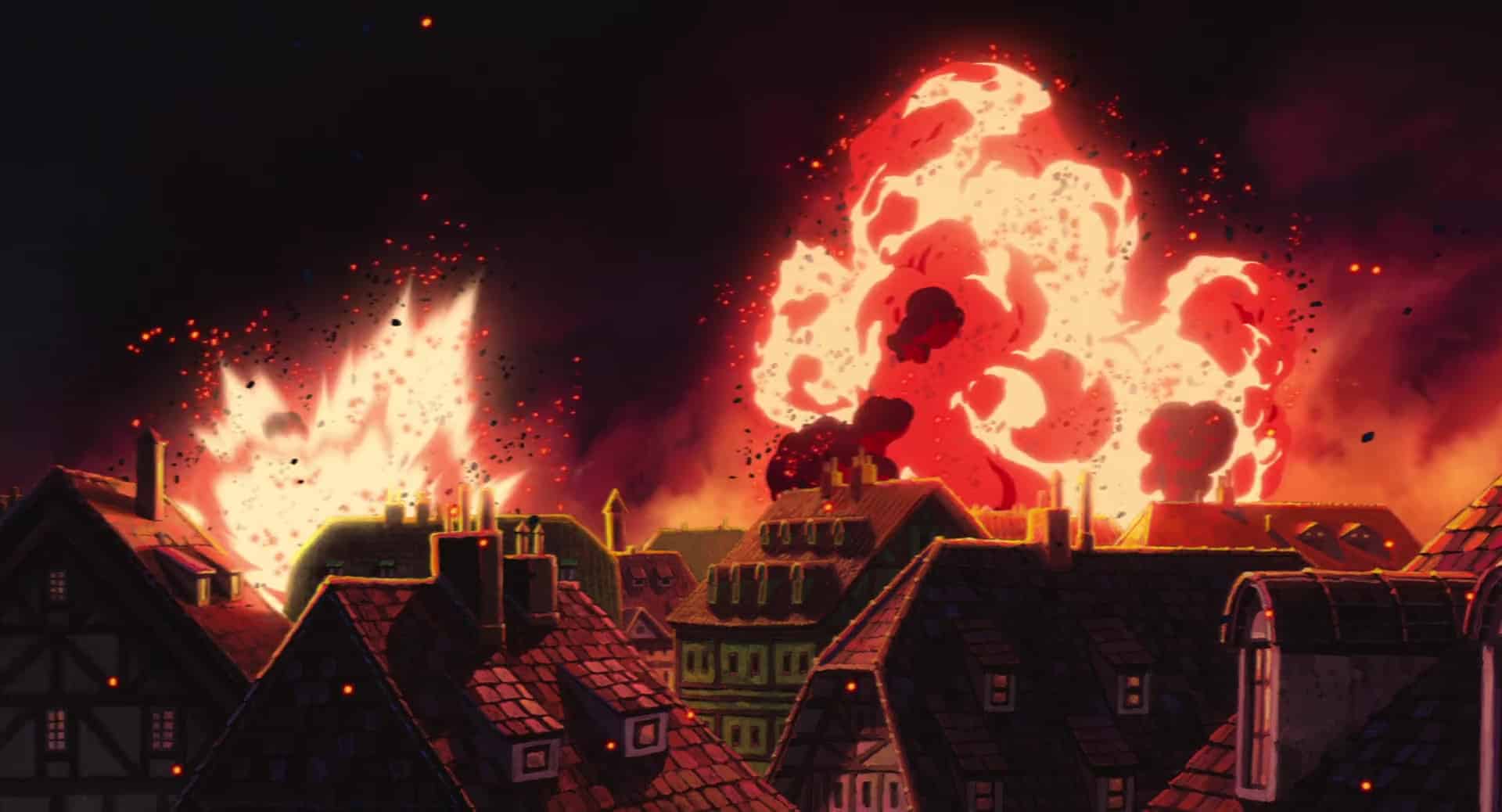
Miyazaki’s films are not just works of art; they are warnings. They remind us that war leaves scars far beyond the battlefield, that nature will not wait for us to change, and that human resilience must be built on understanding, not conflict. In a world where his imagery is increasingly misappropriated, it is more important than ever to remember what these films truly mean.
Miyazaki’s works are a plea for understanding, a call for peace, and a testament to the resilience of the human spirit in the face of adversity.








Follow Us!