
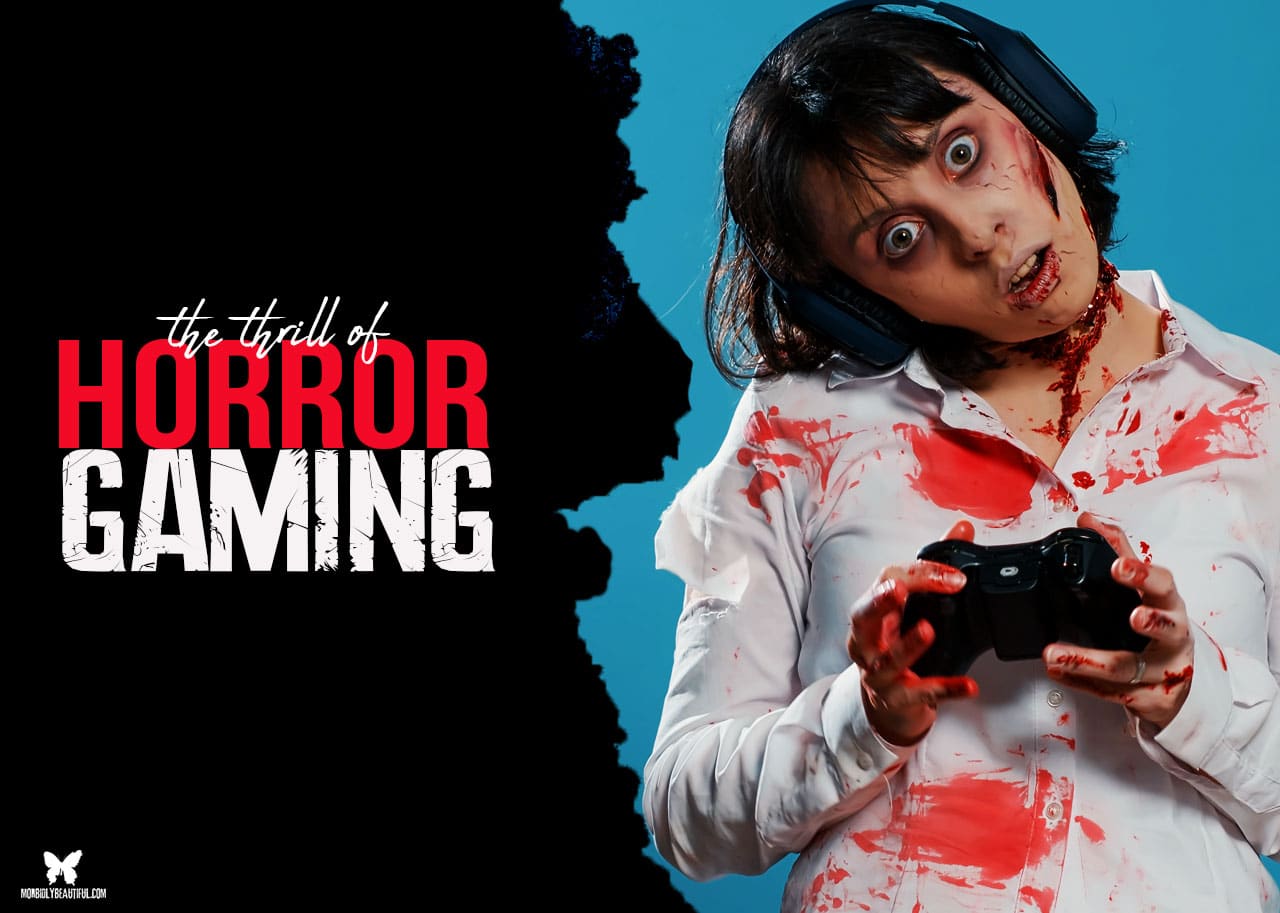
Immersive gameplay, compelling storytelling, strategic challenges, and primal survival instincts make horror games endlessly appealing.

In today’s high-tech world of advanced gaming, there is certainly no shortage of options for both casual and hardcore gamers. While the average person outside of the devoted genre fandom might not indulge in popular horror podcasts, buy horror collectibles, frequent horror entertainment websites like this one, or have a closet full of horror tees, there’s a good chance they may indulge in some horror gaming. That’s because the genre offers some of the best gaming titles around.
In fact, these titles tend to impress more often than they disappoint. Plus, with advancements in technology like the rise of virtual reality, these games are becoming more immersive, thrilling, and terrifying than ever before—which is really saying something, given the history of outstanding games in subgenres like survival, supernatural, and psychological horror.
The options are extensive for those looking for the best the genre has to offer, with leading titles like Alan Wake 2, Until Dawn, and Visage, which deliver plenty of scares alongside compelling gameplay.
For the adventurous, there are harrowing VR adventures in titles like Phasmophobia. There is also a wealth of horror-light titles for those who appreciate a few atmospheric thrills but hope to avoid the more intense terrors. For those folks, there are fun Halloween-themed titles like Infective Wild, which delights social slot gamers looking to combine the adrenaline rush of online slots with genre goodness. Killer promotions like McLuck’s Rough Ride Reward help to lure in new players, expanding their world of exhilarating gaming options.
As technology improves and game developers discover new ways to thrill players, the popularity of genre games has only increased significantly. Let’s explore some of the main reasons why these games appeal to such a wide audience and continue to dominate the gaming charts.
Immersive Gameplay: Stepping into a World of Darkness
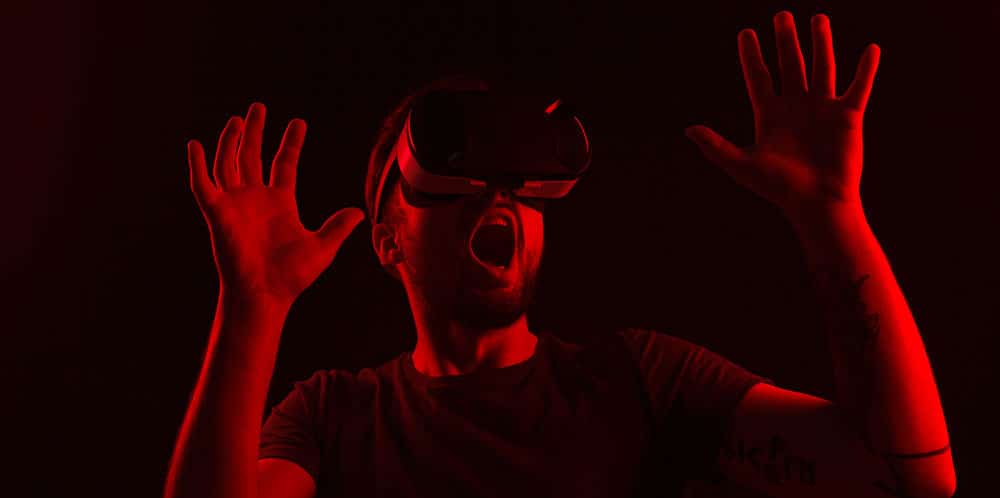
Even if you aren’t partial to virtual reality gaming, horror games are highly immersive because they place players directly in the role of the protagonist, heightening feelings of tension and fear.
Unlike other genres, horror games use atmospheric elements—like eerie soundscapes, lighting, and sudden jumps—to create an intense psychological experience. The first-person or over-the-shoulder perspectives commonly used in horror games limit the player’s field of vision, which increases the suspense as they move cautiously through dark, confined spaces where dangers lurk. This limited perspective keeps players on edge and connects them emotionally to the character, allowing for unparalleled immersion.
The interactivity of horror games also gives players a sense of agency, making the fear feel personal, and the stakes feel real. Players must often solve puzzles, manage limited resources, or face off against enemies, and each decision can be the difference between survival and death. This active participation builds a high level of engagement, encouraging players to proceed despite the fear, which amplifies the thrill.
Horror games often push the boundaries of visual and audio effects to create highly realistic settings and creatures. From subtle, unsettling noises in the background to grotesque visuals inspired by classic horror, these details make the experience visceral. For horror fans, this immersiveness enhances the gameplay by making the atmosphere feel oppressive and relentless, providing a thrill that only interactive media can achieve.
Virtual reality has taken this to new heights, allowing players to feel physically present in a haunted house or dark forest. The immersion is so strong that it can trigger genuine physiological responses, like an increased heart rate and adrenaline rushes, which feed into an exhilaratingly addictive primal survival instinct.
Testing and Sharpening Survival Instincts
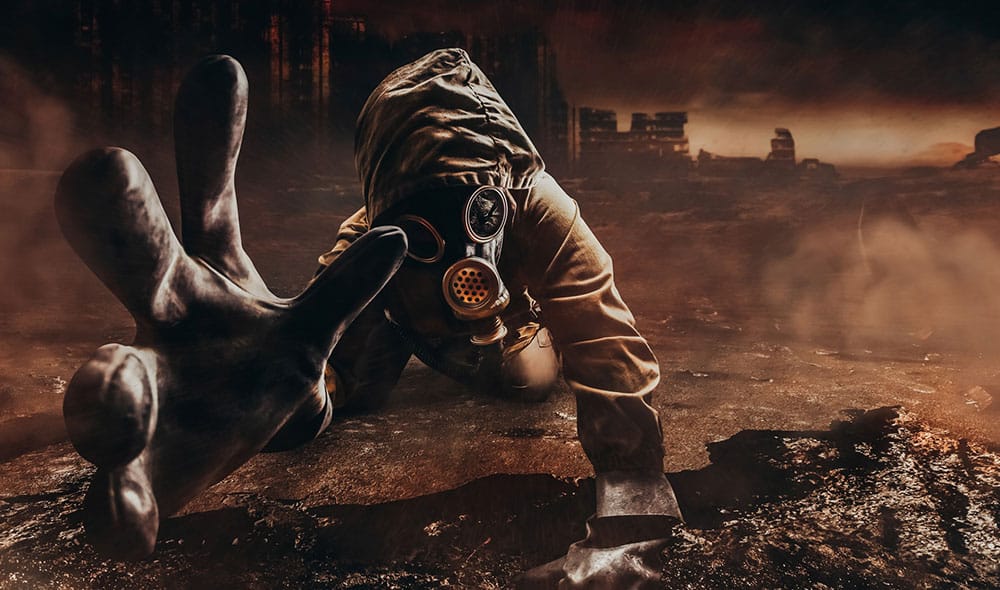
Most people have wondered how they’d cope in a life-threatening situation in the real world. With modern horror games, you can see how you might fare if you were a character in a horror movie.
Horror games tap into our primal instincts like few other genres do. Placing players in dangerous situations simulates the feeling of survival, requiring quick reflexes and decision-making. This “fight-or-flight” response is deeply ingrained in humans and plays a significant role in making horror games addictive. The sense of danger and urgency spikes adrenaline, providing a rush that leaves players wanting more.
Moreover, horror games allow players to safely experience fear and test their survival skills in a controlled environment. They can experiment with different approaches to see what works best, helping them build resilience and confidence in the face of fear. For many, this sharpening of survival instincts feels rewarding as they see themselves improving with each playthrough.
Replayability: Discovering Hidden Terrors
Unlike most games, once a horror game has been completed, it can be played again and again. Many releases offer different plotlines and outcomes based on different choices a player makes, making it exciting to replay and experience something new—perhaps even making better choices once you’ve seen the horror lurking down different paths.
Some of the most popular horror games of all time, like Resident Evil and Silent Hill, contain alternate pathways or choices that lead to different outcomes, creating an incentive to replay and discover every frightening detail.
Depending on the game, new gameplay could introduce you to new characters, unlock alternate endings, reveal hidden clues you may have missed, offer different paths to explore, and illuminate secrets to enrich the game’s narrative. Even jump scares and scripted moments can become satisfying to revisit. Players might return to a scene they found terrifying the first time now that they are better equipped with the knowledge or confidence to face their fears. That impossible-to-beat monster might be less daunting once you’ve got some gameplay experience under your belt.
This replayability fuels the addiction, offering new ways to experience the scares, whether by changing tactics or seeking out previously missed lore and storylines.
Narrative Depth: The Power of Dark Storytelling
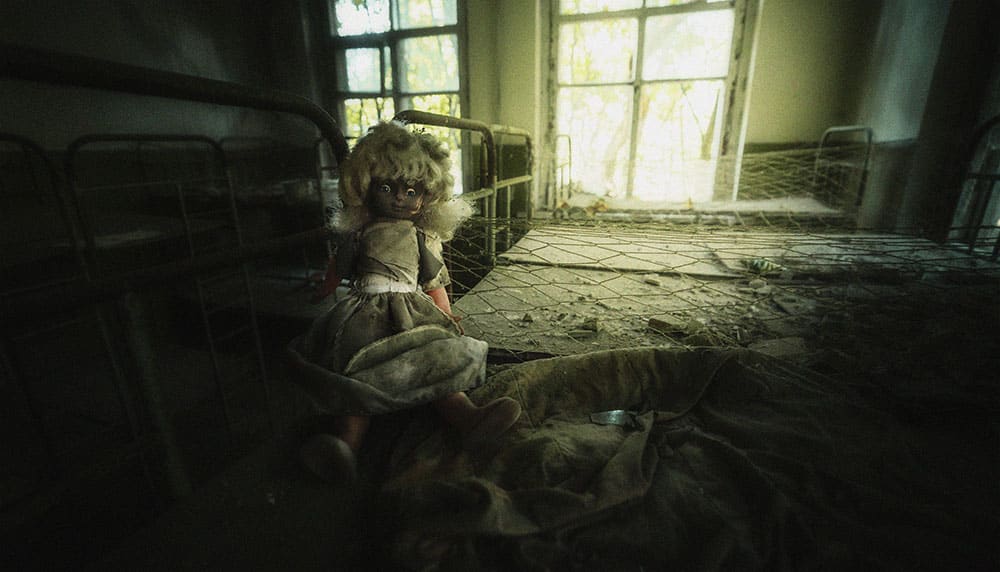
Horror games often come with rich narratives that dive into themes of trauma, loss, and human nature. Unlike action or adventure games, horror games take time to build complex stories, often weaving in psychological elements that resonate with players on a personal level. Whether it’s uncovering the dark history of a cursed mansion, delving into a character’s psyche, or piecing together the mystery behind a gruesome outbreak, the narrative depth in horror games is compelling.
Many horror games tackle existential themes, asking players to confront mortality, fear, and the unknown. This narrative layer provides a compelling reason to keep playing, as players are drawn not only to the thrill of the gameplay but also to understand the full story arc and character motivations. The need to “know more” pulls players back again and again.
Strategic Thinking and Problem-Solving: Survival of the Smartest
One of the main appeals of horror games is that they challenge players to think critically under pressure. Unlike games where brute force might be enough, horror games often require players to solve puzzles, navigate mazes, or make strategic decisions with limited resources. This need for creativity and strategy in high-stress environments is not only engaging but also highly rewarding.
In titles like Outlast or Amnesia: The Dark Descent, players are often unarmed and must use stealth and cunning to evade enemies rather than confront them head-on. These games require players to pay attention to their surroundings, analyze clues, and think several steps ahead. The challenge of survival sharpens the mind and fuels the addictive nature of horror games, as players are compelled to improve their skills and strategies with each attempt.
There are generally always solutions to uncover and safer routes to take, but it can be tough finding the right path if hordes of zombies are swarming you. Essentially, every action feels consequential.
The Power of Social Connection: Bonding Over Scares
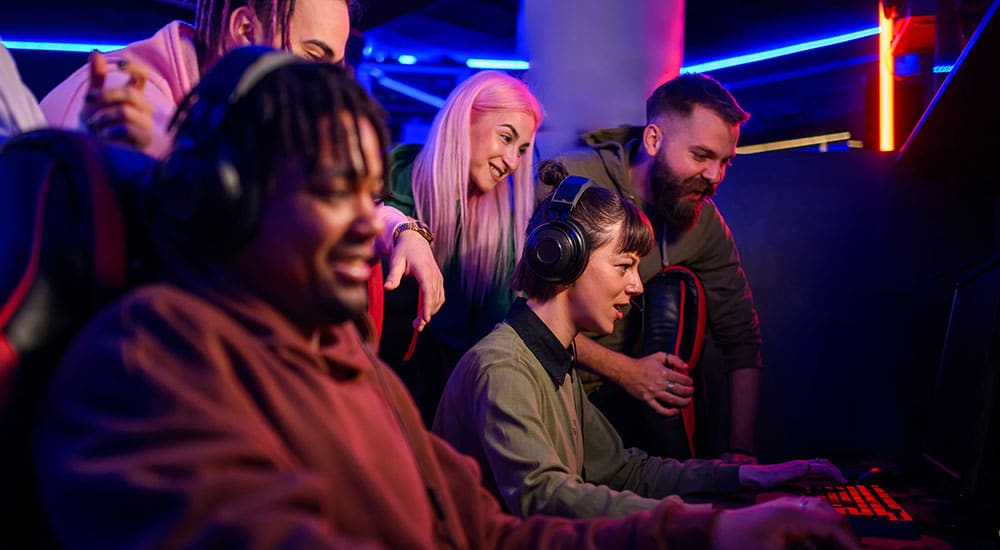
In recent years, the popularity of horror games has also been fueled by the rise of streaming platforms like Twitch and YouTube. Watching others react to horror games or sharing one’s own playthrough has created a communal experience around fear. Multiplayer horror games, such as Dead by Daylight or Phasmophobia, allow friends to confront their fears together, adding an element of camaraderie and humor to the scares.
The social aspect of horror gaming builds a community around shared experiences and emotions. Players enjoy discussing their strategies, scares, and theories, creating a sense of belonging. This social element enhances the enjoyment of horror games, making them a shared thrill rather than a solitary terror.
Catharsis and Emotional Release
Finally, horror games offer a unique form of catharsis. They allow players to confront and process fear, anxiety, and stress in a safe and controlled setting. By facing terrifying scenarios and overcoming them, players often experience a feeling of release and accomplishment. The emotional highs and lows in horror games—intense fear, relief, and triumph—create an addictive loop that encourages repeated play.
For many, this release can be a form of emotional cleansing. It allows them to leave their real-world worries behind and focus on the immediate, visceral threats within the game. This therapeutic aspect of horror gaming adds another layer to its appeal, making it not only a source of entertainment but also a tool for stress relief and personal growth.
…
The popularity and addictiveness of horror games are rooted in their ability to create immersive, challenging, and narratively rich experiences that resonate on both psychological and social levels.
From the thrill of survival to the satisfaction of solving complex puzzles, horror games offer a unique blend of fear and excitement that keeps players coming back for more. In an unpredictable world, horror games provide a structured form of fear—a safe place to explore the unknown, test one’s limits, and emerge feeling exhilarated. It’s a genre that captures the heart and mind, feeding a natural fascination with the macabre and satisfying the need for a safe yet thrilling adventure.









Follow Us!