

From thrills to therapy, horror gaming and scary video games can sharpen the mind, soothe anxiety, and transform fear into resilience.

No time to read? Click the button below to listen to this post.
If you’ve been following this site or my work, you know I write about horror gaming A LOT. While listening to horror-themed podcasts and watching iconic horror movies delights me as much as the next genre fan, horror gaming immerses me in a world of adrenaline-fueled excitement and unparalleled terror like nothing else. I’ve been gaming-obsessed for years, but the advancement of technology and increased market saturation of interesting horror and genre titles mean gaming has never been more enticing for fans of thrills and chills.
I’m not just a horror gamer. I love adventure games, sports-themed titles, and even casino favorites, such as playing live blackjack. While variety is the spice of life, there’s something about horror games, in particular, that keeps me coming back for more time and time again.
I’m a student of psychology, and I love exploring the “why” behind the appeal of these interactive games. They do so much more than just scare us; they allow us to heal, think faster, and feel more alive.
The Paradox of Fear: Why We Seek Digital Terror
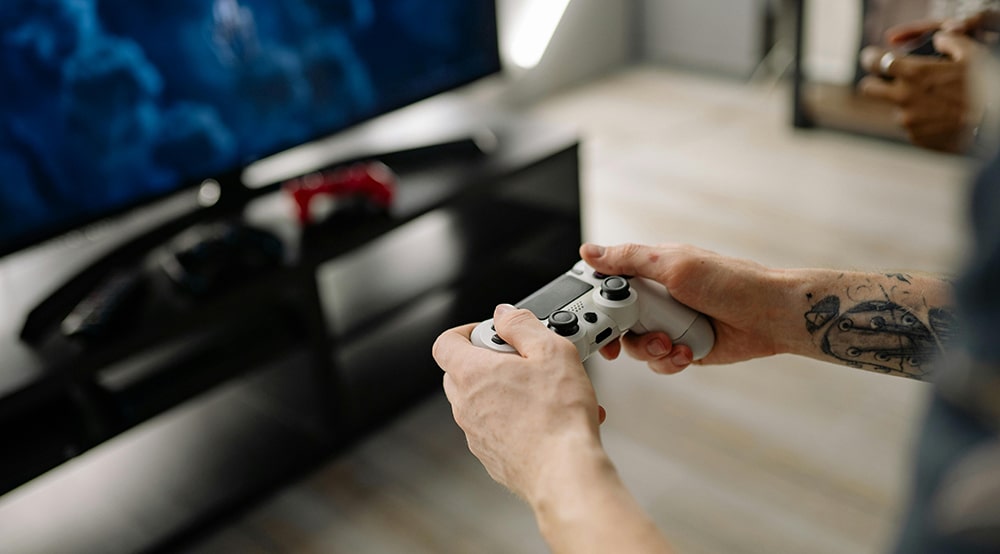
Horror games are a strange indulgence. Why do we actively choose to be stalked by monsters, cornered by grotesque abominations, and chased through crumbling corridors with nothing but a flickering flashlight? The answer lies in our biology.
Fear, when controlled, can be thrilling. This is the idea behind “benign masochism,” a concept coined by psychologist Paul Rozin to explain why humans enjoy experiences that mimic danger but pose no real threat. Horror games simulate terror in a safe environment, giving players the psychological benefits of fear without the risk.
Unlike horror films, video games require active participation. You’re not just watching the final girl make decisions—you are the final girl.
This agency intensifies emotional stakes and bodily responses. Studies have shown that interactive horror elicits a stronger fight-or-flight response than passive media, heightening immersion and building resilience over time. According to Dr. Mathias Clasen, a Danish scholar who studies horror, the genre acts as a “mental gym,” allowing us to confront, rehearse, and ultimately master our fears.
For those enjoying horror games, the thrill can be intensified with bonuses like 20 Free spins no deposit bonus, providing a risk-free chance to experience new titles and enhance your gaming experience.
Horror Gaming as Therapy: Facing Monsters to Fight Ourselves
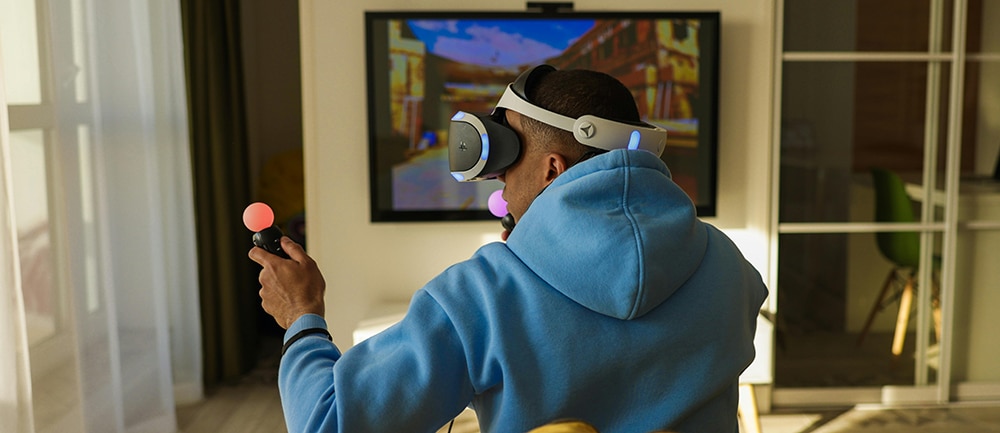
Monsters in horror games aren’t just digital nightmares; they’re metaphors. Sometimes they represent trauma, grief, anxiety, or depression. Facing them head-on can be surprisingly therapeutic.
Research from the American Psychological Association and academic journals suggests that horror games may serve as a form of exposure therapy, helping players manage symptoms of PTSD, phobias, and general anxiety. The repetition of stressful scenarios in a safe virtual space allows players to rewire their responses to real-life stressors.
Games like Silent Hill 2 and Hellblade: Senua’s Sacrifice go beyond scares to explore psychosis, guilt, and mourning. Hellblade, in particular, was developed in collaboration with neuroscientists and individuals living with psychosis, making it a pioneering example of how games can reflect and respect mental illness.
Survival Horror and Strategic Thinking

Survival horror isn’t just about jump scares. It’s about making tough decisions under pressure: When to fight, when to flee, what to sacrifice, and what to hoard.
These games are resource-management puzzles wrapped in adrenaline. Players must assess threats, memorize layouts, conserve ammunition, and solve environmental riddles—all while dodging death. It’s cognitive agility under duress.
Psychological studies have shown that games with high cognitive demands can improve executive functioning, including memory, multitasking, and spatial awareness. The tension of a locked-door puzzle in Resident Evil isn’t just nerve-wracking; it’s brain-training.
Empathy, Morality, and the Ethics of Horror

Some horror games go beyond survival and ask more profound questions: Who are you willing to let die? What does it mean to be human? How much of yourself can you lose and still call it survival?
Narrative-driven horror like Until Dawn, SOMA, or The Walking Dead often presents players with morally ambiguous choices. These aren’t just plot points; they’re tests of empathy and emotional intelligence. Psychological horror can force introspection in ways few other genres can.
Studies suggest that games promoting emotional engagement and ethical reflection can enhance theory of mind and moral reasoning. In games like Amnesia: Rebirth or What Remains of Edith Finch, horror is scary, yes, but it’s also profoundly human.
Horror as a Community Ritual
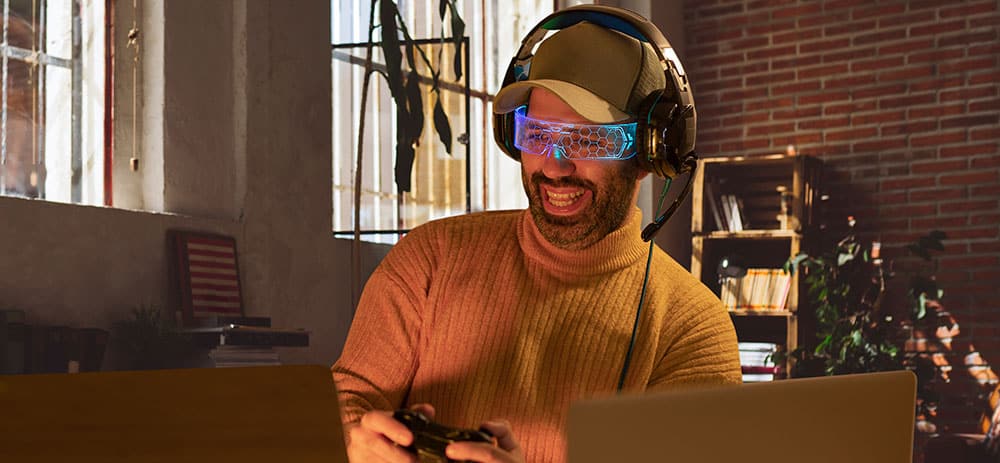
While horror is often solitary, it also thrives in community. Twitch streams, multiplayer scares, and Discord chat rooms have transformed horror gaming into a shared experience.
Games like Phasmophobia and Dead by Daylight blend terror with teamwork, transforming screams into laughter and stress into a shared experience. According to research on parasocial interaction and social gaming, shared fear builds social trust and connection, making horror a surprisingly effective tool for relationship building.
In this way, horror serves as a communal catharsis. Screaming together, laughing through panic, and surviving the night as a team is a ritual as old as the campfire tale.
The Catharsis of Control: Why We Keep Coming Back
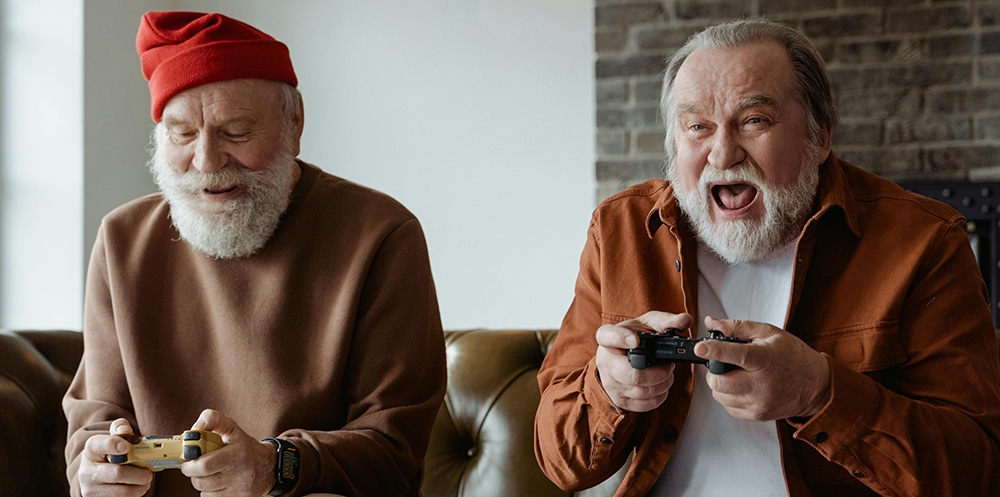
Perhaps the most significant draw of horror gaming is the illusion of control. In a world that often feels chaotic and unrelenting, games in this area offer a space where we can confront danger, fail safely, and try again.
During the COVID-19 pandemic, sales of horror games spiked. It wasn’t a coincidence. When life is overwhelming, horror games allow us to channel our anxieties into structured narratives where victory is possible. You may not be able to fix the real world, but you can reload and fight your way through Raccoon City.
Horror games reward courage, persistence, and clever thinking. They’re proof that even when you’re terrified, you can still move forward.
FINAL THOUGHTS:
At first glance, horror games might seem like masochistic fun, but dig deeper, and you’ll find a playground for strategic thinking, emotional processing, and psychological growth. They let us train our minds, explore our shadow selves, and rehearse resilience. Whether you’re battling monsters or confronting existential dread, horror gaming is a celebration of human adaptability under pressure.









Follow Us!