

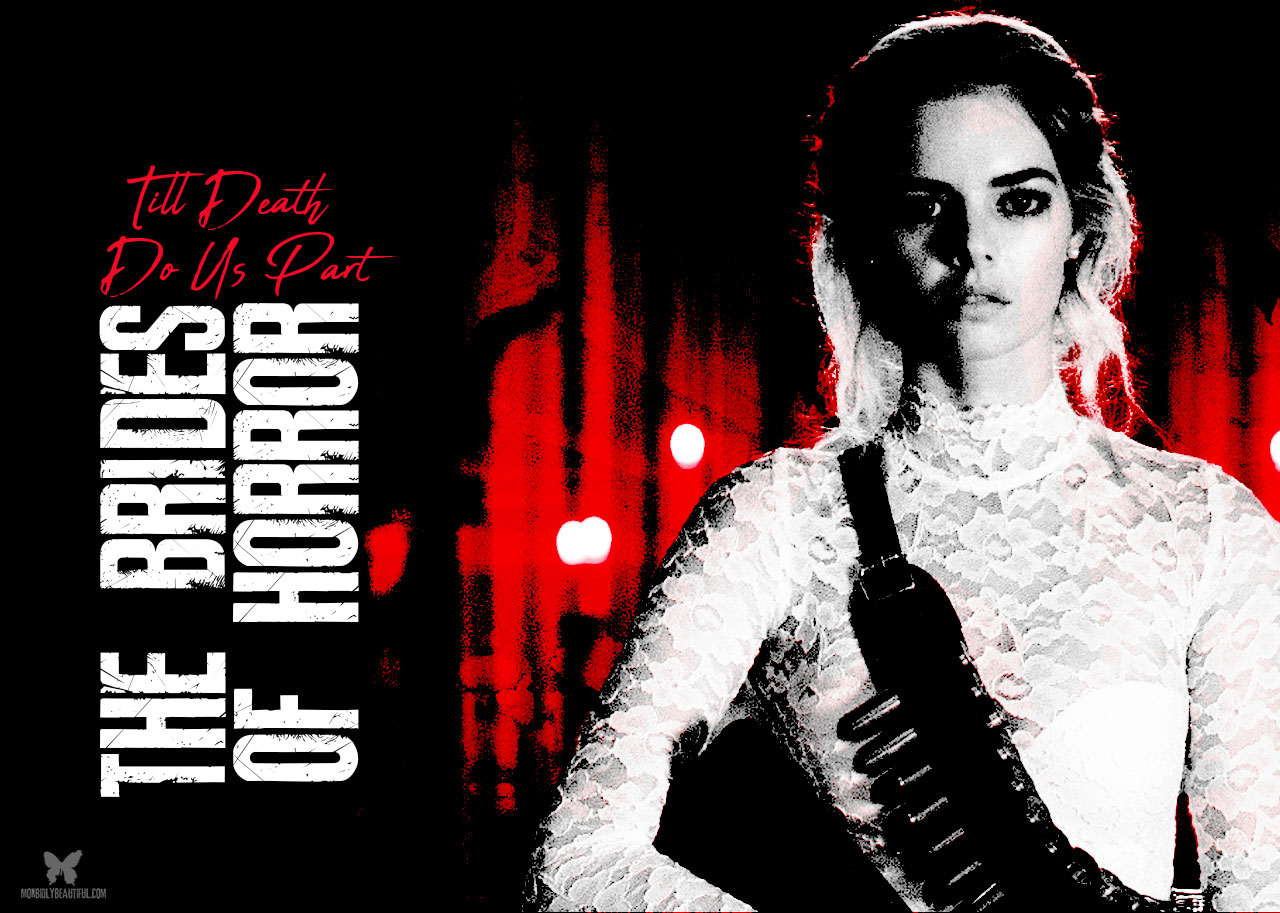
From ghostly veils to bloodstained lace, horror cinema has long obsessed over brides, and these are among the most memorable celluloid brides.
Cinematic brides can be ethereal or terrifying, depending on their role in a film. Horror, especially, has long taken fascination with the bride; she’s often a vision, a ghost, a monster, or sometimes all three at once. Consider the white dress, a symbol of innocence and promise, and how striking it becomes when splattered with blood, shadowed by candlelight, or twisted into the fabric of a nightmare.
If you’re the kind of viewer who leans in when a woman with a veil appears in a horror movie, then these celluloid visions will have you vowing your eternal devotion.
Kill Bill: Volume 1 (2003) — Beatrix Kiddo, the Bloody Bride
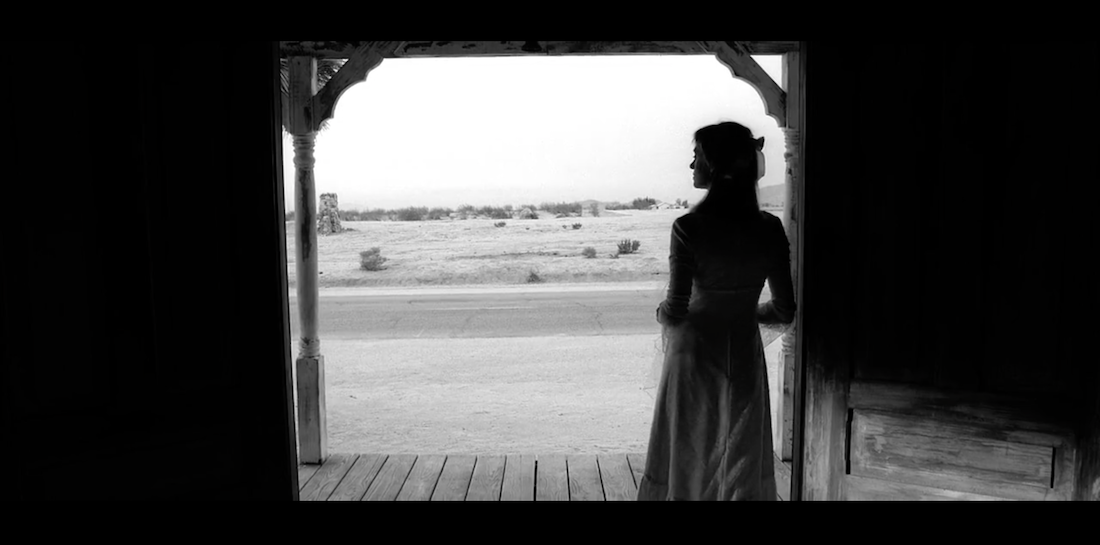
Quentin Tarantino’s revenge opera opens with Beatrix Kiddo (Uma Thurman) sprawled across the chapel floor, her ivory gown stained by massacre. Once modest and pure, the dress becomes a shroud of violence, transformed into a symbol of everything taken from her. From that moment, the “Bride” rises not to wed but to avenge—her vows rewritten in blood.
In Kill Bill, the bride isn’t waiting for her happily ever after; she’s hunting it down with a sword.
The Bride of Frankenstein (1935) — Elsa Lanchester’s Gothic Creation
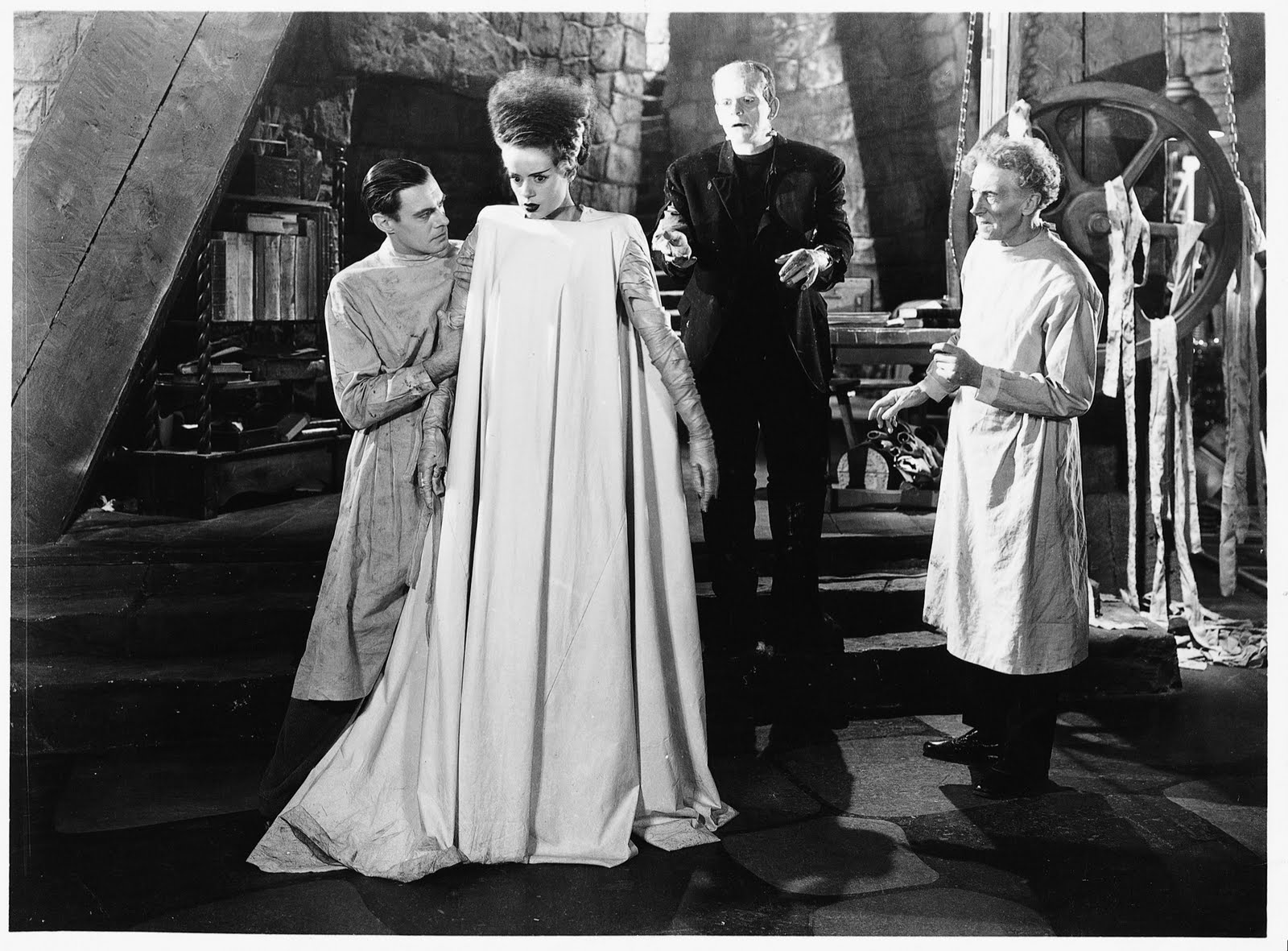
James Whale’s gothic masterpiece gave cinema its most iconic bride. Elsa Lanchester’s creation emerges swathed in a sheath-like gown with bandaged sleeves, her lightning-streaked hair more crown than veil. She hisses instead of speaks, and her rejection of Frankenstein’s monster echoes louder than any vows.
She may appear only briefly, but her refusal seals her legend, proving that even in horror, the bride always has the last word.
Ready or Not (2019) — Grace Against the Game
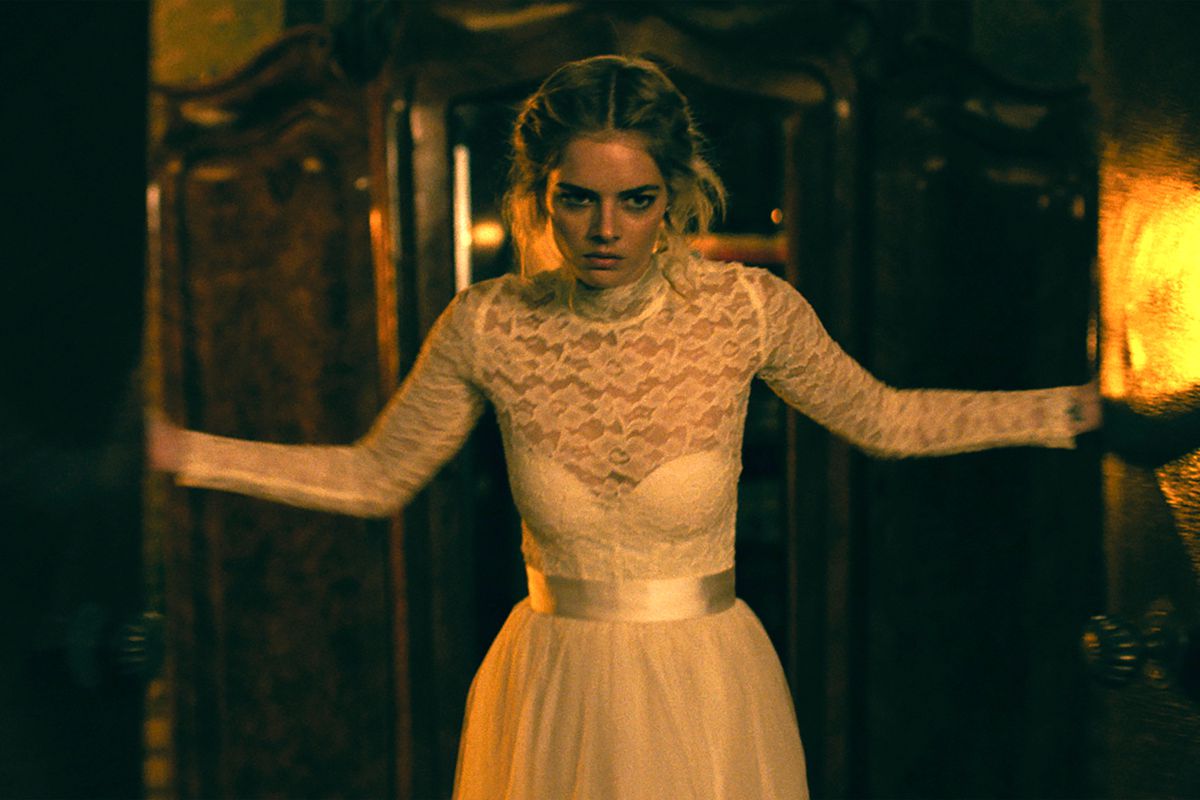
On what should be her happiest night, Grace (Samara Weaving) weds into the Le Domas family in a lace gown that looks torn from a fairy tale. Her dress, a romantic vintage lace gown with fitted sleeves and a flowing skirt, is perfect for a bride in love, but horror waits. Instead of a honeymoon, Grace is forced into a deadly game of hide-and-seek, hunted by her in-laws. As she fights for survival, the gown shreds, stains, and darkens until it resembles a war-torn shroud.
By the end, Grace doesn’t just survive in her wedding dress, she weaponizes it, walking straight out of the inferno as horror’s ultimate final bride.
Corpse Bride (2005) — Emily’s Eternal Vows
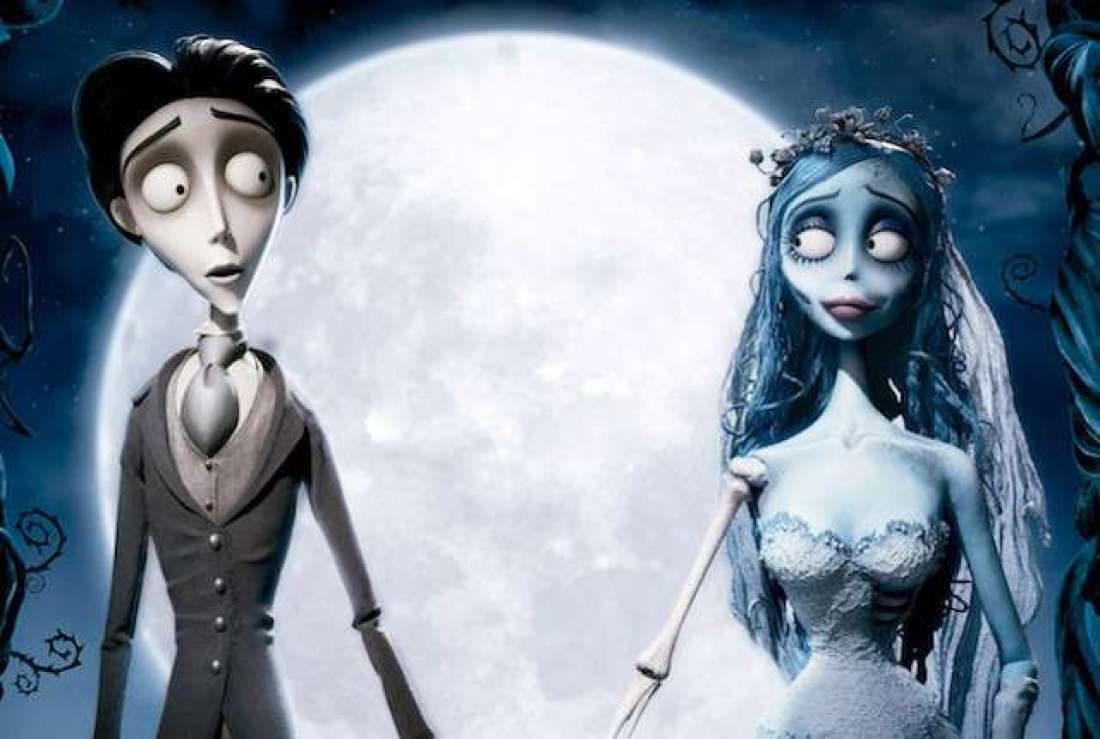
Tim Burton’s stop-motion gothic fantasy introduces us to Emily (Helena Bonham Carter), the tragic bride of the underworld. Her pale satin gown, once dazzling, now hangs in tatters, her veil floating like cobwebs around her skeletal frame. She accepts Victor’s accidental proposal, longing for love she was denied in life.
Emily proves that even in death, a bride’s yearning for devotion is eternal… and sometimes heartbreak makes the most haunting vows of all.
Kill List (2011) — Ritual Bride in Darkness
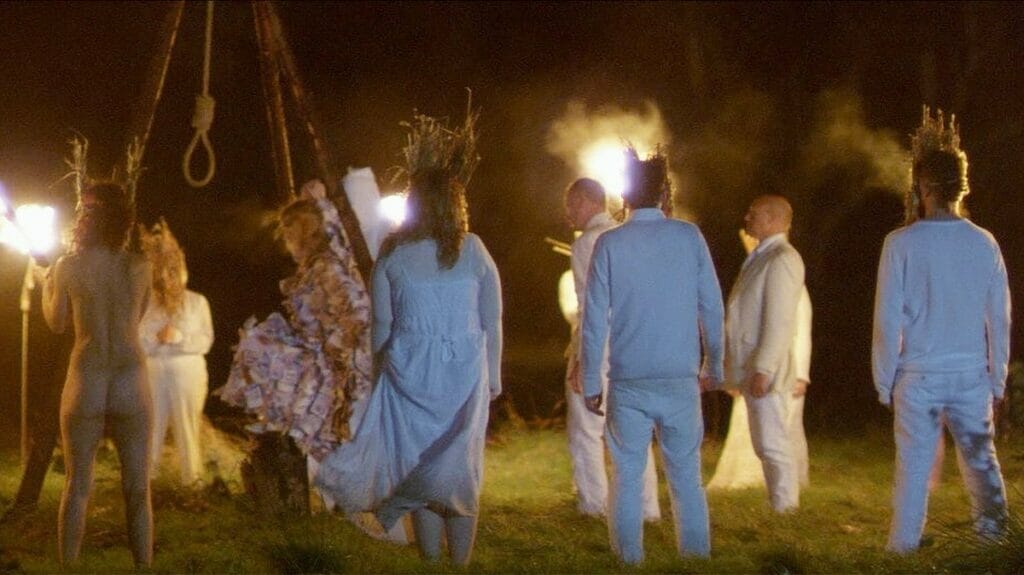
Ben Wheatley’s chilling thriller leads to a masked ritual, where the so-called “bride” is revealed not in lace but in funereal cloth and grotesque disguise. This isn’t matrimony; it’s a sacrifice.
In Kill List, the bride doesn’t promise forever; she promises annihilation.
Insidious (2010) — The Bride in Black
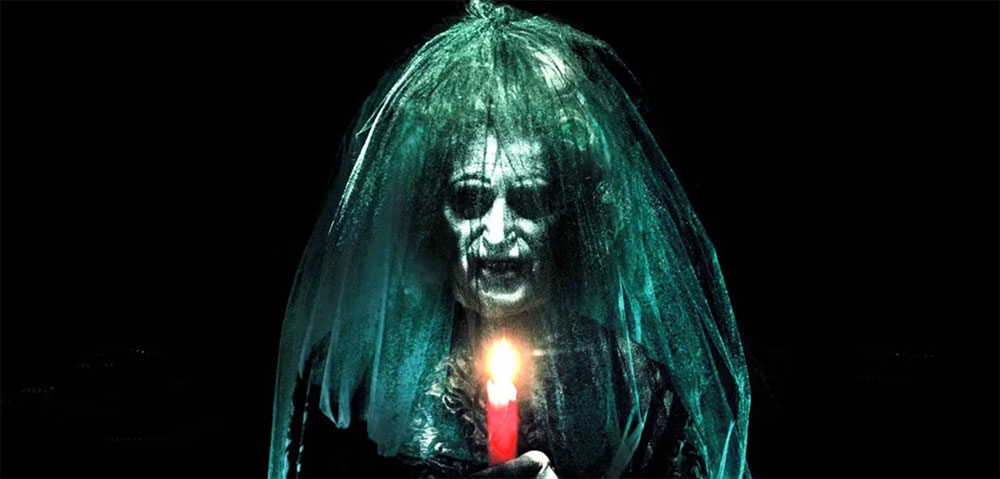
James Wan’s Insidious introduced one of the franchise’s most chilling apparitions: the Bride in Black. Cloaked in a decaying bridal gown and heavy veil, she stalks the Lambert family’s dreams with a face painted in funereal makeup. Later films reveal her true identity as Parker Crane, a serial killer forced into the bridal persona by his abusive mother. But even without the backstory, the image alone—a figure in a tattered veil lurking in the shadows—cements her as one of modern horror’s most unforgettable brides.
In Insidious, the veil doesn’t hide innocence; it hides pure evil, proving the bride’s silhouette can be every bit as terrifying as the monster behind it.
[REC] 3: Genesis (2012) — The Chainsaw Bride
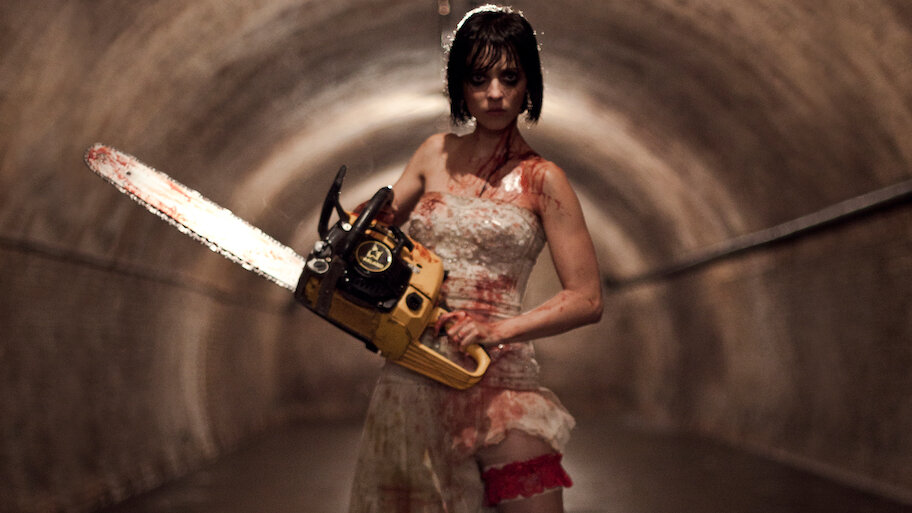
Paco Plaza’s Spanish splatterfest begins like a fairy tale: a radiant bride, Clara (Leticia Dolera), floating through her wedding in a delicate white gown. But when the demonic infection from the [REC] universe crashes the reception, the veil of innocence tears fast. As the undead swarm, Clara rips away the trappings of tradition, trading lace and pearls for blood and grit. Her transformation climaxes with her wielding a chainsaw in her shredded dress, battling through carnage in a bridal image unlike any other.
Clara isn’t just a bride in horror. She’s its bloody avenger, proving that sometimes “’til death do us part” is just the beginning.
The Rocky Horror Picture Show (1975) — Janet’s Almost-Wedding Look
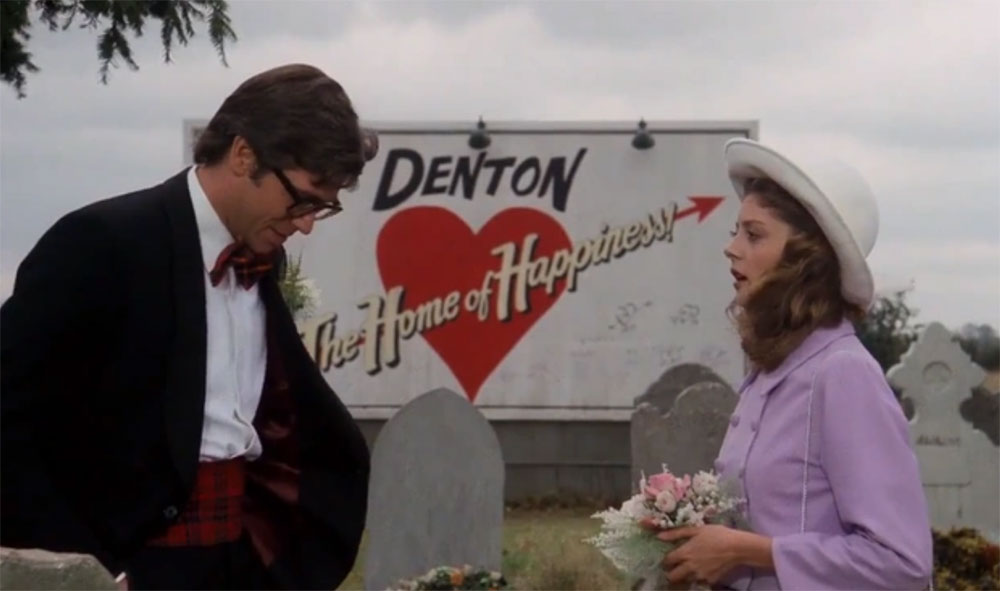
Richard O’Brien’s cult classic may be more musical than straight horror, but it drips with gothic camp and monstrous undertones. Janet Weiss (Susan Sarandon), the sweet ingénue, begins the story dressed like a demure bride-in-waiting: her pale dress, pearls, and veil-like accessories make her look as if she’s ready to step straight from the chapel. But as she’s swept into Dr. Frank-N-Furter’s castle of chaos, that bridal innocence curdles into something far stranger.
Janet’s near-bridal look becomes the perfect setup for her descent—proof that in horror, purity is just an invitation to corruption.
I Married a Witch (1942) — The Supernatural Bride
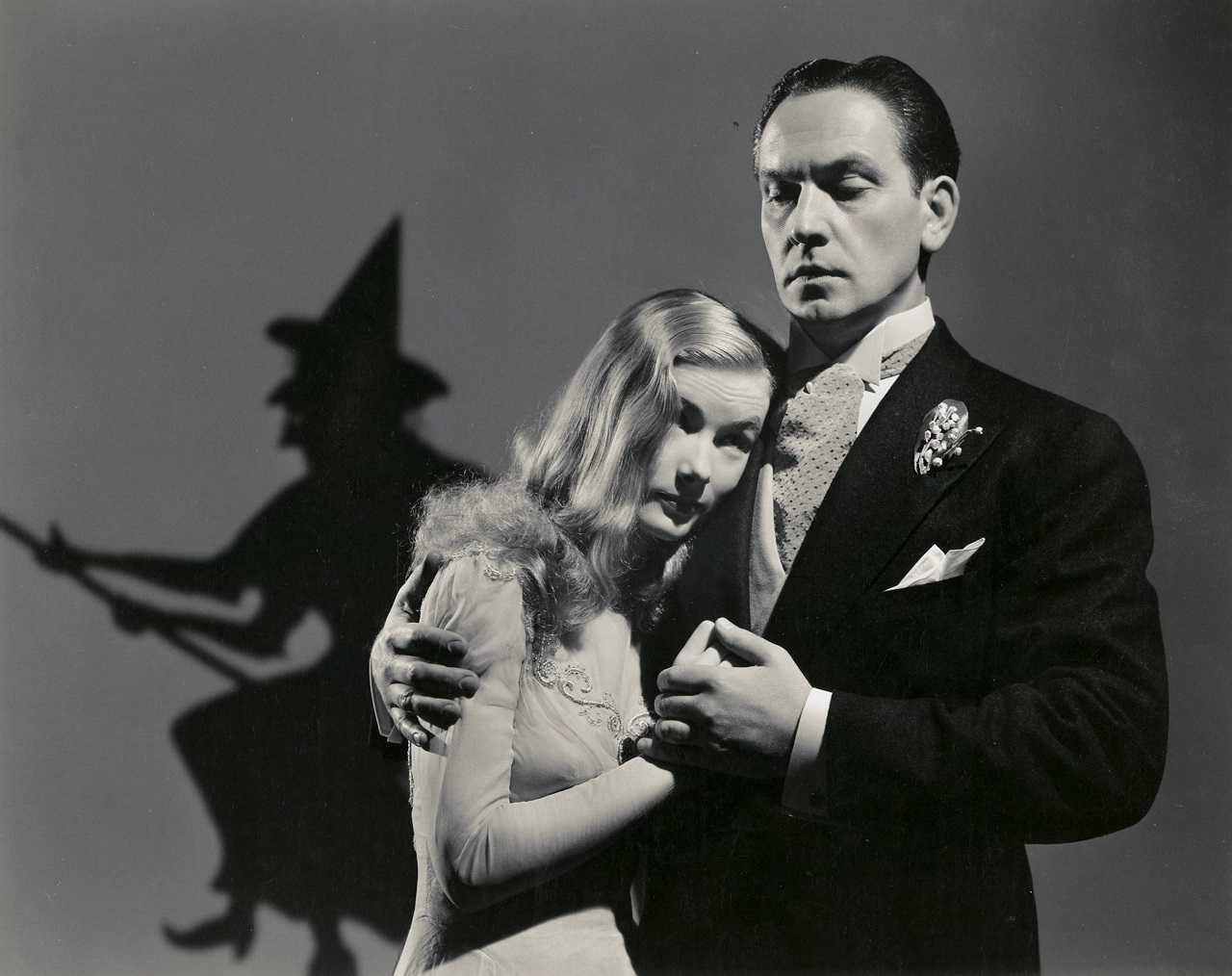
Long before horror-comedy hybrids became mainstream, René Clair’s I Married a Witch brought Veronica Lake to the screen as Jennifer, a witch who returns from centuries past to torment the descendant of her persecutors. She eventually falls in love and dons a bridal gown, shimmering white satin that highlights her signature platinum waves. Her bridal beauty is unmatched, but beneath it lurks power no mortal vows can tame.
Jennifer is a reminder that in horror, the supernatural bride never marries into weakness—she weds on her own wicked terms.
Final Thoughts
Why do brides make such perfect muses for horror filmmakers? It’s all in the symbolism. The white gown promises purity, but under shadow it becomes a shroud. The veil conceals innocence, but on screen it often hides death. A bouquet of fresh flowers withers quickly in undead hands.
Horror thrives on corrupted beauty, and few images sting sharper than a bride who doesn’t walk toward love but toward doom. The next time you see satin or lace gliding through a horror film, ask yourself: is it a promise of devotion, or a harbinger of dread? Because in horror, the most terrifying thing may not be the monster in the shadows—it’s the bride, waiting patiently in plain sight.




Follow Us!