

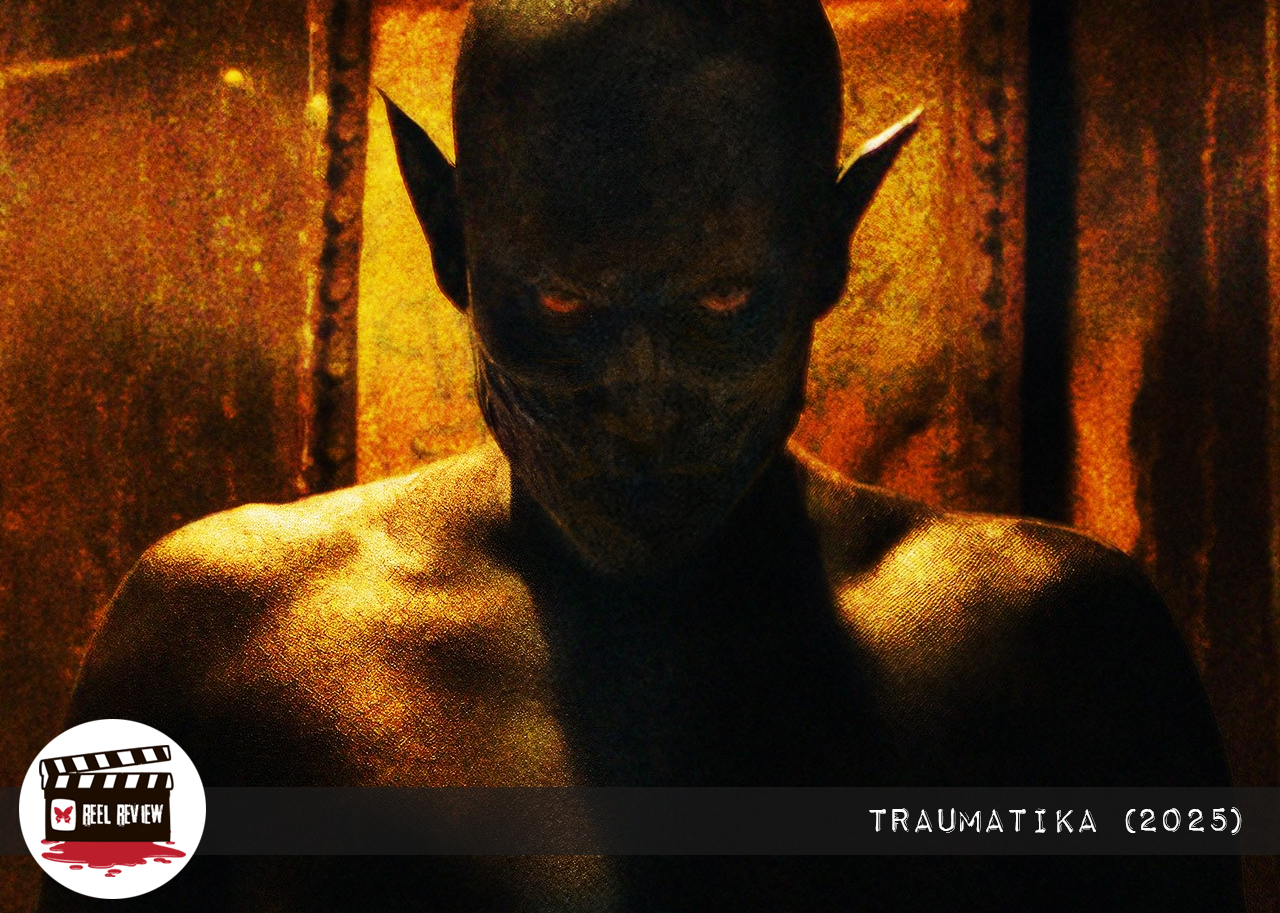
“Traumatika” shows early promise but squanders its potential with messy storytelling, tonal confusion, and heavy-handed execution.
No time to read? Click the button below to listen to this post.

Some films leave you torn between admiration and exasperation. Traumatika is one of them. The latest from Two Witches writer/director Pierre Tsigaridis and co-writer Maxime Rançon is ambitious, provocative, and often visually striking. But it’s also messy, frustrating, and ultimately unable to carry the weight of its own ideas.
At its best, Traumatika is an unnerving descent into demonic terror, dripping with atmosphere and bolstered by strong performances.
At its worst, it’s a disjointed and exploitative exercise that collapses under the strain of trying to tackle trauma, possession, slashers, biblical evil, and true crime commentary—all within an 81-minute runtime.
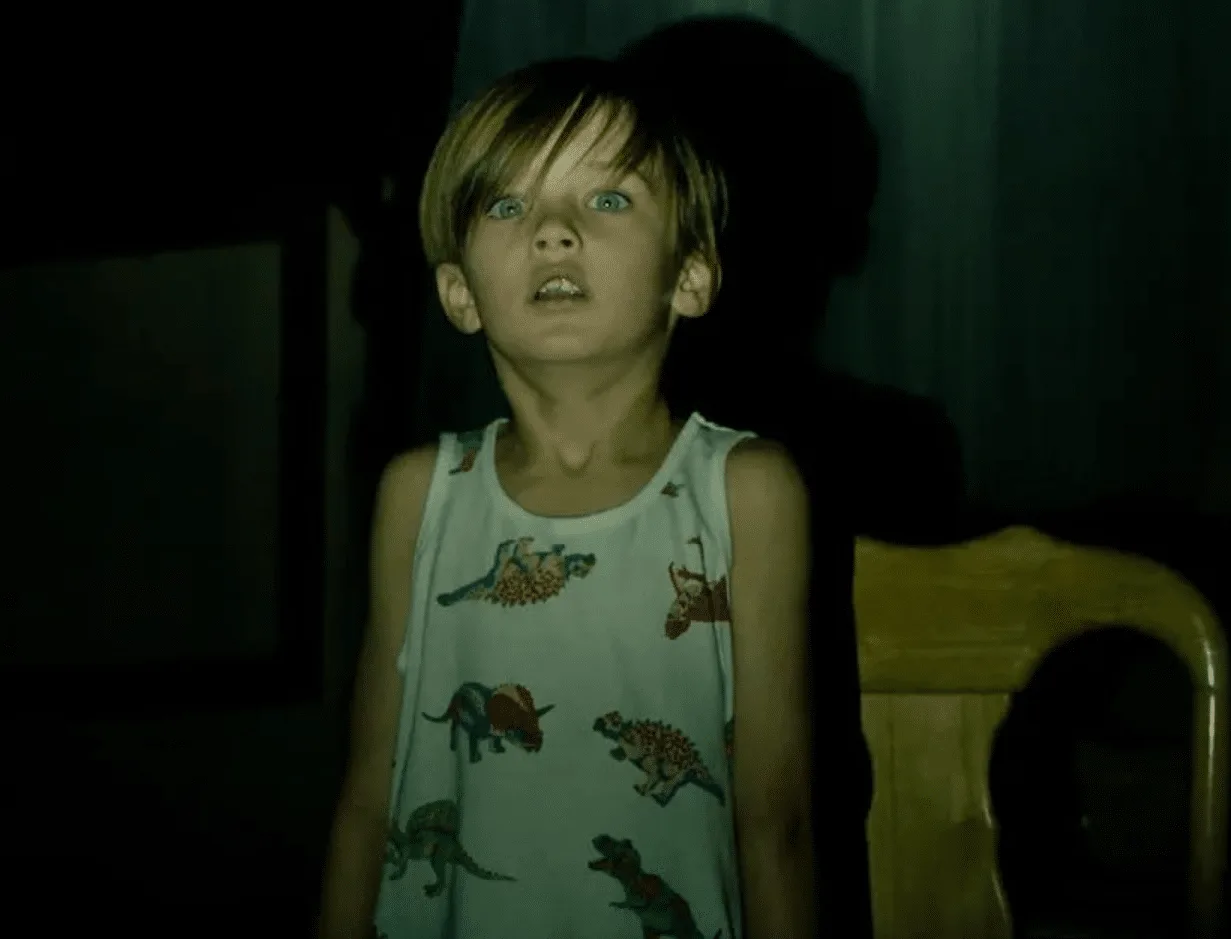
The film opens with a chilling prologue in Egypt, 1901, establishing the demon Volpaazu, “the taker of children.” It’s a setup worthy of dread, combining mythological grandeur with brutal violence. From there, the narrative jumps to Pasadena in 2003, where a young boy named Mikey (Ranen Navat) makes a desperate 911 call while trapped with a possessed woman, Abigail (Rebekah Kennedy).
These early scenes—grim, claustrophobic, and unpredictably violent—are the film’s strongest.
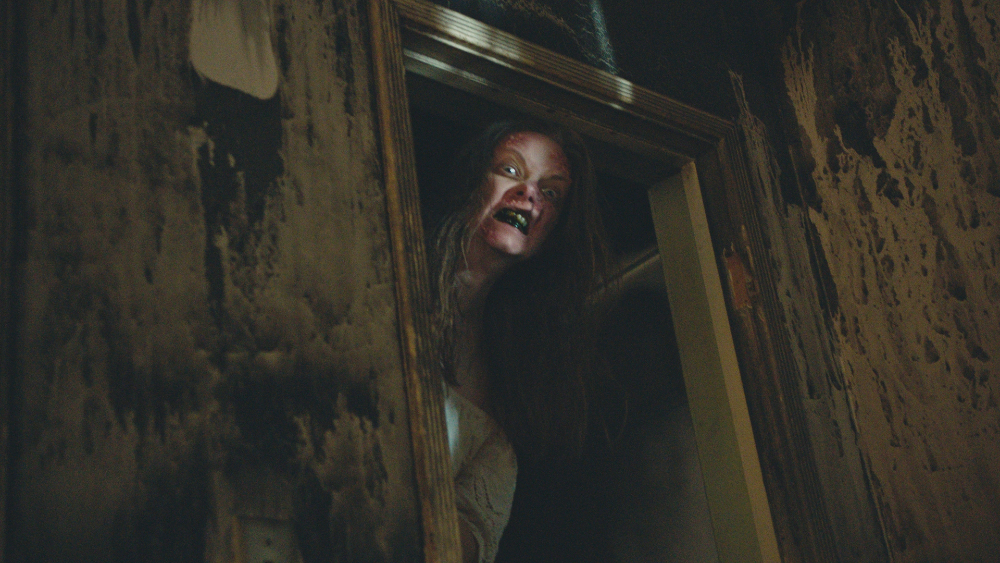
Kennedy is magnetic as Abigail, equal parts pitiful victim and terrifying monster. The stalk-and-chase sequences within a dilapidated home evoke genuine discomfort, enhanced by the film’s grainy texture and oppressive atmosphere. It’s the kind of imagery that sticks in your chest, like a bad dream you can’t shake.
Unfortunately, the more Traumatika reveals, the less effective it becomes.
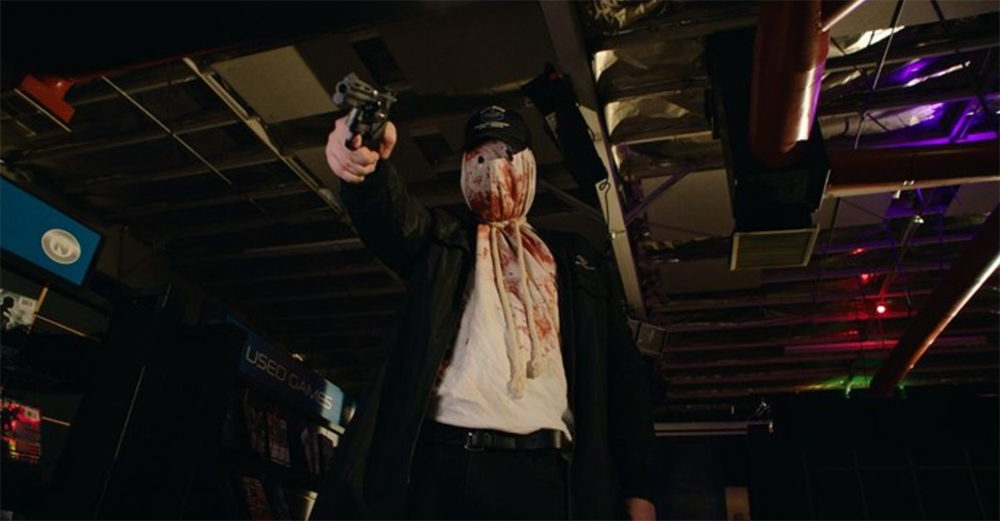
The film pivots from possession horror to slasher territory, splintering into multiple timelines and perspectives. Instead of adding depth, these shifts dilute the momentum and leave the narrative incoherent.
The decision to link Volpaazu’s possession to cycles of trauma and abuse is provocative but ham-fisted. While horror has often been at its most powerful when confronting real-life pain, Traumatika wields trauma like a blunt instrument.
Incest and sexual abuse are introduced without nuance, serving more as shock devices than as meaningful explorations. The result is alienating, especially when the script fails to ground these horrors in authentic character work.
Even the film’s loftier questions—Are monsters born or made? Does trauma birth evil?—are posed but never meaningfully explored.
Instead, the story unravels into overwrought dialogue and a chaotic third act involving an unscrupulous journalist (Susan Gayle Watts, chewing the scenery with delight) and exploitative media commentary.
Despite the uneven script, the cast delivers.
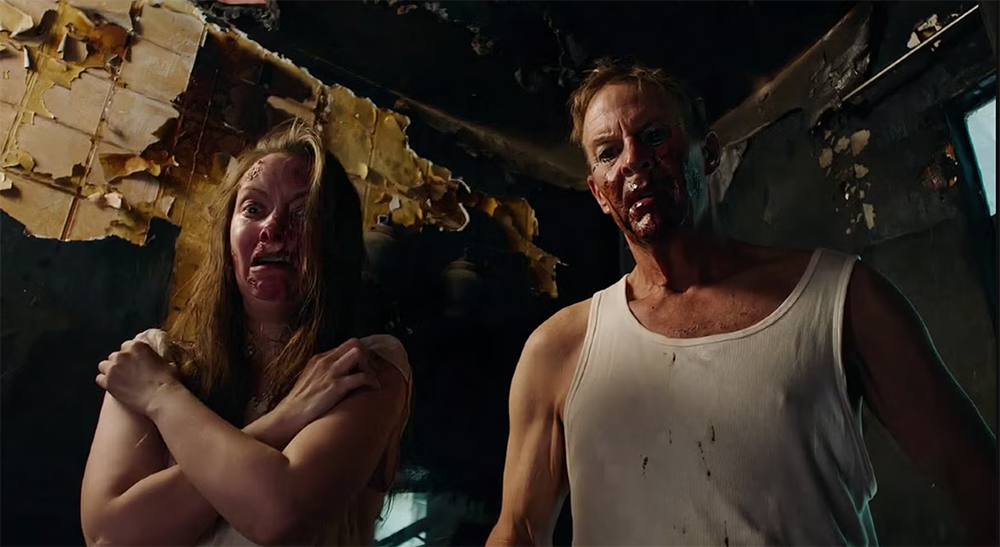
Sean O’Bryan embodies grotesque cruelty as Abigail’s tormentor, while Kennedy grounds the film in a volatile mix of fragility and menace. Their performances sell the film’s most disturbing sequences, even as the narrative refuses to stay on track.
There’s also no denying the film’s relentless pacing. For better or worse, Traumatika rarely lets up.
The barrage of horror imagery and gory extremes may appeal to fans of boundary-pushing cinema. However, for those hoping for a nuanced exploration of trauma, the lack of finesse will feel like a betrayal of the film’s premise.
Ultimately, Traumatika is bursting with ideas, but it drowns in its own ambition. What begins as an unsettling nightmare devolves into a patchwork of vignettes that never regain the tension of the chilling opening act.
There are moments here that rattled me, and performances strong enough to keep me watching. But the film’s tonal whiplash, mishandled subject matter, and incoherent storytelling left me more frustrated than frightened.
Traumatika is not without merit, but it’s a frustrating experience as a whole—one that reminds us how thin the line is between boundary-pushing horror and hollow provocation.
Overall Rating (Out of 5 Butterflies): 2.5








Follow Us!