
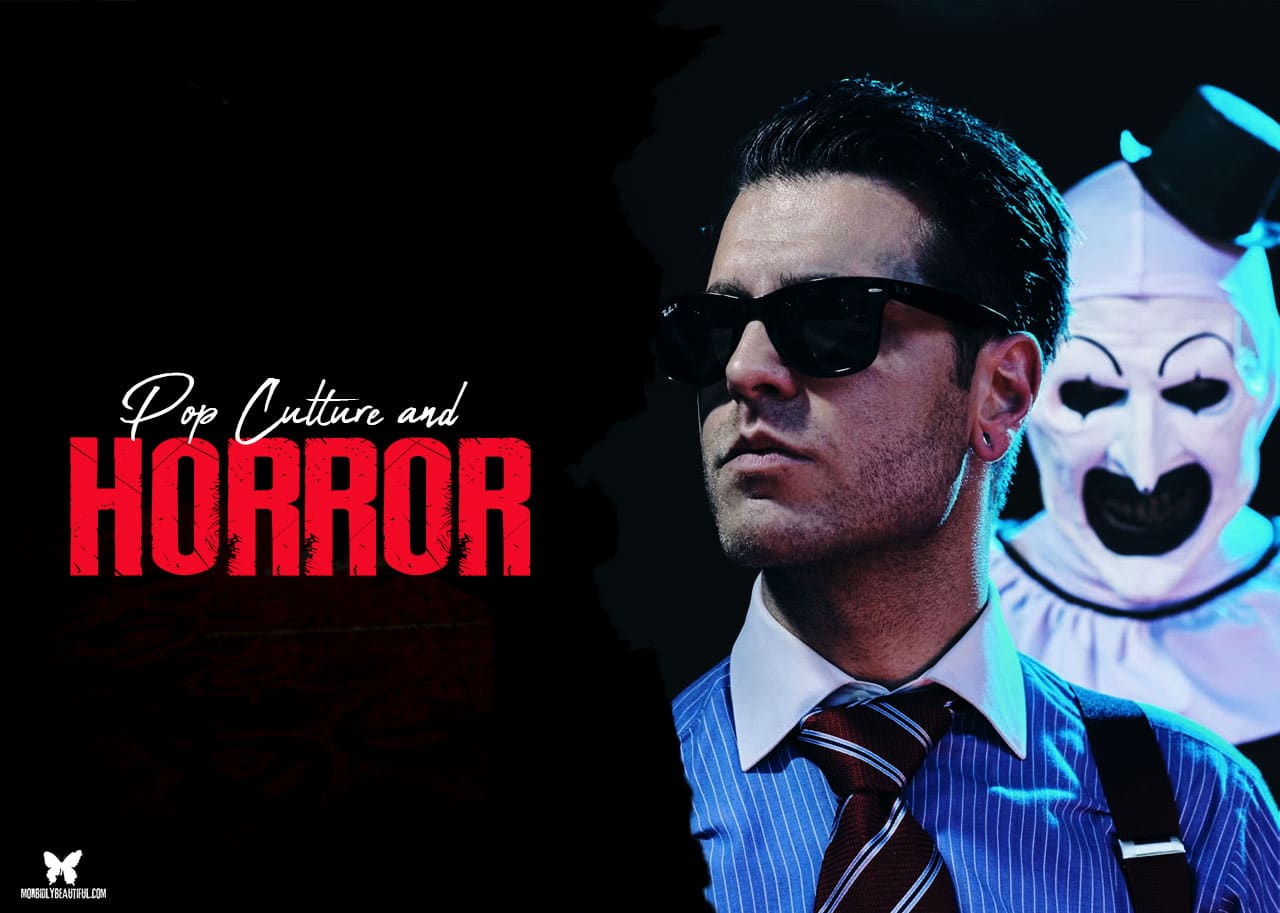
Forget dark alleys; horror has infiltrated mainstream pop culture, from high fashion to TikTok, proving its pervasive and adaptable nature.
When people think of horror, they often picture slasher films, haunted houses, or ghost stories told around a campfire. But horror has a curious way of showing up where you least expect it, woven into fashion, music videos, casual games, even viral TikToks. It’s not always about scares either; sometimes, it’s the atmosphere, the aesthetic, or the eerie tension that sticks with you.
Over the years, horror has crept far beyond its cinematic roots and into corners of pop culture that aren’t traditionally spooky. Let’s look at some surprising places where horror makes its presence known.
Fashion and Streetwear

From oversized prints of skulls to eerie slogans stitched on the back of hoodies, horror has made a home in modern fashion. Designers borrow heavily from the gothic, the grotesque, and even B-movie monsters to push boundaries and turn heads. You’ll see zombie hands on trainers, or blood-drip typography on jackets.
High fashion and streetwear both lean into horror elements, sometimes subtly, sometimes not. It’s no longer just a Halloween gimmick. It’s a year-round style. Even makeup trends have followed, with eerie eyeliner shapes, pale foundations, and black lipstick becoming statement pieces on the runway and beyond.
Online Casino Games
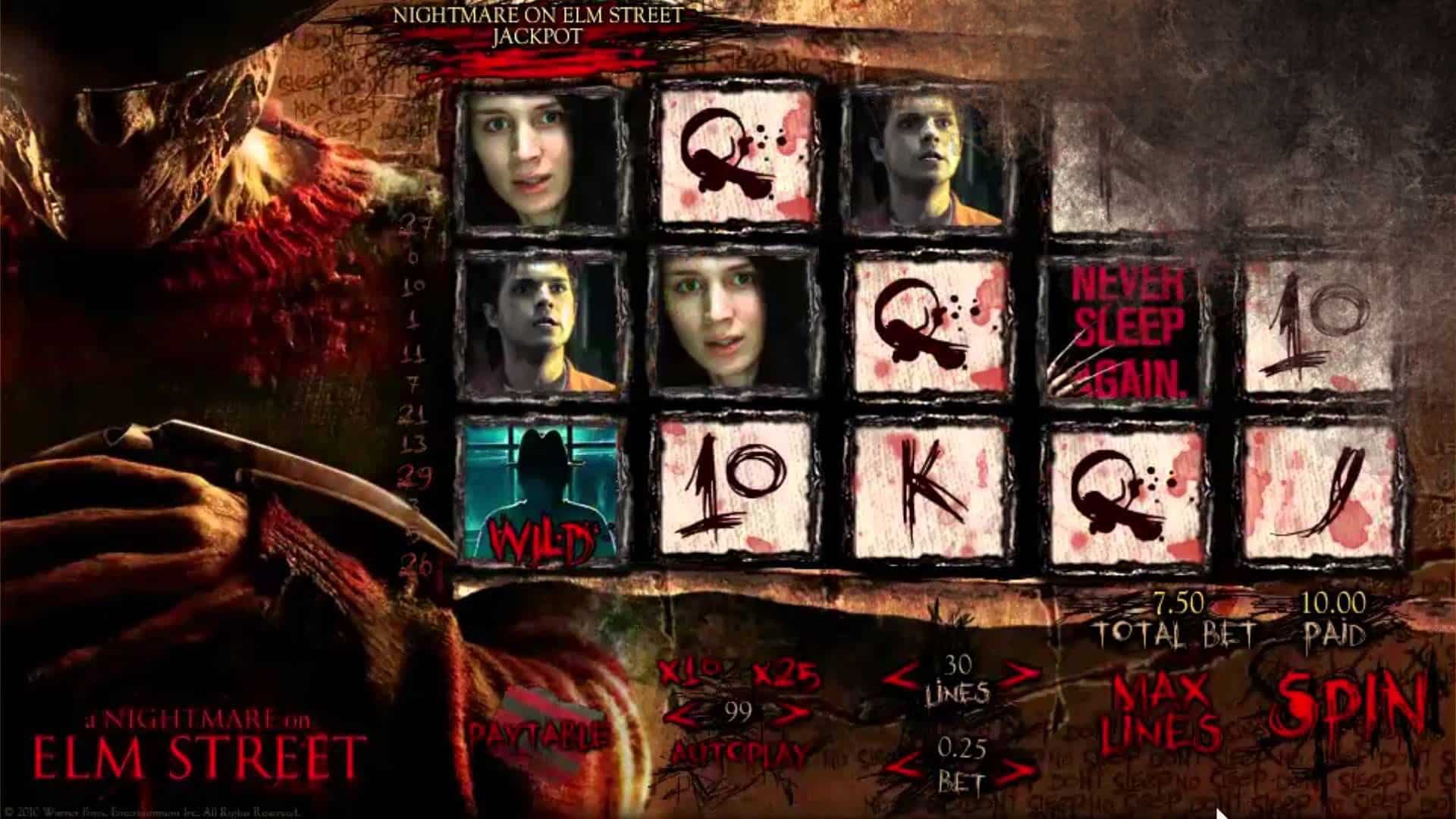
Believe it or not, horror has also crept into the world of online casino games. Many platforms now offer spooky-themed slots and eerie bonus rounds complete with haunted house visuals, howling wolves, and chilling sound effects.
These games aren’t designed to terrify but to entertain, blending playful horror aesthetics with interactive gameplay. Around Halloween, it’s common to see limited-edition features that lean into ghosts, vampires, or the undead.
Just make sure you choose trustworthy platforms, like this Aussie online casino, whenever you’re dipping into the darker side of digital entertainment for some light, seasonal fun.
Music That Leans into the Macabre

Modern artists use horror imagery in music videos, live shows, and even lyrics. Billie Eilish, The Weeknd, and Halsey have all blended eerie visual storytelling with sound. Whether it’s unsettling masks, dim lighting, or symbolic references to death and isolation, horror gives musicians a new way to speak to emotion. And fans respond: these videos rack up millions of views, not just because of the sound, but because of the visual impact.
There are even bands dedicated to embracing the genre in a big way, like the wildly creative and talented Ice Nine Kills. The genre’s influence pushes artists to take risks, to unsettle, and to keep one watching, even when it gets weird.
Mild Scares for Younger Audiences

Horror elements also appear in media aimed at kids, but are softened to suit the age group. Think Coraline, Monster House, or Hotel Transylvania…films that play with dark themes in a fun, approachable way. Even children’s books like Goosebumps or Scary Stories to Tell in the Dark introduce young readers to fear in safe doses.
This kind of storytelling teaches kids that fear is okay and sometimes fun. It gives them room to be brave in small ways. That early introduction to spooky stories becomes the gateway to a lifelong love of horror.
The Internet Loves a Good Scare

Social media platforms are flooded with bite-sized horror content. TikTok horror filters, short story threads on Reddit, plus chilling horror shorts and creepy animations on YouTube. These formats allow users to experience horror in a quick, low-commitment way. And they’re wildly popular. The ability to merge humor, suspense, and surprise in 30 seconds or less has redefined what horror content looks like.
The DIY nature of these platforms also makes it easy for anyone to try their hand at scary storytelling. That democratization of horror has helped it evolve, stay relevant, and reach audiences far beyond traditional fans.
Follow Us!