
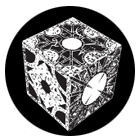

Discover the unique storytelling, emotional, and technical skills gained from devouring scary stories that make horror fans killer writers.

Have you ever noticed how the best writers love scary stuff? King, Jackson, Gaiman; they dig into our fears. Their writing grabs you hard. This isn’t random. Horror shapes how people write. It gives them an edge that other genre fans don’t have.
Horror fans get special skills from consuming scary stories. While many people run from horror (21% of Americans, according to YouGov), those who embrace the creepy stuff build writing muscles that make their work stand out.
How Horror Consumption Builds Storytelling Skills
Horror lives on tension. Good horror writers know when to spill beans and when to keep you guessing—a skill that makes any writing better. This pacing trick is why readers stay up until 3 AM with a story instead of tossing it after the first paragraph.
Nursing students often find that incorporating storytelling techniques can turn mundane clinical content into something people want to read. KingEssays suggests that nursing students who integrate personal stories in their case studies receive better grades than those who use robotic-speak medical language.
The horror fan’s writing skills grow naturally from reading scary tales. When you read Barker or Ligotti, you soak up their methods without trying:
- Creating creepy vibes with a few words
- Building characters readers care about (before throwing them to wolves)
- Making dialogue sound real while moving the story
- Building scenes toward emotional gut-punches
Horror makes your body react. The writer who makes your skin crawl with just words has cracked the code on something big about language itself.
Emotional Intelligence and Character Development

Reading horror means facing the yucky stuff. Fear, disgust, dread. These are not warm fuzzy feelings, but horror junkies willingly ride this emotional roller coaster. This builds emotional smarts that help with writing.
The benefits of reading horror go beyond fun. A 2021 Chicago study found that horror readers scored higher on empathy tests, a key skill for creating characters that don’t feel fake.
Horror teaches writers to get people at their most naked and scared. When characters face their nightmares, their true colors are revealed. This creates more engaging characters in any writing, from essays to fictional stories.
Think how O’Connor used weird stuff to peel back character masks. Or how Machado mixes horror with memoir to show raw truths. This people-reading superpower enables horror fans to write compelling content, even in mundane school papers.
Horror also makes writers understand why people do things. Why would someone go into the creepy basement? What makes a character check out that strange noise? These questions about why people do dumb things create stronger characters in all writing.
Technical Writing Elements Horror Fans Master

Beyond storytelling, horror fans pick up writing tricks that make their work clearer and punchier. These might fly under the radar, but they make writing better no matter what.
Creative writing tips from horror masters emphasize the importance of concise language. King told writers to “kill your darlings”—cutting extra words for leaner, stronger prose. Horror readers smell flabby writing a mile away because it kills tension dead.
Horror teaches writers to hint rather than explain everything. The monster you barely see is scarier than one in full light. This suggestion trick creates better writing by letting readers fill in the gaps themselves.
Some skills horror nuts often get:
- Using sensory details that make readers feel there
- Playing with sentence length (short for tension, long for breathing)
- Adding symbols that create deeper meaning
- Making smooth jumps between scenes
Analyzing horror stories builds critical reading muscles that help analytical writing. Looking under a horror story’s hood shows meaning you might miss. When you get why Peele’s Get Out works on many levels, you’ve grown skills for any writing task.
Applying Horror Techniques to Other Writing Genres

Horror tricks work in surprising places. They fit in academic, job, and creative writing across the board. Students who are interested in horror can use these tricks in places you’d never expect.
One trick that transfers well is juxtaposing normal with weird. Horror often does this to create unease. This same move can enhance academic arguments by challenging readers’ preconceptions.
Horror’s structure obsession teaches writers about pacing and organization. A horror story that reveals too much too soon fails; similarly, an essay that dumps all info at once loses impact. Improving essay writing often means using these structure tricks in school work.
Horror hammers home why stakes matter. In horror, consequences are life or death. While school papers don’t have chainsaw maniacs, they do need to show readers why they should care about the topic.
Writers who tip their hat to horror include:
- Morrison, whose “Beloved” uses horror to dig into historical pain
- Atwood, whose dystopian works borrow horror to examine social issues
- Wallace, whose essays create unease through careful tension
Even funny writers like Sedaris use horror tricks, creating awkward situations before releasing tension through laughs—a move swiped straight from horror’s playbook.
Horror fans develop an ear for real talk. When scared characters speak, they need to sound genuine despite crazy circumstances. This knack for authentic voices makes argumentative writing more convincing, where sounding trustworthy makes or breaks your case.
Writers who get horror know how to build and release tension, keeping readers hooked start to finish. This rhythm works as well in research papers as ghost stories.
Whether writing college essays or complex arguments, the writer with horror chops brings tools others lack. They understand people, story structure, and techniques that make writing engaging instead of just informative.
Next time you’re stuck on a writing assignment, maybe let your dark side play. Your writing might thank you for the nightmares.


Follow Us!