

In a genre oversaturated with fast-paced zombie narratives, “Handling the Undead” is a rare and haunting reflection on human grief.
What happens when the love remains, but the soul is gone?
Set in a relatively quiet Oslo, Handling the Undead doesn’t just reinvent the zombie genre, it liquifies it, breaking away the typical horror motifs to reveal something far more sensitive and terrifying: the raw process of loss.
Zombie cinema has seemingly evolved to reflect the fears of its time, from Cold War-era paranoia to reflections of mass consumption issues. This film reinvents the genre by requiring the viewer to ponder not only how we might behave during a zombie outbreak, but also how we would mourn, cope, or even love, if given the chance to see our dead again.
As someone who has devoured zombie movies from Romero to Boyle, I thought I’d seen it all. This film challenged that assumption; it’s steady, intentional, and quietly devastating.
The story follows several families, each mourning the recent death of a loved one. The grief is fresh and unprocessed, an important theme introduced. Then, an unexplained electromagnetic pulse explodes across the city. A brief and total blackout ensues, and then the dead begin to stir—not with bone-chilling grunts, screams, or violent behavior, but with the uncertain shuffle of muscle memory.
Their movements are hollow. Their faces are vacant. There’s no gore-motivated excitement here—only quiet horror.
The undead return not as threats, but as relics of what they once were.
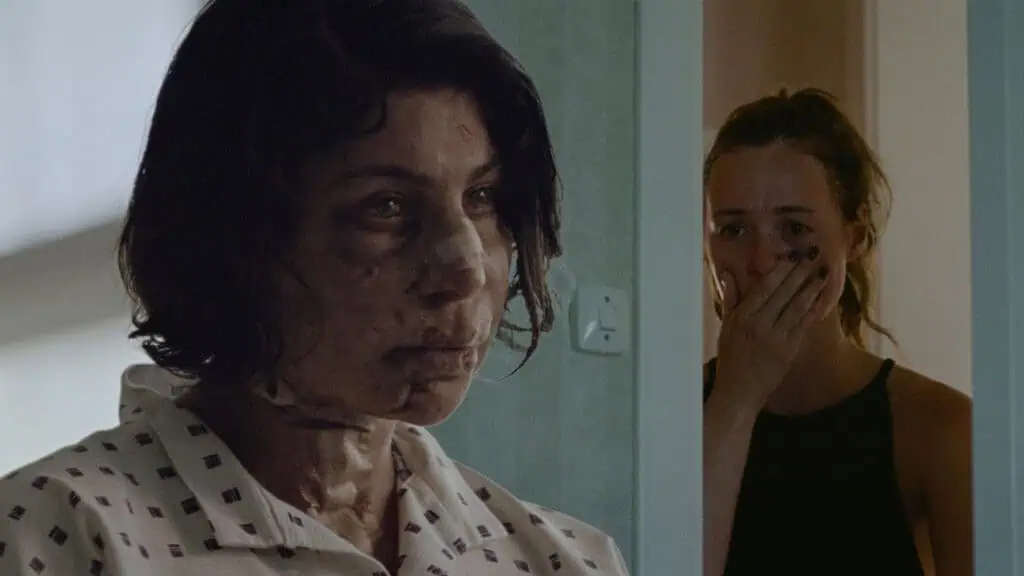
This is where the film finds its strongest thematic element. The undead aren’t monsters; they’re metaphors. A mother holds a child who no longer resembles the son she lost. A spouse embraces the corpse that no longer speaks.
The film’s most stirring sequence centers on a grieving mother whose drowned child is presented to her, bloated, blank, and smelling of decay. Her desperation to believe in this miracle spirals into a visceral finale, one that reflects the moment of his original death.
The re-death of her child, this time by her own hands, is not just tragic, it’s purifying. It’s a final, necessary release.
In a parallel universe, we can reflect on our own human experiences of 2024—a year marked by immense global grief, political exhaustion, and collective emotional burnout.
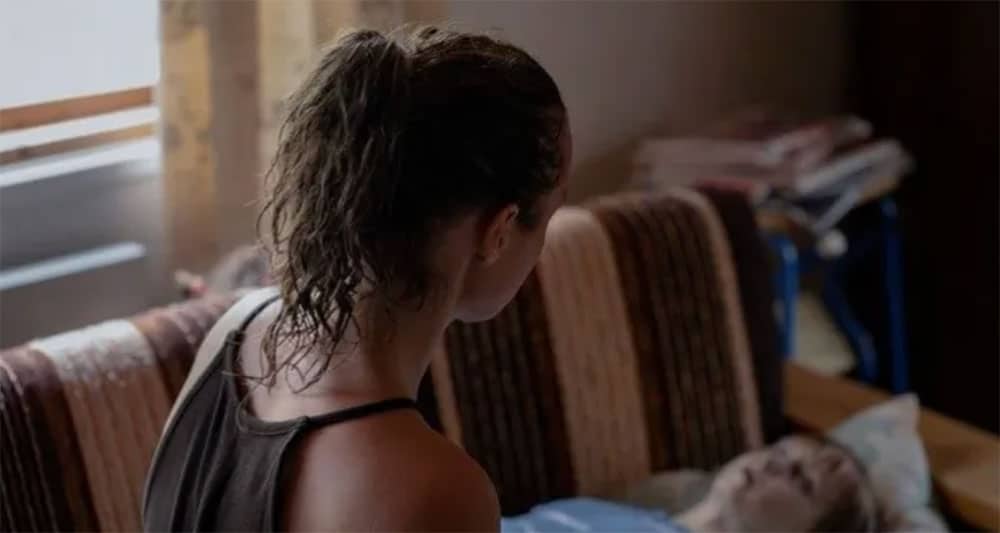
In another harrowing storyline, a spouse’s undead wife returns home, driven not by hunger but by some residual domestic routine. She paces and she grunts. She remains unnaturally still while the tears stream down her face as her wife attempts to cleanse the hollow body. The ending is inevitable as she turns, devours, and love becomes an act of violence.
This dynamic reads as an allegory for depression: the emptiness that creeps in and consumes everything familiar until only destruction remains.
What sets Handling the Undead apart is how it restrains from chaos in favor of stillness.
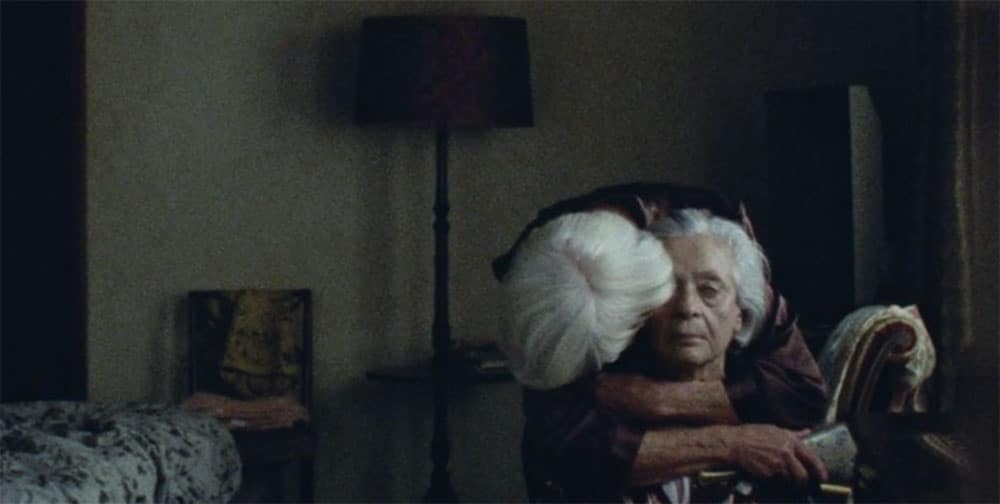
The pacing is deliberate. The color palette is desaturated, reflecting a world drained of life and joy. The score hums beneath the scenes, rarely rising above a whisper, making the silence even louder.
Once more, an allegory to our human life experiences, especially over the last couple of years, particularly considering the intense global emotional climate and the overturning of women’s agency.
These motifs illustrate how burnout and grief create a deadly, silent disconnect that shapes our very existence and perhaps even has made some of us feel like shells of our former selves.
There is no real government response in this story. No police presence and no televised panic. Just human beings alone with the impossible. That absence is perhaps the film’s most significant theme: that we will be left to handle the unthinkable on our own, without support or answers. Sound familiar?
Handling the Undead didn’t receive widespread acclaim, but its impact lingers. It may not appeal to those seeking action or spectacle, but for viewers willing to sit in grief and confront it in all its terrifying, shapeless forms, this film is unforgettable.
It’s not just a horror film; it’s a case study in emotional paralysis.












Follow Us!