

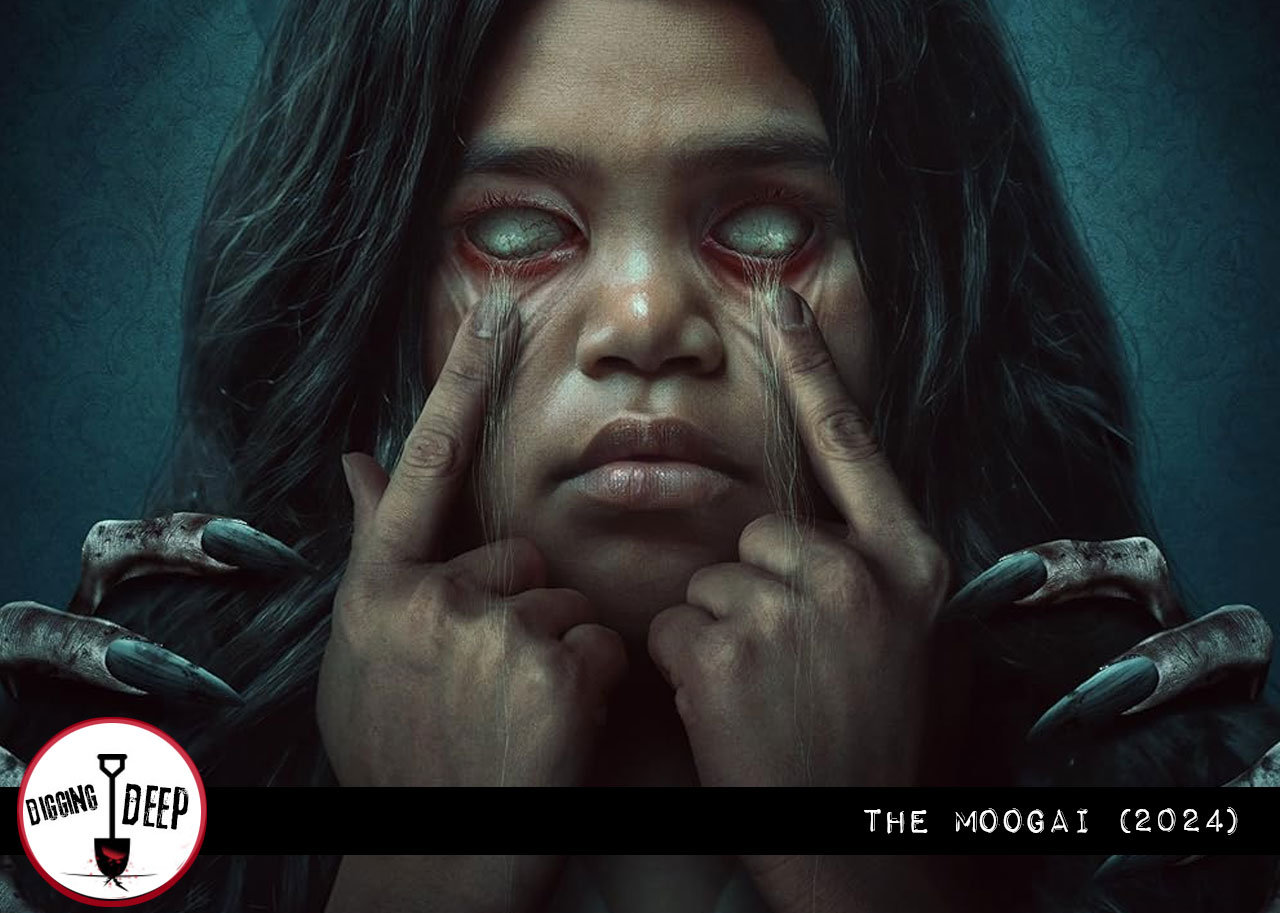
“The Moogai” is a harrowing portrait of an Aboriginal mother’s realization that the spirits of Australia’s colonial past continue to haunt.
No time to read? Click the button below to listen to this post.

For those watching The Moogai, a short exploration of Australian colonial history and violence against Aboriginal and Torres Straight Islander Peoples is recommended. For those reviewing it, I suggest it be mandatory.
Full disclosure, I am a settler. I will never fully understand the meaning and impact of these truths. However, I can actively try to appreciate them.
I spent some time before writing this, seeking additional knowledge from Aboriginal and Torres Straight Islander perspectives within Australia. I pass two resources forward to you, for those looking to open their heart and mind a bit before stepping into The Moogai.
There is one option, told by an Elder, here. And another (shorter, for those who cannot offer that time to Elder) TEDx talk with Jacinta Koolmatrie, which offers a critically important reminder: Aboriginal myths are not myths; they are all rooted in truths.
At a minimum, I recommend listening to Koolmatrie’s talk to be positioned more appropriately to appreciate and absorb the scariest parts of The Moogai.
This film lands a flurry of emotional and spiritual gut punches.
For me, there were two that knocked the wind out of me.
First, The Moogai helped me to feel some of the history I know, making a critically important connection between head and heart. What made this watch even harder was having to acknowledge how common this hateful colonial history is across continents.
I felt my Indigenous relations’ stories within Canada walking in parallel alongside these Australian truths, knowing that others’ paths are similarly intersecting (e.g., within New Zealand and the United States).
Writer-director Jon Bell describes the intentionality he brought to presenting this shared experience and offers many other gorgeous reflections in his interview about The Moogai here.
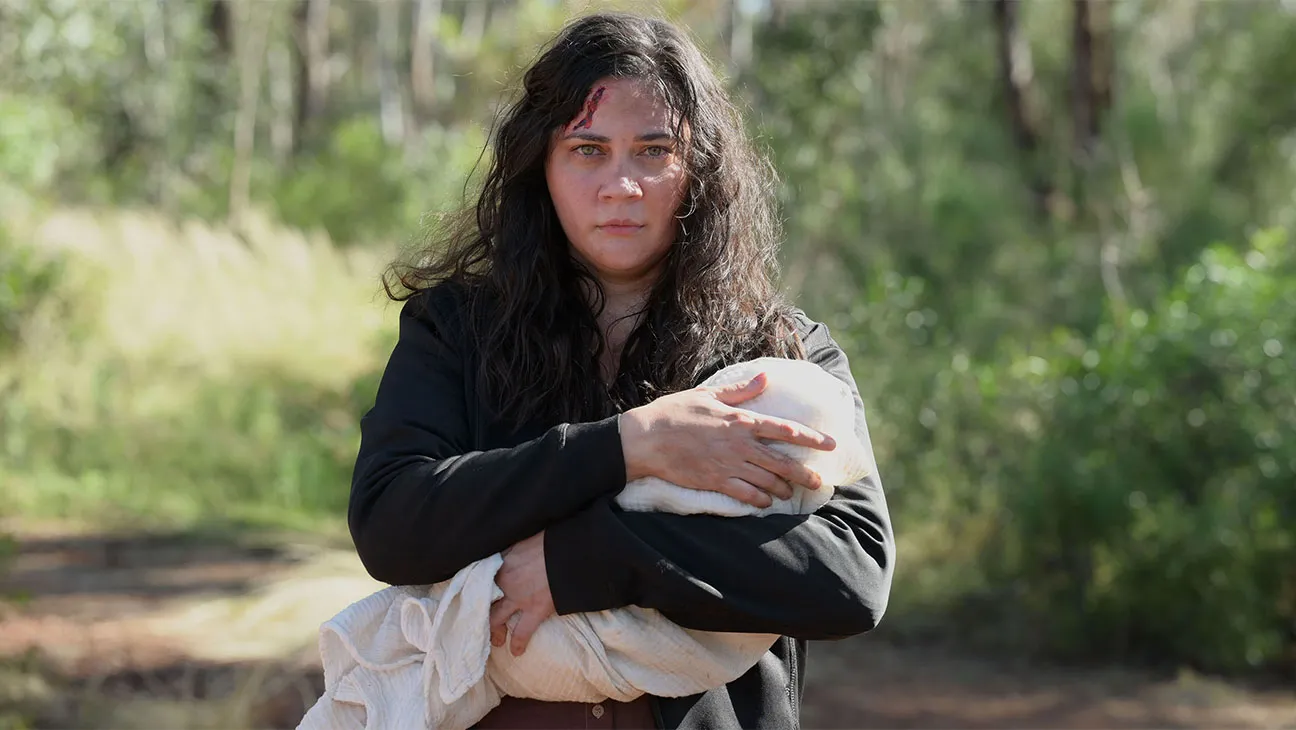
Second, when I finished watching The Moogai, I paused and sent positive energies to actor Shari Sebbens, who plays Sarah. The emotional labour required to play a role like that must have been exhausting (even distressing), and I very much hope the emotional and spiritual needs of the entire cast were tended to on set (and off).
What makes Sebbens’ performance so important was her ability to balance Sarah’s reality sensitively, while still landing the cacophony of honesty, rage, and shame felt under the circumstances and identity crisis she was experiencing.
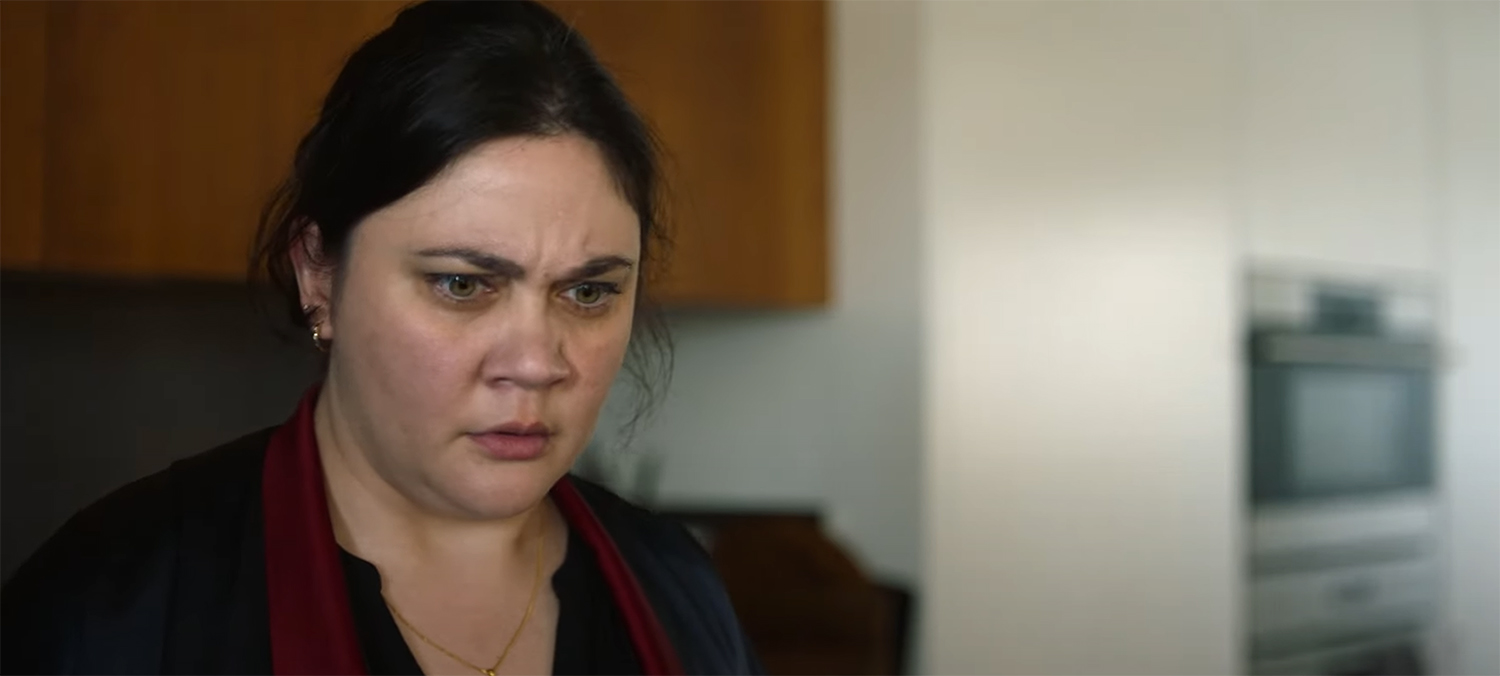
Landing the reality and impact of systemic and ongoing racism in ways that feel authentic to those oppressed by the system, while offering the opportunity to connect and build awareness and empathy (not pity) among viewers with privilege, is a challenge few successfully navigate. Bell’s writing, placed in Sebbens’ capable hands, delivered that rare gift.
While Sebbens’ performance is the focal point, there were particularly memorable moments offered by the supporting cast to celebrate.
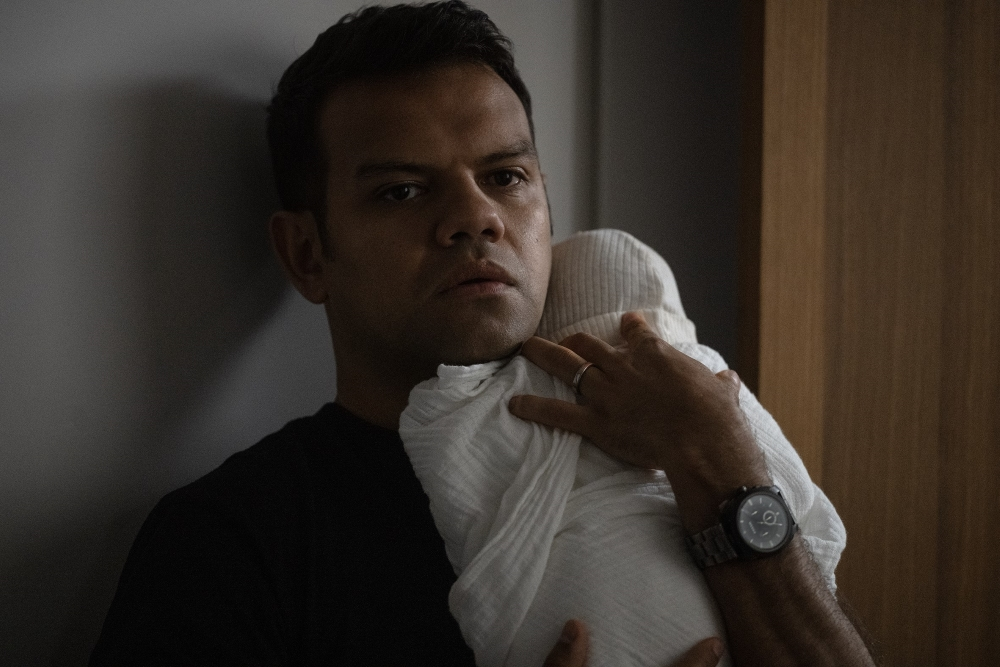
Meyne Wyatt’s Fergus was believable and compassionate as Sarah’s husband. Wyatt has one line, delivered in a way that felt deeply personal and laced with awareness, to help non-Aboriginal viewers frame Sarah’s harrowing experience at the school. It is challenging for many to comprehend how others can “allow” atrocities to unfold in real time. Fergus sums it up simply with, “As soon as I say something, I’m an ‘angry black man’.”
And the reality is that if Fergus’ tone and actions mirrored how he felt, the risk that he (or all of them) would leave the school in handcuffs would have multiplied exponentially.
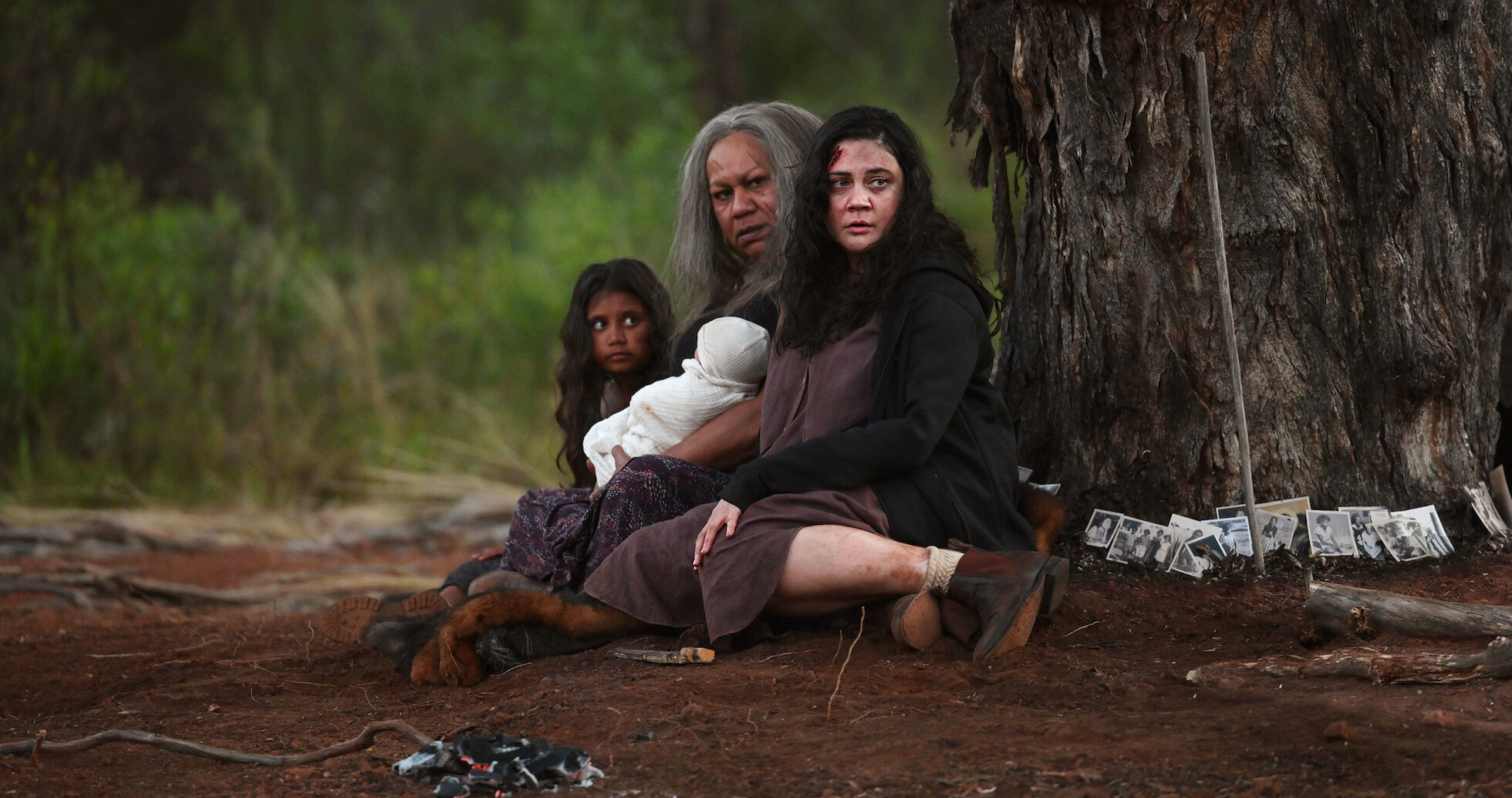
This leads me to discuss Sarah’s mother, Ruth, who embodies the concept of misplaced anger directed at a person who should be targeted by the system.
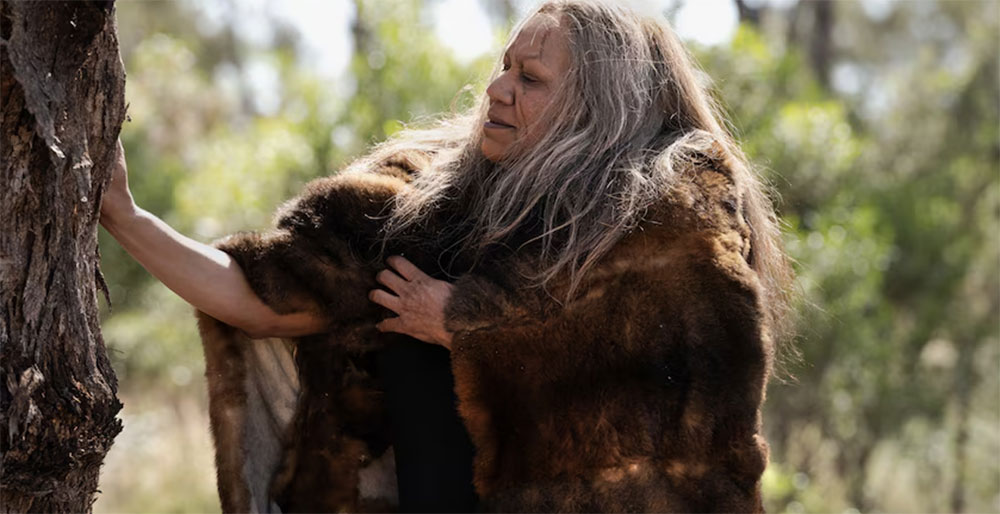
Tessa Rose’s Ruth was equal parts tender and stoic. Ruth plays a significant role in the closing third of the film; however, for me, her restrained honesty in the first half of the film was particularly powerful.
There was a heated exchange between Ruth and Sarah, where Sarah throws out a passive yet sharp barb, implying Ruth’s actions and choices resulted in their separation and Sarah’s placement with her white foster mother. To which Ruth replies with aching truth, “I suppose the government said it was mine.”
Ooof. As I said, right to the gut.
I must also acknowledge that these actors were set up to succeed, thanks to the strength of Bell’s screenplay and his capable direction.
Getting to the expected horror elements, make sure you watch this without distractions.
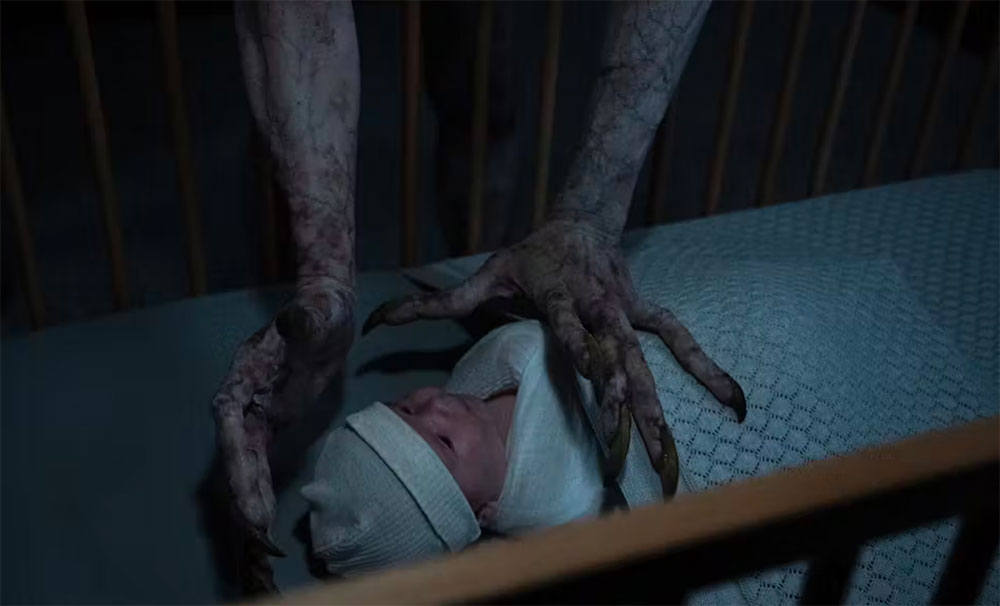
There are a few small, subtle moments and creepy visuals you will miss if you are playing on your phone (e.g., sliding balcony door). The Moogai’s creature design is quite effective and chilling, too.
That said, if you come in and place all of your scare eggs in the Moogai’s basket, you will miss the real monsters. The institutional figures – doctors and hospital staff, teachers, and multiple police officers – conjure the deepest fears in The Moogai.
In Western white spaces, we are taught that these roles are to be respected and obeyed, that they are fair and just. However, Bell is yet another savvy artist pushing us to wrestle with the concepts of “civility” and “safety” in our present, against the backdrop of our history.
How many of our accepted processes and structures exist to perpetuate enforceable hierarchy and righteousness, rather than let us thrive in strong, supportive, and spiritually rich environments?
(Pssstppsssstpssst…..it’s more than we will comfortably admit.)
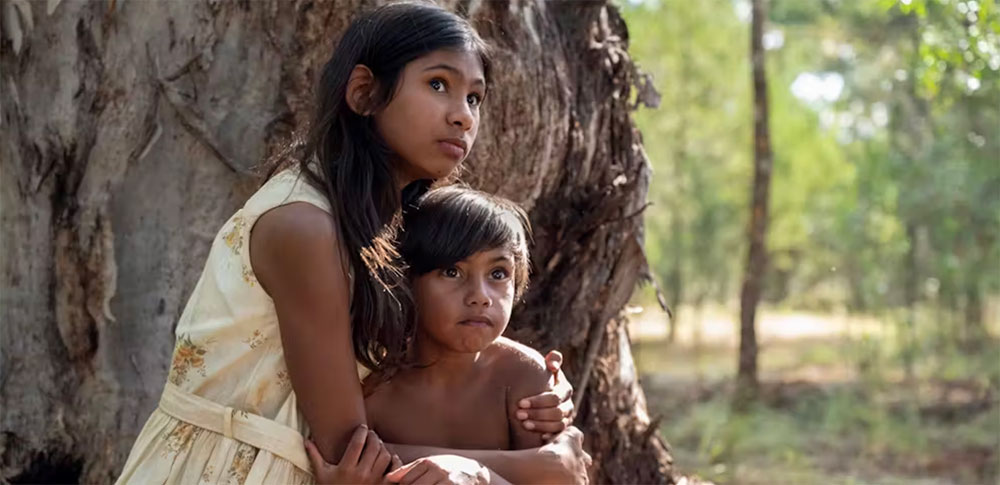
“Are you seeing children with white eyes? They’re the stolen ones.”
I interpreted this to mean those forcibly assimilated will start seeing the world through white eyes, with Sarah showing us what that can look like when the effort is “successful.”
Or this interchange:
“You trust this white fella?”
“Well, he’s a doctor.”
Here, we have Western medicine valued over traditional medicines and healing practices.
These moments both validate the histories and experiences of Indigenous and racialized peers, while demanding white viewers appreciate the harmful impacts of privilege and systems of power.
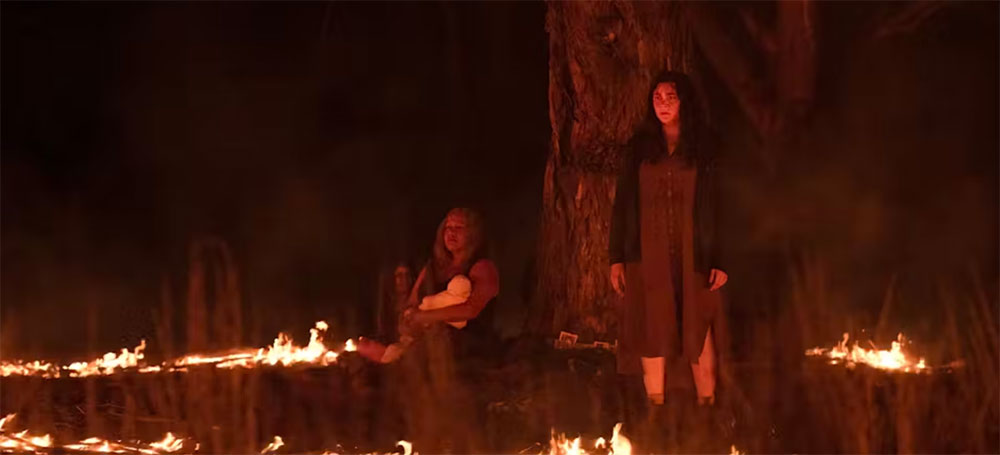
I offer the following statement with a factual tone, not virtue signaling: For those open to acknowledging these violent histories and embracing multiple ways of knowing, there is the potential for release, hope, and community. Sarah’s apology to Ruth and her ultimate willingness to let her daughter, Chloe, reconnect with Ruth’s teachings and cultural practices are heart-wrenching demonstrations of that.
The Moogai is a searing portrait of how colonial interruption still plagues our present tense.
For those open to learning more about Indigenous histories and cultures, and the healing power of family, community, and spiritual practices and protocols, I cannot recommend this film highly enough.
Overall Rating (Out of 5 Butterflies): 4.5






Follow Us!