

“Final Destination: Bloodlines” is a sequel that understands the assignment: honor the past, fix the messes, and deliver a killer good time.
“Final Destination: Bloodlines” is a gleefully gruesome return for death’s design—and a franchise high.
No time to read? Click the button below to listen to this post.
By now, we all know the rules: cheat death, and it’ll come back swinging—with a nail gun, a rogue escalator, a penetrating pool drain, or any number of exceedingly nasty and impossible-to-predict final blows.
But Final Destination: Bloodlines, the long-awaited sixth installment and franchise rebirth, doesn’t just play by the rules. It rewrites them with blood, brains, and a whole lot of biting wit. Fourteen years since the last entry (The Final Destination, which was decidedly not the final one), this sleek, sinister reboot arrives with purpose, precision, and a shocking amount of heart.
With a Rotten Tomatoes score currently hovering around an impressive 95% (pre-widespread release), Bloodlines isn’t just the best-reviewed Final Destination movie—it’s one of the best-reviewed horror films of the year. Happily, I can report that it earns that praise.
This isn’t just a greatest-hits parade of spectacular deaths (though it gleefully delivers on that front). It’s a clever, carefully constructed evolution of the franchise that honors its macabre legacy while adding real narrative meat to Death’s bony fingers.
At the center of Bloodlines is a killer concept.
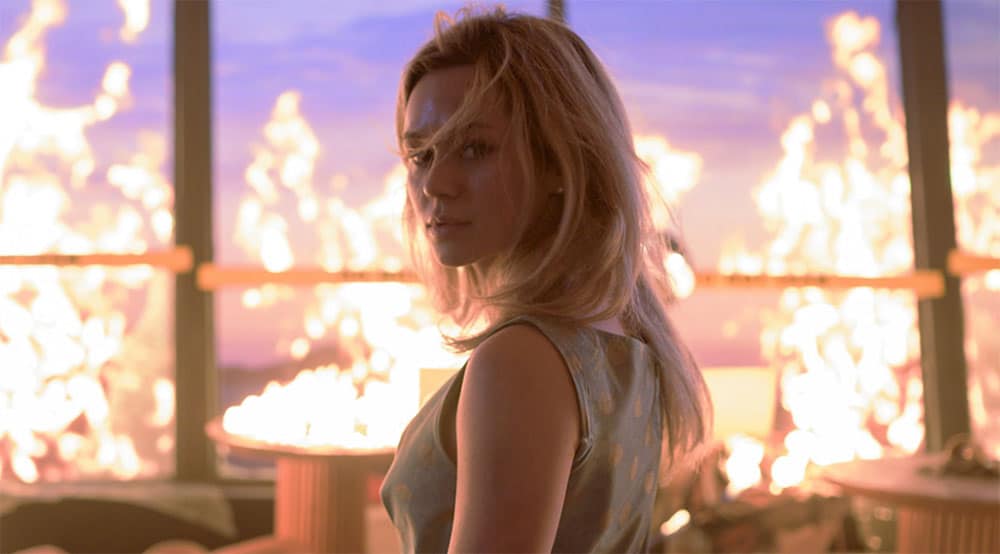
Rather than another round of unlucky teens narrowly escaping a freak accident, this film introduces us to Iris, a stoic matriarch who defied Death decades earlier (played by a breathtaking Brec Bassinger in flashbacks and a stellar Gabrielle Rose in the current timeline).
Now, her entire bloodline is under fire, as Death “course-corrects” the existence of generations that were never meant to live. The stakes are higher, the scope is broader, and the underlying mythology finally gets a little backstory.
And thank whatever eldritch force governs horror canon: it works.
This new wrinkle in the fabric of fate gives BLOODLINES a surprisingly coherent narrative spine.
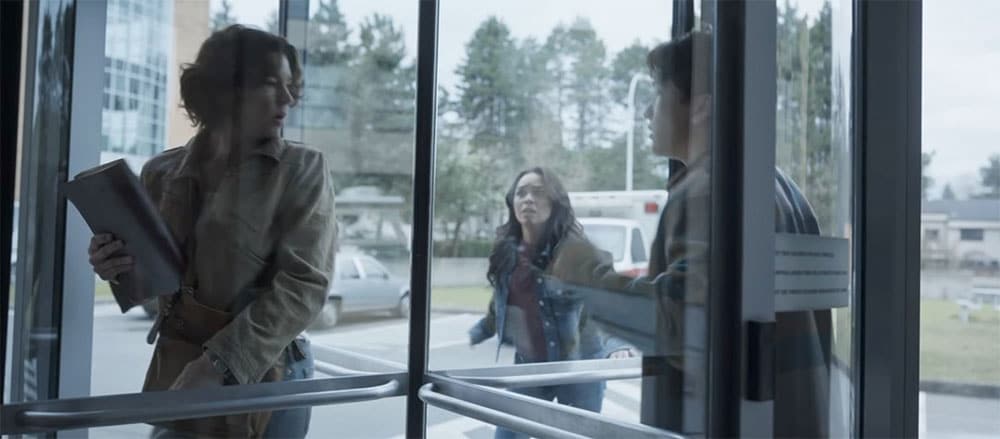
The introduction of a mysterious “tome” chronicling the events of past films helps tie the series together in a way that actually feels earned.
Pacing-wise, it strikes a careful balance. It doesn’t sprint from death scene to death scene the way FD3 did, and it’s better for it. By slowing down just enough to build tension and invest in its characters, the film earns its kills. It’s less about checking boxes and more about crafting dread.
That said, gorehounds looking for relentless chaos might find the film’s patience a bit surprising. This isn’t wall-to-wall splatter; it’s strategic, suspenseful horror with big payoffs.
The film’s family-centric approach helps breathe new life into the franchise’s character formula.
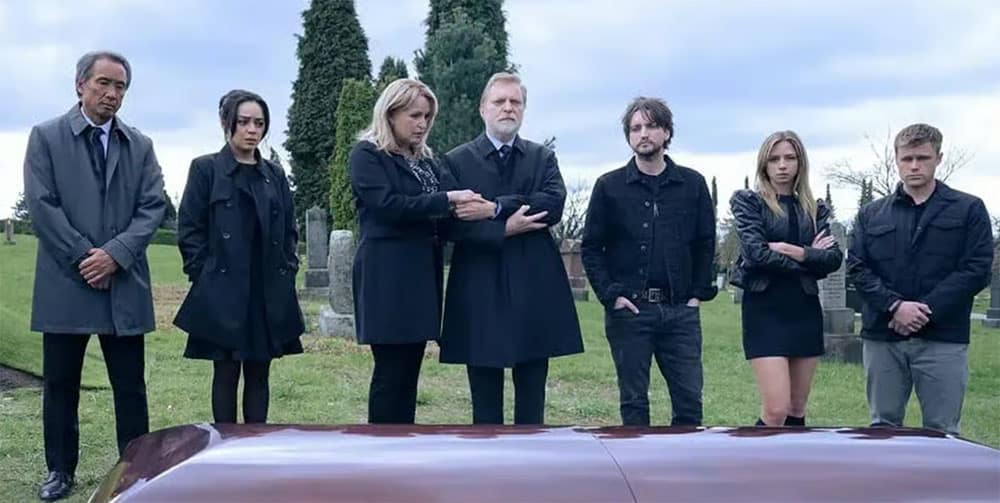
Instead of the usual group of replaceable archetypes, Bloodlines gives us a genuinely engaging cast. Everyone brings their A game. But Richard Harmon, playing the snarky “bad boy” cousin Erik, is a standout and sure to be a fan favorite.
(Sidenote: If you love him in Bloodlines, catch him in the underrated Tubi original Lowlifes, another 2025 horror surprise well worth your time.)
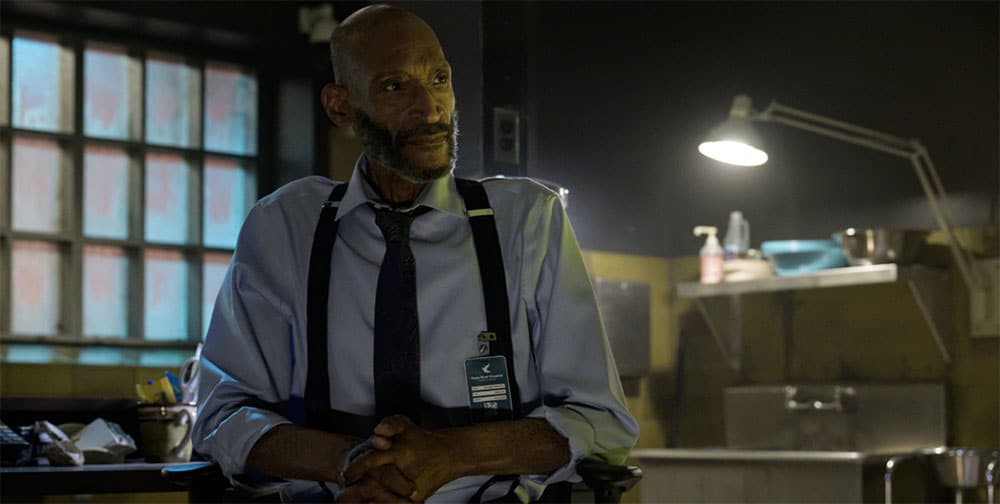
Of course, it’s no surprise to say that the beating heart of the film is Tony Todd, returning for his swan song as the cryptic coroner William Bludworth. His final performance is haunting, heartfelt, and imbued with a gravitas that deepens the franchise’s lore. It’s a perfect sendoff for a character who’s been the series’ living embodiment of Death’s mysteries.
And sure, characters you care about are a huge plus. But I know what you’re really “dying” to know. So, let’s get to the good stuff.
Yes, the kills are absolutely glorious! From the grandiose opening disaster sequence (it’s both spectacular and terrifying, especially if you harbor a fear of heights) to a nerve-wracking night at a tattoo parlor involving a faulty ceiling fan and some chef’s kiss misdirection, Bloodlines proves it hasn’t lost its twisted imagination.
Practical effects are used generously and effectively, giving the kills a weight and crunchiness that CGI often lacks. When digital effects do pop in, they’re mostly unobtrusive.
The biggest win for Bloodlines is its tone.
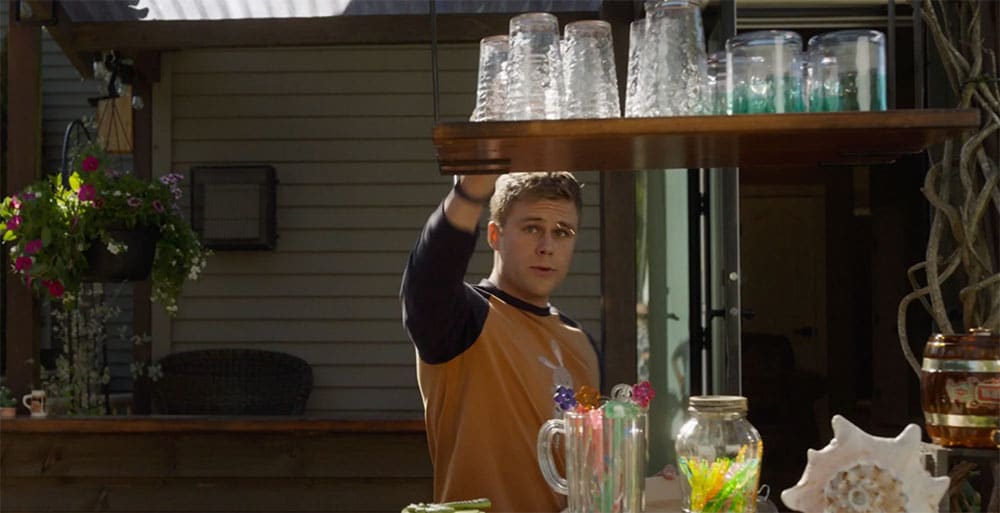
It’s the funniest film in the series without ever feeling like it’s mocking itself. That self-aware dark humor—something the franchise has always flirted with—is fully embraced here, and it balances the grotesque with the absurd in just the right proportions.
That said, the film’s slower build may not work for everyone. Hardcore fans who come only for carnage may feel like the story gets in the way. But honestly? It’s a small price to pay for a film that takes the franchise seriously without losing its campy soul.
But what you really need to know is that this movie was made for theaters.
Shot with IMAX cameras and using aspect ratio shifts to heighten suspense, Bloodlines feels big. The death sequences, with all their elaborate setups and gut-punch payoffs, are meant to be shared with a squirming, shrieking crowd. It’s an experience. Don’t rob yourself of that by waiting to stream it on your laptop at 2 AM.
It’s easily in the top tier of the franchise and a thrilling template for what legacy horror reboots should look like. Equal parts tribute, teardown, and terrifying thrill ride, Bloodlines earns its place in the pantheon.
Death may be inevitable, but bad sequels don’t have to be.
Overall Rating (Out of 5 Butterflies): 4







Follow Us!