Why “Return to Silent Hill” Misses the Soul of “Silent Hill 2”


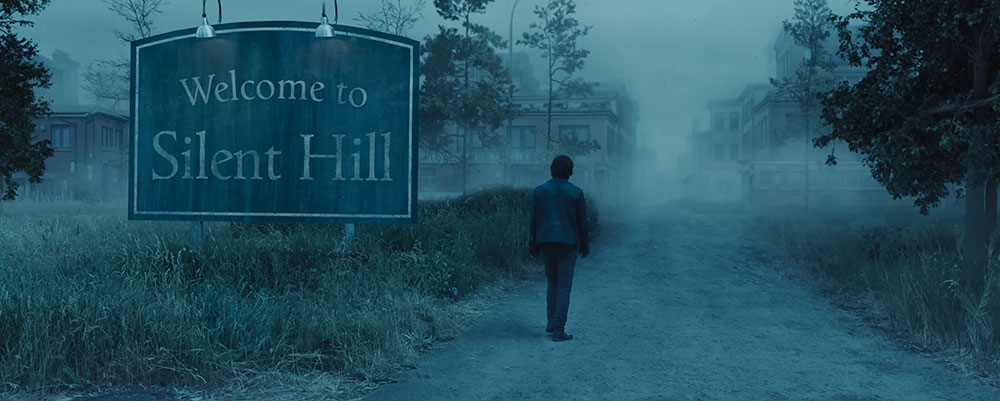

Return to Silent Hill was one of my most anticipated horror films of the year, as I’m a dyed-in-the-wool Silent Hill superfan.
I was optimistic given Chrisophe Gans’ return to the film franchise as writer and director. I’m a huge fan of Gans as a visionary filmmaker and loved his interpretation of the masterful game franchise with the first 2006 Silent Hill film adaptation.
I also love the 2001 video game Silent Hill 2, which this third film in the franchise is loosely based on.
Unfortunately, while Silent Hill 2 still haunts and devastates over twenty years later, Return to Silent Hill doesn’t seem to understand why. The failure of Return to Silent Hill stings so badly, not because it changes the game, but because it misunderstands what those changes mean.
It strips away the power of the original’s narrative to examine the weight of guilt, transforming moral consequence into a physical environment. The film keeps the shapes of horror (the mysterious ghost town, the relentless fog, the nightmarish monsters) but loses everything that gave them weight.
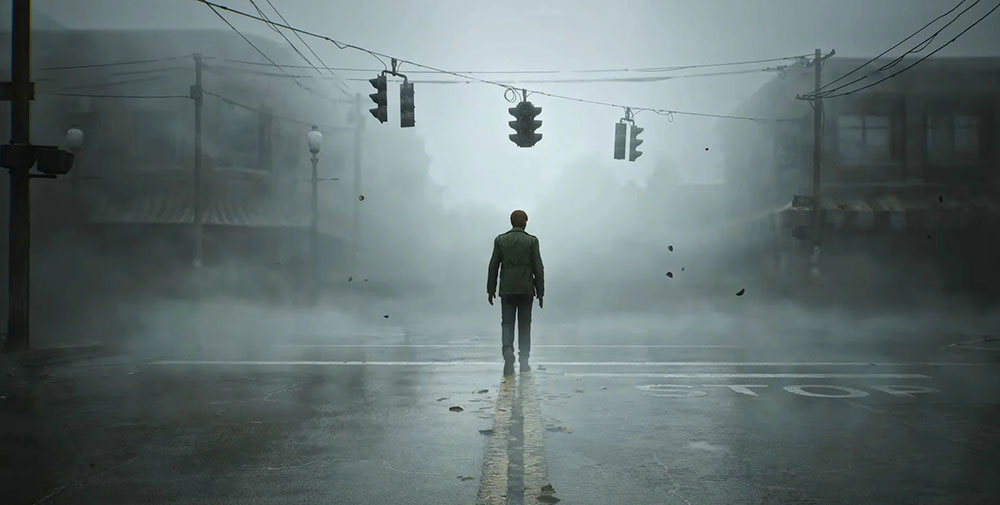
To understand what the film gets wrong, you have to honor what the game is doing. What matters isn’t just what happens, but why it happens the way it does.
Silent Hill 2 is often described as a psychological horror game, but that label can feel too generic to carry meaning. More accurately, it’s a tragedy about denial, guilt, and the terrible process of being made to remember. It’s a game that refuses the comfort of a neat villain or a clean conscience. It refuses to let the troubled protagonist remain “good” just because he’s sad.
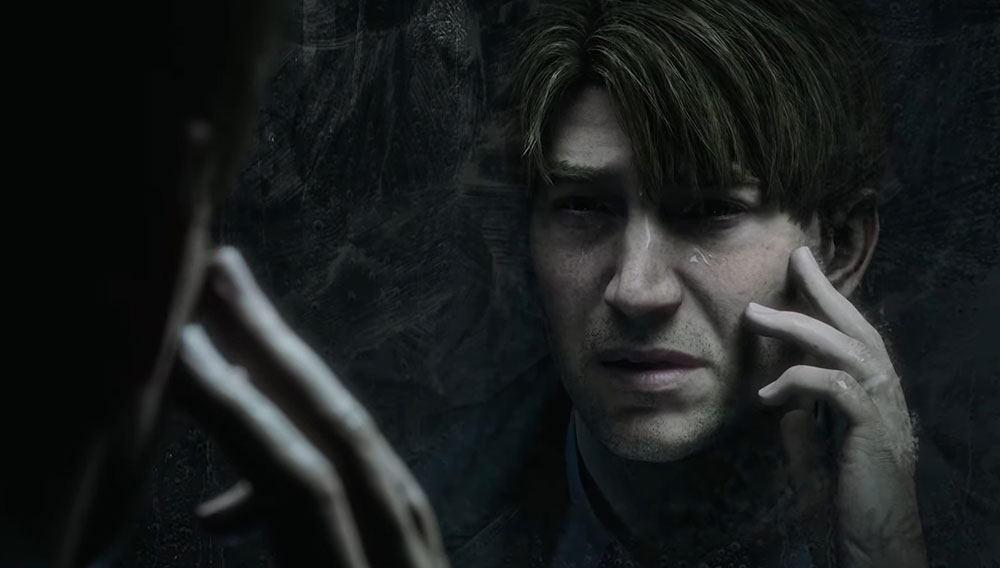
The town of Silent Hill is there to force James Sunderland to really look at what he’s done, even as he tries desperately to avoid it.
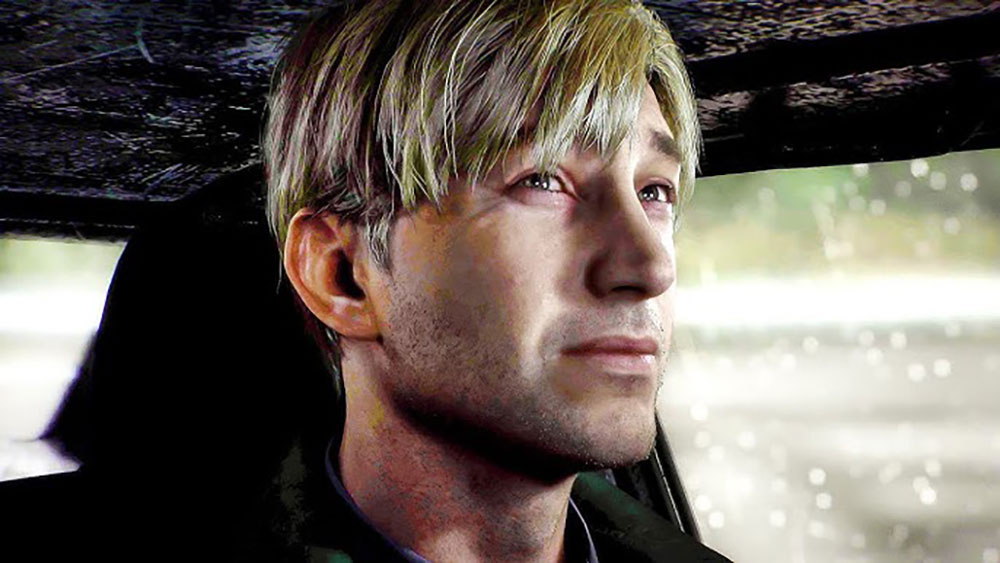
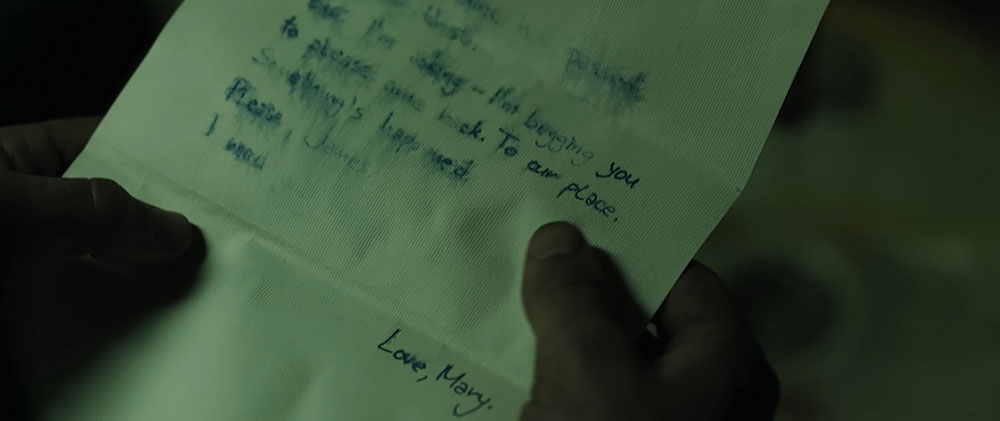
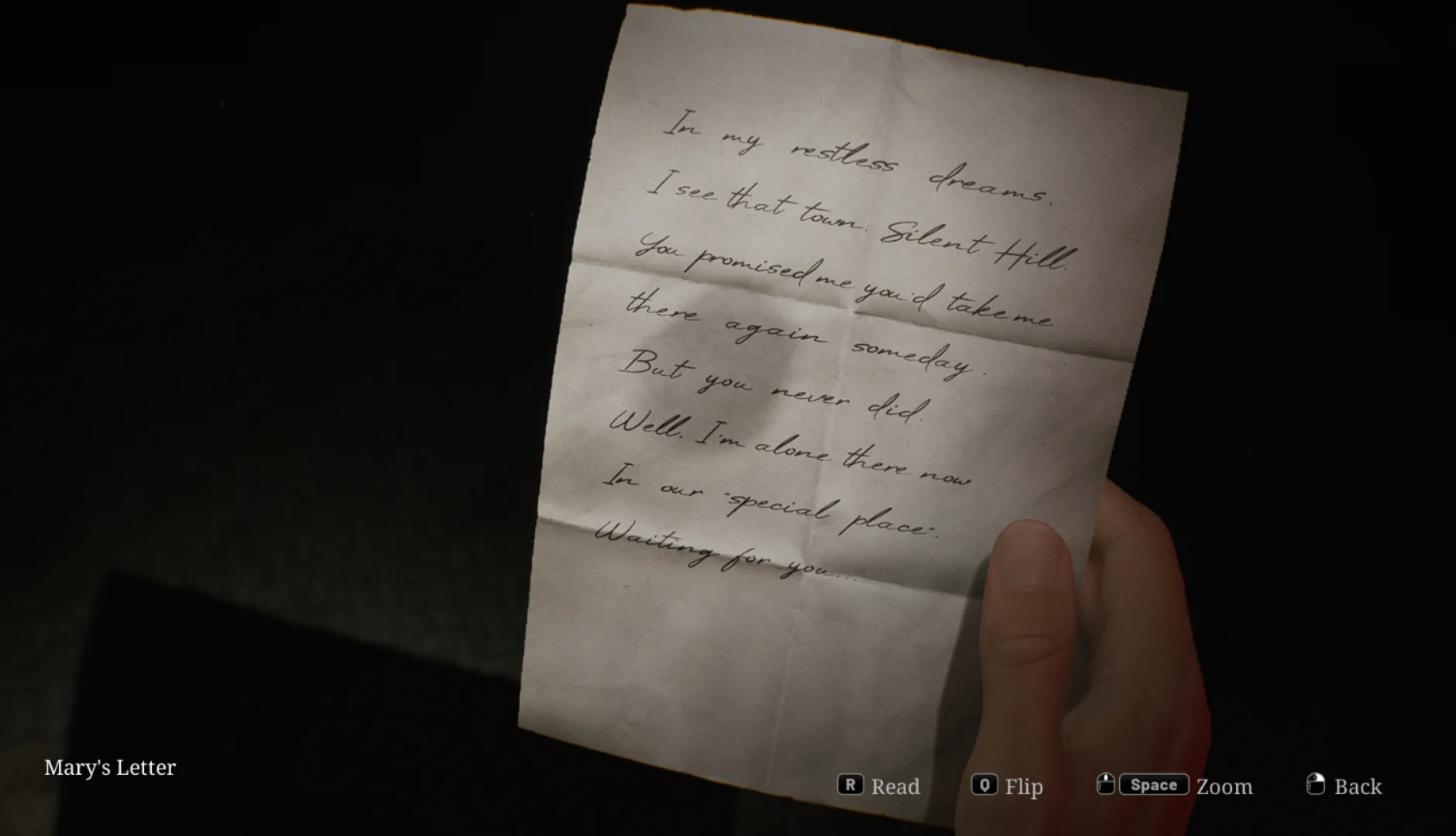
James comes to Silent Hill after receiving a letter from his wife, Mary. She tells him she’s waiting for him at their “special place.” But Mary has been dead for three years. What that letter represents isn’t just a clever paranormal mystery. It’s a self-protective hallucination.
The letter represents denial in physical form, allowing James to keep moving without admitting why he has to move.
The letter transforms an unbearable truth into a solvable task. It disguises moral reckoning as romantic devotion. It allows him to tell himself, and therefore tell us, that he is not here to be punished. He is here to be reunited.
The game’s cruelty is that it lets you inhabit that lie long enough to believe it.
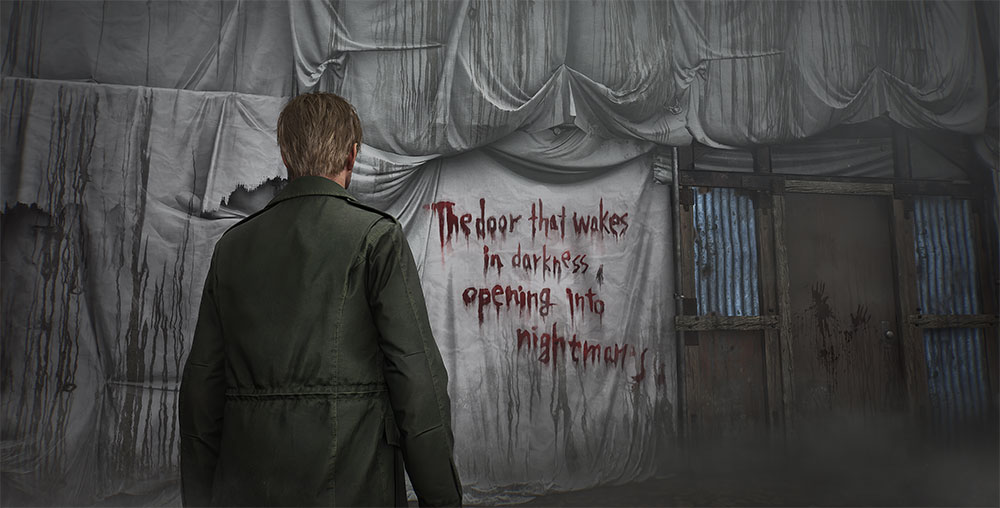
Silent Hill is not a haunted location that does one thing to everyone. It is a psycho-spiritual machine that tailors horror to the individual.
The town does not simply contain monsters. It manufactures them, and the manufacturing is deeply personal. The terrifying designs are not arbitrary. They are metaphors made flesh. This is why the town’s environments feel less like places and more like states of mind.
Every location feels like an extension of James’ guilt.
The apartment buildings turn the idea of home into something cold and suffocating. The hospital twists care and illness into something frightening and resentful. Meanwhile, the prison drives home the ultimate point: James can keep moving, but he cannot outrun himself.
Silent Hill is not “evil” in the way mainstream horror often wants it to be evil. It’s not a villain with a plan. It’s a mirror of human monstrosity.
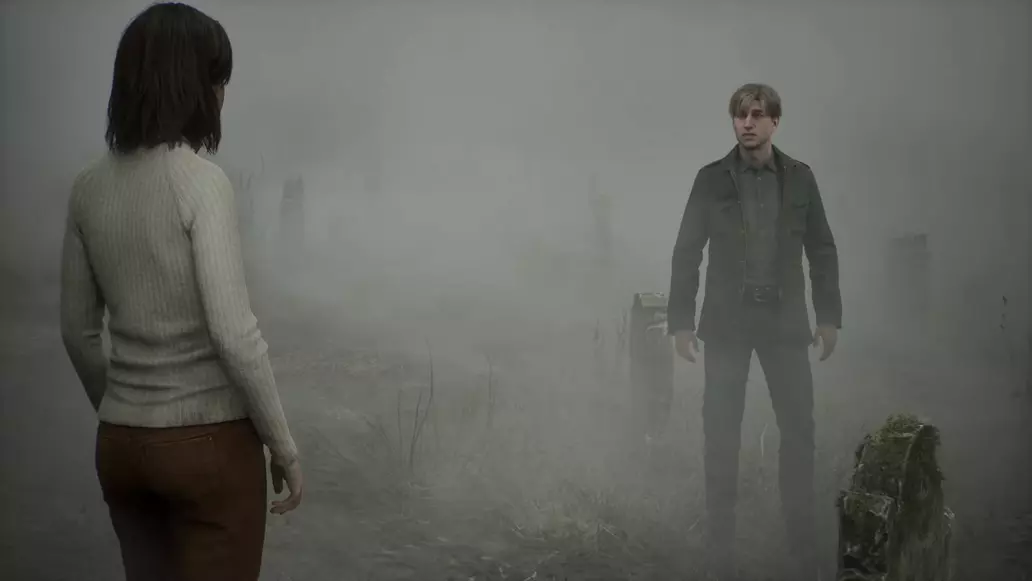
Angela Orosco is the game’s rawest portrait of trauma. Her story is not there to enrich James’s. It is there to show what pain does to perception. When Angela speaks, the game’s tone shifts from uncanny to heartbreakingly human.
Eddie Dombrowski embodies humiliation turned toxic. He is what happens when self-loathing becomes outward violence and then tries to justify itself as self-defense.
As the tragic foil to Sunderland and his journey toward confronting his guilt, Eddie’s journey highlights how suffering can transform into dangerous narcissism. He is the consequence of a world that keeps telling you that you’re a joke. Then, one day, you decide everyone else should bleed for the punchline.
Finally, there’s Laura. She’s a child connected to Mary, and she doesn’t fear the town the way James does. Her presence suggests that Silent Hill’s horrors are targeted manifestations. Laura’s relative immunity to the nightmare helps illustrate this point. It tells you that James is not simply unlucky; he is being personally addressed.
These characters in the game widen the moral universe and reinforce the core themes. This is a meditation on the many ways human pain seeks expression.
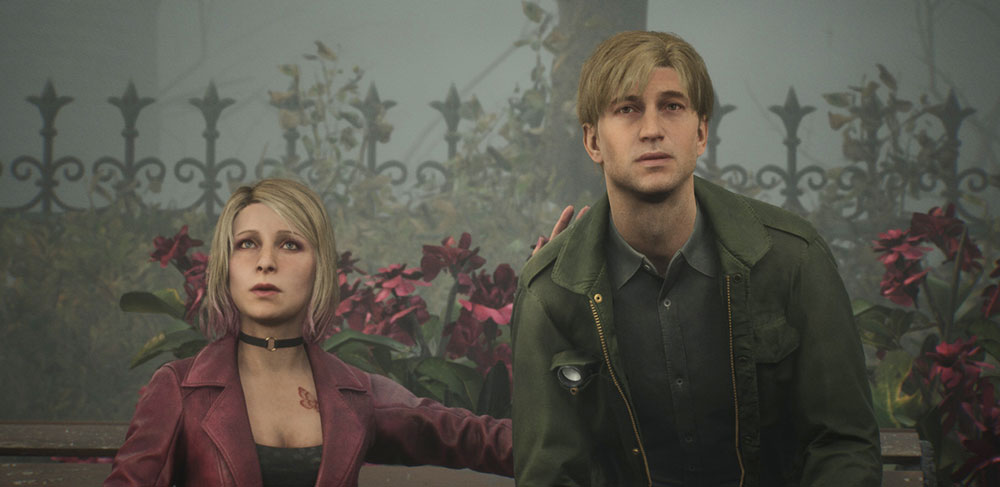
Maria looks like Mary, but she is not Mary. She is the version you would invent if you wanted to keep the face but remove the suffering. She’s warmer, flirtier, and open in the places where Mary became unreachable. She is the embodiment of wish fulfillment.
But Maria is not simply a temptation in the “cheating” sense. She is temptation in the metaphysical sense.
She offers James an alternative reality in which he can remain the husband in a love story rather than the perpetrator in a tragedy. Maria is what grief does when it becomes selfish. She is the part of you that wants the person back, but only in a form that does not demand sacrifice, patience, or the unbearable work of caretaking.
And because she was born from James’s desire and guilt, she is unstable. She dies, and returns, and dies again. That’s because James keeps choosing the fantasy. The repetition is the point. It reinforces the reality of denial as a habit.
It is also why the “Maria ending” is one of the most chilling in horror games. It is a refusal to move forward disguised as hope.
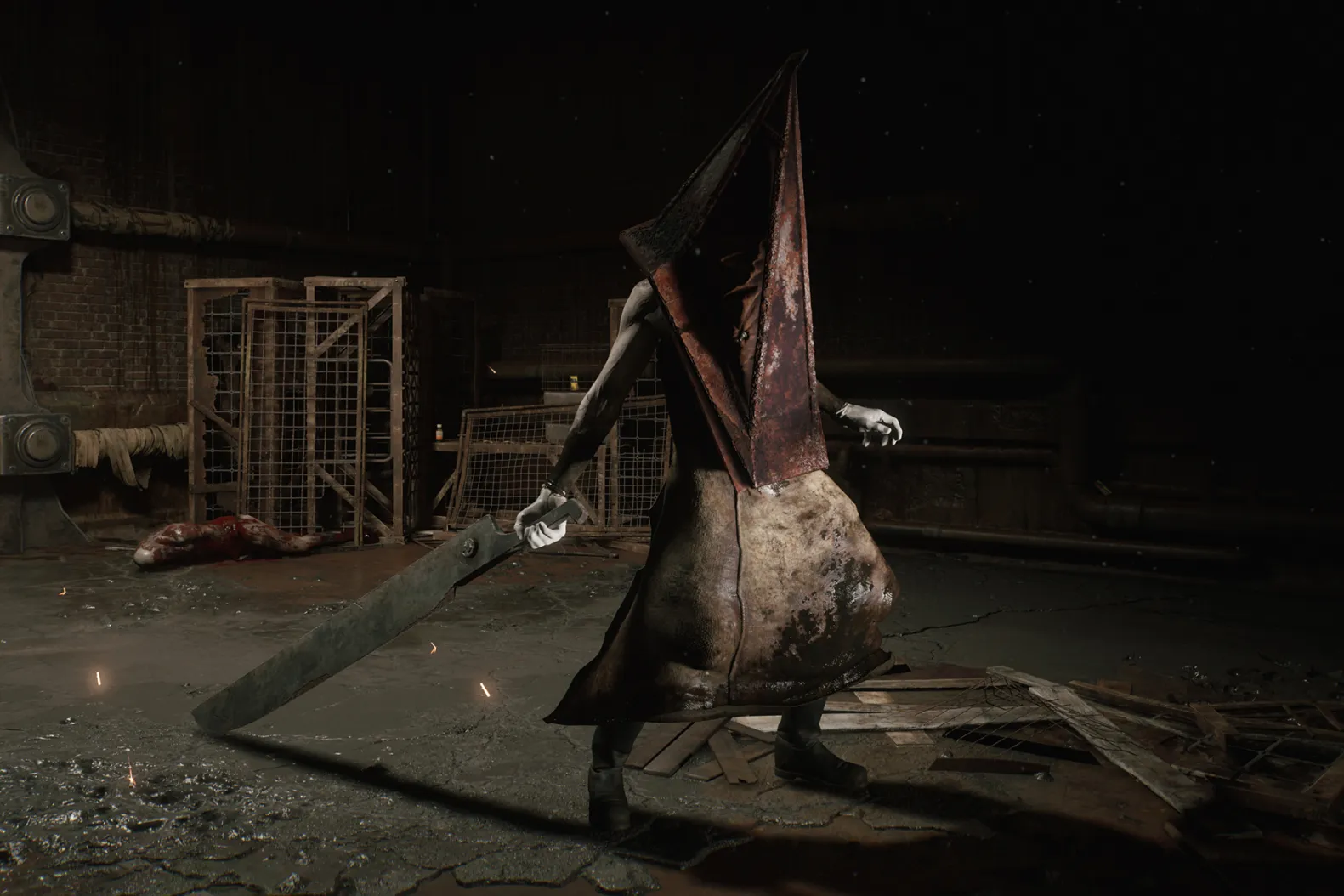
He looks like horror branding. He’s the big monster and the unforgettable slasher in ceremonial gear. He represents the kind of unnerving and unforgettable aesthetic ripe for merchandising and cosplay. He’s a fan favorite, and for good reason.
But in Silent Hill 2, he is not simply a threat. He serves a critical function, representing James’s need for punishment, externalized into an executioner.
Pyramid Head represents judgment. But more specifically, he represents self-judgment. He is the manifestation of the belief that suffering will “balance” something. Pyramid Head represents the hope that if you are hurt enough, or terrified enough, or forced to witness enough cruelty, the universe might consider your debt paid.
He also carries the game’s psychosexual shame.
He is the contamination of desire by guilt, the way repression and resentment distort intimacy into something violent. His presence turns the game into both a trial and a sentencing.
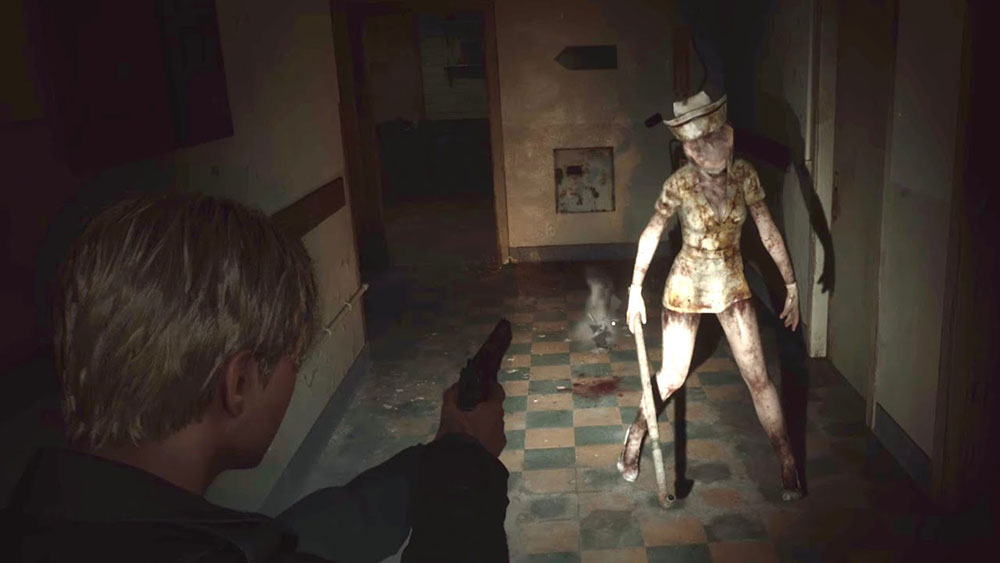
The nurses are not there simply because “horror nurses are creepy.” They are there because illness reconfigures the body into something both sacred and unbearable. They represent a site of caretaking, frustration, fear, and taboo desire.
In the game, Mary’s illness haunts James’s relationship to the physical world. The nurses embody the ugly collision between caregiving and resentment. They are the unspeakable human thought that becomes a shame spiral:
“I love you, but I miss my life. I feel monstrous for thinking that. I feel trapped for feeling monstrous. I am trapped either way.”
They are James’s interior monologue translated into bodies that move wrong, look wrong, and titillate while they terrify. They are intimacy turned threatening.
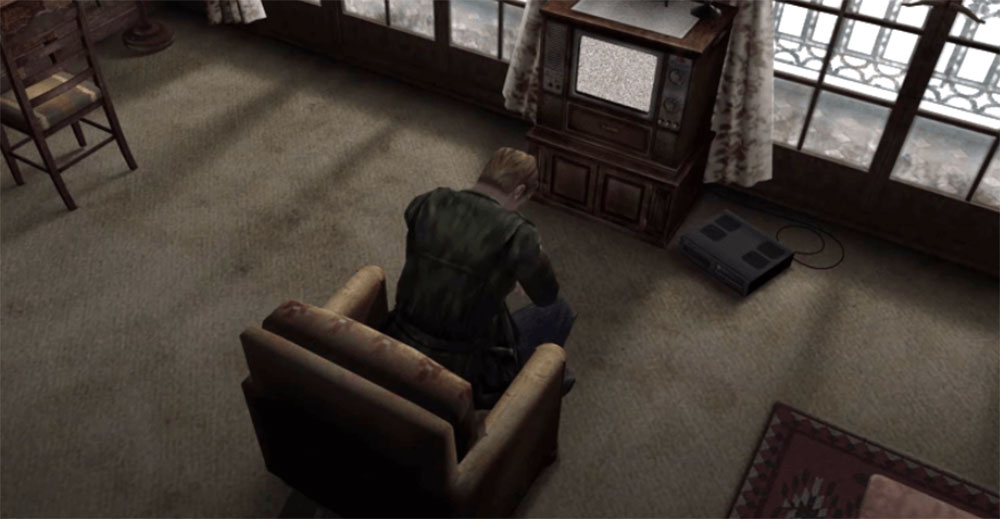
Eventually, James reaches the Lakeview Hotel. Eventually, he finds the videotape. And the game does not present its revelation like a twist meant to impress you. It presents it like a confession meant to ruin you…
(Big spoilers ahead)
James killed Mary.
Not because a cult forced him. Not because a demon whispered in his ear. Not because he was “possessed by the town.” He did it, with his own hands, in a room that is so horrifying simply because it is so ordinary.
This is the devastating core of the story.
It is the fact that love and resentment can coexist, and that a person can commit an unforgivable act while still believing they are, at heart, a good person.
The endings of the game do not exist simply as “alternate outcomes,” but as verdicts. They are responses to what James does once he finally touches the truth.
That is why Silent Hill 2 lasts. It refuses to comfort you with the idea that the right plot beats can cleanse a moral wound. It insists that accountability is the point.
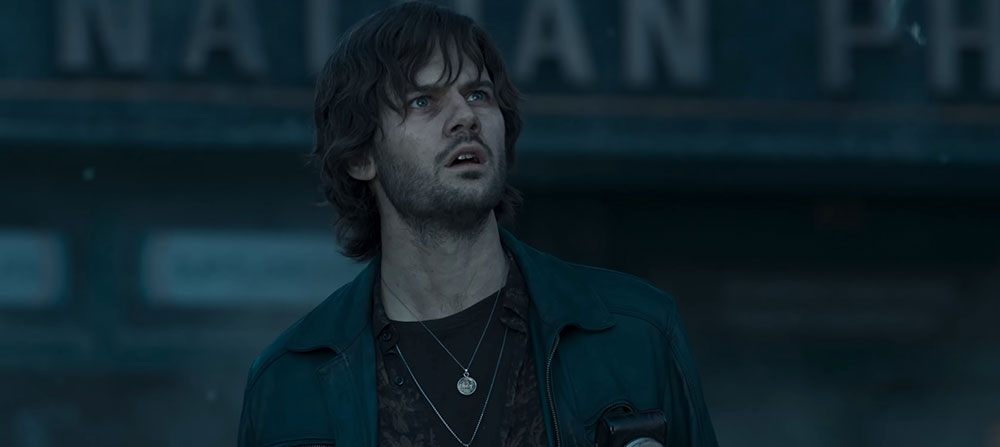
Now we can talk about the film. What kind of story does the film think it is telling, and what kind of story is Silent Hill 2 actually meant to be?
The marketing language around Return to Silent Hill leaned hard on fidelity. Gans has spoken about sophistication and metaphysical depth, about returning to Silent Hill as a kind of existential romance, about horror as something “romantic.” He also freely acknowledged that some choices would shock people.
But shock isn’t the issue.
One of the most significant shifts is the film’s treatment of Mary’s suffering and the ultimate act at the center of the story.
In the game, Mary is ill. But it’s not the result of a villain’s scheme or some mysterious puzzle to be solved. It’s merely a reflection of real-world horror: life is often so cruel because it is so random. The tragedy is compounded because of the morally messy emotions illness creates in caretakers: exhaustion, resentment, guilt, love, despair.
The human ugliness becomes possible because the universe offers no neat antagonist to blame.
The film awkwardly reframes Mary’s illness through cult involvement tied to her father, including the idea that she was drugged, poisoned, or otherwise harmed by cult rituals. That shift does something insidious. It gives the story a culprit.
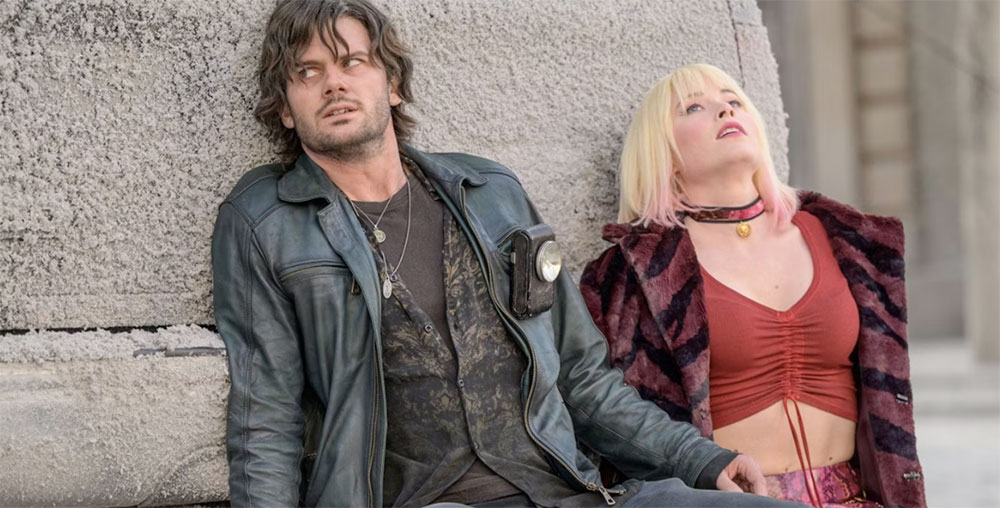
Suddenly, the tragedy is less about what James chose and more about what was done to Mary.
James’s darkest act becomes narratively cleaner. It’s an act of “mercy” in response to external evil rather than a morally compromised choice born from the worst intersection of love and resentment.
You can feel the effect immediately. Silent Hill no longer reads as a personalized trial that forces James to face himself. Now, it’s a dangerous town with a dark secret.
That is not a minor change. It turns a horror story centered on moral reckoning into one centered on lore.
And the moment you do that, Pyramid Head becomes nonsensical. The nurses become decoration. The fog becomes atmosphere rather than accusation.
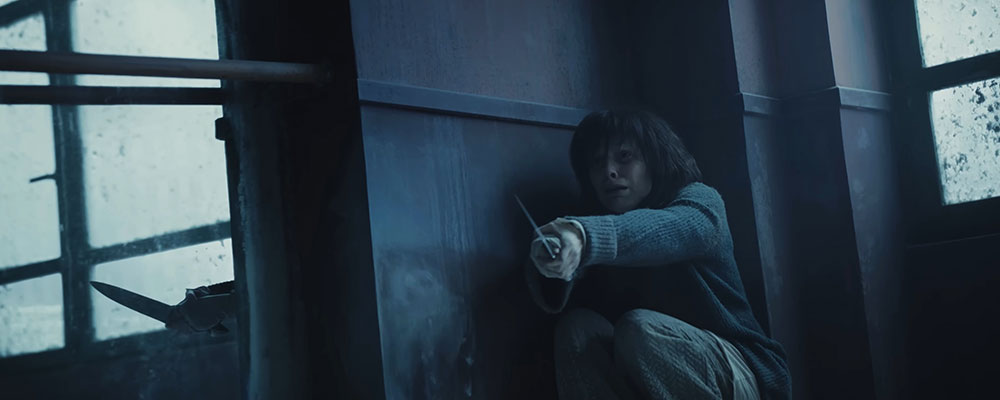
In Silent Hill 2, Angela and Eddie matter because they prove the town is not a single story. Their suffering is not about James, and that’s what gives the world moral scale.
The film makes a radical choice by folding Angela, Maria, and Laura into a framework where they are explicitly treated as figments or extensions of Mary. They are variants of Mary’s personality and projections within James’s mind. Everything becomes one romantic doom loop.
On paper, that might sound like a strong choice. A man processing grief by fracturing the beloved into archetypes is compelling. But Silent Hill 2 is not only psychological. It is ethical. And ethics requires other people to be real.
Angela is not valuable because she reflects Mary. She is valuable because she does not.
She is her own tragedy, and her tragedy horrifies James (and the player) because it is not narratively useful. It is simply there, like suffering is there in real life. Erasing that erases the story’s empathy. You turn a tapestry of human pain into a single relationship drama, with all roads leading back to the protagonist’s love story.
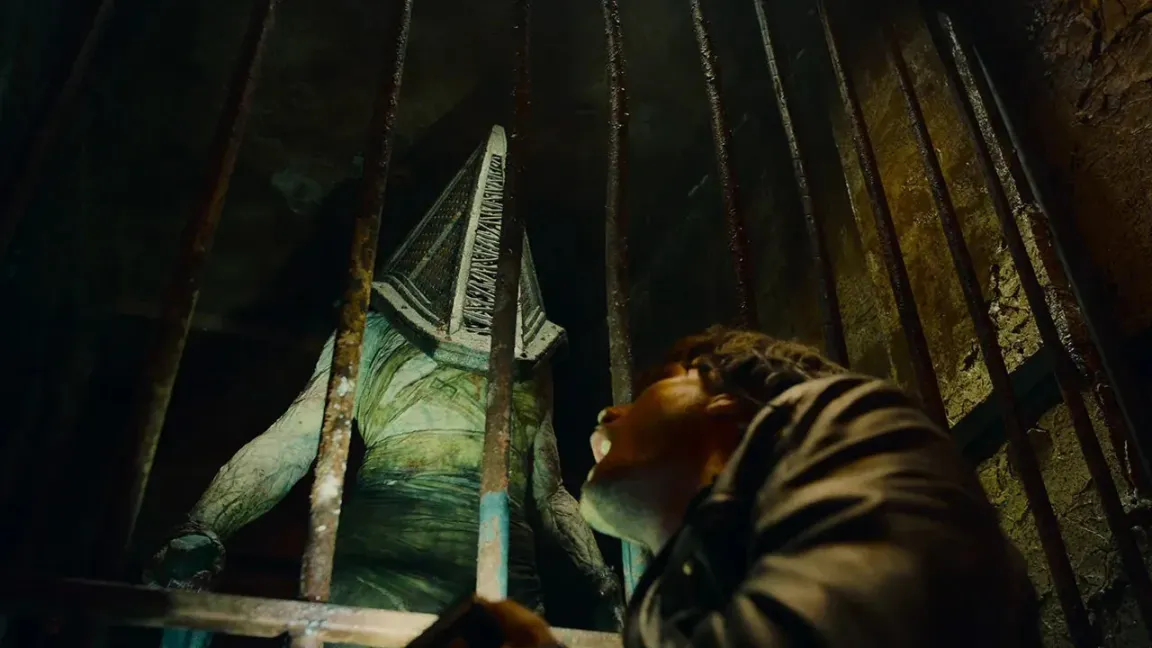
Pyramid Head in the game exists because James needs punishment. He is the incarnation of James’s self-condemnation, the part of James that believes pain will purify him.
The film softens James’s culpability by giving a reason for Mary’s suffering and making her murder an act of mercy rather than desperation. As a result, Pyramid Head loses his narrative job. He becomes a prop.
In the game, the nurses are inseparable from the bodily dread of illness and the shame of compromised desire. They are horrors born from caretaking, resentment, medicalization, and the terrifying thought that your love has become a duty you cannot perform without losing pieces of yourself.
But if the nurses are not connected to James’s inner landscape—if they are not the grotesque expression of intimacy corrupted by guilt—then they become generic. Stylish and iconic, but no longer specific and meaningful.
Further, in the film, Eddie’s appearance is woefully brief, and all his original pathos is diluted.
They ask what James does once he can no longer pretend. Can he live with himself? Can he stop lying? Can he accept what he did without collapsing into self-destruction or retreating into fantasy?
The film’s structure leans toward loops, resets, and second chances: a romantic time-knot in which the tragedy can be avoided if the “right” decision is made early enough.
Silent Hill 2’s cruelty is honest. You don’t get to undo what you did. You only get to decide whether you will face it.
A redo makes the horror comforting. It turns moral consequence into a puzzle with a solution. It implies that the correct move can prevent catastrophe, which is precisely what James’s denial has been telling him from the start.
A film can’t replicate the player’s slow complicity. It can’t recreate the way you inhabit James’s denial, push deeper, make choices, walk the corridors long enough for the town’s logic to seep into your bones. Movies often compensate by transforming internal conflict into plot, adding villains, cults, and explanations to replace ambiguity.
But if you make the internal horror of Silent Hill 2 too external, you don’t simply reinterpret it. You dilute and destroy what makes the source material so haunting, horrifying, and lingering.
Konami’s larger Silent Hill mythology contains cult elements, lore machinery, and recurring iconography that is easier to franchise than Silent Hill 2’s intimate moral horror. There is a temptation to make everything “fit” into a coherent cinematic universe.
The problem is that Silent Hill 2 is powerful largely because it doesn’t fit. It’s the game that makes Silent Hill first and foremost a psychological, human-driven horror.
A respectful adaptation need not be a slave to accuracy. But it does need to preserve the beating heart of the story.
Because Silent Hill 2 is not ultimately about monsters. It is about the way humans weaponize denial against themselves until reality breaks.

She’s a lover, he’s a fighter. Together, they’re CHEER AND LOATHING. Tune in to hear your hosts, Stephanie (Cheer) and Casey (Loathing), clash over the films they love — and the ones they love to hate.
In this holiday extravaganza episode of Guilty Pleasures, join hosts Stephanie, Kelly, and our newest addition, Jonathan (Jack was tied up in tinsel and couldn't join us), as they unwrap the bizarre and unhinged world of holiday cinema. They dive into the depths of Elves, a film that's as chaotic as it is entertaining. It's a sleigh full of questionable decisions, diabolical dialogue, absurd plot twists, wildly offensive antics, and unhinged holiday mischief.
And that's not all! In the second half of the podcast, join your festive cinephile friends for a look at four more ”nutty as a fruitcake” holiday treats: A New York Christmas Wedding, Elf Bowling, A Medea Christmas, and Jack Frost. Plus, we each offer a bonus Christmas flick guaranteed to make you say, ”Ho, Ho, HO-LY Hell!”
Expect laughter, disbelief, and a spirited debate about what truly makes a movie a guilty pleasure. Don't miss this festive journey through the weirdest corners of holiday films!







Follow Us!