

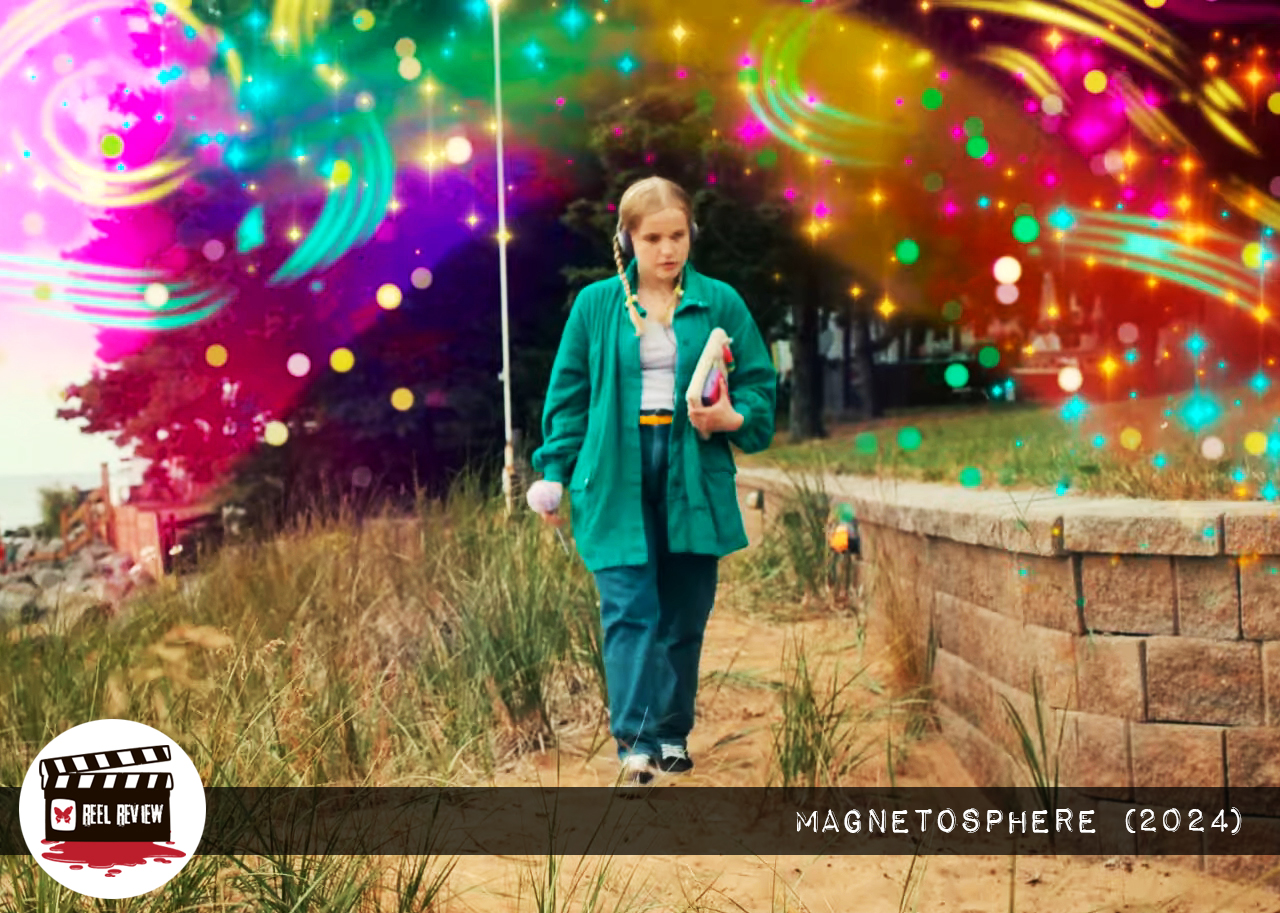
“Magnetosphere” is a heartfelt tale about the beauty of what makes us different—a magical coming-of-age film for misfits of all ages.
No time to read? Click the button below to listen to this post.

At first glance, Magnetosphere might seem like an outlier for a horror site like Morbidly Beautiful. It’s colorful, it’s kind, and it’s filled with singing, sparkles, and a dad who stages Pirates of Penzance in his free time. But look deeper, and you’ll see why this quirky coming-of-age tale belongs here just as much as any story about a misunderstood monster.
Because Magnetosphere is a film about what it means to be different, and how terrifying, isolating, and ultimately empowering that can be.
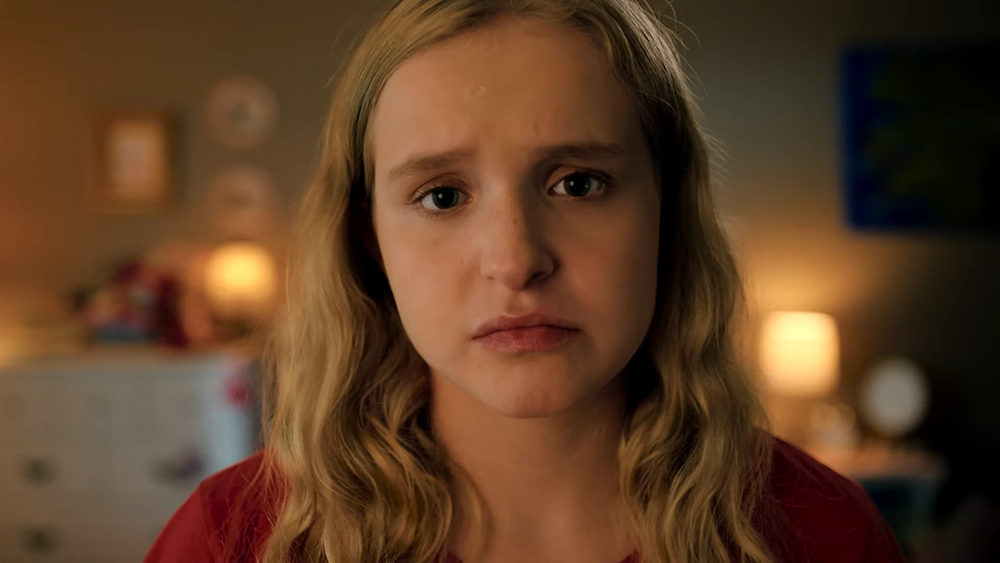
Written and directed by Nicola Rose (Goodbye, Petrushka), this is a smart, sensitive film that blends whimsy with emotional honesty. Set in 1997, under the glowing tail of the Hale-Bopp comet, it tells the story of 13-year-old Maggie Campion (a stunning performance by Shayelin Martin), a shy, socially awkward girl who lives with a secret: she has synesthesia, a neurological condition that causes her senses to intertwine.
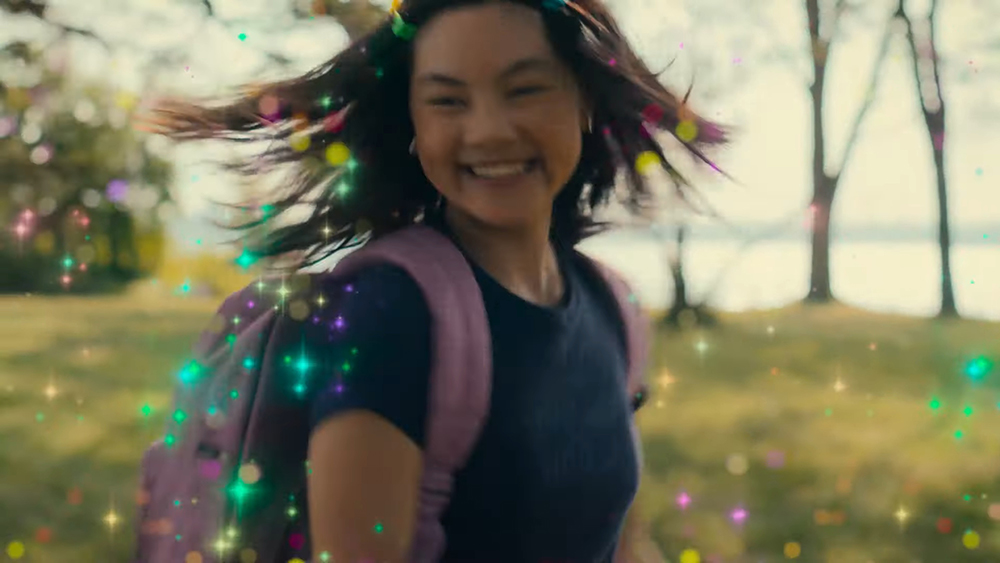
Maggie can see sound, hear colors, and taste words.
But instead of feeling magical, this gift leaves her feeling alien and alone, like she’s seeing the world through a lens no one else understands.
That metaphor of misunderstood perception—of being out of sync with the world around you—is one that will resonate deeply with neurodivergent audiences, queer viewers, creatives, and anyone who’s ever felt like a square peg in a world of round holes. That’s where this film, though absent horror aesthetics, intersects beautifully with the themes that have always made horror such a welcoming home for the outsider.
After a cross-country move prompted by her mom’s new professorship, Maggie and her family land in a small town where everything feels unfamiliar.
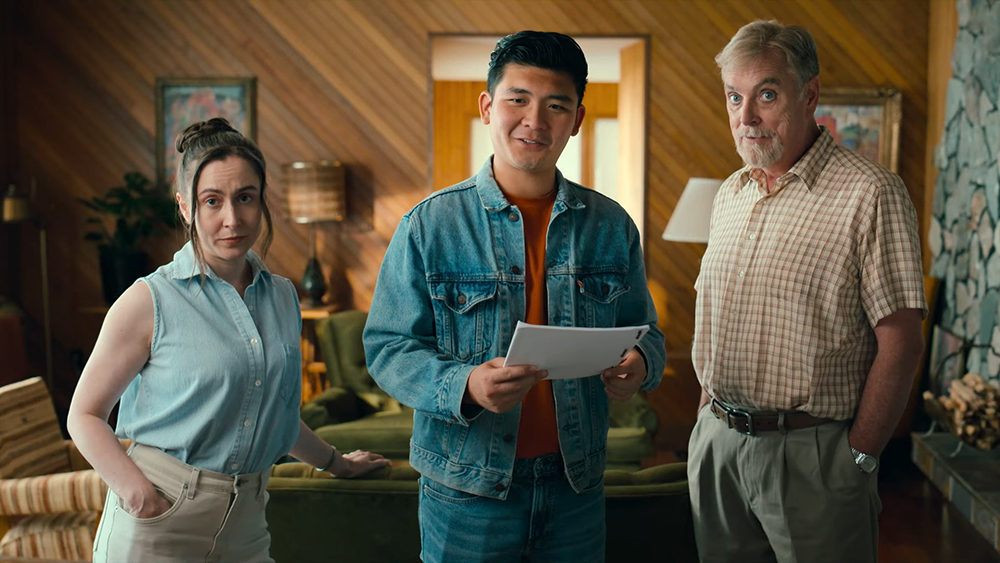
Her mom, Helen (Tania Webb), is grounded and practical; her dad, Russell (Patrick McKenna), is a delightfully over-the-top theater nerd thrilled to be taking over a community stage. Then there’s Maggie’s younger sister Evie (Zooey Scheider), mischievous and curious, the only one whom Maggie dares to confide in—at least at first.
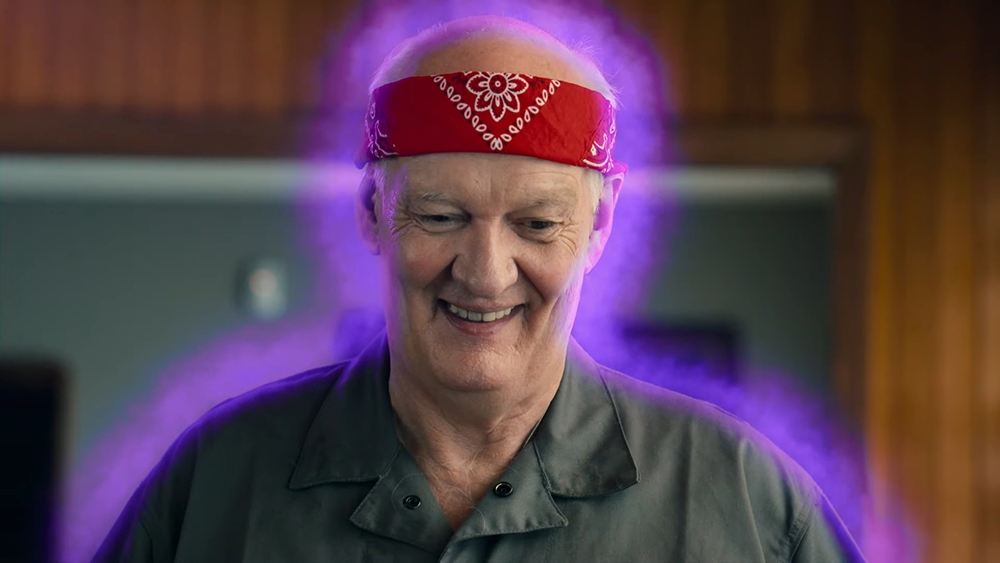
Surrounding Maggie is a cast of characters who feel straight out of a D-Com, but with more soul and intention. There’s the hilarious Colin Mochrie (Whose Line Is It Anyway?) as Gil, a bumbling exterminator/handyman with a secret musical talent; and Debra McGrath as Ms. Deering, the kind of teacher every misfit dreams of—one who sees past the awkwardness and nurtures the brilliance.
But the emotional heartbeat of the film lies in Maggie’s relationship with Wendy (played with aching vulnerability by Mikayla Kong), a sweet, sharp, queer classmate who becomes her first real friend.
Like Maggie, Wendy is figuring herself out. She is wrestling with feelings she doesn’t know how to name and trying to understand where she fits. Their bond, tentative and tender, gives the film its most profound moments.
It’s not just a story of friendship; it’s a quiet, revolutionary embrace of queer identity, self-worth, and the beauty of being different… even when the world hasn’t made space for you yet.
Rose’s script wisely eschews big drama for small, deeply felt moments.
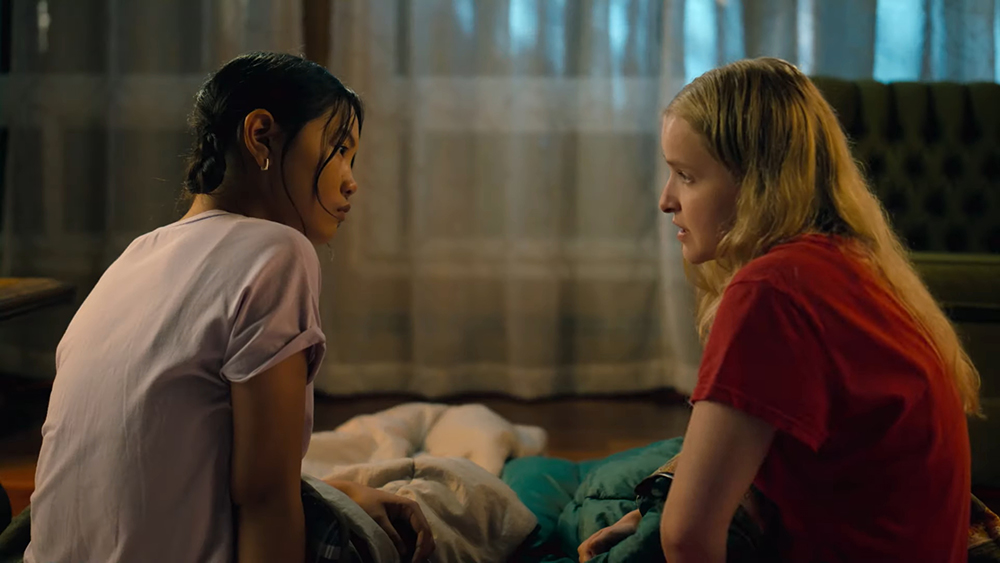
There are no villains beyond a few mean-girl bullies and the invisible weight of shame. But the emotional landscape of not knowing why you’re different, or what to do with it once you find out, feels enormous.
That’s especially true when Maggie meets Travis (Steven He), a charming astronomy student who nicknames her “Magnetosphere,” which she learns is “a celestial body with an active interior dynamo.” For the first time, Maggie sees her difference not as a defect but as something powerful, maybe even beautiful.
There’s a magical realism to the visuals, especially when we glimpse the world through Maggie’s eyes. Colors swirl, ambient sounds shimmer like fairy dust, and the emotional energy of a room becomes almost tactile.
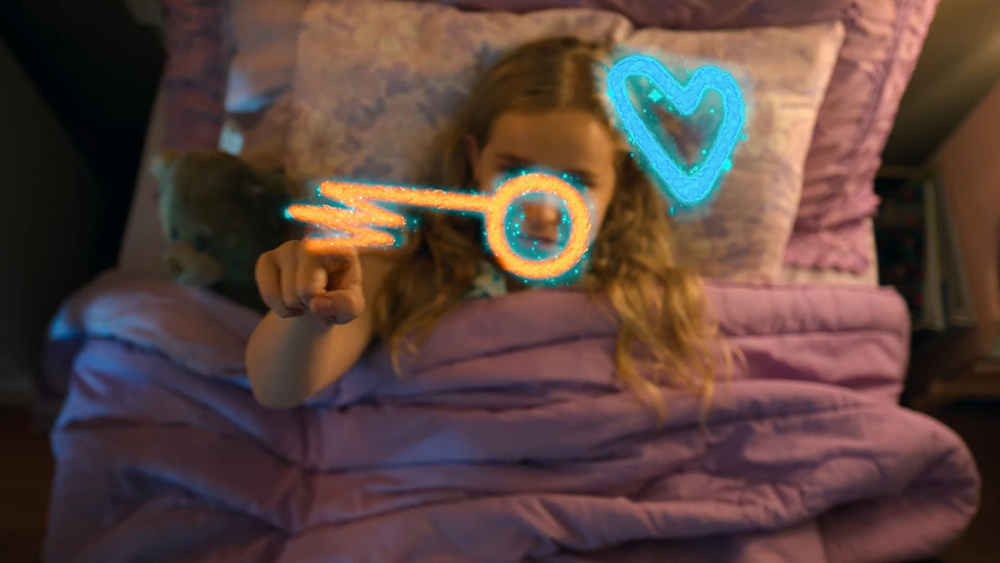
It’s not flashy CGI, but thoughtful, compelling visual storytelling that communicates wonder and confusion in equal measure. The film also uses clever devices—like Tara Strong’s riotous voice work as a snarky doll channeling Maggie’s inner monologue—to give shape to Maggie’s internal struggle without heavy exposition.
Yes, Magnetosphere is sweet. It’s silly. It has musical numbers and ample whimsy. But don’t mistake its tone for shallowness. This is a film that deeply understands the emotional weight of being neurodivergent, queer, or just different in a world that prizes sameness.
The script is sharp and funny, balancing sincere emotion with moments of delightful absurdity.
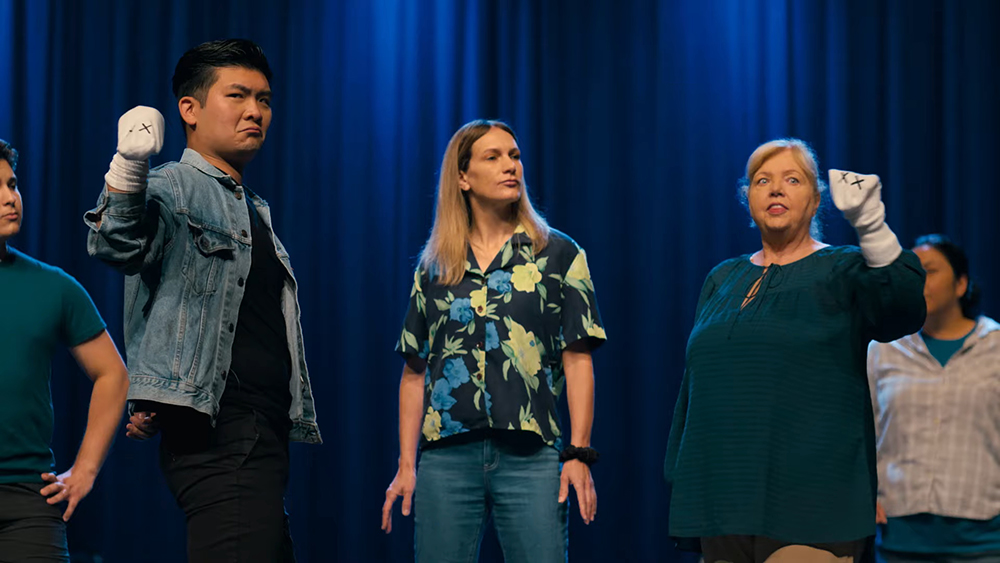
The direction is confident, with Nicola Rose imbuing each scene with affection for her characters and a clear point of view. You can feel the love behind this project, and that sincerity gives Magnetosphere its heart.
Shayelin Martin is a revelation as Maggie. Her performance is raw, real, and deeply affecting—never cloying, never too precocious. Mikayla Kong brings grace and heartbreak to her role as Wendy, and the entire supporting cast, from McKenna’s over-the-top theater dad to McGrath’s grounded mentor, makes the world feel rich and lived-in.
What Magnetosphere gets so right is that discovering who you are doesn’t magically fix everything. Naming your neurodivergence or coming out doesn’t erase the struggle. But it’s a beginning.
And in a culture that often rewards conformity and punishes sensitivity, that first step toward self-acceptance can be revolutionary.
This is a film that understands how isolating it can feel to be a creative, sensitive, or neurodivergent soul in a world that doesn’t always value those traits. It’s a love letter to those who see the world differently.
It’s a powerful, affirming story for young audiences, but also a resonant one for adults who carry the scars of being misunderstood as children.
Magnetosphere may not be horror, but it belongs in our cinematic orbit.
Beneath the pastel visuals and Pirates of Penzance rehearsal hijinks is a deeply resonant message: It’s okay to feel alien. It’s okay not to belong. And while self-acceptance doesn’t come with a magic wand, it does come with moments of connection, like when someone sees you clearly and chooses to stay.
Will every horror fan love Magnetosphere? Probably not. But for those of us who came to horror not just for the blood, but for the catharsis—for the way it made our pain feel seen—this gentle, soulful film may strike a deeper chord than expected.
For those who need a break from the bleak but still crave a story about identity, self-worth, and emotional survival, Magnetosphere is a deeply worthwhile watch. To put a finer point on it:
Sometimes the scariest thing isn’t a killer in a mask. It’s being a kid who doesn’t understand why their brain works differently. It’s the slow horror of invisibility. The crushing weight of internalized shame.
And sometimes the most satisfying final girl moment doesn’t come after slaying a demon, but after silencing the voice inside that says, “You’re not enough.”
Overall Rating (Out of 5 Butterflies): 4









Follow Us!