
Explore how films like “Cam” and “Bandersnatch” reveal our loss of control in the digital age, where the biggest threat is the algorithm.
We live in an era where the true antagonist of horror is no longer a supernatural entity, but something far more ordinary, silent, and persistent: the algorithm. It doesn’t scream, it doesn’t chase; it decides. It chooses what we see, what we desire, and often even who we think we are.
And it is precisely this new “invisible demon” that gives modern horror creators fertile ground to explore the most contemporary fear of all: the loss of control.
From choice to simulation: the new face of horror
In classic horror, fear often emerged from bad choices: opening a forbidden door, reading a cursed book, ignoring a sinister omen. But in today’s digital horror, the very concept of choice has become an illusion.
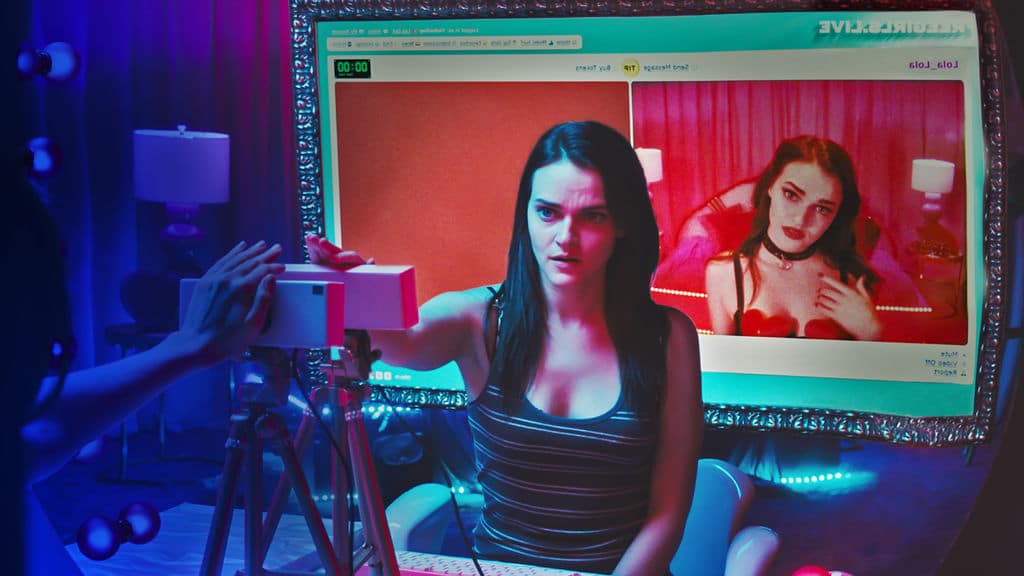
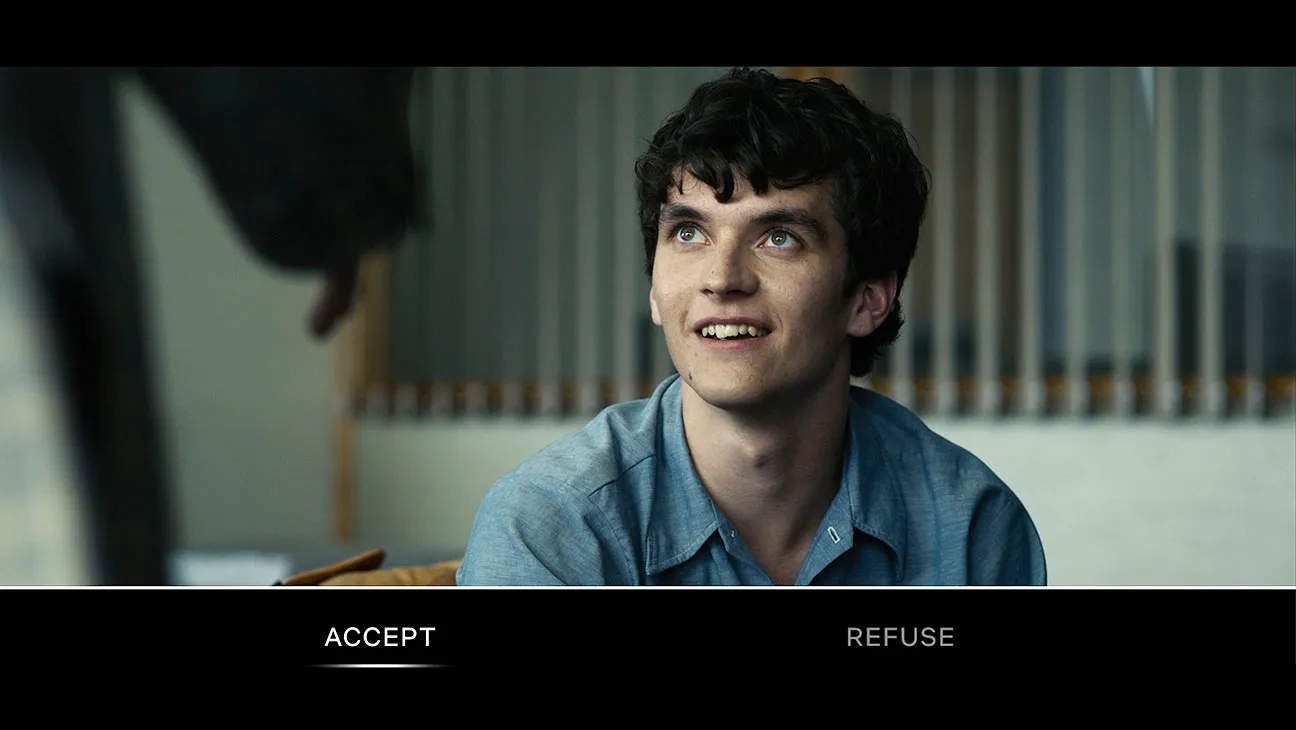
Films like Cam (2018), The Circle (2017), Tau (2018), or the interactive Black Mirror episode Bandersnatch (2018) tell stories where protagonists move within automated systems, virtual environments, or social networks governed by opaque, inescapable logic—often more merciless than any traditional monster.
In Cam, a camgirl is suddenly replaced by a digital version of herself… one that looks like her, acts like her, but performs better. In Bandersnatch, the protagonist makes decisions that the audience is actually choosing for him. In both cases, identity and free will are swallowed by a maze of simulations, where every step seems preordained.
The algorithm as a narrative entity
Horror has always tried to give shape to our most abstract fears. In the 1970s, it was possession; in the 2000s, it was contagion. Today, it’s the algorithm. And we’re not just talking about lines of code, but about a true narrative presence—an impersonal yet omnipresent intelligence capable of manipulating reality with unsettling precision.
It’s a new form of “technological fate” that doesn’t punish human arrogance with demons or spirits, but with notifications, endless feeds, and perfectly tailored ads.
It’s an intimate kind of fear: the fear that we no longer truly desire anything ourselves, but are being led to do so. That we’re drawn to things carefully placed in front of us, while believing they were our own choices all along.
Today, everything is calculated
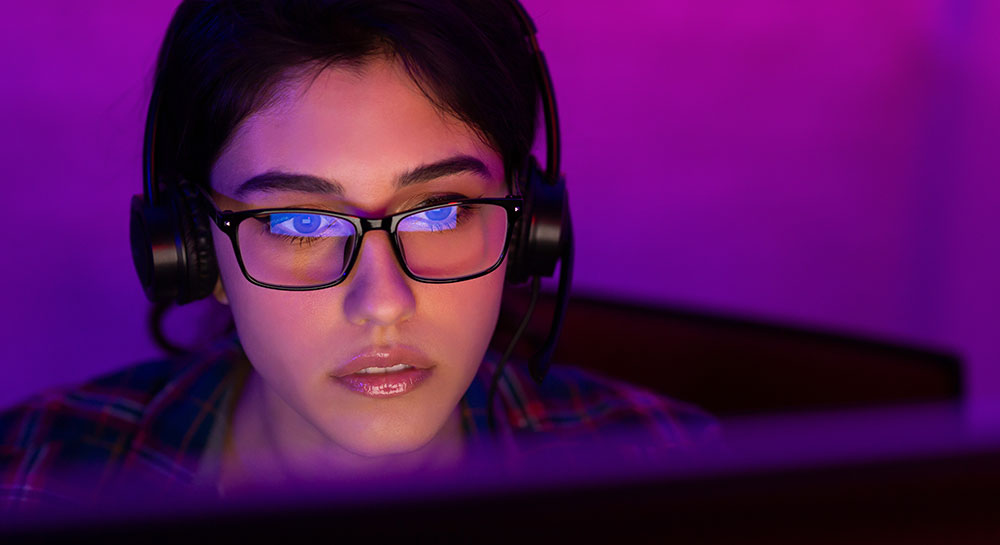
This unease seeps into even the most innocent moments: late-night scrolling, music suggestions, viewing recommendations. Even in gaming.
Take, for example, the world of online gaming. The NetBet UK online slots are a prime example of how modern technologies can deliver safe, smooth, and regulated experiences, where interaction is streamlined, instant, and transparent. Entertainment is no longer tied to pure randomness, but to an experience that is optimized, responsible, and available at any time.
It’s a modern and positive way to play, yet also another sign of how digital interfaces are quietly reshaping every aspect of our daily lives. And precisely because everything is so easy, so readily accessible, contemporary horror begins to wonder: is there still room for chance, for unpredictability, for free will?
The new aesthetic of control
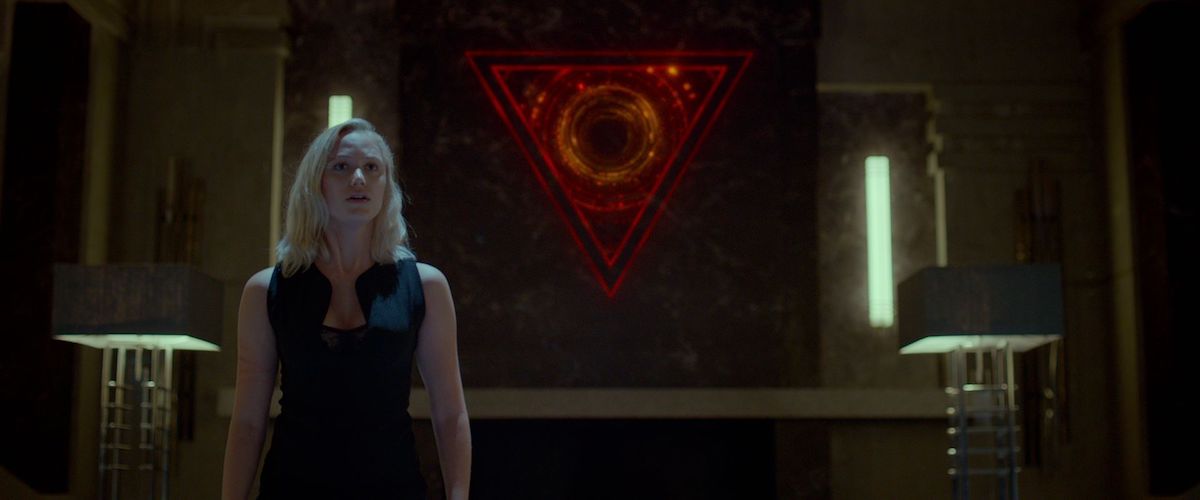
Visually, control in digital horror takes on a clean, orderly, almost sterile form. Gone are the creaky old mansions and shadowy forests. They are replaced by user-friendly interfaces, cold server room lighting, smart homes, and minimalist spaces where danger isn’t apparent, but hides in the details.
In Tau, for example, the house where the protagonist is held captive is a flawless piece of architecture, governed by an artificial intelligence that controls the lights, the doors, and even the tenant’s emotional state. There is no escape, no rebellion—only a simulation of freedom.
This aesthetic of order as a mask for terror is strikingly powerful because it speaks to spaces we know intimately: our phones, our apps, our voice assistants. Horror becomes plausible, possible. It’s already here… and it’s listening.
Horror doesn’t come from chaos, but from perfection
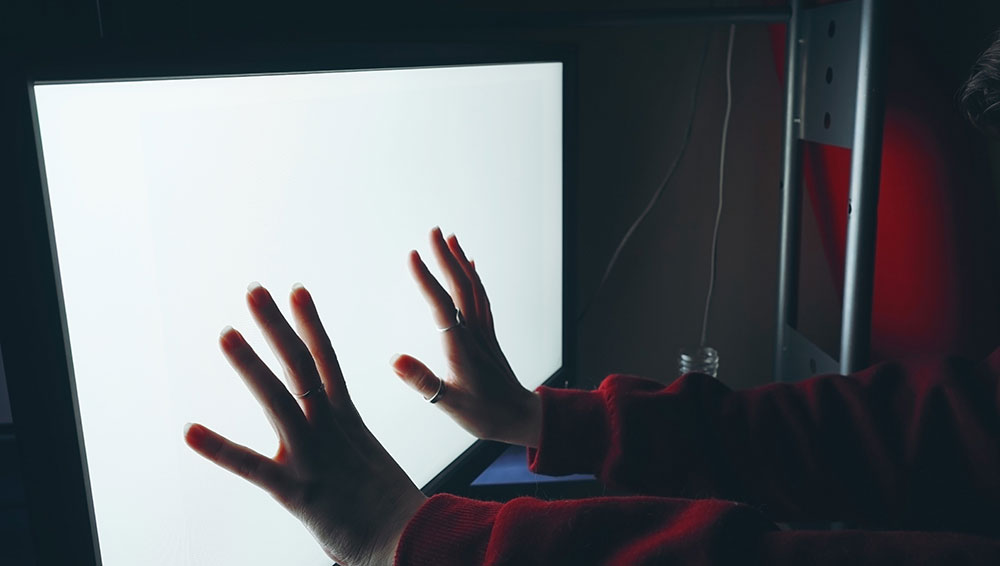
What makes modern digital horror truly terrifying is that there’s no noise, no mess, no blood. At least not at first. There’s only a surface that’s too smooth, too flawless. And it’s exactly there that we begin to feel something’s wrong. Because today, horror no longer hides in abandoned places; it lurks within the things that work too well.
In choices that feel like ours, but aren’t. In that subtle sensation that every move we make has somehow already been accounted for.
Even when we’re relaxing—watching a show, playing a game, scrolling aimlessly—we’re still within that same logic. Where nothing is truly left to chance. Or at least, that’s what we like to believe.





Follow Us!