

Explore how gaming culture has evolved beyond the console to influence film, fashion, creativity, and the horror genre itself.
Gaming culture has evolved from a niche pastime into a full-fledged lifestyle that now haunts every corner of entertainment—from film and fashion to fandom and fine art. What began as an escape into pixelated worlds has become a cultural mirror, reflecting our deepest fears, desires, and obsessions. And nowhere is that crossover more visible than in horror.
Today’s gamers aren’t just players; they’re creators, storytellers, and community builders whose influence extends into how we experience fear and fantasy alike. From streaming marathons of survival horror to cinematic adaptations that bring our nightmares to life, gaming is no longer just a hobby; it’s an evolving creative ecosystem.
1. Gaming as a Gateway to Creative Pursuits
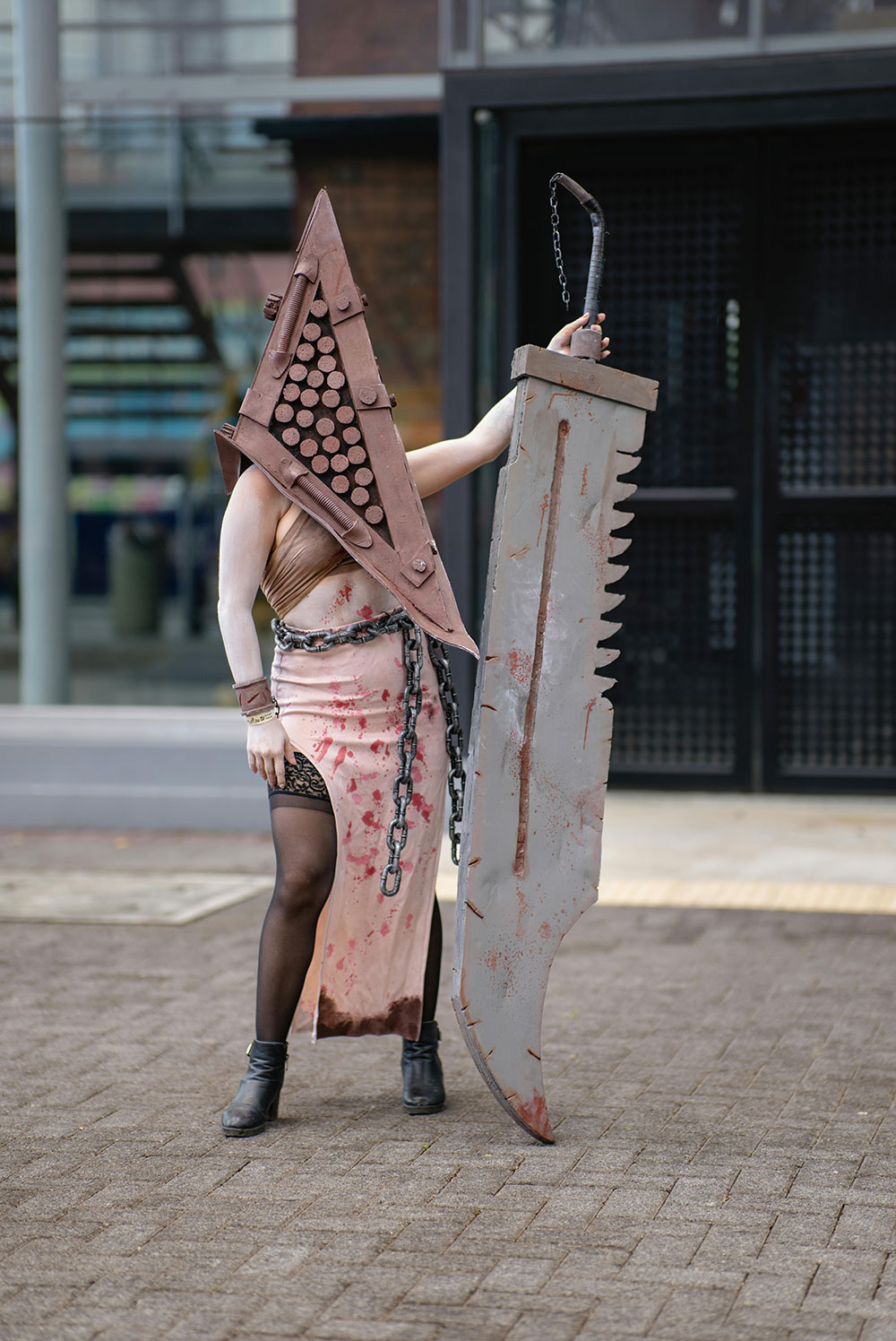
Photo by Mario Spencer (Pexels)
For many, gaming is the first step toward creating worlds of their own. Players channel their love of digital storytelling into writing, fan art, cosplay, and streaming. They often craft new narratives inspired by the games that terrified or inspired them.
Horror gamers, in particular, often blur the line between fandom and filmmaking. You’ll find aspiring writers drafting eerie expansions of Silent Hill lore, cosplayers transforming into Jill Valentine or Pyramid Head for conventions, and streamers performing horror playthroughs like interactive theater. Streaming platforms like Twitch and YouTube have made horror gaming an art form of its own. It’s a communal ritual of screams, laughter, and catharsis.
2. The Rise of Esports and Competitive Gaming
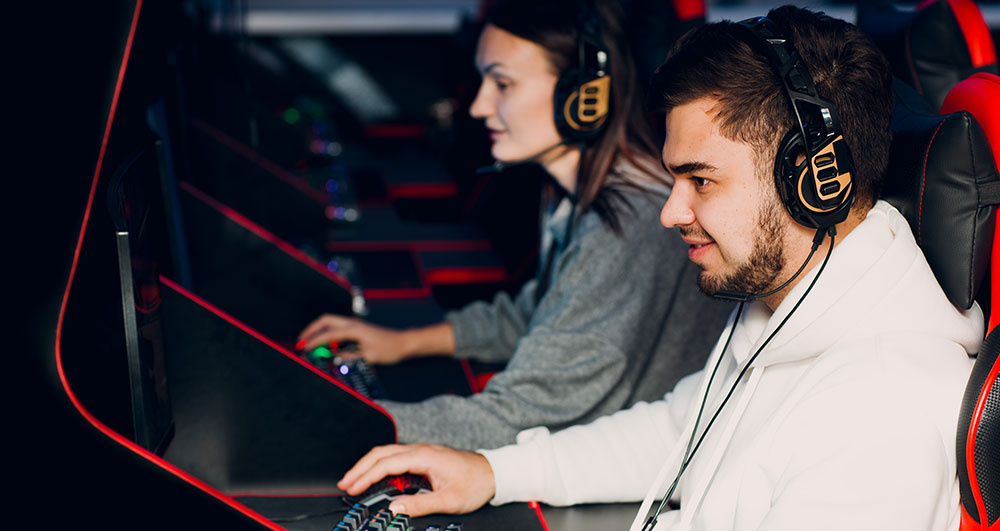
Esports has emerged as a significant aspect of gaming culture, offering competitive opportunities for players and entertainment for fans. Tournaments for games like League of Legends and Dota 2 attract large audiences and have professionalized gaming as a career path. This competitive scene has fostered a new form of hobbyism, where practice and strategy are paramount.
Esports may be dominated by MOBAs and shooters, but horror thrives here, too. Competitive asymmetrical horror titles like Dead by Daylight and Friday the 13th: The Game have built loyal communities that treat survival as sport. These games turn terror into a test of strategy and performance, where every match becomes a slasher showdown, and every player, a potential final girl or cinematic villain.
3. Integration of Gaming with Other Interests
Gaming’s reach extends into disciplines like coding, animation, and design. It’s a creative pipeline that feeds both indie developers and the horror film industry. Tools like Unity and Unreal Engine have democratized creation, empowering fans to craft games inspired by the films they love.
From fan-made tributes to The Thing (like the now-defunct Outpost 31 fan site that showcased fan-created content) and Alien to original psychological horror experiences born from online communities, gaming’s influence now runs both ways.
Many of today’s most striking genre films borrow the aesthetics, pacing, and world-building techniques of video games—blurring the line between controller and camera.
4. Social Connectivity and Community Building
Online gaming has built vast global communities united by shared thrills and survival instincts. Horror gamers, in particular, thrive on this connection—swapping lore theories, streaming jump scares in real-time, and dissecting endings like a book club of the damned.
Events like PAX, TwitchCon, and horror-specific conventions such as Midsummer Scream have become modern-day haunted gatherings where digital horror meets the tangible world. The friendships and fandoms forged through these shared experiences often outlast the games themselves.
5. The Influence of Gaming on Fashion and Lifestyle
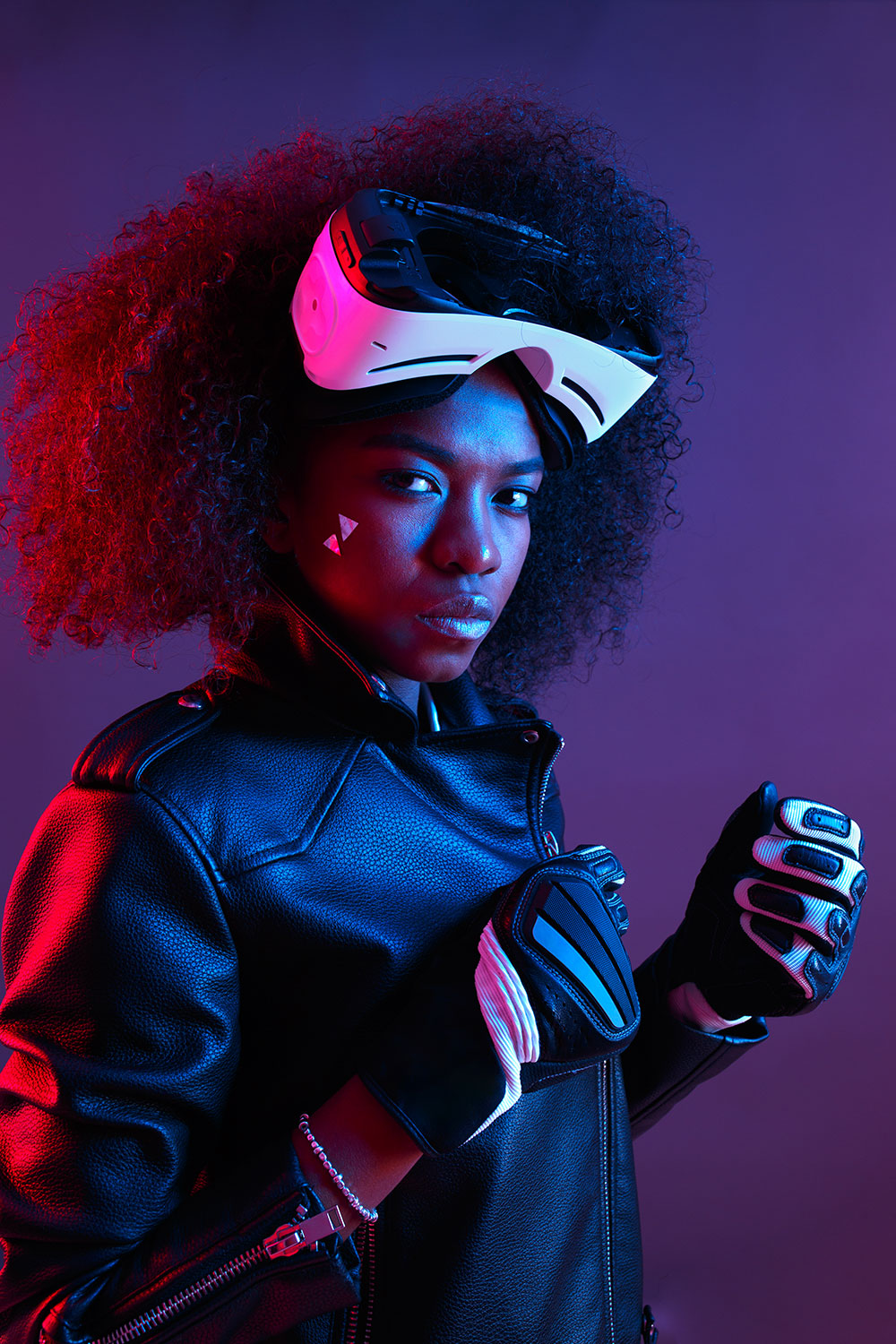
Gaming has infected the bloodstream of pop culture fashion. And horror has helped color that aesthetic in shades of black and blood red. Streetwear brands now pull inspiration from cult horror games (Resident Evil, Silent Hill, Bloodborne) and cinematic horror icons.
Even downtime hobbies have taken cues from gaming’s immersive energy. Many players blend leisure with ritual: watching Let’s Plays, unboxing collectible figurines, or relaxing with aesthetic accessories that complement their favorite digital worlds—from LED setups to, yes, even downtime trends like vaping and exploring products like the Elf Bar.
6. Gaming and Modern Hobbies: A Symbiotic Relationship
Gaming doesn’t exist in isolation; it feeds and feeds off every other modern hobby. Filmmakers, writers, designers, and musicians all borrow from gaming’s immersive techniques, while gamers themselves draw inspiration from movies, books, and art. It’s a cultural feedback loop… one that keeps evolving with every new console generation.
And horror sits at the center of it all. Both gaming and horror rely on immersion, tension, and emotion. They invite us to explore danger safely, to feel fear deeply, and to find meaning in surviving it.
7. When Horror Games Cross Over: From Console to Cinema
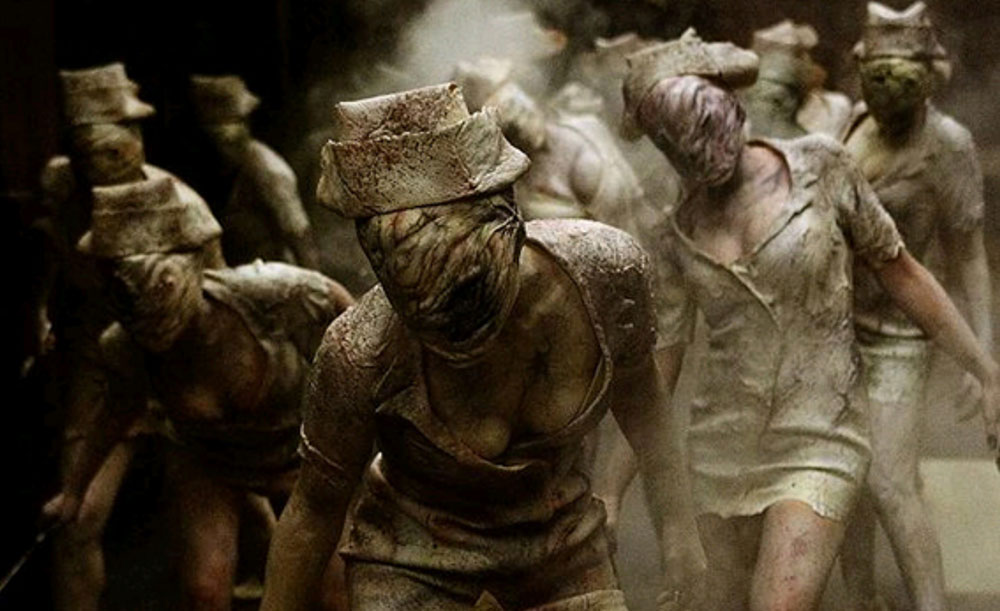
Perhaps the most striking evidence of gaming’s influence on broader entertainment lies in its film and television adaptations. Once dismissed as cursed territory (looking at you, early Resident Evil sequels), game-based horror has risen from the grave with prestige-level storytelling and cinematic ambition.
- Silent Hill (2006) — Christophe Gans’ adaptation remains one of the most visually faithful horror game films, capturing the dread and dreamlike atmosphere that defined the original series.
- Resident Evil (2002–2021) — From Paul W.S. Anderson’s action-horror spectacle to Netflix’s spinoffs, this franchise bridged the gap between B-movie pulp and blockbuster franchise.
- The Last of Us (2023–) — HBO’s emotional, character-driven adaptation turned a survival horror masterpiece into one of television’s most acclaimed dramas.
- Five Nights at Freddy’s (2023) — Blumhouse brought the viral indie nightmare to the big screen, proving horror gaming’s massive mainstream reach.
- Fallout (2024) — While not pure horror, its post-apocalyptic tone and mutant-creature chaos showcase how gaming’s world-building now defines modern genre storytelling.
- Until Dawn (2025) — The chilling adaptation of Supermassive’s cult-favorite interactive slasher finally brings its branching-path terror to the screen, blending classic teen-horror tropes with cinematic style and moral dread worthy of its source material.
These adaptations reveal how gaming’s interactive DNA—choice, immersion, emotional consequence—now drives how we tell and experience stories across all mediums.
IN CONCLUSION:
Gaming culture doesn’t just reflect modern hobbies; it redefines them. It’s where artistry meets adrenaline, and where storytelling evolves through play. Whether through haunted pixels or cinematic nightmares, gaming continues to shape the way we experience fear, fantasy, and everything in between.









Follow Us!