

“I Blame Society” weaponizes found footage to deliver a savage critique of creative erasure, content culture, and Hollywood gatekeeping.
No time to read? Click the button below to listen to this post.

Directed, co-written, and starring Gillian Wallace Horvat, I Blame Society is a sharp, deeply angry found-footage black comedy about what happens when artistic ambition, professional frustration, and personal boundaries collapse.
Horvat plays a fictionalized version of herself: a struggling Los Angeles filmmaker increasingly convinced that her career has stalled because the people holding the purse strings are incapable of recognizing her talent. Searching for a way forward, Gillian resurrects an abandoned documentary project inspired by a strange compliment she once received from friends. They told her she would make a highly efficient serial killer.
Naturally, she decides to test the theory.
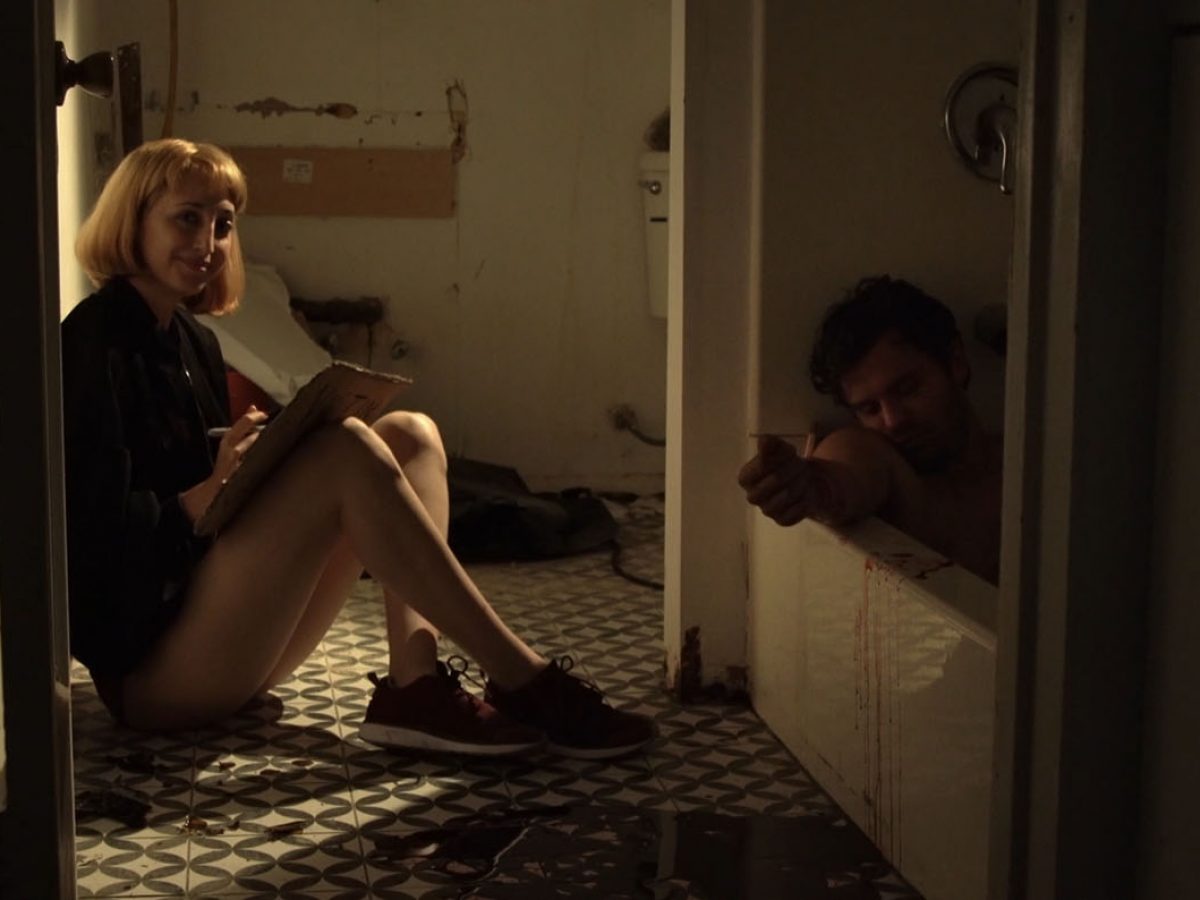
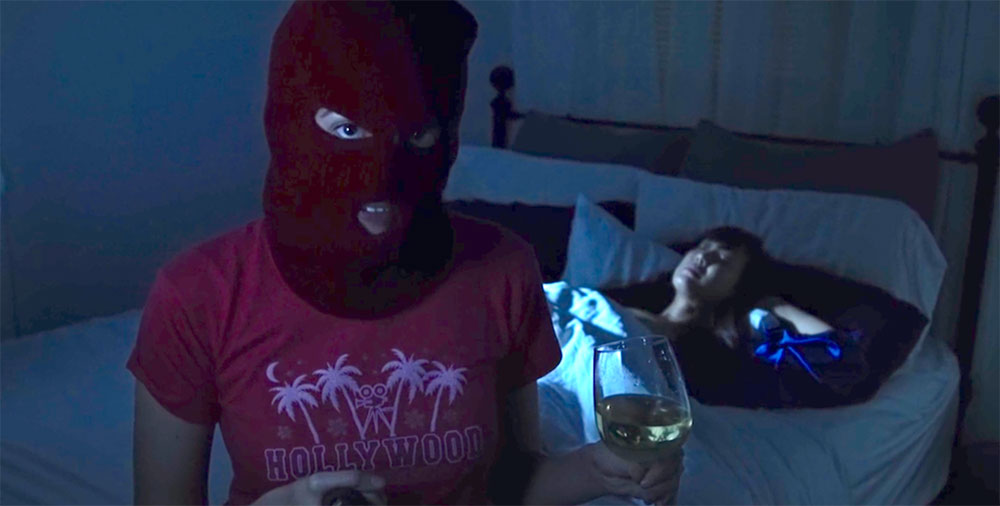
Gillian begins documenting her preparation for the “perfect murder,” targeting her friend’s thoroughly unpleasant partner while carefully considering every element of the production. She plans disguises, scouts locations, records clean audio, and thinks through how each development will serve the finished film. What initially resembles a darkly comic creative exercise gradually becomes something far more dangerous as the distinction between directing violence and committing it disappears entirely.
In most found footage films, the camera is a passive observer, but I Blame Society is different.
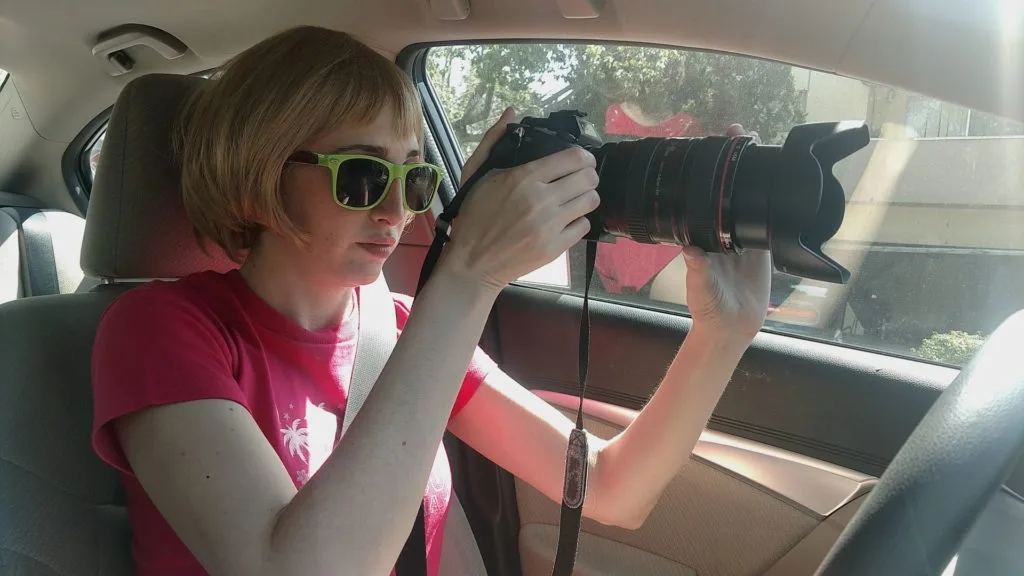
Here, the camera is the instigator. Gillian’s handheld rig and lapel microphones do more than record her crimes. From her perspective, they give her permission to commit them.
Every terrible decision becomes defensible if it improves the narrative. Murder is no longer a moral concern but a logistical challenge. Victims become supporting characters. The camera creates an emotional barrier between Gillian and those around her, allowing her to treat real suffering as raw material to be shaped in the editing room.
It is an especially clever use of found footage at a time when people are encouraged to constantly document, package, and promote themselves.
Gillian is not simply a filmmaker losing her grip on reality. She is the monstrous endpoint of the content creator mindset, convinced that an interesting story justifies whatever must happen to produce it.
That premise could easily become heavy-handed, but Horvat keeps the film viciously funny.
Gillian’s growing sociopathy is paired with the familiar desperation of an independent artist trying to convince people to care about her work. She sits through awkward meetings, listens to patronizing feedback, and watches clueless producers use progressive language to disguise their complete lack of curiosity.
The found footage format makes these encounters painfully intimate.
They have the uncomfortable, fly-on-the-wall energy of a workplace sitcom, except the workplace is an industry built on hollow encouragement, vague promises, and the assumption that rejection should always be received with gratitude.
The film’s murders may be extreme, but the professional humiliations surrounding them feel uncomfortably real.
The result is a brilliantly deranged expression of guerrilla filmmaking. When the traditional system refuses to give Gillian money, access, or approval, she takes complete creative control. She stops asking permission, eliminates anyone who interferes with her vision, and, ironically, becomes the kind of uncompromising auteur the industry often claims to admire.
Horvat’s performance is essential to making the idea work. Her Gillian is needy, abrasive, intelligent, pathetic, hilarious, and increasingly terrifying.
She can sound like a filmmaker making a legitimate argument about artistic erasure one moment and a narcissist using professional disappointment to excuse monstrous behavior the next. The film never requires us to believe she is secretly justified, but it does make her anger recognizable.
That anger also makes I Blame Society a strong Pride Month selection.
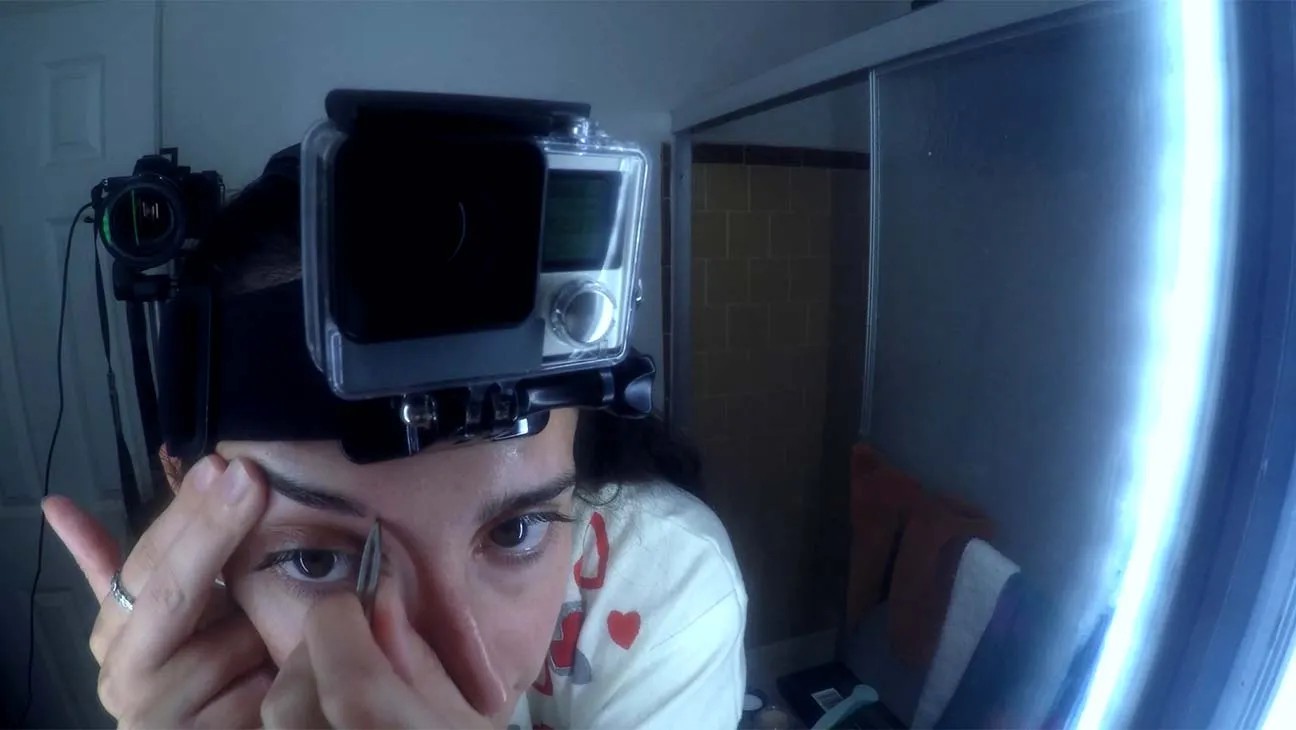
It’s perfect for viewers interested in queer horror beyond more familiar narratives of identity and romance. The film’s queerness is embedded in its distrust of institutional respectability and its fury toward systems that demand marginalized creators remain agreeable, grateful, and easy to market.
Gillian’s descent into violence becomes an extreme rejection of those expectations. As she sheds the appearance and behavior of the harmless, palatable young woman the industry wants her to be, she begins constructing a new identity entirely on her own terms.
It is liberating, horrifying, and deliberately impossible to separate from her increasingly destructive narcissism.
She also rejects the roles traditionally assigned to women in slasher cinema. Gillian is not a victim being watched, nor is she a silent, masked killer reduced to an unknowable threat. She controls the camera, narrates the story, selects the victims, and determines how every act will be presented. The gaze belongs completely to her.
Through Gillian, Horvat turns creative erasure into something bloody and literal, dismantling the complacent professional world around her one carefully staged sequence at a time.
None of this would be nearly as effective if I Blame Society were merely clever.
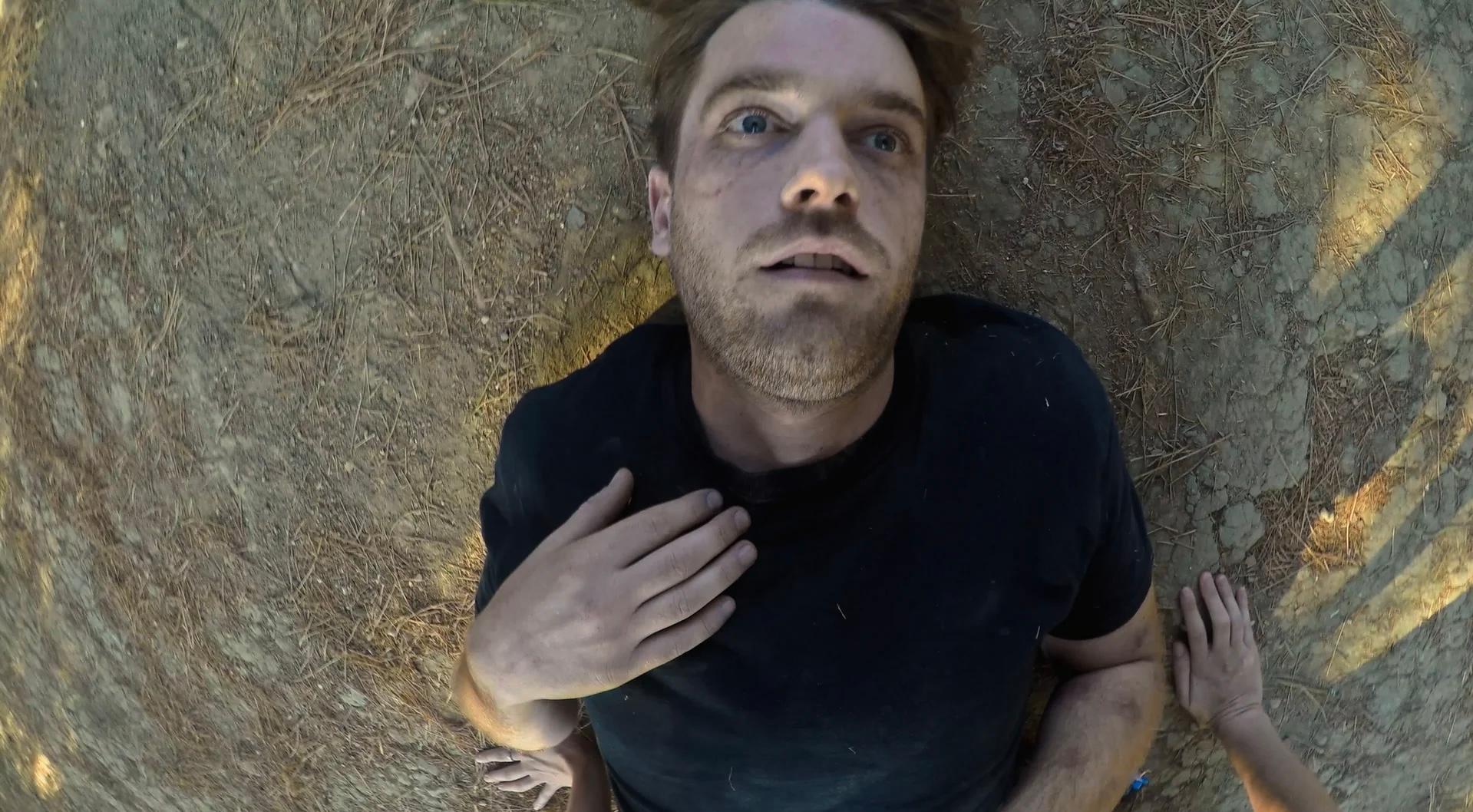
Fortunately, it is also wildly entertaining.
Its micro-budget roughness becomes part of the joke, while its bleakness is balanced by sharp comic timing and a wonderfully committed central performance. Even as Gillian becomes more monstrous, the film retains the chaotic energy of someone stubbornly trying to finish a project… no matter how badly production has gone off the rails.
That uncompromising approach may explain why the film has remained relatively underseen. It is abrasive, deliberately uncomfortable, and uninterested in making its protagonist likable. But those qualities are also what make it such a standout entry in modern found footage horror.
I Blame Society is both a brutal industry satire and a gleefully transgressive serial killer comedy. It takes the rage of being creatively dismissed, hands it a camera, and lets it keep filming long after any reasonable person would have called cut.
Overall Rating (Out of 5 Butterflies): 4.5









Follow Us!