Baby Reindeer: Stalking, Sexuality, and Scandal


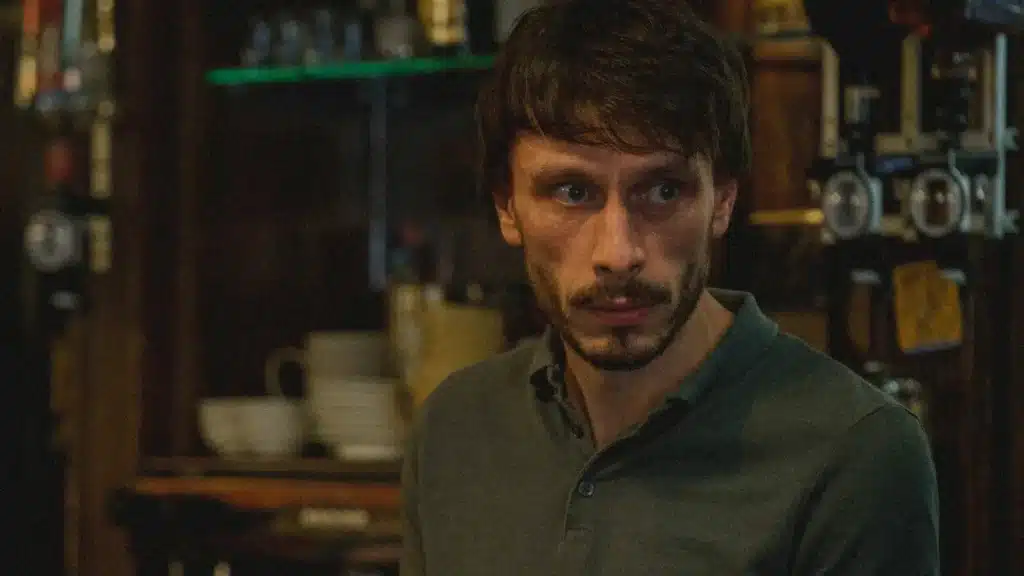
I’d been building up this piece long before the Emmys, not knowing how explosive the show would ultimately become. Taking home six Emmys out of eleven nominations, Baby Reindeer was the ultimate downward spiral watch of a tale of self-destruction, denial, fear, and, finally, honesty.
I understand how delicate and truly frightening this subject can be, so I’m going to offer up my own experience for transparency and to highlight why I feel so deeply about this series.
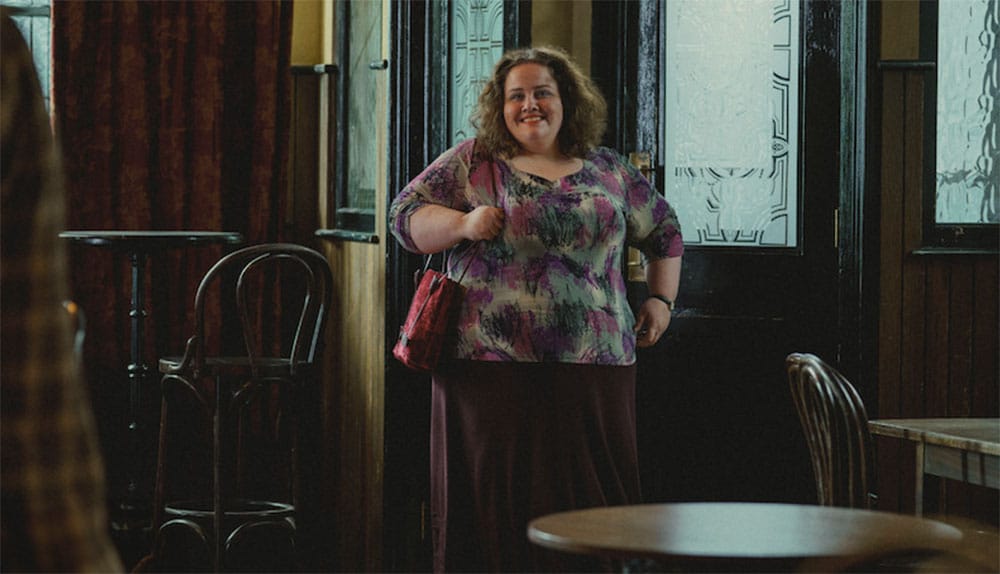
Baby Reindeer, if you were to boil it down, is the tale of a Scottish man, Donny (Richard Gadd), in his late twenties, being stalked intensely by an obsessive older woman, Martha (Jessica Gunning), to whom he gave a free cup of tea, sparking a month’s long nightmare of cat and mouse with a seasoned stalker.
According to the series, Donny, a desperate comic trying to make prop comedy a sensation, leaves his email on his website for potential scouts, but all it does is lead Martha to a direct line to him. Donny saw her attempts to connect not only endearing but also fascinating, from her outrageous laugh to the whiplash emotional state she seemed to find herself in. Hundreds of emails flood through Donny daily, and we see that after he looks Martha up to confirm if anything about her is true, her internet history is lined with mugshots and crime reports.
Gunning and Gadd make the perfectly imperfect pair on screen, meeting as stalker and victim, creating a glorious sense of voyeurism and empathy—and both took home awards for their performances.
I’m going to hit you hard and fast with some stalking facts now because there are even articles referring to it as a public health risk.
We will start with big facts that one in three women will experience stalking in their lifetime, and one in six men will experience the same.
This story was particularly tantalizing, I believe, due to a woman being so voracious in her hunt as opposed to a stereotypical “angry man.” Martha is just as frightening, unhinged, and delusional as any man could be, and we witness the police even stating that there is less threat of harm when a woman stalks a man. (I’m about six feet tall and have the complexion of a ghost. Believe me, women can be scary, too.)
Though I will say for all that women can menace, it’s interesting that the first instance of following or tracking comes from Donny as he follows Martha home. Rightly called a “peeping tom” when he’s caught, his curiosity provokes the first move and inadvertently invites Martha into the hide-and-seek game she delights in.
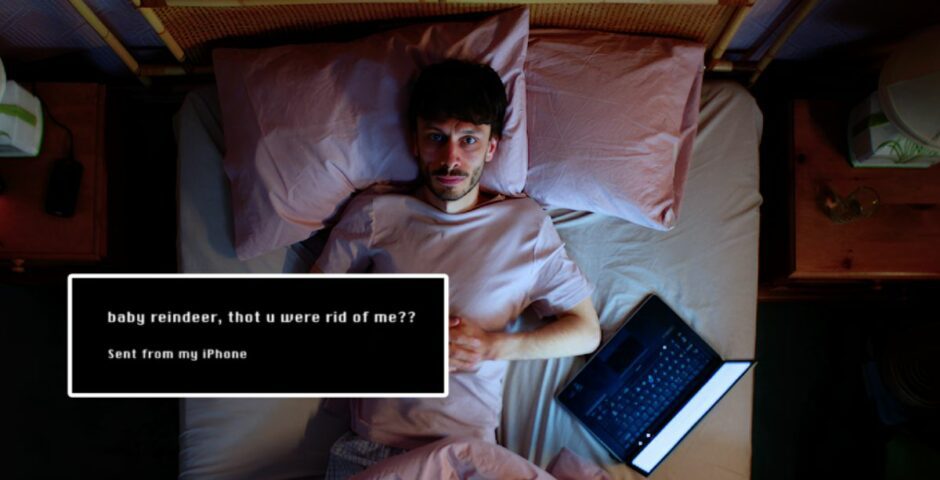
Some alarming statistics show that as many as 7.5 million people every year experience cyberstalking, 80% of people experience being tracked by technology, and 67% are tracked in person.
Martha, being the overachiever, decides to stalk him both online and in person, which has less data regarding those stalkers who use multiple methods to pursue their prey. Her persistent phone calls to him and his parents also show she’s not just content to send messages but wants a personal experience evoked from her target.
Nearly 70% of victims will experience emotional distress, 67% of stalking victims know their stalker, and less than one-third of victims will report the incidents to the police.
The only reason the police took Donny seriously after months of torment and denial is by searching the system for Martha and seeing she is a repeat offender, dangerous, and part of the statistic that one in three stalkers have stalked before.
Donny’s own obsession and curiosity led to risky encounters and open doors that left him vulnerable to someone like Martha. Prying at his empathy and padding his low self-esteem, Martha seems to be the answer to Donny’s wavering self-confidence. Even when she’s problematic, Donny feels the need to intervene or “fix” her, constantly catering to her even when he thinks he’s not.
Martha is painted in a shockingly empathetic and relatable light, from her booming laugh to her vulnerabilities.
Donny said she made him feel seen and flattered, and that was enough. Though some people can’t relate to that void Donny speaks of, I understand and feel it in myself. As Gadd says, when someone notices you, you notice them noticing you; suddenly, you’re not nobody.
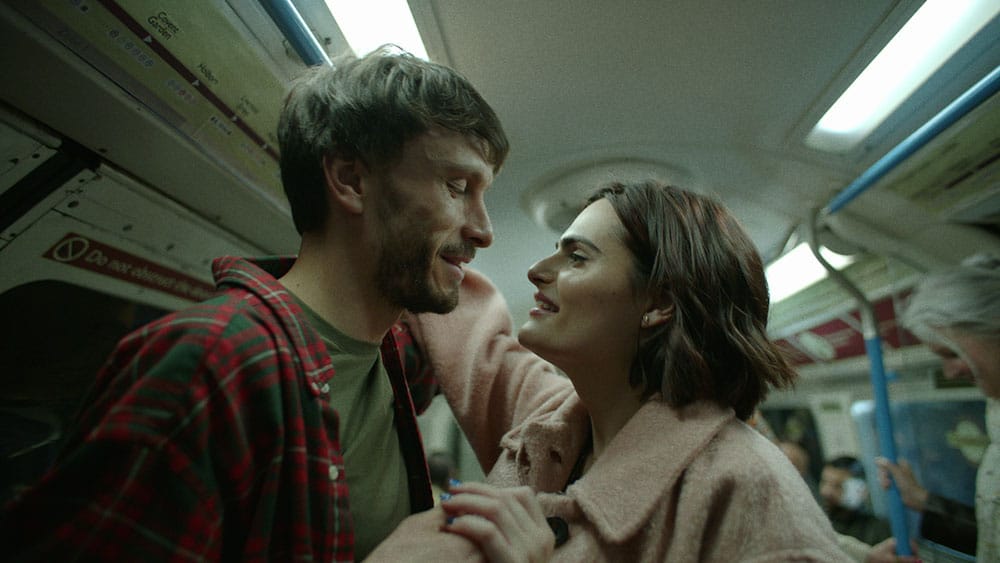
Baby Reindeer initially doesn’t look to be an LGBTQIA+ story, but it most certainly is, and its story is deeply entangled in sexuality and abuse.
The colors of the rainbow fly proudly here for cis, queer, hetero, bi, and all those in between, dusting away shame and stereotypes. Nava Mau, though not an Emmy winner, still took a historic nomination as a trans woman playing Donny’s love interest, Teri. A therapist, she offers insight on Donny (who goes by a fake name), sometimes tearing him to pieces when he refuses to act in his and her own best interest.
Already confused with who he is, Donny, with a gun to his head, identifies as bisexual. His reasoning, that “he feels like a fraud no matter who he sleeps with,” is tantalizingly tragic.
Bisexuality, in my history, seems to land someone in a no man’s land of too straight to be queer and too flexible to be straight, trying to box in the two halves of bisexuality. Donny is lucky; he finds acceptance when he finally comes to terms with what his sexual identity is, but what seems to put it in question is a terrible fate that befalls many men who choose to stay silent.
This particular episode hit me like a freight train.
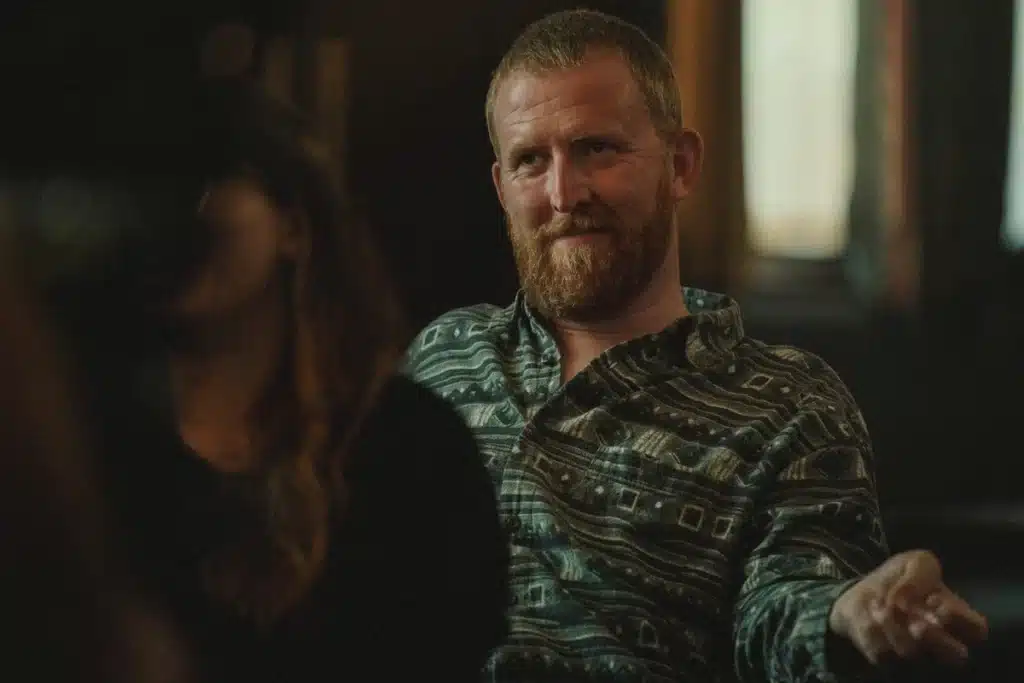
I’ve been to court for sexual assault cases, and seeing Donny being groomed left my heart numb.
Donny’s one-man act is a failure at the bar he is performing at, but one night, a lucky card gives Donny VIP access to a swanky bar where he meets Darrien. Caught up in the fast life of TV production, he forms a fast and soon abusive relationship with the higher-up writer, taking drugs weekend after weekend with him to ascend his consciousness.
After each drug binge, Darrien pushes things further and further sexually with Donny while he’s out cold. Finally, through the haze, we get a final moment of torment.
The statistics are as somber as the presentation. Millions of men in the country have been victims of sexual assault and rape.
About 3% of men, or 1 in 33 men, are the victim of an attempted or completed sexual assault, and 1 in every ten rape victims are male.
Donny’s outburst was the cry of many men silenced, even his own father, who admits to suffering abuses at the hands of the Catholic Church. His perceived weakness in himself was seen as bravery to those who witnessed the raw emotion laid out for the world.
His drug problem can also be a sign of his trauma, with victims of sexual assault being six times more likely to use cocaine.
This might be a hopeful tale for those that feel silenced or feel their trauma might be bursting at the seams. Showing a spectrum of understanding and a growing bravery, Donny takes on the world with a new take on himself.
Sadly, Baby Reindeer’s journey doesn’t end at the Emmys.
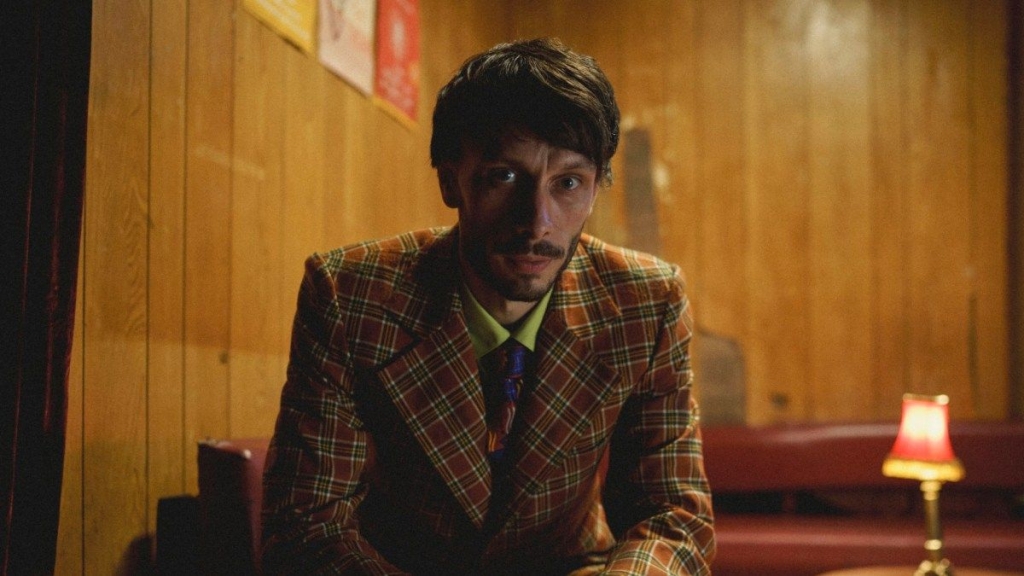
In the first episode, we are hit with the old phrase, “This is a true story.” The problem is, it is, and it isn’t now.
The first problem was the character Martha, who some say internet sleuths were quick to jump on. Now, a real woman claiming to be the inspiration behind the award-winning character is suing Netflix for millions over her identity being compromised. A Scottish woman, Fiona Harvey, is now suing Netflix for $170 million in damages for defamation. She claims that as a result of being defamed, she has been identified by members of the public and has been sent hate mail and death threats so intense that it has caused her emotional harm.
Even before the character was made public, the stalking allegations kept changing, and after the initial based on a true story claim, there were now remarks such as:
“This program is based on real events; however, certain characters, names, incidents, locations, and dialogue have been fictionalized for dramatic purposes.”
With this lawsuit just getting started, Gadd has already inked a new deal with Netflix, showing that the rising legal issues were no issue for them. Netflix has stated that it is proud of the story Gadd told.
With the level of defense and a mysterious woman coming out to show who the real “Martha” was, I imagine Gadd will be moving on to his next tale and leaving the legalese in the dust for Netflix to work on.
Office on Violence Against Women (OVW) | OVW Observes National Stalking Awareness Month, 2023. (2023, January 25). Www.justice.gov. https://www.justice.gov/ovw/blog/ovw-observes-national-stalking-awareness-month-2023#:~:text=Stalking%20is%20a%20form%20of
Sheridan, M. (2024, February 13). The Latest Cyberstalking Statistics for 2024. SafeHome.org; SafeHome.org. https://www.safehome.org/data/cyberstalking-statistics/#:~:text=80%25%20of%20all%20stalking%20victims
STALKING FACT SHEET. (n.d.). https://www.stalkingawareness.org/wp-content/uploads/2019/01/SPARC_StalkngFactSheet_2018_FINAL.pdf
Victims of Sexual Violence: Statistics | RAINN. (n.d.). Rainn.org. https://rainn.org/statistics/victims-sexual-violence#:~:text=About%203%25%20of%20American%20men
“Baby Reindeer” is facing a lawsuit — that didn’t stop it from winning 6 Emmys. (2024, September 13). NPR. https://www.npr.org/2024/09/13/nx-s1-5104147/baby-reindeer-netflix-martha-lawsuit
J. Yossman. (2024, September 17). Richard Gadd Inks Deal With Netflix Despite “Baby Reindeer” Lawsuit. Variety; Variety. https://variety.com/2024/tv/global/richard-gadd-first-look-deal-netflix-baby-reindeer-lawsuit-1236147158/

She’s a lover, he’s a fighter. Together, they’re CHEER AND LOATHING. Tune in to hear your hosts, Stephanie (Cheer) and Casey (Loathing), clash over the films they love — and the ones they love to hate.
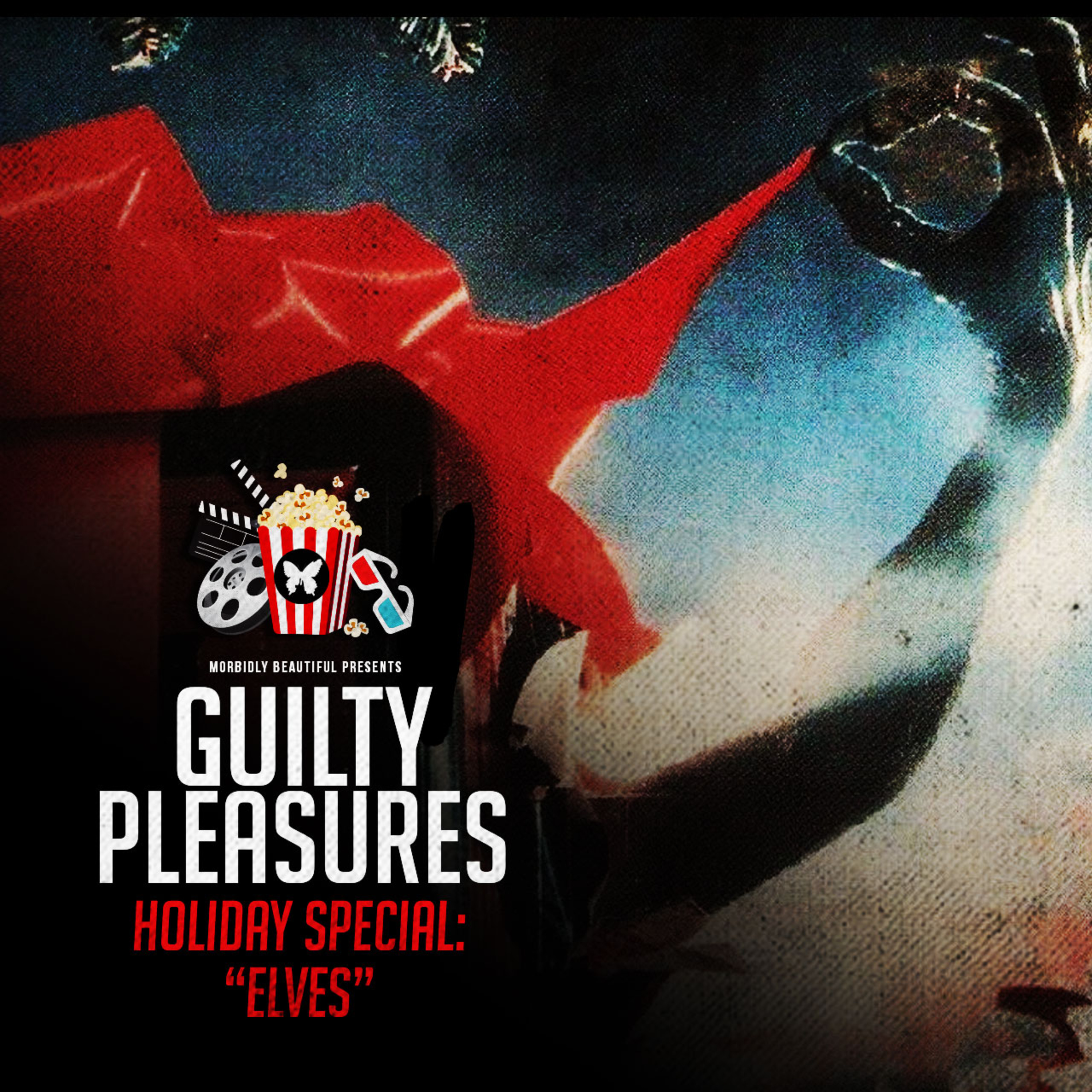
In this holiday extravaganza episode of Guilty Pleasures, join hosts Stephanie, Kelly, and our newest addition, Jonathan (Jack was tied up in tinsel and couldn't join us), as they unwrap the bizarre and unhinged world of holiday cinema. They dive into the depths of Elves, a film that's as chaotic as it is entertaining. It's a sleigh full of questionable decisions, diabolical dialogue, absurd plot twists, wildly offensive antics, and unhinged holiday mischief.
And that's not all! In the second half of the podcast, join your festive cinephile friends for a look at four more ”nutty as a fruitcake” holiday treats: A New York Christmas Wedding, Elf Bowling, A Medea Christmas, and Jack Frost. Plus, we each offer a bonus Christmas flick guaranteed to make you say, ”Ho, Ho, HO-LY Hell!”
Expect laughter, disbelief, and a spirited debate about what truly makes a movie a guilty pleasure. Don't miss this festive journey through the weirdest corners of holiday films!
 Fresh Screams: Five Horror Films to Stream (June 22-28)
 White Privilege in Horror and the Return of the Slasher Dude Bro Base
 The Power of Horror Over Homophobia: A Retrospective on the Slasher Bro Baseline
 Tubi Tuesday: Killer Body Count (2024)
 Fresh Screams: Five Horror Films to Stream (June 15-21)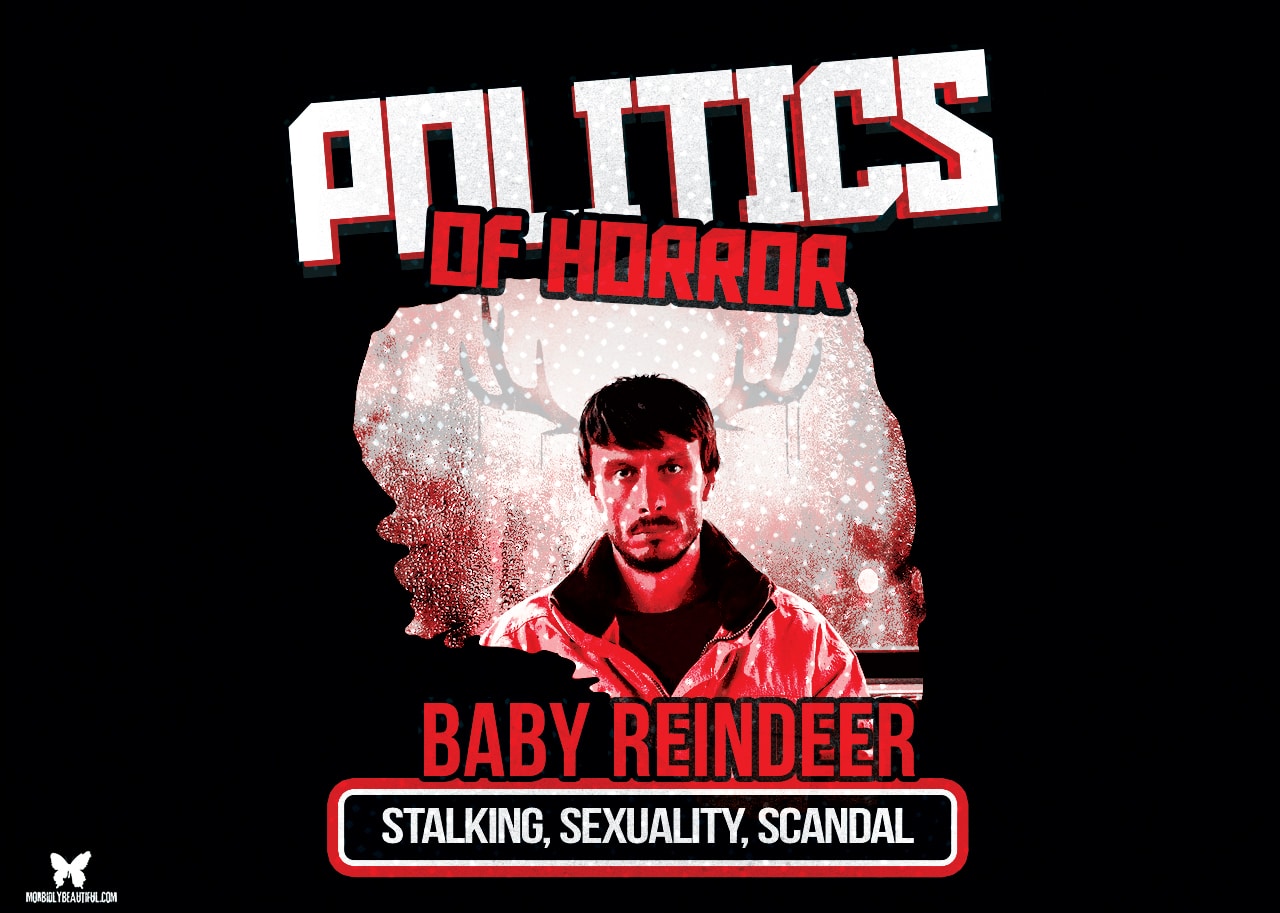



Follow Us!