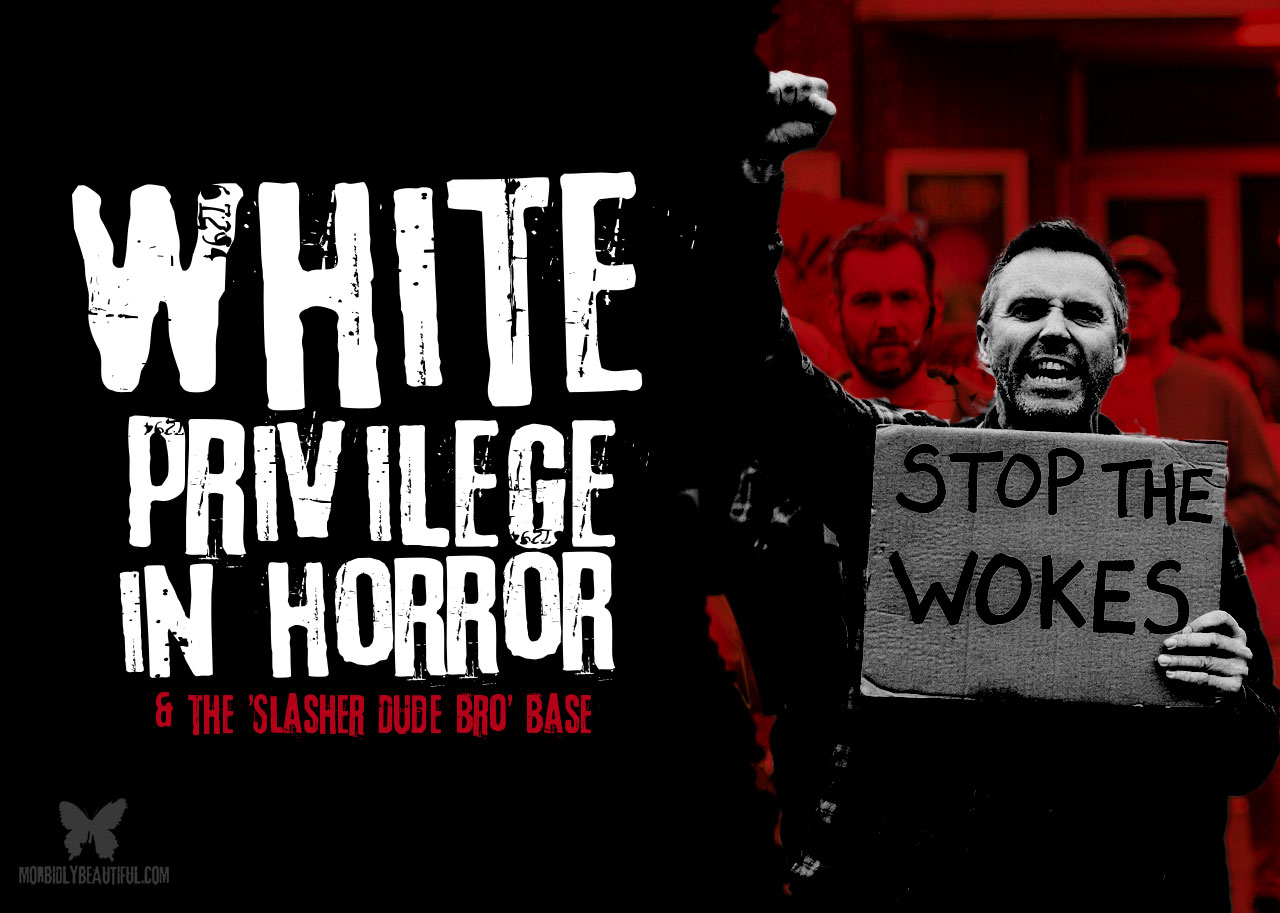
White Privilege in Horror and the Return of the Slasher Dude Bro Base



As we observe Juneteenth, I find myself reflecting on the astonishing evolution of the horror genre.
In a recent piece for Pride Month, I discussed how horror is finally turning a corner, dragging our darkest prejudices out of the shadows and dismantling historical gatekeeping. The marginalized are no longer relegated to the subtext; they are front and center.
Yet, for every monumental stride forward, there is an incredibly vocal, hypermasculine demographic desperately trying to pull us back into the dark.
The “slasher dude bro” base (thank you for that term, which will live in infamy, Adam Marcus) has returned with a vengeance, and they are armed with the most dismissive, thinly veiled racism imaginable.
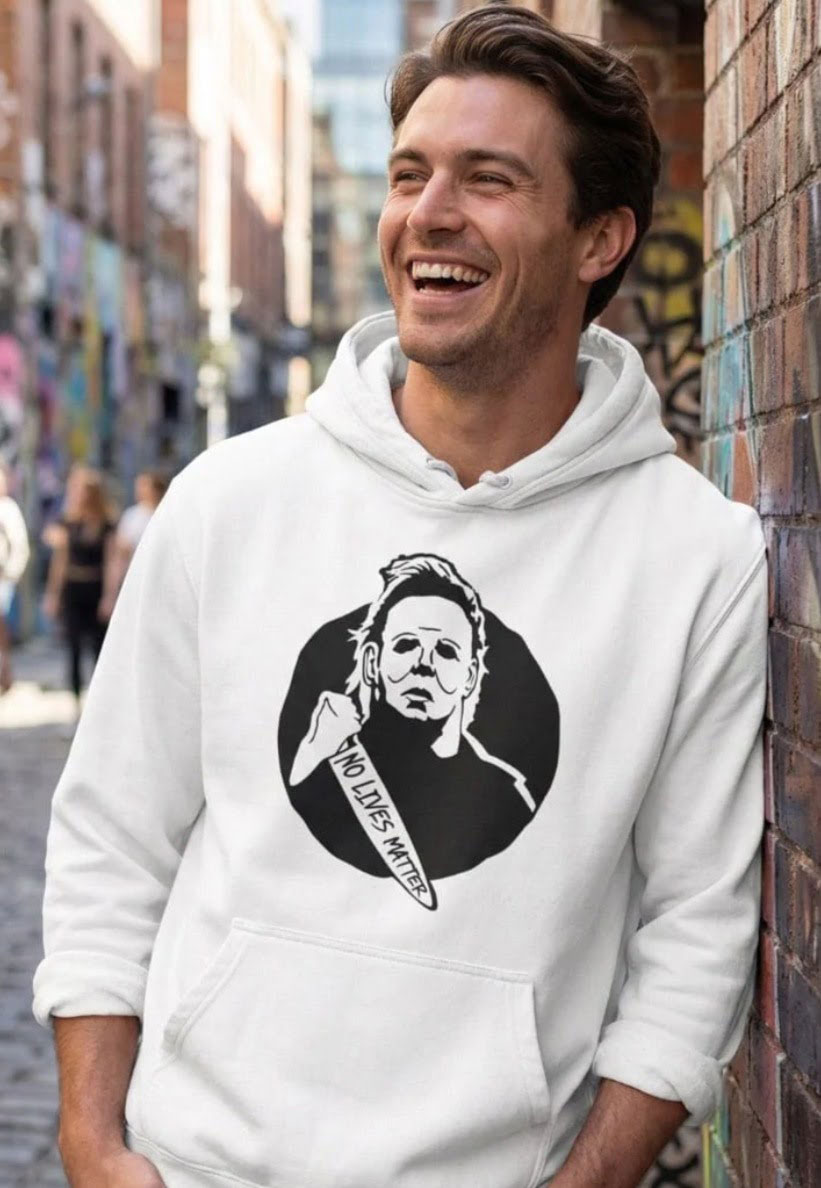
Nowhere is this more evident than in the infuriatingly stupid trend of white horror fans co-opting and riffing on the Black Lives Matter movement with “No Lives Matter” merchandise.
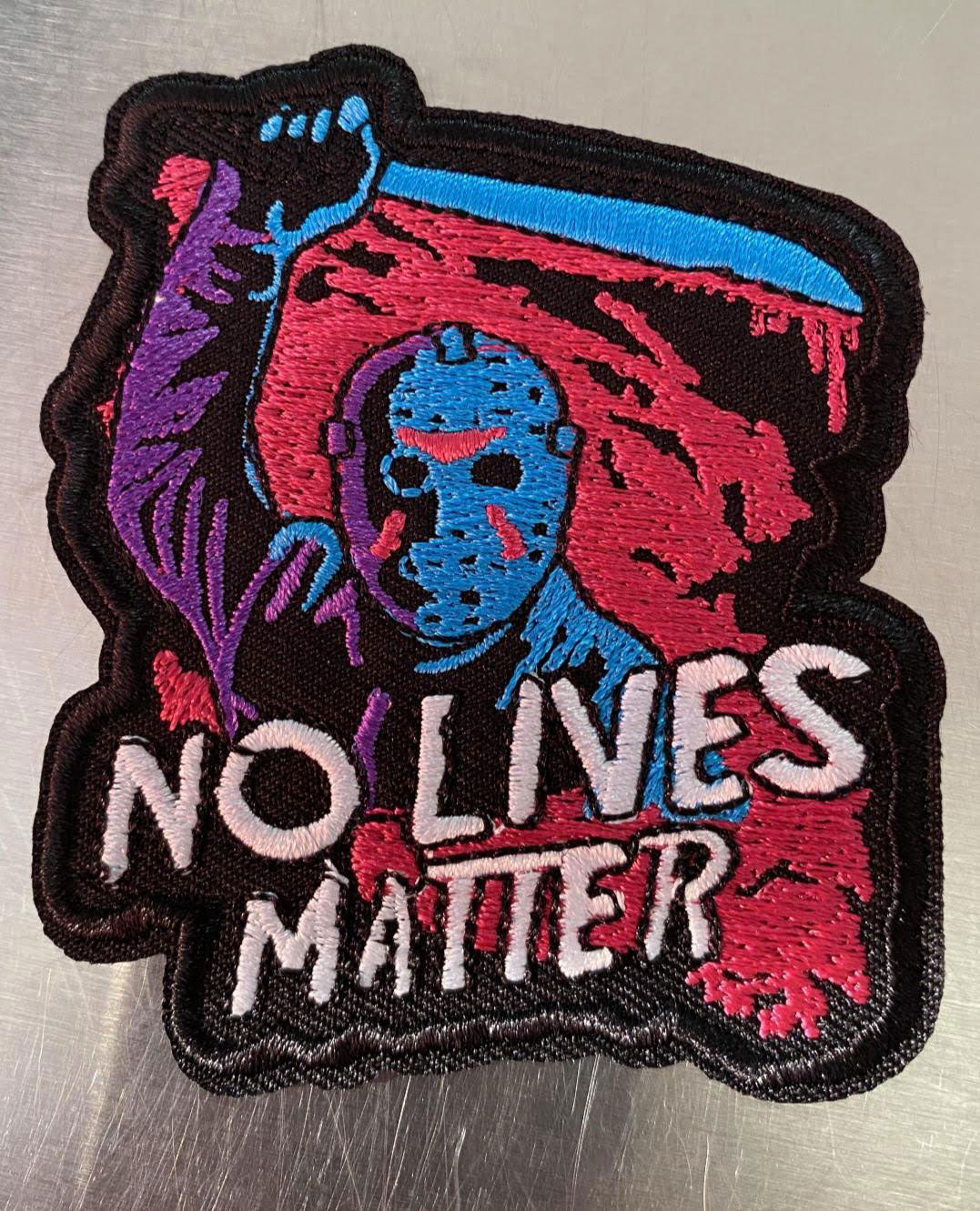
Take a scroll through any horror convention vendor hall or online marketplace, and you will inevitably be bombarded with this trash. You can see exactly what I mean in images that plaster the slogan over Michael Myers. You will find it slapped across Jason Voorhees, placed next to Bruce from Jaws, or crammed into a collage of iconic slashers.
The defense of this merchandise is always the same: It’s a joke! Slashers are equal-opportunity killers! They don’t care about race!
Armed with a B.S., Psychology (that I will continue to brag about like a moron because earning that degree while juggling two full-time jobs, a family, and writing gigs was the hardest thing I ever did), I can spot cognitive dissonance and deflection from a mile away.
Couching this dismissive, race-based humor in a horror facade does not make it edgy; it makes it cowardly.
“No Lives Matter” is cut from the exact same cloth as “Blue Lives Matter” and “White Lives Matter.”
The dude bros will eagerly point out the financial controversies surrounding the Black Lives Matter organization, utilizing the sliver of truth in that corruption as fuel to wholly dismiss the cultural movement it represents.
It is a pernicious form of white privilege: the ability to be purposely obtuse and willfully ignorant in their fragility. It is the same tired chorus of voices crying out, “If Black lives matter and they get a special month, what about White History Month? Or even Straight Pride Month?”
There is a brilliant Saturday Night Live “Black Jeopardy” sketch where Tom Hanks plays a MAGA-hat-wearing contestant.
Throughout the game, the Black host and the out-of-water conservative surprisingly bond over deep-seated societal issues, distrust of government, and daily life. But at the end, the final “Answer” awaiting the MAGA character’s question is “LIVES THAT MATTER.”
The host takes one look at the board and says of their temporary bonding, “Well, it was good while it lasted.”
That sketch perfectly encapsulates the slasher bro base. They are happy to sit at the table with the rest of the horror community, right up until the exact moment they are asked to acknowledge the value of a marginalized life.

What makes this reactionary pushback so pathetic is that it is happening during an undeniable renaissance. We are living in a golden age of Black-helmed and themed horror.
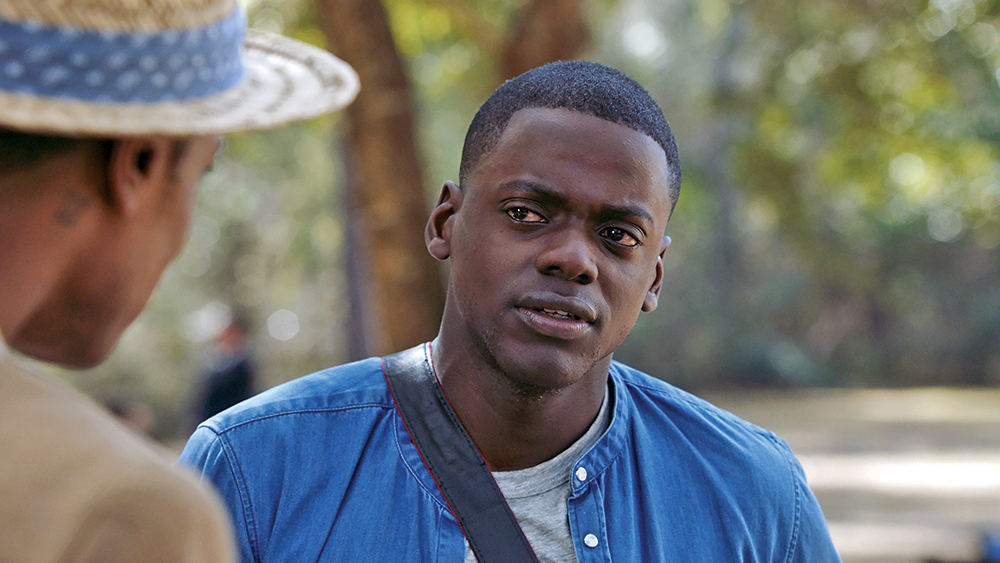
Jordan Peele shattered the mold with Get Out and Us. The Blackening delivered a brilliant, razor-sharp skewering of horror tropes. Nia DaCosta resurrected Candyman with chilling modern relevance. Television has broken new ground with deeply unsettling, socially conscious series like Lovecraft Country and Amazon’s Them.
We just witnessed the phenomenon of Ryan Coogler and Michael B. Jordan’s Sinners — a film that broke records and became an all-time champion.
Meanwhile, fantastic indie and mid-tier fare like The Creeping, The Woman in the Yard (which was not quite indie but certainly felt like it), and Haunted Trail continue to prove that Black horror is a rich, diverse tapestry.
And yet, how do the dude bros react?


Go to any comment section on these films. You will find a barrage of unoriginal vitriol: “Woke bullshit,” “Overrated,” or bizarre, baseless claims like “ripoff of From Dusk till Dawn.”
Naturally, when Sinners secured its avalanche of Oscar nominations, the gatekeepers immediately dismissed it as “obvious DEI posturing by the Academy.”
It is the angry thrashing of a privileged base that is terrified of a cinematic landscape that no longer caters exclusively to them.

To understand this current cultural clash, we have to look at the evolution of the Black character in horror cinema.
For decades, the genre was defined by the “Black guy always dies” trope — a predictable, exhausting inevitability that treated Black actors as expendable fodder.
We also have to correct the historical inaccuracies passed down as horror gospel. How many times have you heard a fan proudly declare, “Duane Jones was the first Black man to survive a horror movie” in reference to Night of the Living Dead? Except he doesn’t survive.
After surviving the undead horde, he is tragically and unceremoniously gunned down by a white posse.
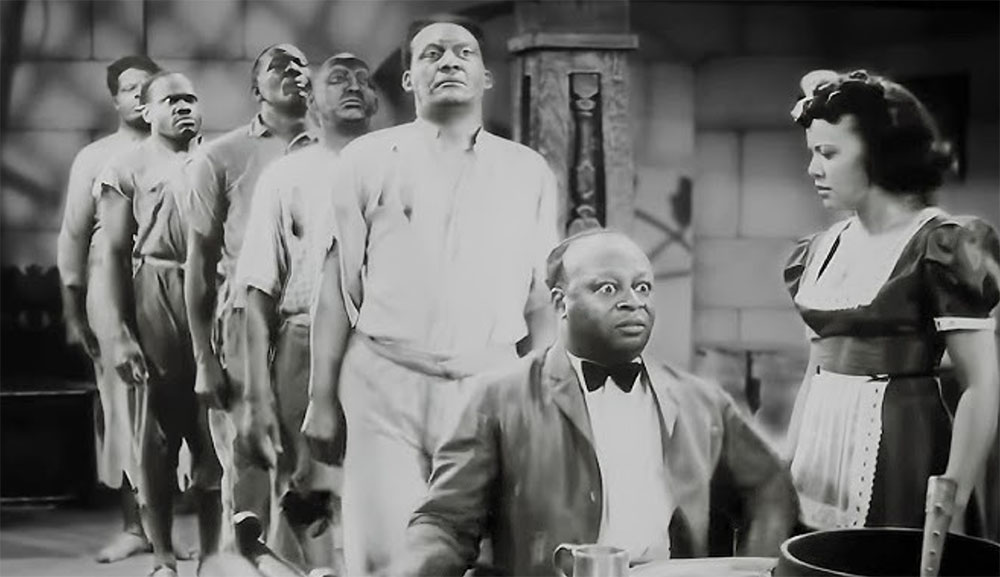
He was preceded by unsung heroes like Mantan Moreland. As I discussed in my Dante’s Inferno piece on King of the Zombies right here on Morbidly Beautiful, Moreland was carrying films long before the modern era… but was he?
It’s fair to wonder if “shucking and diving” as it would have been referred to by a pre-Civil-Rights-era white majority audience counts as “leading a film” or is closer to an oppressed class making lemonade out of systemic lemons.
From there, we moved through the complicated, at times well-meaning, but deeply flawed era of Blaxploitation with films like Blacula and Blackenstein.
I vividly remember being a young kid and desperately wanting to dress up as Blacula for Halloween. Young kids do not get nuance, and back then, nobody cared. But if I let a seven-year-old do that today? I’d probably get canceled… and honestly, maybe rightfully so. It’s complicated.
But let’s be fair: the genre itself fed this dude bro base for a long time.
That Blaxploitation DNA eventually melded into the brilliance of Tales from the Hood, but also devolved into the absurd camp of Leprechaun in the Hood and the meta-comedy of the Scary Movie franchise.
For a long time, the culture’s coping mechanism was to mock the genre’s whiteness. Stand-up comics made entire careers out of toying with the idea that Black people would never fuck around in a haunted house—a cultural shorthand reinforced by lines in The Skeleton Key like, “The Black ones never stay.”
Look at the brief, shining moment of Julius in Friday the 13th Part VIII: Jason Takes Manhattan. He is one of the few Black characters in the entire franchise, and he gets a genuinely heroic, stand-up boxing match against Jason on a rooftop… only to have his head literally knocked off his shoulders into a dumpster.
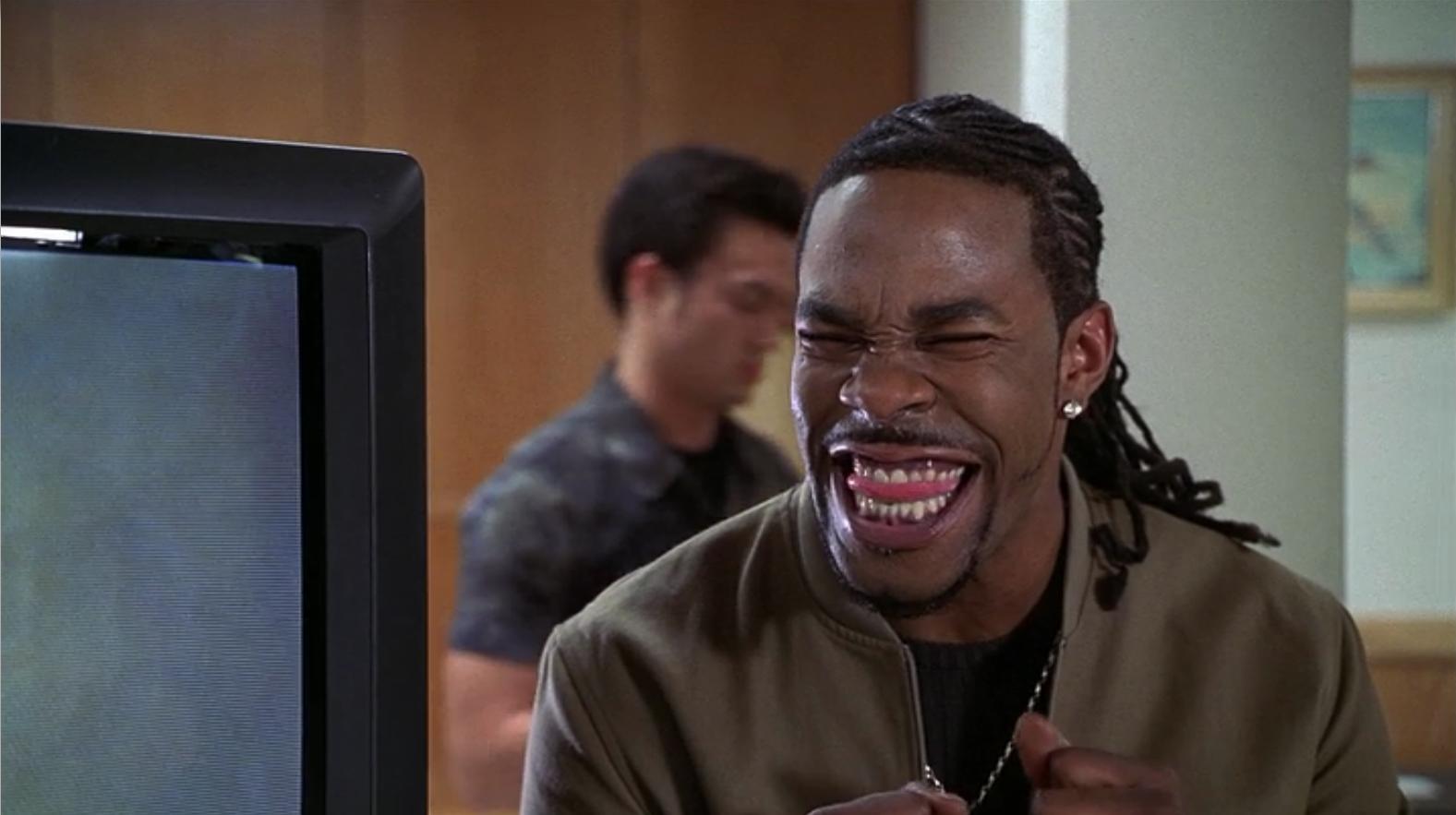
Couple that legacy with the absolute absurdity of Busta Rhymes kung-fu fighting Michael Myers and dropping lines like “Trick or treat, motherfucker” in Halloween: Resurrection, and it is easy to see how the gatekeepers felt emboldened to treat Black characters as either disposable fodder or a running punchline.
On The Scared Shitless Podcast®, we dissect the things that actually frighten us. But what truly scares the “No Lives Matter” crowd isn’t a guy in a hockey mask. It is the loss of exclusivity.
Horror is finally turning the camera around. It is telling stories from perspectives that have historically been silenced, sidelined, or decapitated in the second act.
The slasher bro base can buy all the deflecting, tone-deaf t-shirts they want, but they are fighting a losing battle.
The genre is evolving, the stories are getting infinitely better, and Black lives, both on-screen and off, unconditionally matter.

She’s a lover, he’s a fighter. Together, they’re CHEER AND LOATHING. Tune in to hear your hosts, Stephanie (Cheer) and Casey (Loathing), clash over the films they love — and the ones they love to hate.
In this holiday extravaganza episode of Guilty Pleasures, join hosts Stephanie, Kelly, and our newest addition, Jonathan (Jack was tied up in tinsel and couldn't join us), as they unwrap the bizarre and unhinged world of holiday cinema. They dive into the depths of Elves, a film that's as chaotic as it is entertaining. It's a sleigh full of questionable decisions, diabolical dialogue, absurd plot twists, wildly offensive antics, and unhinged holiday mischief.
And that's not all! In the second half of the podcast, join your festive cinephile friends for a look at four more ”nutty as a fruitcake” holiday treats: A New York Christmas Wedding, Elf Bowling, A Medea Christmas, and Jack Frost. Plus, we each offer a bonus Christmas flick guaranteed to make you say, ”Ho, Ho, HO-LY Hell!”
Expect laughter, disbelief, and a spirited debate about what truly makes a movie a guilty pleasure. Don't miss this festive journey through the weirdest corners of holiday films!
Follow Us!