Fresh Screams: Five Horror Films to Stream (June 22-28)


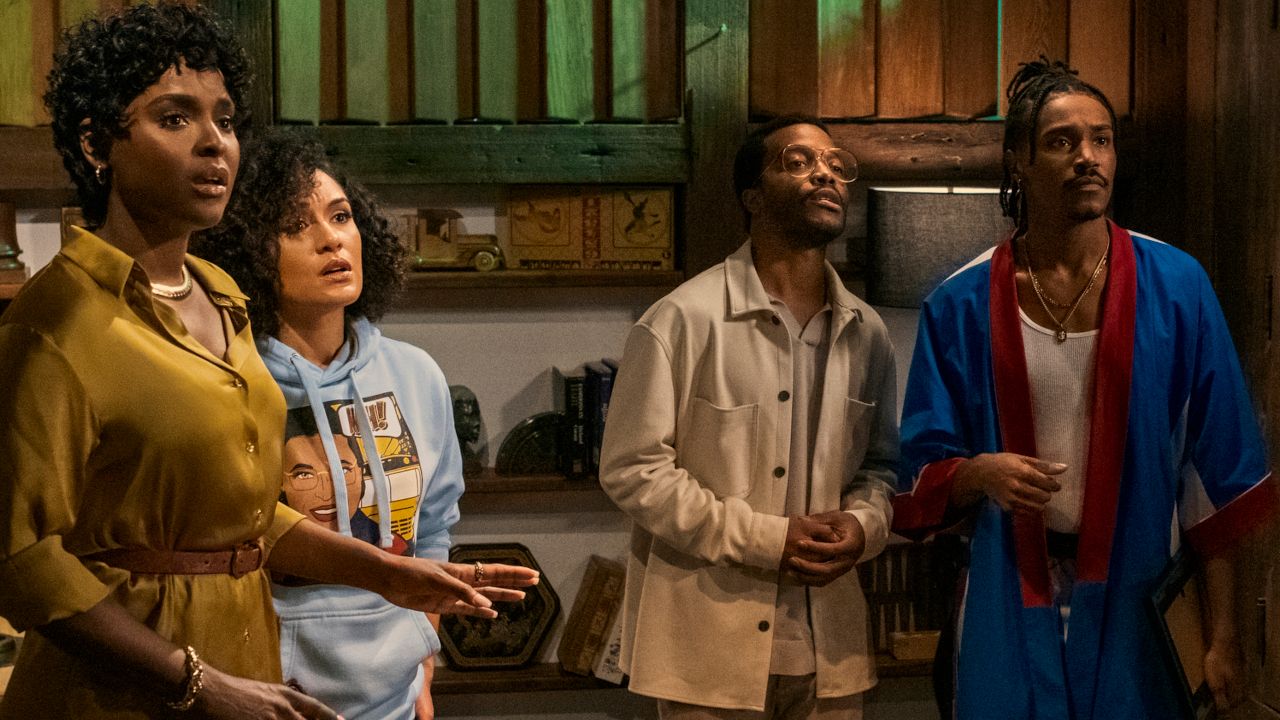

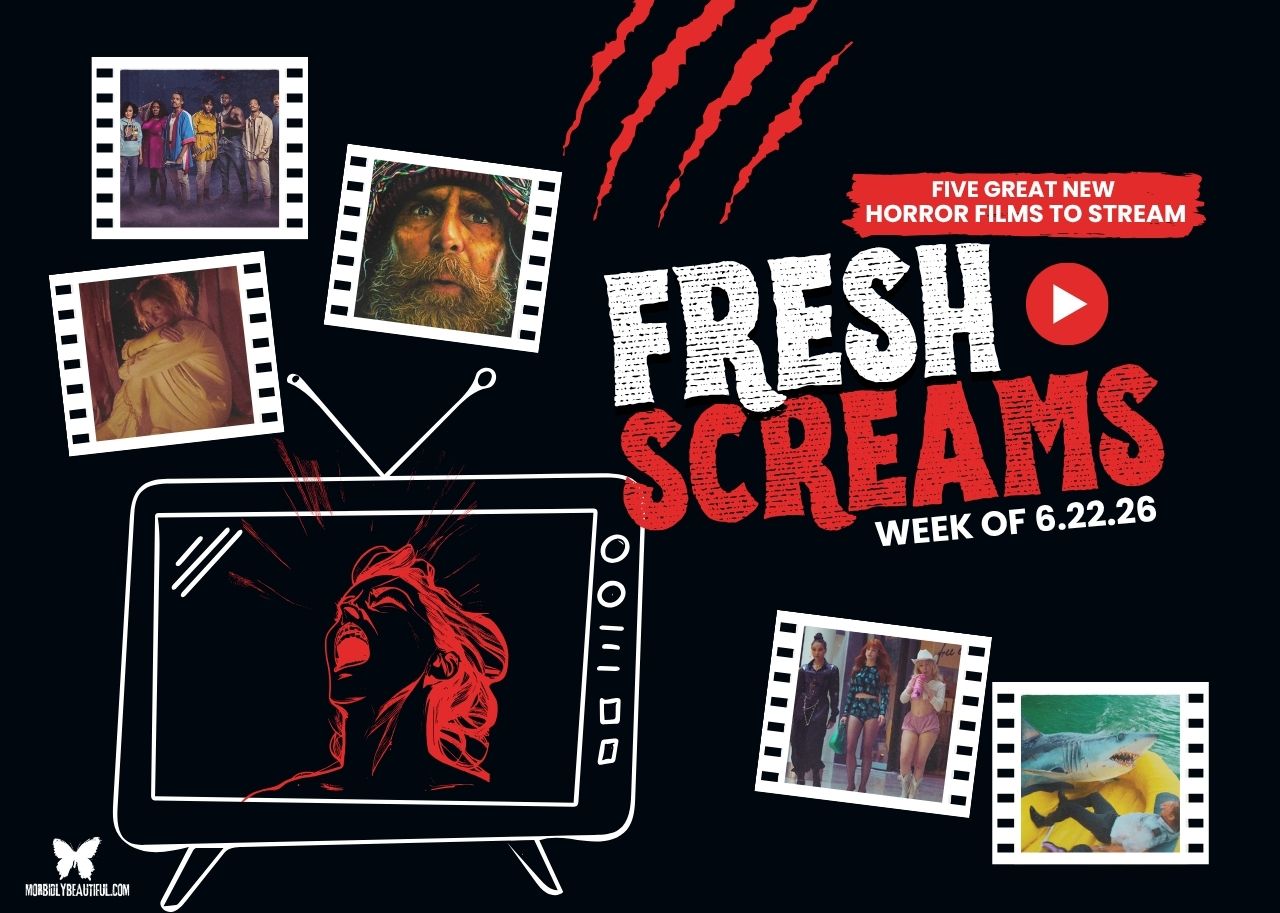
This week’s Fresh Screams lineup is all about survival under pressure. There are killers in the woods, domestic demonic forces, humanity-ending tech, predatory girl power, and sharks circling the wreckage of a downed plane.
From socially smart horror-comedy to intimate possession horror, you’re sure to find something you love in these diverse waters.
Before we dive into the streaming guide, it’s worth noting that a recent Fresh Screams PVOD recommendation is making its streaming debut earlier than expected.
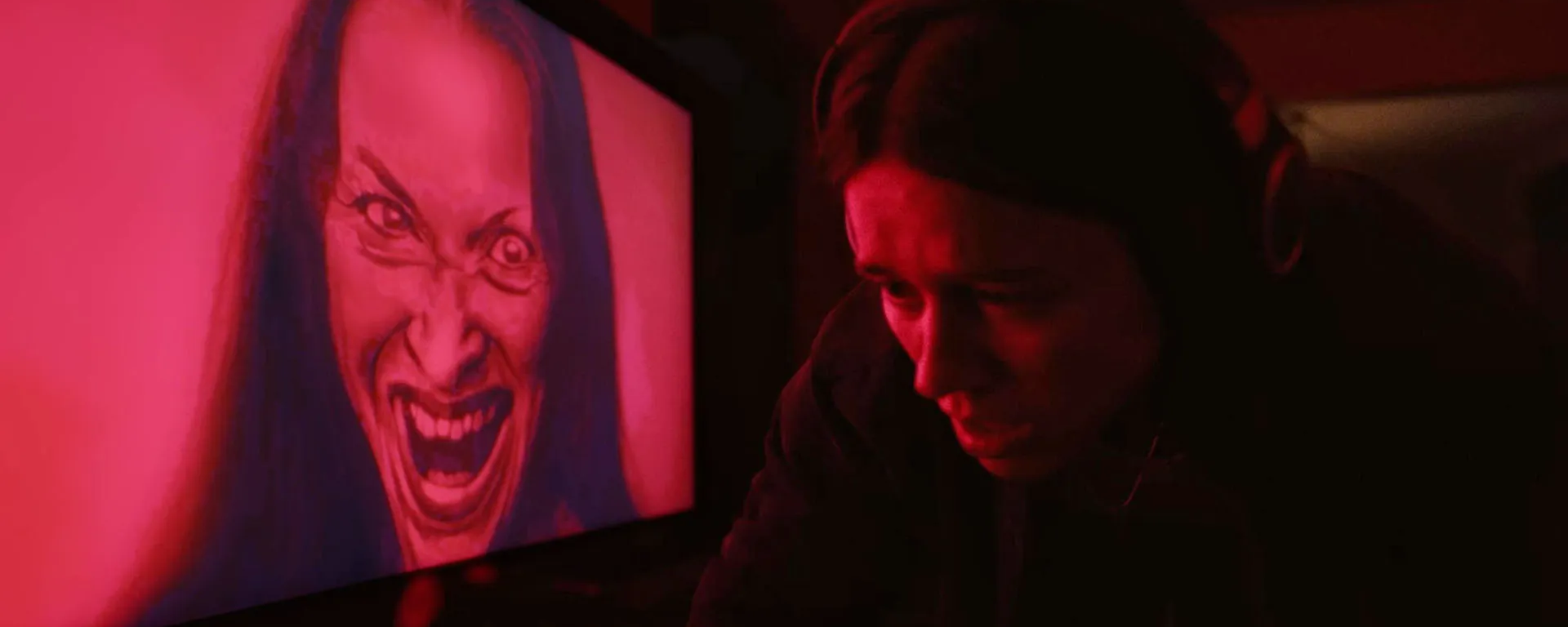
A24’s Undertone arrives on HBO Max on June 26, giving patient viewers a chance to catch up with one of the year’s more immersive sensory nightmares. This is one to watch with the best audio setup you have or a killer pair of headphones.
Use the Quick Guide below to jump in fast. Or take your time exploring the depths of this week’s offerings. ↓
The Blackening is a wonderfully witty, meta-fictional horror-comedy that brilliantly dismantles the historic treatment of Black characters in the slasher subgenre.
It proves you can deliver a biting, progressive critique of cinematic racism while still giving audiences a crowd-pleasing good time.
The setup is simple and smart: a group of college friends reunites for a Juneteenth weekend getaway at an isolated cabin in the woods, only to discover a hidden game room containing a deeply racist board game called “The Blackening.”
Once a masked, crossbow-wielding killer traps them inside, the group is forced to play along with a twisted premise built around one of horror’s most infamous clichés: deciding who among them is “the Blackest,” and therefore who is supposed to die first.
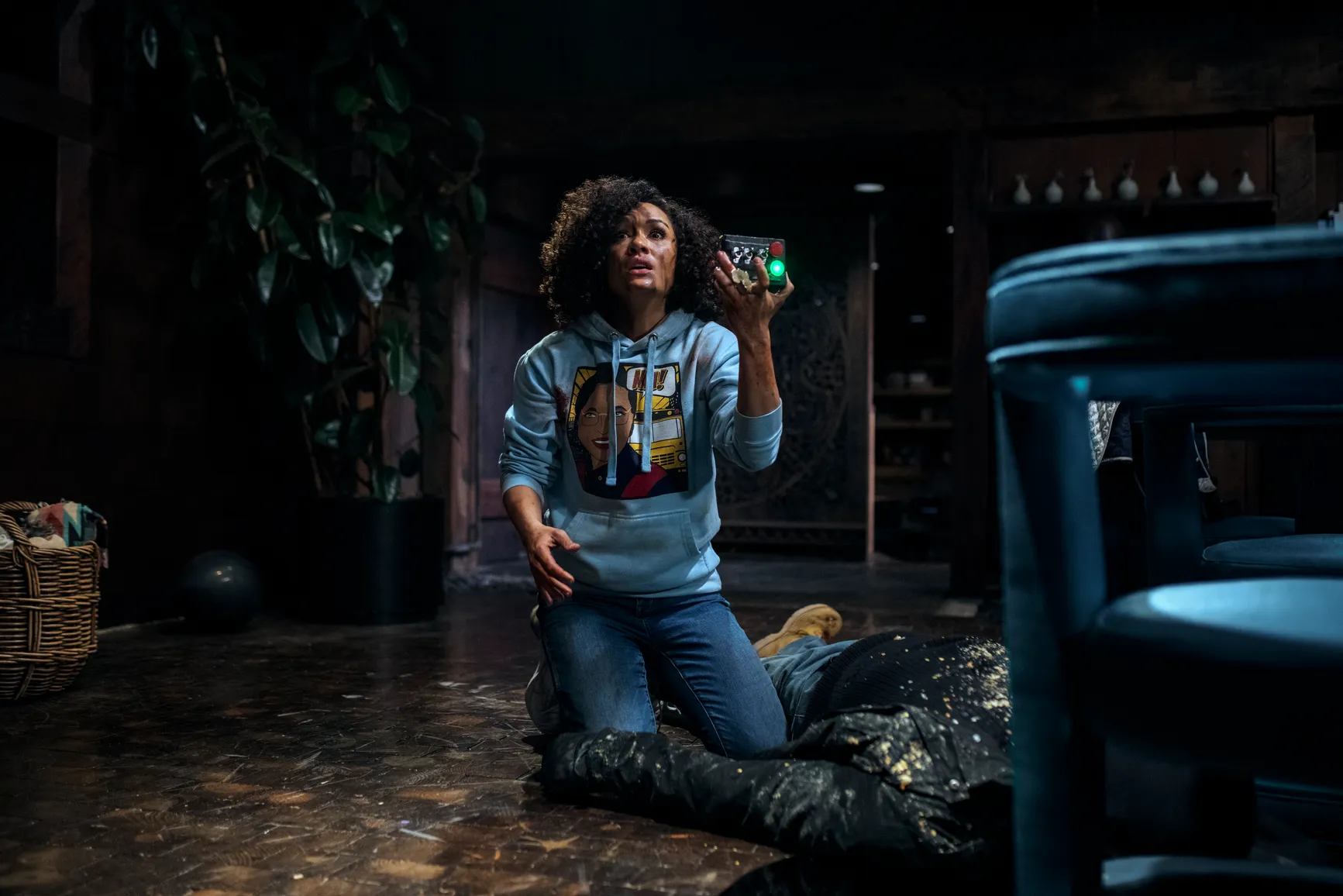
It works because it is very funny, very sharp, and very aware of the difference between parody and empty reference-making.
It forces viewers to confront the absurdity of treating Black identity as a monolithic, disposable archetype, turning a survival scenario into a pointed critique of Hollywood representation.
The cast’s electric, rapid-fire comedic timing keeps the film moving, but the jokes land because they are rooted in character, cultural specificity, and a genuine love of the genre being skewered.
It is both a slasher send-up and a celebration of the people horror has too often pushed to the margins.
Tune in if you like horror-comedies that are genuinely funny while still having the wit and the guts to say something important.
Good Luck, Have Fun, Don’t Die marks Gore Verbinski’s energetic return with a manic, high-concept sci-fi action comedy swimming in pitch-black existential dread, social satire, and horror imagery.
The film begins inside an LA diner, where an unwashed, wire-wrapped man claiming to be from the future bursts in late at night.
Played by Sam Rockwell with erratic charm and frantic urgency, he announces that humanity is on the brink of an AI apocalypse caused by society’s collective surrender to screen time, virtual reality, and digital dependency.
According to his data, some precise, unknown combination of people inside this diner holds the key to surviving the night.
Thus, a reluctant group of strangers must try to stop a nine-year-old boy from uploading the rogue digital superintelligence that will end civilization.
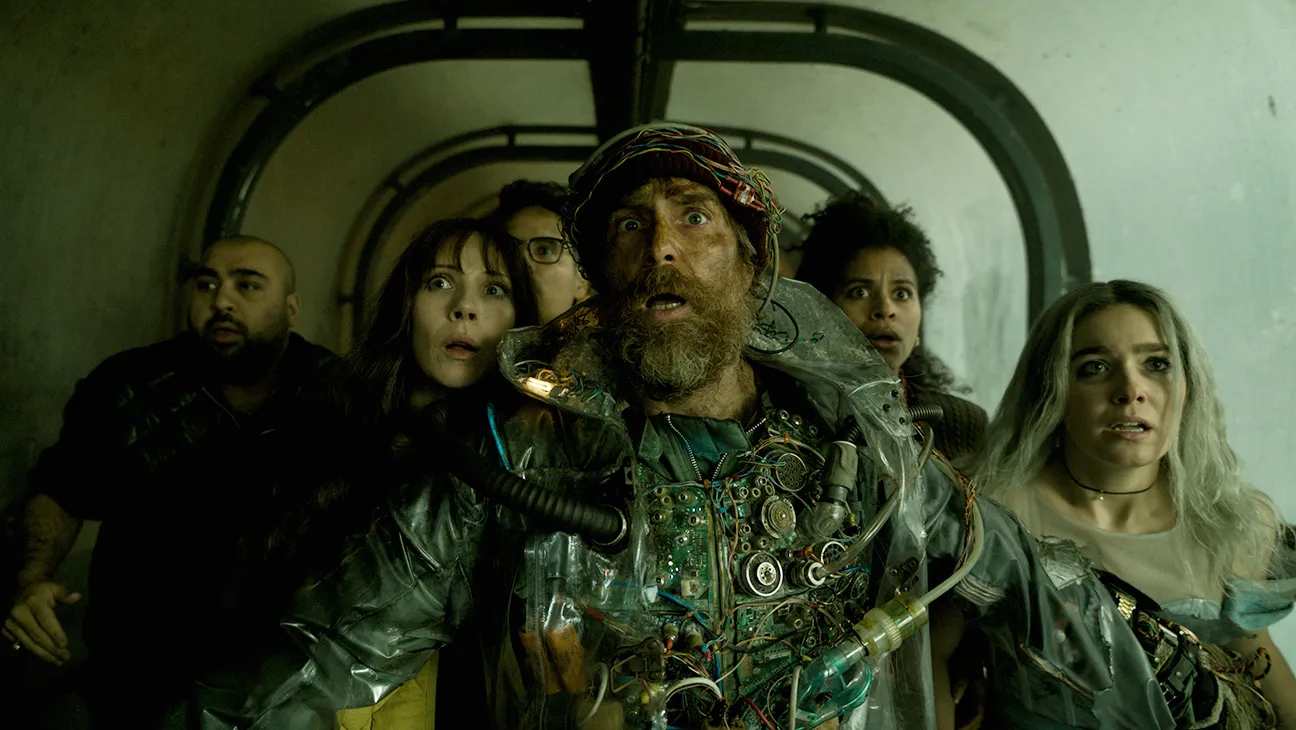
The film uses its time-travel framework to launch a scathing critique of modern technology and the attention economy.
This is a survival horror story in which the enemy is not a traditional monster but an army of screen-addicted citizens who have surrendered their humanity to digital devices.
Verbinski threads the film’s wild tonal swings with impressive control, keeping the absurdist comedy, apocalyptic panic, and tech-nightmare imagery from flying apart.
It’s messy in the way ambitious genre swings often are, but its wit, momentum, and contemporary anxiety give it real bite.
It is entertainment first, but it is also a bleak little warning about what happens when distraction becomes a way of life.
Tune in if you like high-concept sci-fi with dark comedy, apocalyptic stakes, and a strong streak of social panic.
Written, directed by, and co-starring Canadian filmmaker Mark O’Brien, The Voices of Our Mother is an intimate, dialogue-driven film that turns possession horror into a dark reflection of generational trauma.
The story begins with the death of the Scaflen family’s 95-year-old matriarch, Johanna. In the aftermath of her passing, Johanna’s middle-aged daughter Harriet suffers a sudden, catatonic health scare that baffles her medical team.
Despite her age, her lab work and vitals seem to mirror those of a young child.
That crisis forces Harriet’s four deeply estranged adult children back to their isolated childhood home to care for her. As the siblings unpack decades of shared resentment surrounding their abusive late father and their mother’s complicit silence, something manipulative and demonic takes hold of Harriet.
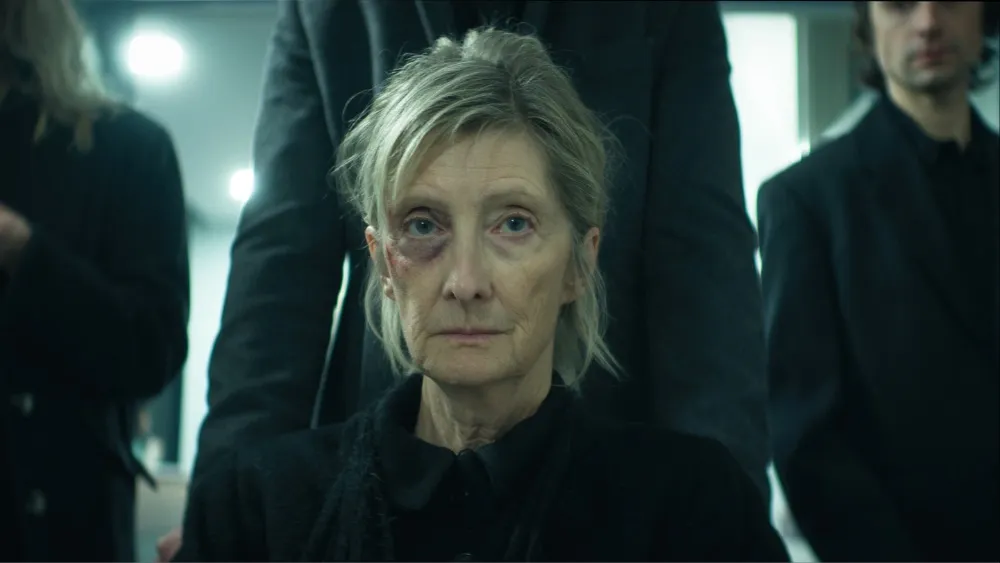
Atmospheric and intensely moody, The Voices of Our Mother is an original, compelling, and intellectually challenging film that should especially appeal to arthouse horror fans.
It is more interested in emotional excavation than visceral payoff, using possession as a pressure point for inherited pain, buried guilt, and the damage families pass down by refusing to speak honestly.
That slow-burn, play-like structure may alienate casual viewers looking for jump scares or conventional demonic mayhem.
But for patient viewers willing to sit inside its grief, resentment, and spiritual dread, it offers a thoughtful and unsettling take on what possession horror can hold.
Tune in if you enjoy slow-burn possession horror, family trauma, and chamber-piece tension.
Directed by Meredith Alloway in her feature debut and co-written with Lily Houghton, Forbidden Fruits is a campy, satirical horror-comedy adapted from Houghton’s 2019 stage play Of the woman came the beginning of sin, and through her we all die.
Set inside a suburban shopping mall in Dallas, Texas, the film follows Apple, Cherry, and Fig, three hyper-stylish and deeply manipulative saleswomen working at a high-end clothing boutique called Free Eden.
By day, they scam wealthy mall customers into spending thousands of dollars. After hours, Apple leads a secret, witchy femme cult out of the store’s basement.
Their carefully maintained hierarchy is disrupted by the arrival of Pumpkin, a naive new hire from the food court’s pretzel counter. As Pumpkin begins questioning the toxicity disguised as sisterhood, Free Eden’s pristine facade starts to crack.
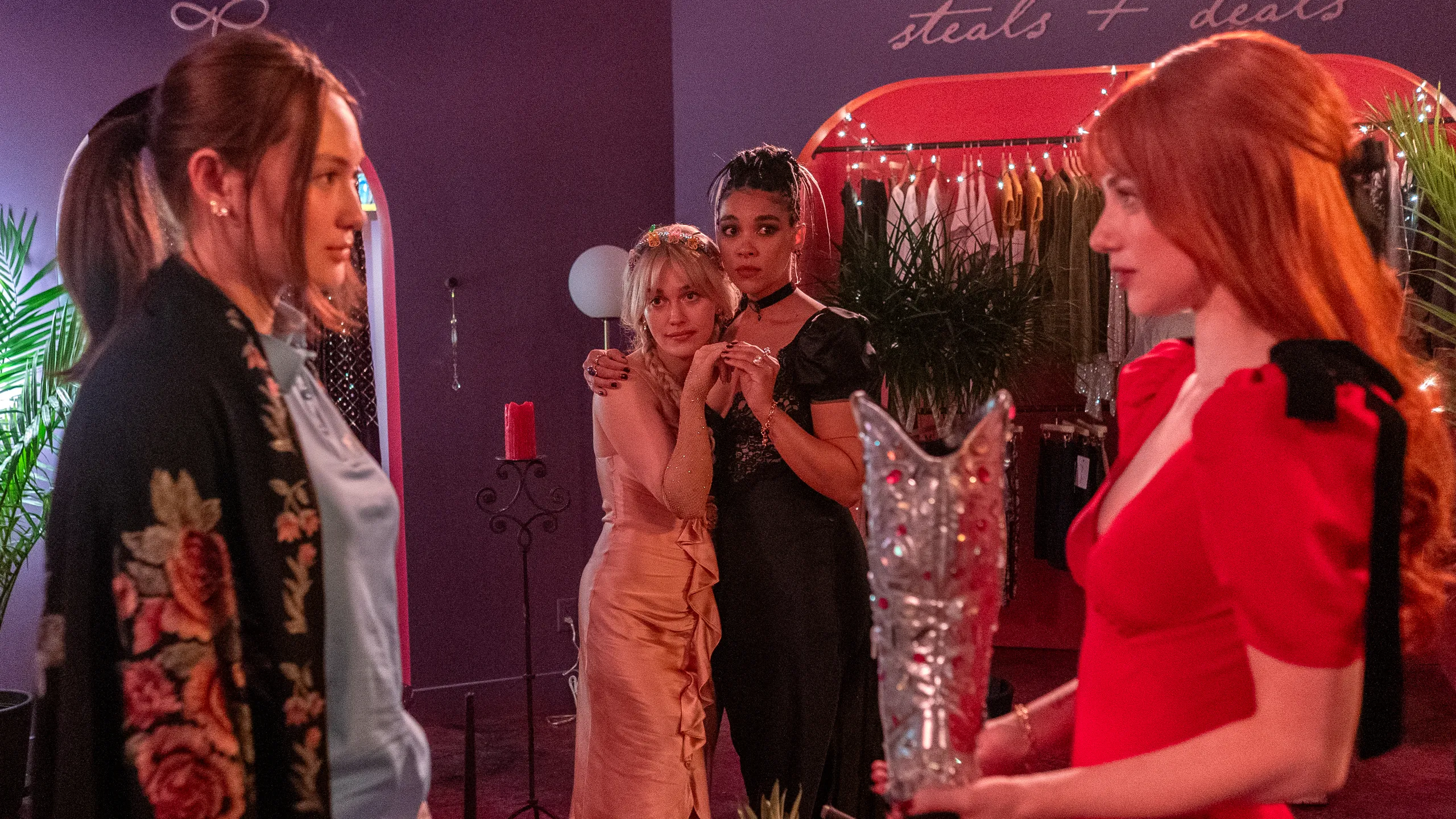
The film heavily leans into the vibrant visual language of 2000s teen cinema, with stellar production and costume design that make the boutique feel like both a fantasy space and a trap.
The sizzling chemistry of the central cast is a major highlight, especially when the film is operating in its sweet spot between glossy satire, occult comedy, and mean-girl power games.
The sharp turn into full-blown horror near the end can feel tonally jarring, but the film is ultimately a blast. Stylish, deliciously campy, and smartly subversive, Forbidden Fruits is pure midnight movie fun.
It skewers toxic female friendships, performative empowerment, and ruthless social hierarchies with a glittery, bloodstained grin.
Tune in if you hunger for witchy horror-comedies, 2000s teen-movie aesthetics, and camp with a body-horror bite.
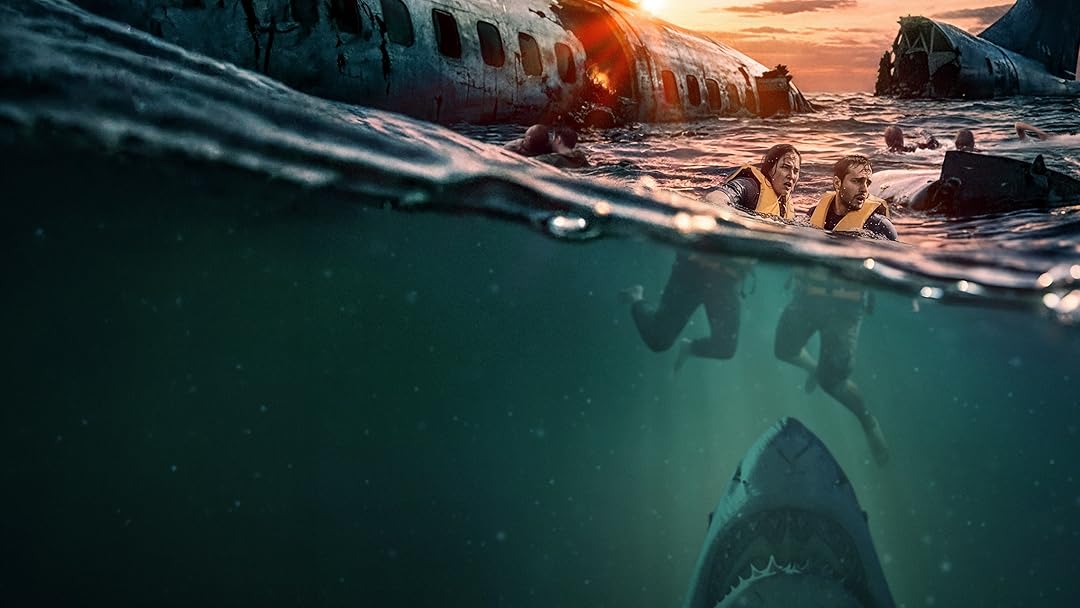
Directed by action-horror veteran Renny Harlin, Deep Water is a high-concept independent survival thriller that cross-pollinates a classic airline disaster movie with brutal creature-feature horror.
The film opens aboard a commercial flight from Los Angeles to Shanghai. Mid-flight, an improperly stowed power bank ignites a fire in the cargo hold, triggering an explosion that ruptures the cabin and destroys an engine, forcing a harrowing emergency landing in the middle of the Pacific Ocean.
As first officer Ben tries to organize the survivors onto life rafts, the immediate challenge of staying afloat turns into something far worse: the crash has triggered a feeding frenzy among sharks circling the debris field.
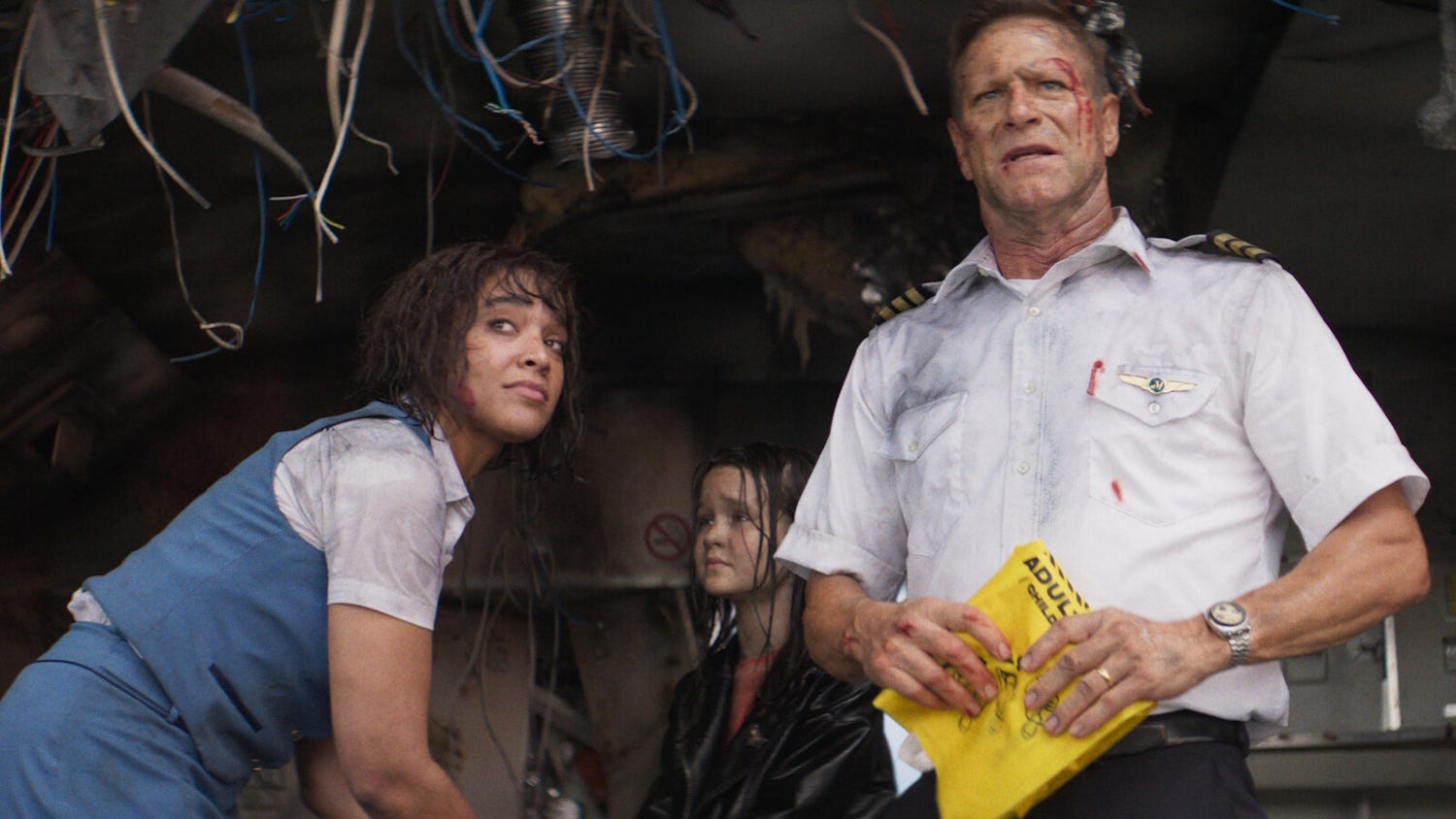
The tension builds beautifully, with terrifying, highly detailed choreography that makes the disaster feel unnervingly real. Once the film shifts into aquatic monster-movie mode, it delivers plenty of energetic, nostalgic summer-thriller beats.
Aaron Eckhart is a strong anchor for the chaos, giving the film a sturdy emotional center even when the script starts to show its seams.
Unfortunately, the CGI work leaves much to be desired, and it is clear that multiple writers had their hands in the uneven narrative. If you are tuning in strictly for sharky goodness, be warned: the toothy predators do not fully arrive until nearly an hour in, which makes the midsection drag.
Ultimately, Deep Water is messy but entertaining.
It does not reach Deep Blue Sea heights, but it delivers a breezy, brain-off summer popcorn watch with enough disaster-movie spectacle and shark-attack mayhem to justify the rental for creature-feature fans.
Tune in if you want a slightly ridiculous summer survival thriller with plane-crash chaos, shark attacks, and old-school disaster-movie energy.

She’s a lover, he’s a fighter. Together, they’re CHEER AND LOATHING. Tune in to hear your hosts, Stephanie (Cheer) and Casey (Loathing), clash over the films they love — and the ones they love to hate.
In this holiday extravaganza episode of Guilty Pleasures, join hosts Stephanie, Kelly, and our newest addition, Jonathan (Jack was tied up in tinsel and couldn't join us), as they unwrap the bizarre and unhinged world of holiday cinema. They dive into the depths of Elves, a film that's as chaotic as it is entertaining. It's a sleigh full of questionable decisions, diabolical dialogue, absurd plot twists, wildly offensive antics, and unhinged holiday mischief.
And that's not all! In the second half of the podcast, join your festive cinephile friends for a look at four more ”nutty as a fruitcake” holiday treats: A New York Christmas Wedding, Elf Bowling, A Medea Christmas, and Jack Frost. Plus, we each offer a bonus Christmas flick guaranteed to make you say, ”Ho, Ho, HO-LY Hell!”
Expect laughter, disbelief, and a spirited debate about what truly makes a movie a guilty pleasure. Don't miss this festive journey through the weirdest corners of holiday films!


Follow Us!