

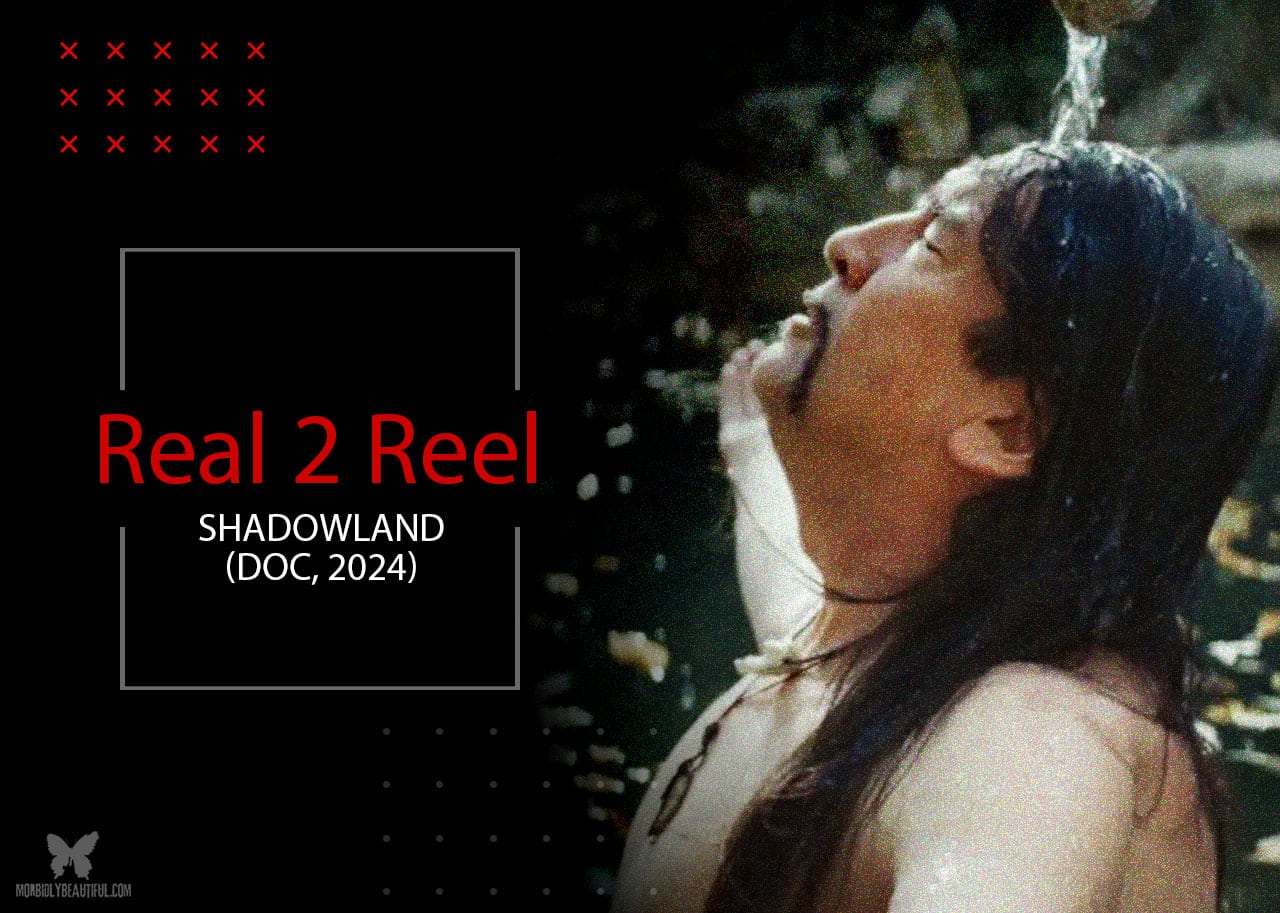
“Shadowland” is a haunting journey into the heart of darkness that masquerades as enlightenment — a chilling exposé of a false prophet.
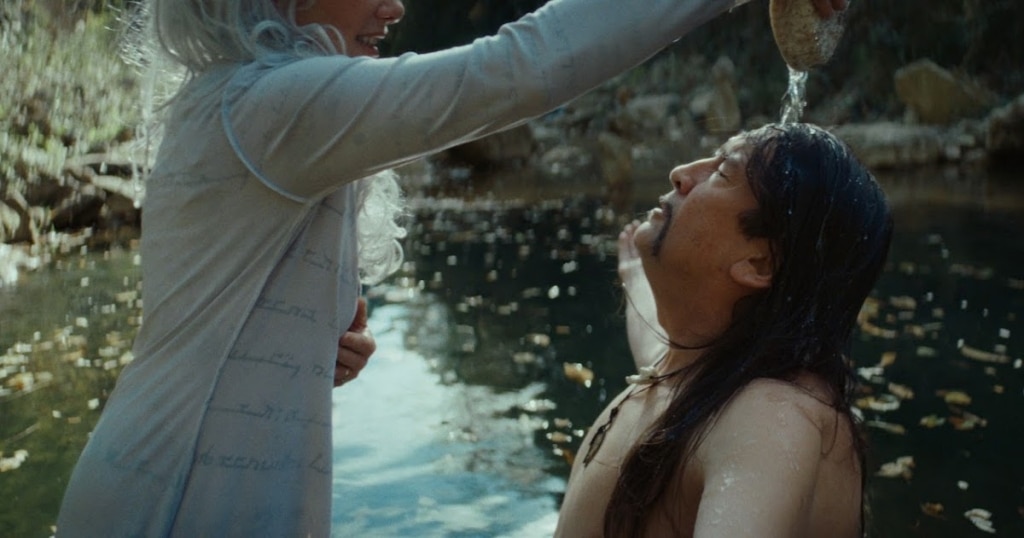
To say that the new documentary from director Otso Tiainen (written by Tiainen and Kalle Kinnunen), Shadowland, took me to places I was woefully unprepared for would be a monumental understatement.
Though the filmmakers set out to make a film about hope, faith, and personal reinvention, they ended up making something far darker and more profound.
It began as an earnest exploration of the stunning landscape of Montségur, in an area known as “The Zone,” and the esoteric and occult religious community that believes it to be a spiritual place between worlds.
But a story about a community became a story about one man — a man eager to center himself in the story and use belief for his personal benefit.
That man is cinematic folk hero Richard Stanley.
Shadowland begins by immersing us in atmospheric world-building — seducing us with tales of a mysterious place that can heal our wounds, make us better people, and make the world a better place. It’s a romantic idea centered around second chances, new beginnings, and profound meaning outside of the toxic rat race and our day-to-day struggles. It’s a mecca for broken people looking for redemption and renewal.
Nestled between France and Spain and the ancient Basque country, “The Zone” is a forgotten world where the last of the Cathars fled centuries ago before they were massacred for their perceived heresy.
The film begins by exploring those drawn to the area, seeking hope and cosmic enlightenment.

There’s Uranie, a former electrician turned white magician. There’s Iranon, a chaos magician who believes in the power of the natural world. And there’s Anaiya, the high priestess — a former London fashion designer who reinvented herself as a yoga practitioner but fled after being abused by her guru.
Anaiya came to the area to pursue the teachings of Mary Magdalene. She now spends her time helping other women embrace their feminine power and heal from their wounds and trauma (often at the hands of men).
There is also Stanley, who will quickly become the epicenter of the film.
In an early scene, Stanley talks about an encounter with a ghost, the White Lady of local legend, which causes him to reinvent himself as a spiritual leader—a chosen one.
We then witness as Stanley prepares for yet another reinvention, from reclusive spiritualist to returning cinematic hero, as he makes his triumphant return to filmmaking with the well-received The Color Out Of Space in 2019.
Interestingly, a film about personal transformation itself transformed into something far different than intended.
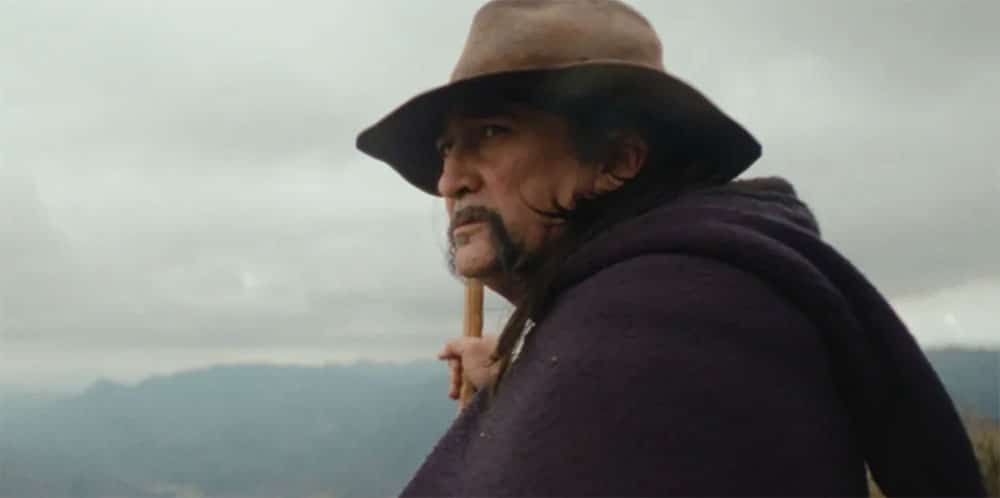
What began as a “fun-filled trip to the south of France” became an arduous eight-year journey that would become an exploration of manipulation, exploitation, and false prophets.
During the crew’s first shooting trip, allegations were posted in a blog written by Scarlett Amaris, Stanley’s former partner (co-writer of The Color Out of Space), accusing him of domestic violence, assault, and battery — allegations which he strongly refuted, citing a court case in France that he says supports his version of events.
The filmmakers, to their credit, pivot to confront this ugliness head-on.
What follows is a masterclass in journalistic documentary-making, as the team spends years unraveling Stanley’s carefully constructed mythology. The film gives Stanley ample opportunity to defend himself, but his responses – ranging from conspiracy theories to accusations of a “witch hunt conducted by witches” – are damning.
Interviews with Stanley’s accusers, including Amaris, paint a disturbing picture of manipulation and violence.
Perhaps the most devastating moment comes when Anaiya Sophia, who had embraced Stanley as a spiritual brother, is confronted with the allegations. Her realization that she recognizes the patterns of abuse from her own past is heartbreaking and serves as a powerful indictment of how charismatic figures can exploit spiritual communities.
Shadowland is a complex, layered documentary that defies easy categorization.
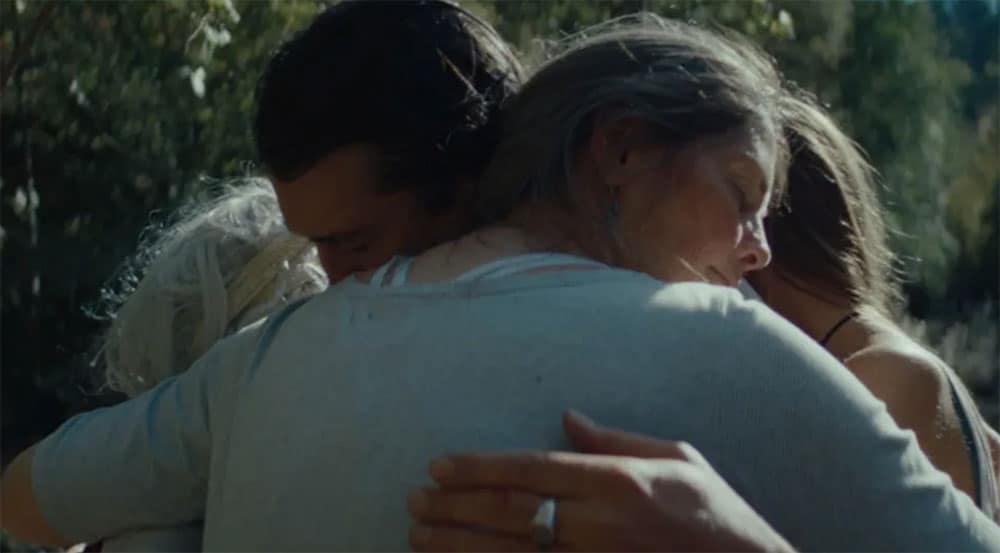
It’s at once a meditation on spirituality, a character study of a fallen idol, and a sobering look at the insidious nature of abuse. In an era where the line between guru and charlatan often blurs, Tiainen’s film serves as a crucial cautionary tale.
While the film’s unexpected (and unplanned) shift in focus from spiritual exploration to abuse allegations might feel jarring to some viewers, it’s this very pivot that elevates Shadowland from interesting to essential viewing.
It stands as a powerful reminder that sometimes the most profound darkness lurks in places that promise the greatest light.
This is not an easy film to watch, especially for fans (like myself) of Stanley’s work, but it’s an important one.
Shadowland reminds us that true enlightenment often comes not from following false prophets but from having the courage to see through their illusions and confront the harsh light of truth.
Overall Rating (Out of 5 Butterflies): 5
SHADOWLAND made its World Premiere at Beyond Fest 2024, where it was screened for this review.








Follow Us!