


A haunting meditation on regret and the rocky road to redemption, “Dying to Sleep” is a character-driven thriller wading into deep waters.
No time to read? Click the button below to listen to this post.
Dying to Sleep isn’t exactly a horror film, at least not in the way most horror fans expect. There is little in the way of genuine frights or visceral shocks. Yet, it is a haunting dramatic thriller about familial strains, mental health, identity, depression, guilt, and the path to healing.
We begin with a clever subversion before arriving at Mary’s (Sarah Lydia Sophia) birthday party. Surrounded by her parents, her brother Joe (writer-director Paris Dylan), and a couple of friends, the film’s core themes are quickly established: belief and redemption.
Joe has too much to drink, and Mary offers to drive him home in his truck. Along the way, she sees something—or someone—jump in front of the car, slamming on the brakes. She’s convinced she hit something despite the evidence to the contrary. One year later, she’s still plagued by a traumatic incident no one is convinced happened.
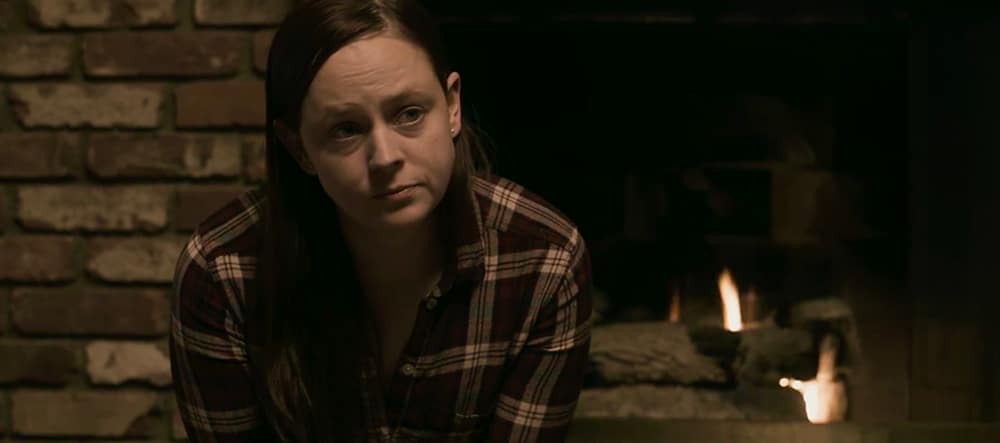
Plagued by night terrors, she can’t sleep, and she keeps having vivid nightmares of dead people coming back to life and a repeat waking vision of a teen boy in a hoodie who seems to be terrorizing her. She refuses to drive anymore, is withdrawn from her friends and family, and has just lost her job at a coffee shop due to being repeatedly late and absent-minded.
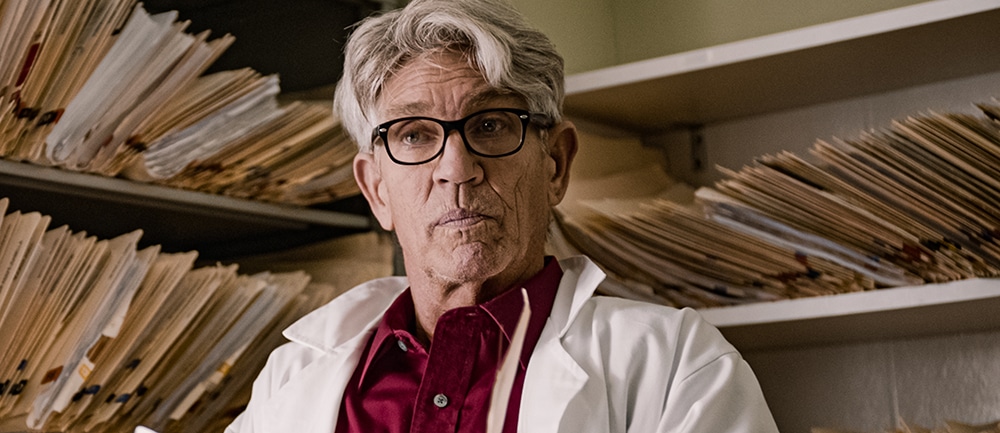
To make matters worse, her parents’ marriage is falling apart, the doctor she’s seeing (Eric Roberts) has her on a haze-inducing cocktail of drugs that don’t seem to be helping, and no one believes what she’s seeing is real.
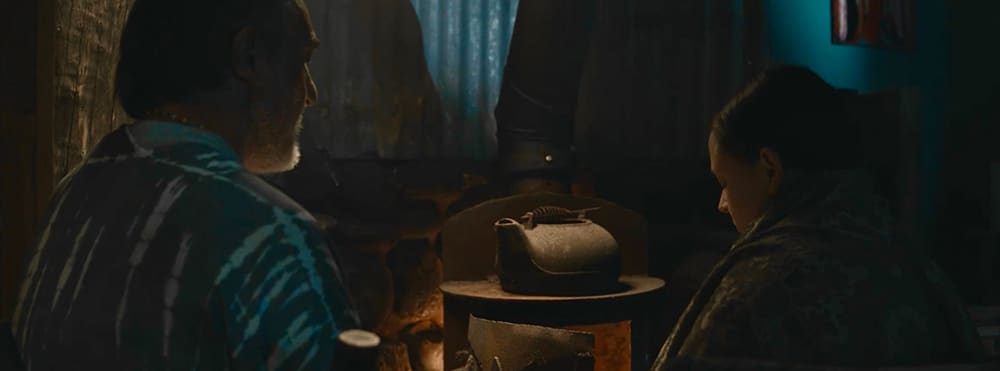
In an act of desperation, she seeks out a reclusive alternative medicine practitioner (Dar Dixon). With his help, she starts to face her trauma and get to the root of what’s been haunting her.
The first half of the film is an atmospheric, methodically paced allegory about the weight of depression and its effect on both the sufferer and their loved ones.
It explores the pain of feeling lost and helpless while struggling with a lack of understanding from friends and family and guilt over being a burden.
In addition, the film addresses issues of modern medicine’s tendency to pump patients full of meds with little regard to diagnosing and resolving the actual problem. It also speaks to the intersection of gender and mental health that has been fraught with injustice, ignorance, and a pervasive dismissal of women’s experiences. From the pseudoscientific diagnosis of “hysteria” to the modern-day realities of medical gaslighting, women have borne the brunt of systemic failures in healthcare, often with devastating consequences.
The second half explores the challenging dynamics between parent and child, the crippling weight of regret, and the struggle for acceptance—especially for young LGBTQ teens.
Now, if all that sounds like a lot to unpack, it is. This is an introspective, thought-provoking film about some big issues.
The script, written by Dylan and Patch Moore, delivers a decent amount of suspense—effectively drawing viewers into a creeping mystery. Yet, it eagerly sacrifices its potential spookiness at the altar of thematic exploration. Dylan repeatedly creates tension-filled moments, playing on the viewer’s expectations for thrills and jolts, only to veer sharply into sentimental character drama.
For the most part, however, the dramatic tension works.
The performances, especially from Sophia as the tormented Mary, are mostly convincing and add emotional depth.
The themes of regret and redemption should resonate with those battling similar inner demons—whether it’s family struggles, mental health issues, or feeling haunted by past mistakes.
Dying to Sleep looks and sounds great, avoiding many issues plaguing low-budget films. The pacing isn’t perfect, but it kept me invested and eager for answers.
I’m not the biggest fan of the heavy-handed religious subtext, but that will be less problematic for many viewers. It does require you to pay attention, and you’ll need to be ready for far more drama than dread.
If you’re game, however, you may appreciate the depth and resonant humanity of the well-made Dying to Sleep.
Overall Rating (Out of 5 Butterflies): 3
Watch DYING TO SLEEP now on Tubi.







Follow Us!