

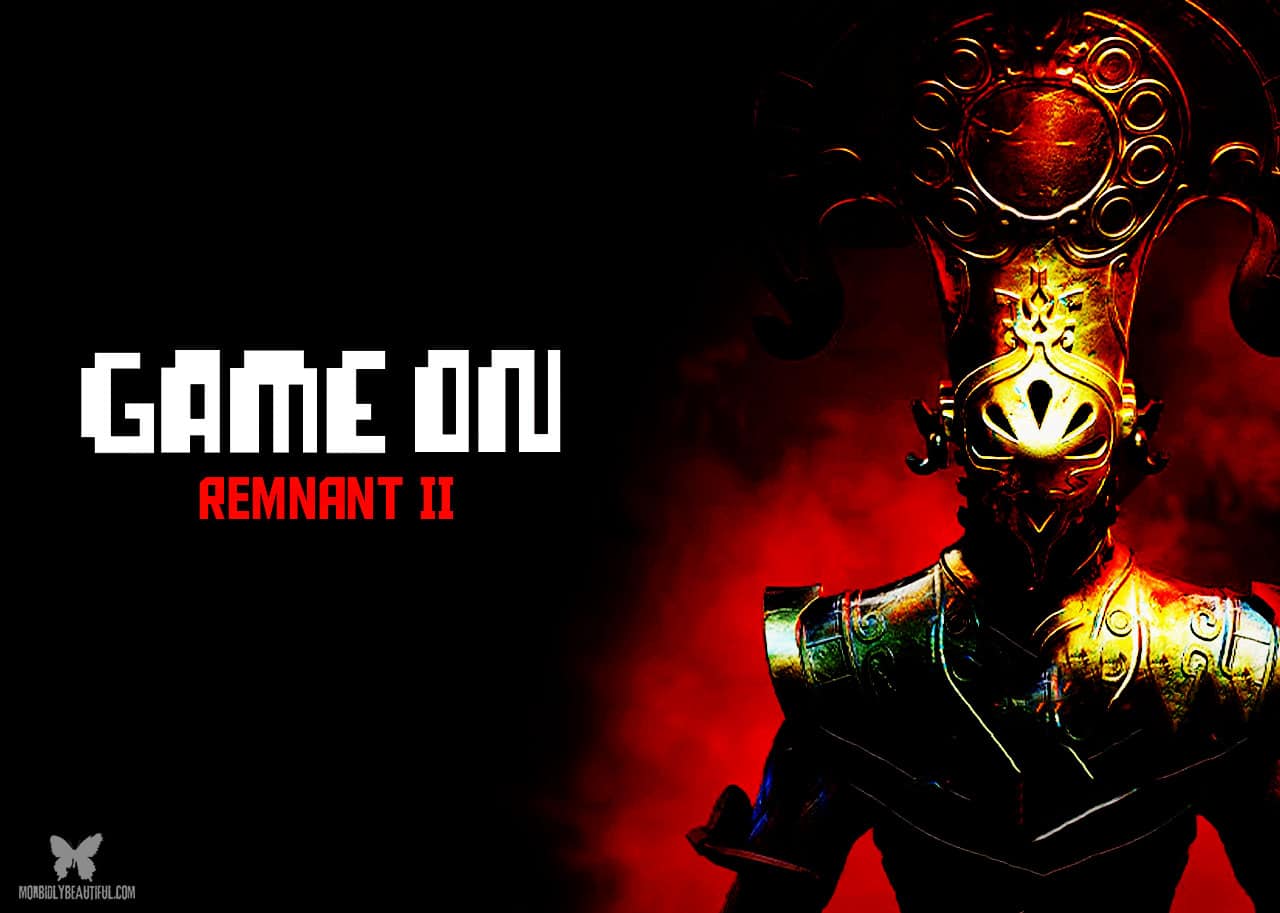
“Remnant II” is a dark and twisted action/adventure experience unlike any other that, despite some minor flaws, receives our highest marks.
No time to read? Click the button below to listen to this post.
Like basically any other entertainment medium, today’s gaming landscape is littered with buzzwords and bywords, taglines and tags, each designed to maximize a potential consumer’s awareness while using the fewest syllables possible: Metroidvania, shmup, looter-shooter, JRPG, RTS, and so many others. Honestly, I typically disdain to filter someone’s creation down to a single, clickbaity moniker.
Is The Shining simply a horror movie? Is Metallica’s “…And Justice for All” only a metal album? Is James Clavell’s Shogun merely a historical fiction novel? The correct answer to all of those questions, ladies and gentlemen, is an emphatic “no.”
Alas, such are the times we live in. When in Rome, and all that. And, so, since we’re doing as the Romans do, allow me to throw out another genre qualifier:
Soulslike.
If you’re a gamer, those two words will either repulse you or excite you; there’s not a lot of middle ground here.
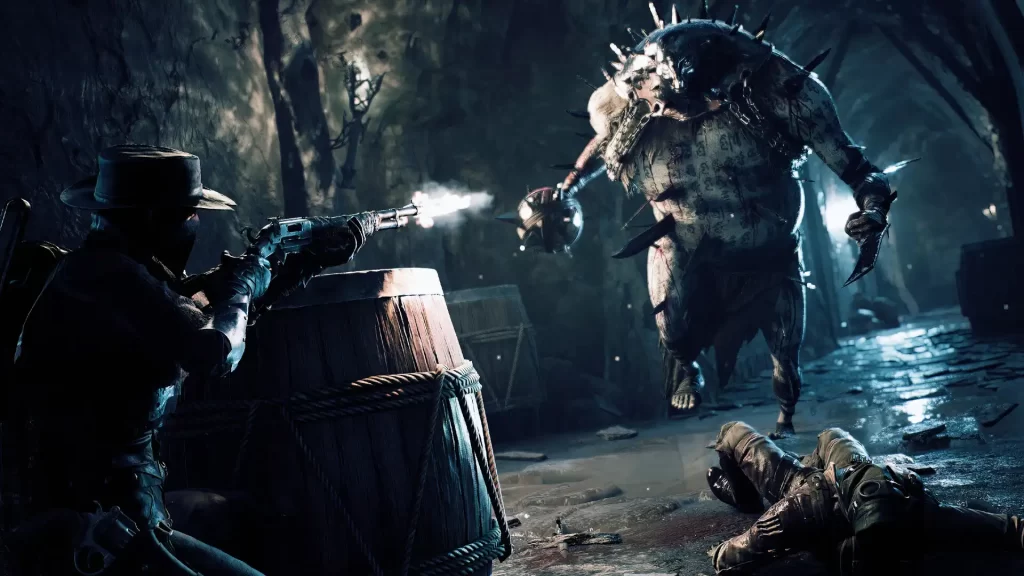
For those not in the know, Soulslike describes a very specific game design, which largely revolves around providing minimal narration alongside enigmatic exploration and punishingly difficult combat. The name derives from Dark Souls, a worldwide phenomenon that has spawned numerous sequels and a veritable slew of copycats (for better or for worse). The Soulslike genre is arguably the single most visible “type” in gaming right now.
It is also, in the interest of full disclosure, a genre I typically avoid, like the plague.
I am a casual gamer at best, without a lot of free time to devote to any particular hobby. As such, I must be selective with what I choose to spend time on. On top of all that, I am especially averse to games that punish me for being just a half-second too slow with an I-frame dodge or just a hair-off with targeting a weak spot, and so on. I simply don’t have the time to devote to mastery of exacting gameplay mechanics.
In addition, if I’m not making discernible progress, I’m not enjoying the experience.
All of which makes Remnant II that much more revelatory. Not only is it a Soulslike game that I am enjoying, but it’s one I am deliberately carving out time to play, forcing myself to become a better gamer in the process.
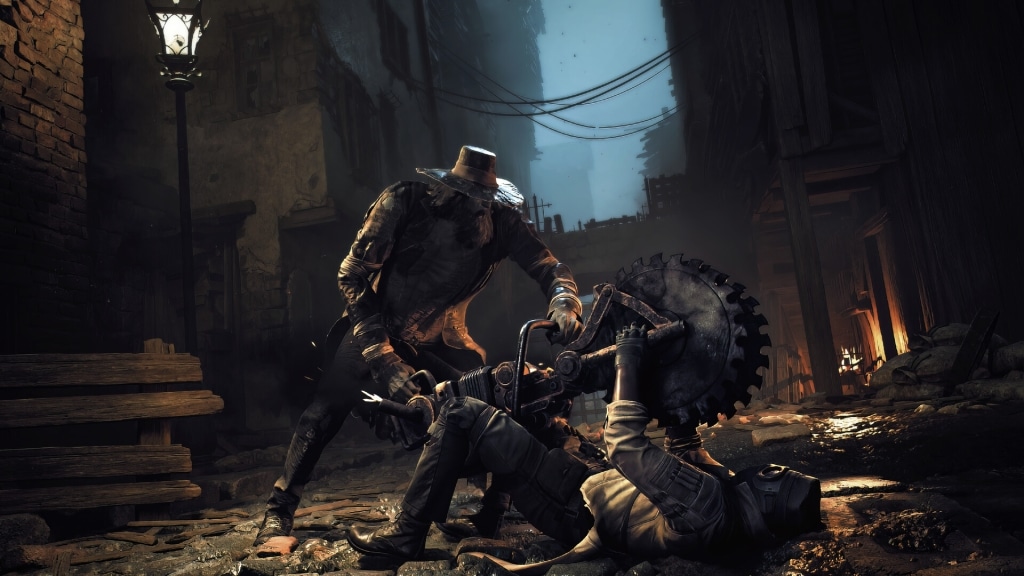
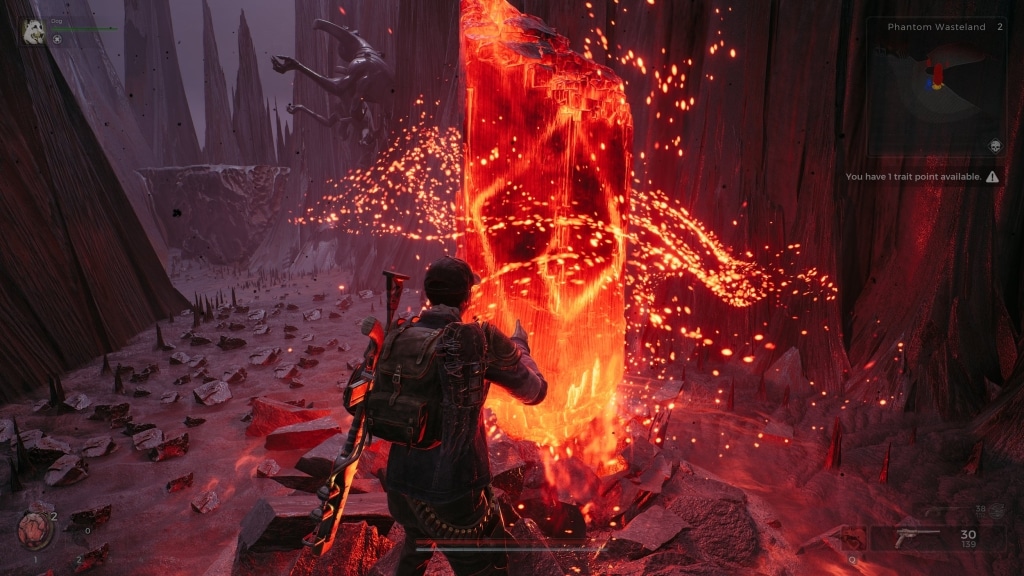
It doesn’t hurt that the game is absolutely dripping with morbidly beautiful atmosphere.
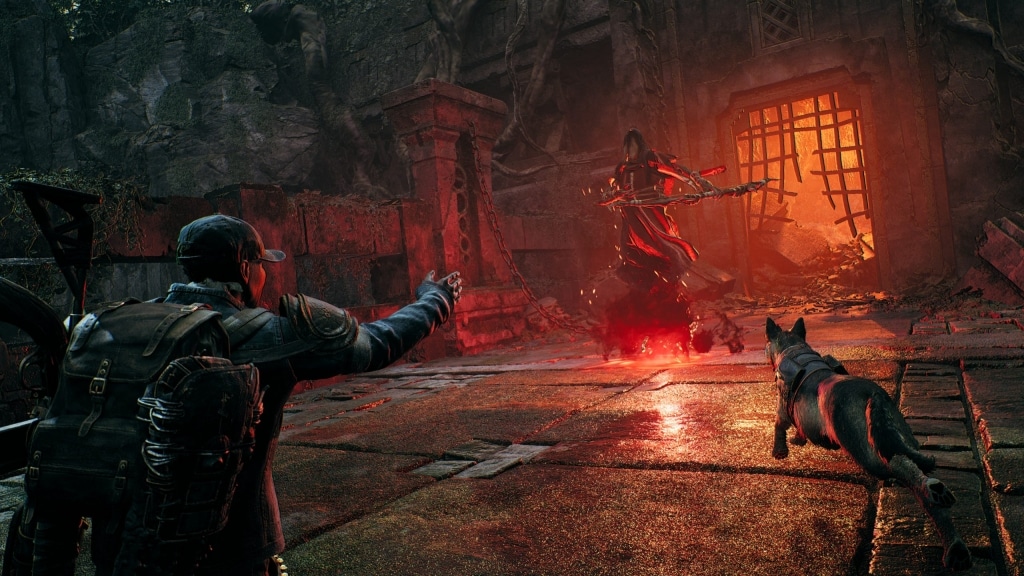
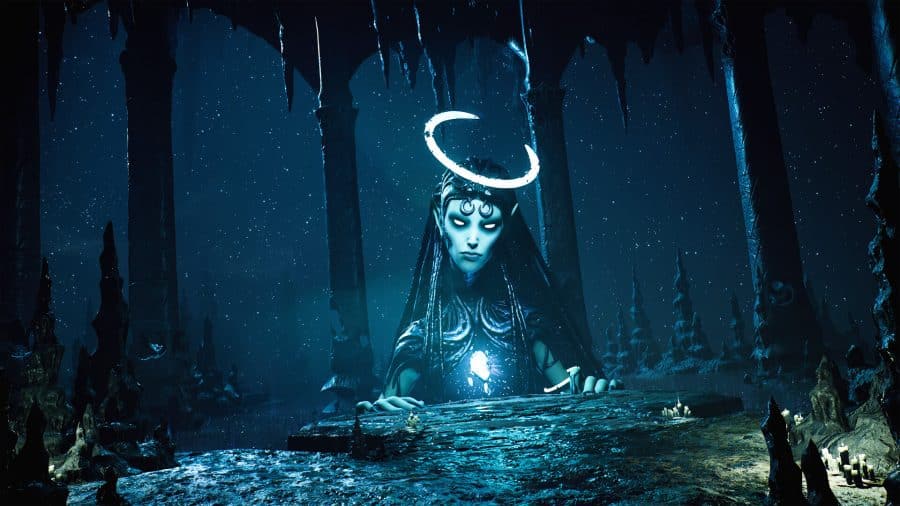
From the unsettling locations to the horrifying enemies, and between the haunting score and eerie sound design, Remnant II is just downright disturbing in the best of ways. I can’t say it’s the best-looking product on the market at the moment, but photorealism isn’t the point – immersion is – and Remnant II is as immersive as they come.
Pair this game with a fantastic surround sound system or a great set of headphones, turn down the lights, and prepare to be on edge practically the whole time.
But what truly makes Remnant II a standout game in such a crowded genre is the mashup of (seemingly) disparate gaming elements into a cohesive whole.
This results in a product that is greater than the sum of its parts.
For example, on top of the existing Soulslike elements (respawning enemies, brutal difficulty, stamina-driven dodge mechanics, min/max character crafting, etc.), Remnant II is also something of a roguelike (yay, another bespoke qualifier!), which means that level layouts, rewards, bosses, and even some basic enemies are randomized with each new run.
Two different players could start in the same world yet have completely different experiences in reaching the end. Some might fight harder trash enemies but a pushover boss, while the other might mop the floor with the grunts but have a notoriously difficult final encounter.
I’m 30+ hours in, and even as I revisit old maps, I’m facing slightly different challenges, which goes a long way in keeping the grind fresh.
But wait… there’s more!
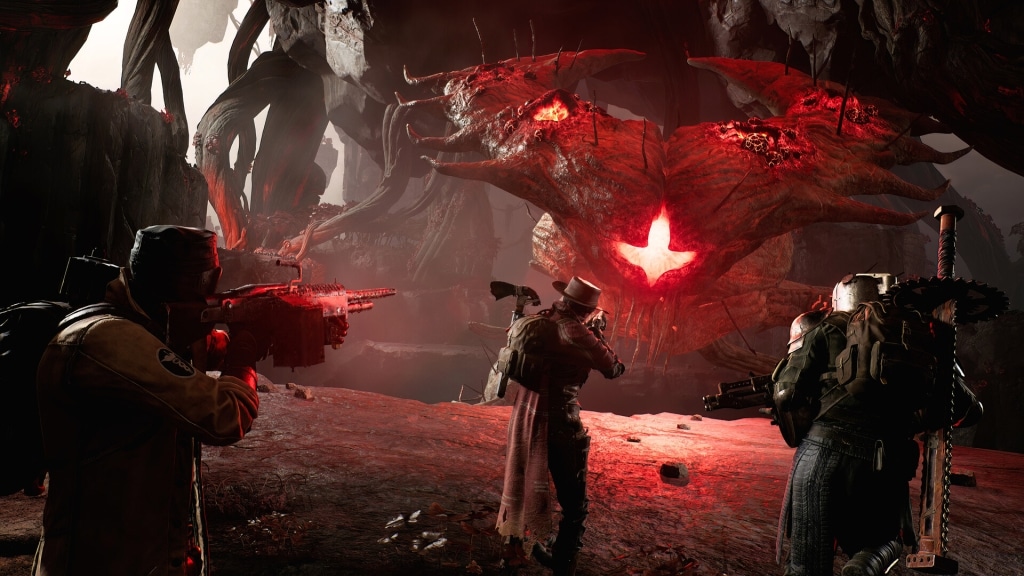
On top of those elements, Remnant II is also something of a class-driven looter-shooter, a la Borderlands or The Division 2 (though it skews more in The Division’s favor). Each character class (called archetypes here) impacts how the game is played (tank, sniper, minion summoner, buffs/debuffs, etc.), and the strengths (or weaknesses) of each archetype can be heavily impacted by the weapons, armor, and support items found in the environment and/or dropped by enemies.
Even the weapons can be modified beyond their base abilities, doubling existing damage types or adding completely new ones.
If that sounds like a lot to keep track of, you’re not wrong.
It can be a bit chaotic at first, especially while one is learning the game’s ropes and trying not to die for the nth time.
But, although the game is extremely challenging (even on the standard difficulty), in a welcome departure from its Soulslike brethren, when you die in Remnant II you don’t lose anything other than time. Sure, all of the enemies respawn (except defeated bosses), but that nifty ring you looted from one of the elite enemies is still in your possession, along with all the experience and currency you’ve acquired.
On paper, this change doesn’t sound like much, but in practice, it’s a huge boon for less skilled players like myself. It ultimately means that no matter how many times you die (and you will die, lots and lots), you never actually lose any progression.
And much like other Soulslike games, each death is a lesson.
Rarely did I feel like dying in Remant II was due to unfairness or poor game design: it was usually due to me spamming dodge at the wrong time, using an improperly tuned mixture of gear, or not being situationally aware and backing myself into a corner.
It must be stated that this is a largely firearm-driven game (though some melee builds are viable), and you’ll see a lot of descriptors out there labeling Remnant II as “Dark Souls with guns.” Which, yes, it absolutely is. But is that a recipe for success? Also yes.
The ranged combat allows for a more dynamic style of gameplay over the largely melee-focused Dark Souls games while being slightly less difficult as well.
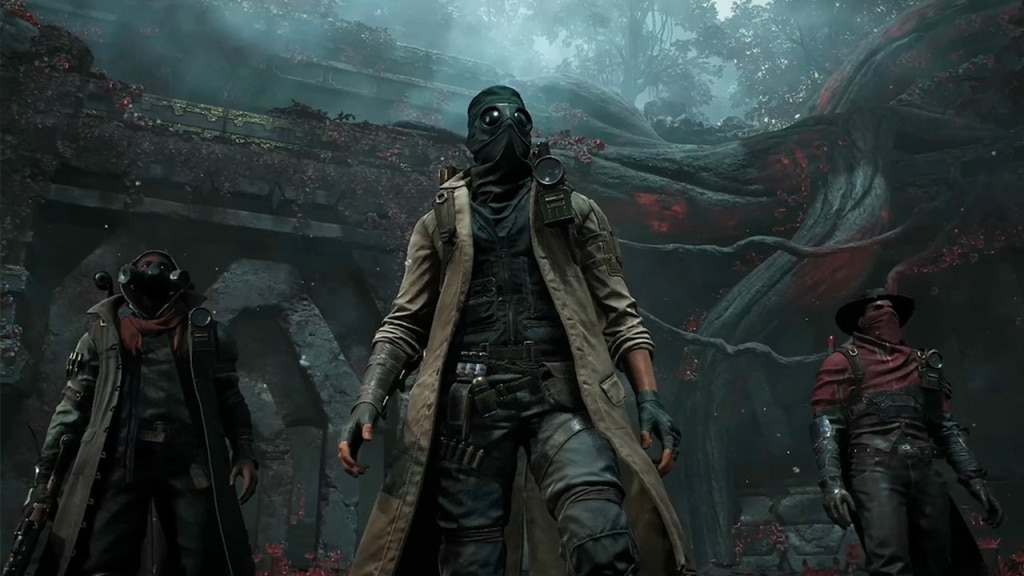
That difficulty can also be mitigated somewhat by a separate adventure path that your character can take, which procedurally generates one of the three main worlds (complete with bosses, story beats, and unique bespoke loot) outside of your main campaign progression.
These new worlds can be revisited and rerolled as often as one wishes, and all progress made in these side excursions carries over into the main story. So, if you find that certain story bosses are proving rather difficult, as I did, you can hop into a one-shot world in adventure mode, level up a bit, find some better weapons & armor, and then return to the campaign ready to steamroll the same foes who were once giving you trouble.
It’s a fantastic addition and helps reduce some of the frustration and the grind when it comes to leveling and finding unique loot.
One of the most enjoyable aspects of Remnant II is the sheer level of playstyle customization.
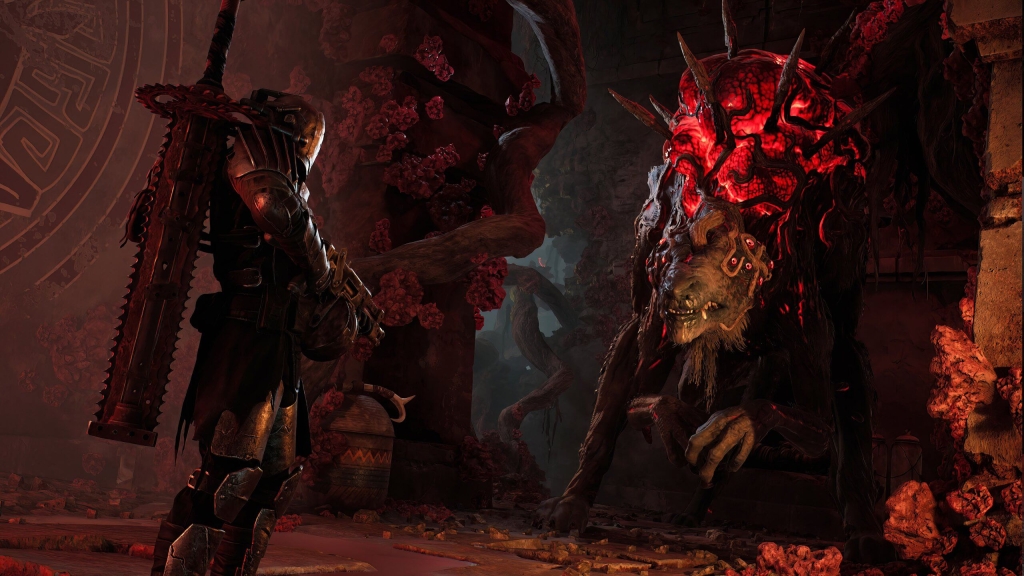
Want to be a self-healing, SMG-toting nuisance with a dog companion who distracts and damages enemies while you sneak in your own attacks? Pick the Medic and Handler archetypes. Want to be a slippery sniper who knows where enemies are at all times (even through walls) but can also deploy an automated turret to watch your back during hectic encounters? You can do that with the Hunter and Engineer archetypes.
Want to bypass difficult ranged shooting altogether and just get up close and personal with enemies, reviving from a fatal strike and using your powerful skills over and over again to pound them into submission? Good on you! Pick the Challenger and Invoker archetypes and go hog wild.
The possibilities are nearly limitless, especially when additional effects are introduced with gear loadouts and trait selections. In fact, there are almost TOO many options within the game, especially considering all of the content added across three expansions (the newest of which just dropped in September).
The good news is, however, that little to none of the advanced gameplay elements are required to enjoy the game.
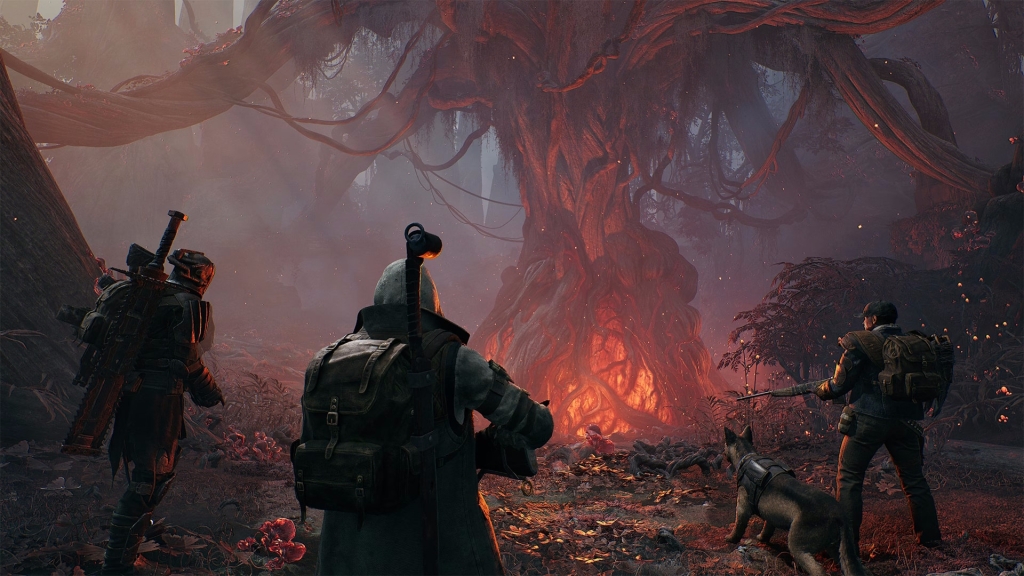
Sure, players will have to unlock certain world layouts to find the rare loot if they want to master the post-game content on higher difficulties, but if someone just wants a fun challenge without too much fuss, the base content is more than enough.
The only area where I feel Remnant II really struggles is in its storytelling. Yes, there is an overarching plot (one that’s not too bad, as far as post-apocalyptic stories go), but only portions of it are fed directly to the player. The rest is picked up tangentially through in-game lore items, discussions with NPCs, and dialogue options with boss enemies.
Such obtuse storytelling is one of the cornerstones of a soulslike game, however, so it’s more a personal preference on my part as opposed to a failure of the developers.
The roguelike nature of the game also means that some players may come across a story element that seems out of sequence, only to revisit the same world later and see something transpire that they’ve already deduced earlier. None of these story hiccups are particularly egregious, especially considering how vague the narrative can be, but they are present.
Oh, and there is ONE boss who made me want to tear my hair out, but I eventually managed to prevail due to pattern memorization and a small bit of luck. I’m not a fan of spoilers, so I’ll just say that when the big stompy cubes come out to play, you’ll know what I’m talking about.
THE NITTY GRITTY
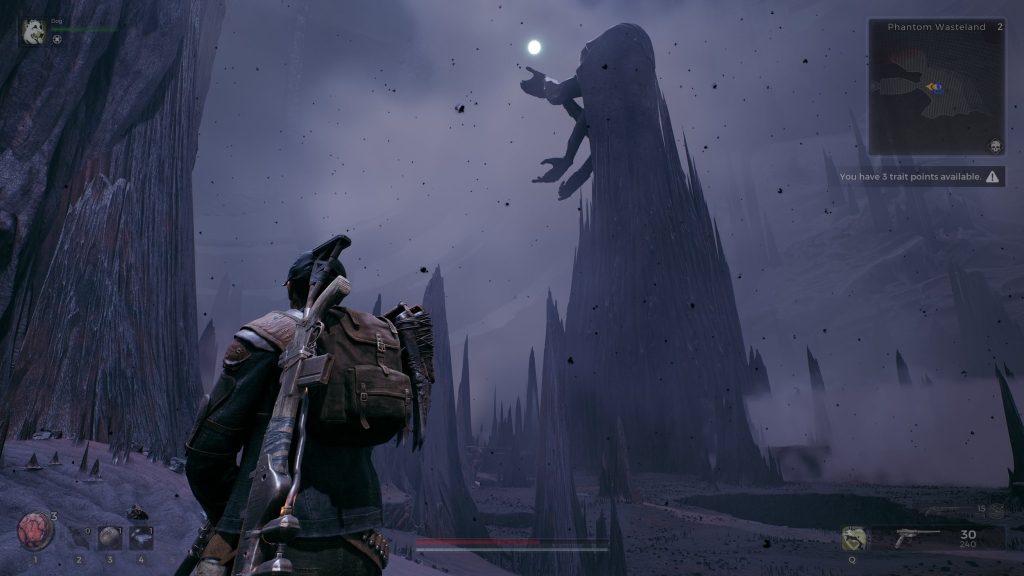
Character creation is basic but serviceable, with players able to choose their gender, skin tone, hairstyles, and voice. Archetype options are limited at first but open up after a few hours into a playthrough. Some of them are available from the get-go, while some of the more specialized ones require some effort to unlock.
There is a broad range of weapon types to choose from as well: shotguns, assault rifles, Old West revolvers, submachine guns, and a slew of melee options. Even some of the basic starting weapons can carry a player through to the end game when properly leveled and fitted with a useful modifier.
Armor types range from light to ultra-heavy and come in a variety of styles, both basic and odd, which can dramatically alter the look of a character.
Graphically, Remnant II is functional, albeit not necessarily jaw-dropping. There are plenty of games out there that really push graphics cards to their limit… this just isn’t one of them. The art design, however, is spectacular. Everything feels grimy, desolate, and dread-inducing.
Dimly lit corridors and rolling fog will have your finger caressing the trigger in grim anticipation, while some of the creature designs are downright inspired. It’s all in keeping with a theme, even as the game has you jumping from alien jungles to futuristic mesas.
On the mobility side of things, wide-open levels allow for a freedom of choice in tactics and destinations, while claustrophobic chokepoints will have you scrambling for cover and/or a good line of fire. There is some platforming to be had as well, and it can be tricky… fall damage is absolutely a thing, and taking a tumble from too tall a surface means you’re respawning at the last checkpoint with all the basic enemies back in play.
As stated before, sound design is one of Remnant II’s strongest suits.
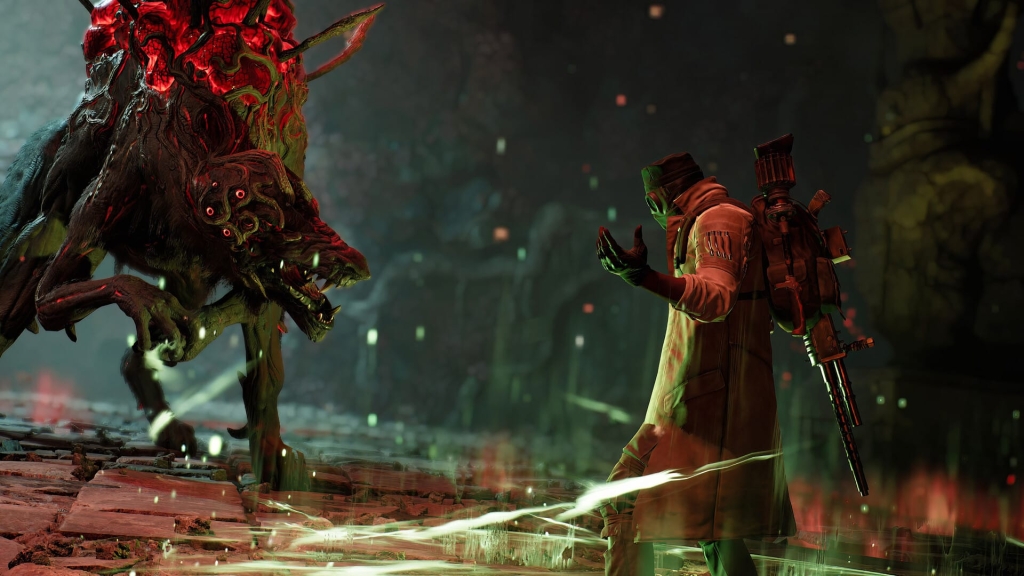
The voice acting is superb, and the weapons all sound appropriately punchy and weighty.
But it’s with the enemies where the game knocks it out of the park: every hiss, screech, groan, labored breath, or angered curse is both unnerving and crystal clear. Sound direction is a huge part of the experience, so playing with surround sound speakers or good headphones is highly recommended.
I play with a full surround sound setup, and sometimes, my kids will come out to investigate just what nightmarish creature is creating such a cacophony of pained screams. Simply put, the audio direction in this game is GLORIOUS.
The same goes for the soundtrack, which is chock full of otherworldly tracks, many of which change tempo when the action ramps up. I sometimes find myself taking a break from gunning down alien monstrosities to just sit and listen to the ambient music as it ebbs and flows. My hat is off to composer Rob Westwood for a varied and enjoyable selection of tunes.
As far as difficulty goes, Remnant II is on the more forgiving side of the Soulslike spectrum. This isn’t to say that it’s easy… just easier than others of its ilk.
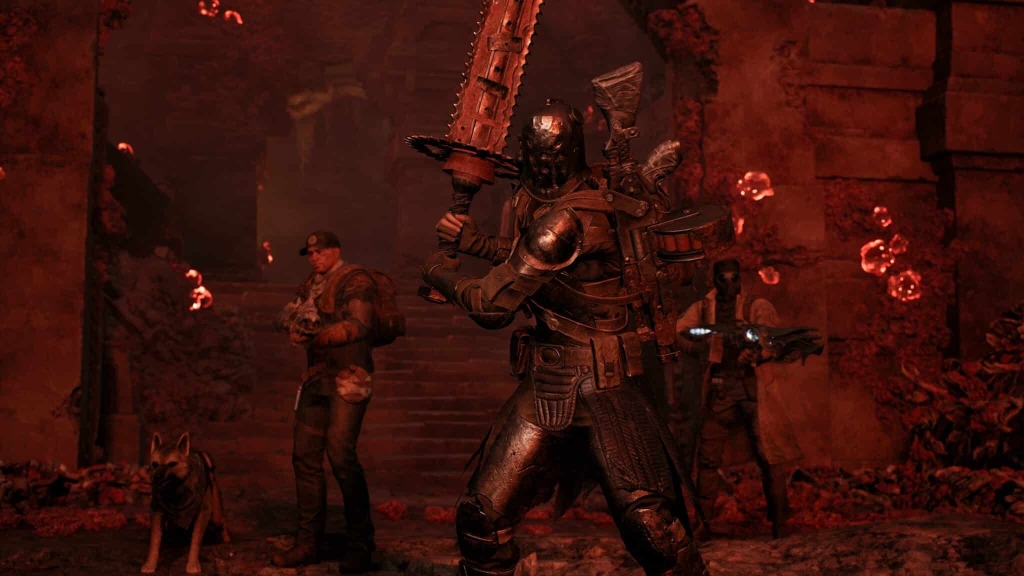
There are a few archetype combinations (Challenger and Medic come to mind) that dramatically help with survivability and are highly recommended for those not skilled at these types of games. But, in order to get the most out of the experience, one will eventually want to branch out away from those safety nets in favor of a more risk/reward style of gameplay, and Remnant II provides a slew of options with which to accomplish this.
Sink enough time into it, however, and you’ll notice that you’re dying less, just based on skill and muscle memory alone.
My most recent world boss was at a much higher level than I thought it was at first, and yet I prevailed without dying once. I was both shocked and delighted.
Another plus is that Remnant II is very stable.
I play on my PS5, so I can take advantage of the big-screen TV and surround sound, and I haven’t encountered a single instance of freezes or crashes. Even AAA titles like Dragon Age: Veilguard crashed on me multiple times, so I’ve got to give huge props to Gunfire Games for releasing such a reliable product.
While I hesitate to call Remnant II a “Soulslike for people who don’t like Soulslikes,” that statement is also not too far from the truth.
Gunfire Games has somehow taken a whole bunch of disparate elements and welded them together in such a way that the end product, while familiar, is ultimately a unique offering. Yes, it’s Soulslike, but it’s also kind of not. Yes, it’s a roguelike, but only somewhat.
What Remnant II really is, however (as far as this reviewer is concerned), is more than just a game – it’s a singularly inimitable experience.
The difficulty can frustrate at times, and some of the gameplay mechanics are complicated and unclear, but the various worlds are a joy to explore, and the creatures therein are horrifyingly fun to battle. Plus, the exhilaration from finally defeating a pesky boss cannot be rivaled.
Don’t let the Soulslike moniker turn you away like it initially did for me – this is absolutely a worthwhile investment of your time. Highly recommended!
Overall Rating (Out of 5 Butterflies): 5








Follow Us!