The Revolution Will Be Televised: 15 Horror Protest Films


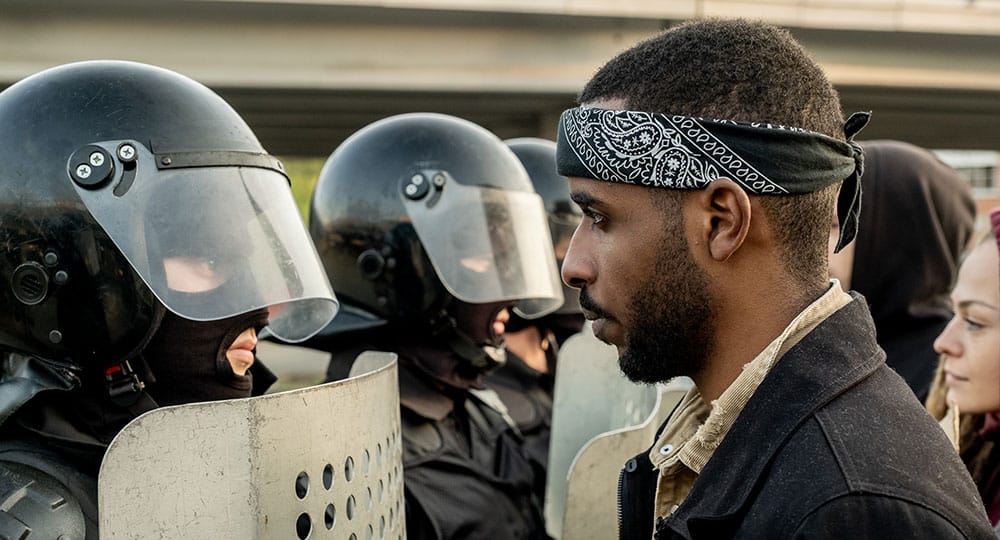
Kendrick Lamar’s performance at the Super Bowl LIX Halftime Show on February 9, 2025, was a landmark event that transcended entertainment, embedding profound cultural symbolism and commentary on contemporary issues. As the first solo hip-hop artist to headline the Super Bowl halftime show, Lamar utilized this platform to deliver a performance rich in political and social messages, reflecting the complexities of the Black experience in America.
Lamar’s performance was meticulously crafted to convey deep cultural narratives, with a setlist designed to highlight themes of racial heritage, social challenges, and personal introspection. Lamar opened his performance with the phrase, “The revolution will be televised”—a deliberate inversion of Gil Scott-Heron’s iconic 1971 poem and song, “The Revolution Will Not Be Televised.”
Scott-Heron’s work critiqued the passive consumption of media and emphasized that true revolutionary change begins within individuals beyond the superficial narratives often portrayed on television. By proclaiming that “The revolution will be televised,” Lamar suggests that contemporary movements are now broadcasted and visible, reflecting a shift from Scott-Heron’s era. This visibility can amplify messages but also risks commodification.
Lamar’s performance acknowledges this duality, using the televised platform to convey authentic narratives while critiquing the very medium he employs.
Art serves as a mirror to society, reflecting its virtues and flaws, and has the capacity to inspire change. Lamar’s performance is a testament to art’s revolutionary potential, blending aesthetics with potent political commentary. By addressing issues such as racial inequality, identity, and systemic oppression, he demonstrates that art is inherently political and can serve as a form of activism.
Art has historically been a powerful tool in challenging authoritarianism and promoting social change. In the face of fascism, which seeks to suppress dissent and homogenize culture, art provides a means to question, resist, and inspire.
Tupac Shakur once said, “I’m not saying I’m gonna change the world, but I guarantee that I will spark the brain that will change the world,” underscoring the ripple effect of artistic expression.
Lamar embodies this philosophy, using his platform to provoke thought and inspire action, recognizing that while he may not single-handedly enact change, his work can influence others to do so.
The revolution will be televised, and horror and thriller films have long been radical tools for exposing systemic oppression, challenging dominant narratives, and reclaiming erased histories.
In honor of Black History Month, I’ve prepared a curated list of protest films that use horror and thriller elements to confront systemic racism, inequality, tyranny, and Black erasure. This list includes both well-known classics and lesser-seen gems that deserve more attention.
Bol and Rial, refugees from South Sudan, seek asylum in England and are placed in a dilapidated house. As they try to adjust, they are haunted by a sinister presence, forcing them to confront past traumas and the horrors they escaped. This film masterfully blends supernatural horror with the real-life terror of the refugee experience, shedding light on the psychological scars of displacement and the lingering impact of colonialism.
In Dakar, Senegal, young Ada mourns the loss of her lover, Souleiman, who perished at sea seeking a better life. Soon, mysterious occurrences suggest that the departed souls have returned, seeking justice for the exploitation they endured. This haunting narrative intertwines romance and supernatural elements to critique economic inequality and the exploitation of labor, highlighting the desperation that drives migration.
A group of individuals barricade themselves in a farmhouse to escape a horde of flesh-eating zombies. As tensions rise, the true horror emerges from within, exposing deep-seated prejudices. Featuring Duane Jones as one of the first Black protagonists in horror, this classic challenges racial stereotypes and delivers a powerful commentary on societal tensions during the civil rights era.
The legend of Candyman, a vengeful spirit with a hook for a hand, haunts Chicago’s Cabrini-Green housing project. The 2021 sequel delves deeper into themes of gentrification and the cyclical nature of violence. Both films explore the intersection of urban legends and systemic racism, highlighting how Black communities are often haunted by both supernatural and societal horrors.
Dr. Hess Green becomes a vampire after being stabbed with an ancient dagger. He enters a complex relationship with Ganja, the widow of his assistant, exploring themes of addiction, immortality, and identity. This avant-garde film delves into Black spirituality and the complexities of assimilation, offering a unique narrative that challenges traditional horror tropes.
After discovering an Indigenous artifact, a group of archaeologists faces a series of supernatural events that reveal the dark history of colonial exploitation. Skull: The Mask is a compelling Brazilian horror film that confronts the consequences of Indigenous erasure and the haunting legacy of colonialism, emphasizing the need for historical reckoning.
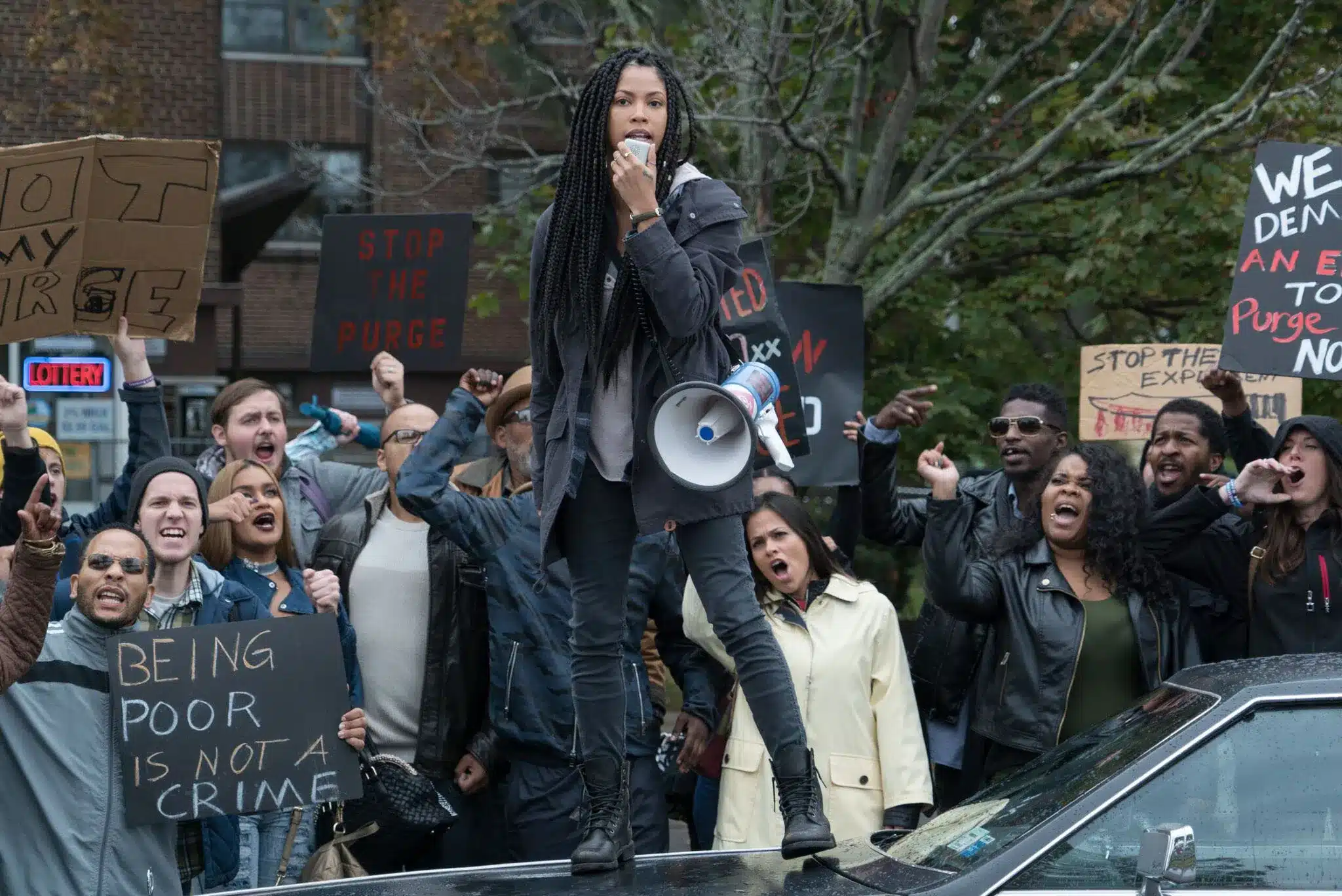
Exploring the origins of the annual Purge, the government tests a sociological experiment in Staten Island, targeting marginalized communities under the guise of reducing crime. A prequel to The Purge, The First Purge exposes the systemic targeting of Black and brown communities, serving as a stark allegory for state-sponsored violence and social engineering.
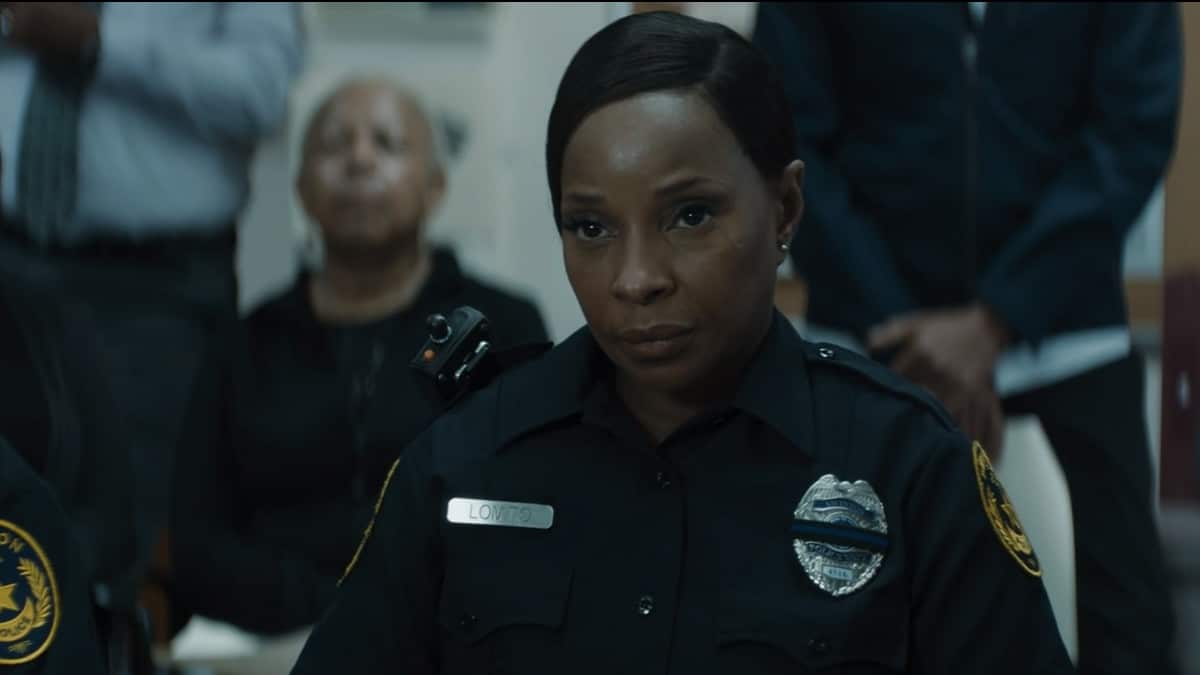
After the mysterious death of a fellow officer, policewoman Renee Lomito investigates, uncovering a supernatural force targeting corrupt cops. This thriller intertwines elements of horror with a critique of police brutality, highlighting the consequences of systemic corruption.
Teen prodigies C.J. and Sebastian develop time travel devices to save C.J.’s brother, who was wrongfully killed by police. Each attempt to alter the past brings unforeseen consequences. This sci-fi thriller addresses the tragic repetitiveness of police violence and the desperation to change a seemingly unalterable system.
Young Fool breaks into the house of his cruel landlords to steal valuables but discovers a horrifying secret: children imprisoned in the basement. The People Under the Stairs serves as a biting critique of gentrification, systemic racism, and economic exploitation, wrapped in a suspenseful horror narrative.
A group of teenagers from the Bronx discovers that a group of vampires disguised as gentrifying real estate developers are infiltrating their neighborhood. This horror-comedy cleverly uses the vampire metaphor to critique gentrification and the erasure of cultural communities.
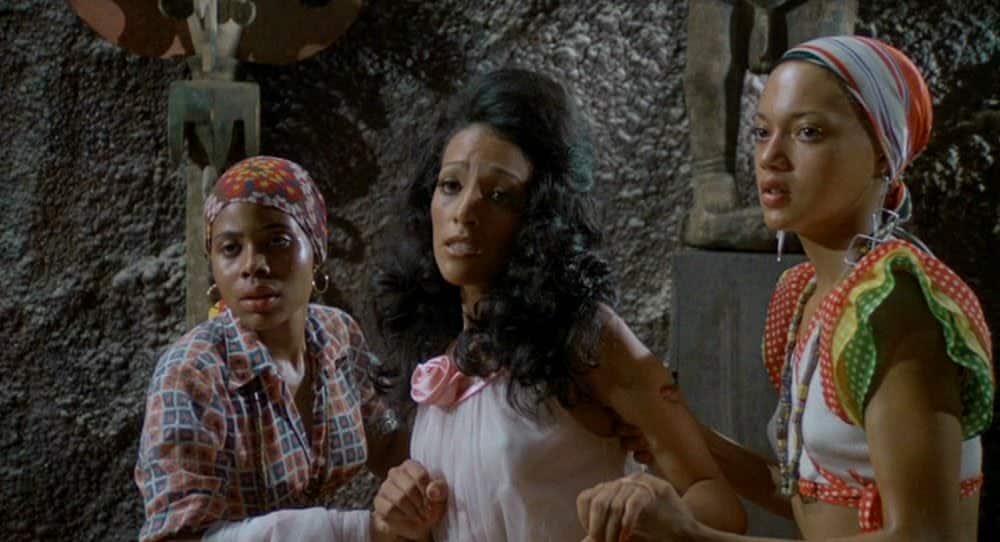
After the death of a voodoo priestess, her diverse relatives gather at her mansion, where they experience supernatural events tied to their heritage. This film explores themes of cultural identity and the lingering impact of colonialism within the framework of a classic haunted house story.
A private investigator (Mickey Rourke) is hired to track down a missing man but soon finds himself entangled in a web of voodoo, identity, and murder. Set in 1950s Louisiana, the film critiques white commodification of Black spiritual traditions while exploring themes of exploitation and racial erasure.
A group of French-Moroccan teenage girls summon the vengeful spirit of Aicha Kandisha, an entity from Moroccan folklore, after an act of gendered violence. But her wrath is indiscriminate, leading to unexpected consequences. This French horror film examines the intersections of racism, misogyny, and colonial legacies within marginalized immigrant communities.
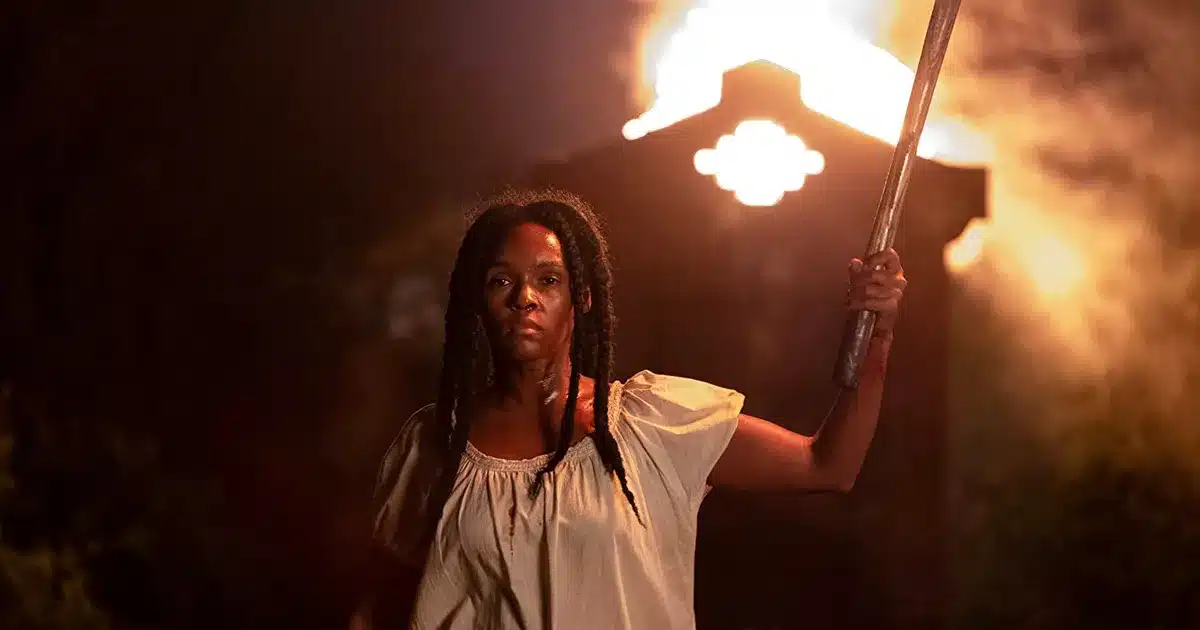
A successful Black author finds herself trapped in a horrifying alternate reality resembling a pre-Civil War plantation. Though divisive, the film offers a striking commentary on the illusion of racial progress and the ongoing impact of slavery.
…
Kendrick Lamar’s Super Bowl 2025 performance reminded the world that music, film, and art aren’t just entertainment—they’re resistance. Horror and thriller films have always been political, whether through metaphor or direct confrontation. They give us mirrors to see our society’s injustices and weapons to dismantle oppressive narratives.
In a time of rising fascism, historical revisionism, and the continued erasure of marginalized voices, these films aren’t just important… they’re essential.
The revolution is being televised. The only question is: Are we watching?

She’s a lover, he’s a fighter. Together, they’re CHEER AND LOATHING. Tune in to hear your hosts, Stephanie (Cheer) and Casey (Loathing), clash over the films they love — and the ones they love to hate.
In this holiday extravaganza episode of Guilty Pleasures, join hosts Stephanie, Kelly, and our newest addition, Jonathan (Jack was tied up in tinsel and couldn't join us), as they unwrap the bizarre and unhinged world of holiday cinema. They dive into the depths of Elves, a film that's as chaotic as it is entertaining. It's a sleigh full of questionable decisions, diabolical dialogue, absurd plot twists, wildly offensive antics, and unhinged holiday mischief.
And that's not all! In the second half of the podcast, join your festive cinephile friends for a look at four more ”nutty as a fruitcake” holiday treats: A New York Christmas Wedding, Elf Bowling, A Medea Christmas, and Jack Frost. Plus, we each offer a bonus Christmas flick guaranteed to make you say, ”Ho, Ho, HO-LY Hell!”
Expect laughter, disbelief, and a spirited debate about what truly makes a movie a guilty pleasure. Don't miss this festive journey through the weirdest corners of holiday films!





Follow Us!