
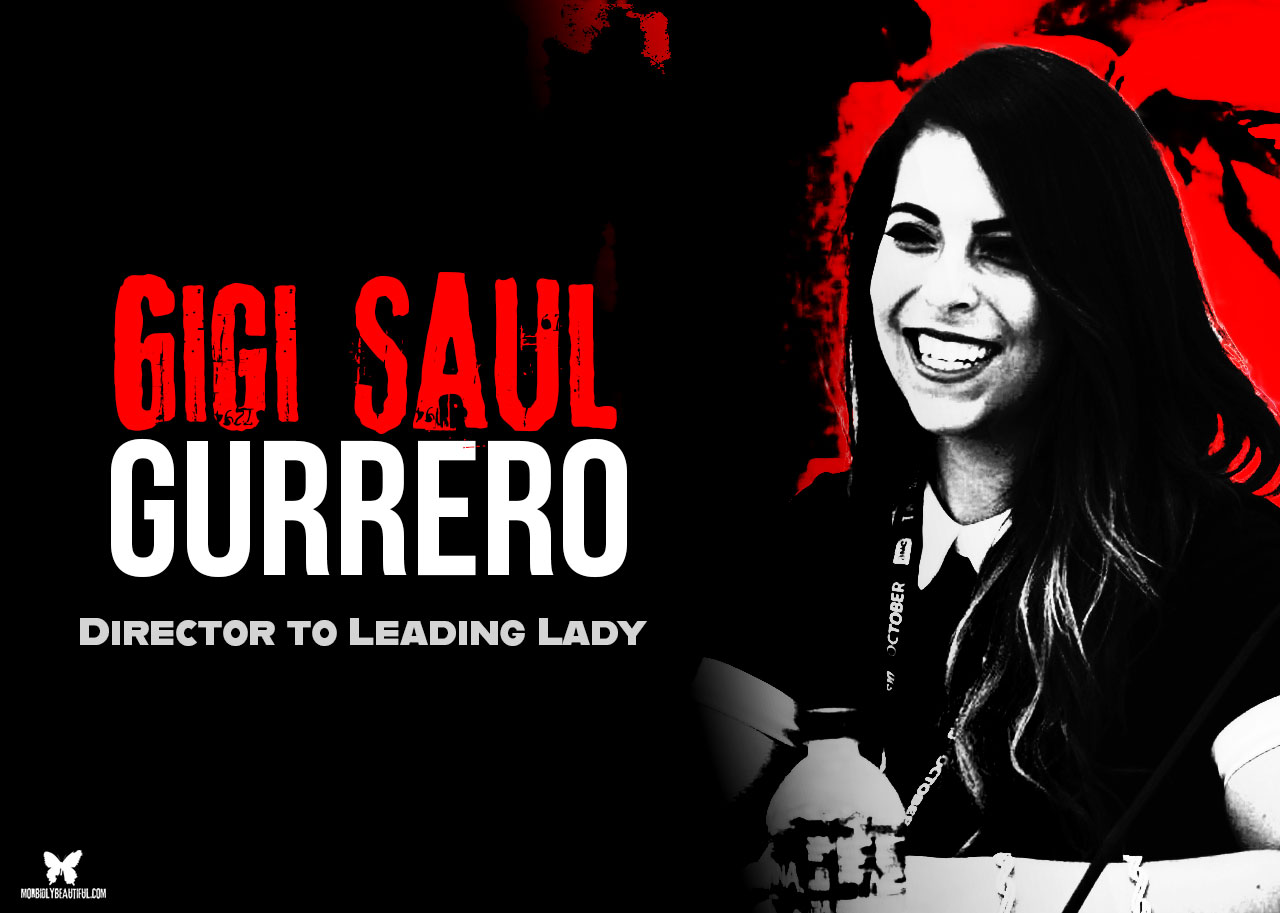
Tags: Gigi Saul Guerrero

It’s not often that directors become high-profile actors. Sure, many directors put themselves in their films (see Quentin Tarantino and Taika Waititi), but the director’s chair is often seen as a job for those who are more seasoned in the business. Many later-stage actors end up directing, after all.
Thus, it’s pretty intriguing that popular indie horror film director Gigi Saul Guerrero is making the shift from woman in charge behind the camera to leading lady onscreen.
Of course, Gigi Saul Guerrero isn’t new to acting. She’s had a successful career in film and television, including roles in Puppet Killer, Funhouse, and Jenni. Now, however, she’ll be stepping into her first leading role with the eventual release of Talking to a Stranger, revealed during Cannes’ Blood Window.
Corazón Films is on board for the global distribution of the highly anticipated Talking to a Stranger, which could catapult Guerrero further into the spotlight. It’s unknown yet whether this start turn will pull Guerrero away from the director’s chair. We hope not, as she’s already proven herself to be a rising star in the genre.
Before she showcases her stellar acting chops in a big way, let’s take a look back at the 35-year-old’s successes in the director’s seat.
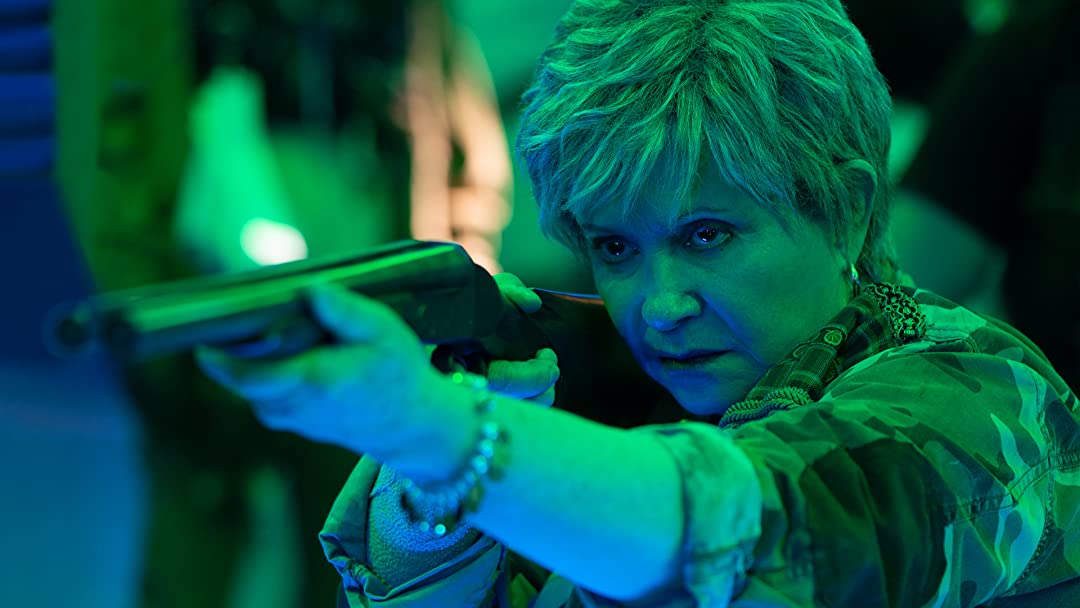
Gigi Saul Guerrero’s Bingo Hell, which she co-wrote with Shane McKenzie and Perry Blackshear, is a gleefully strange slice of horror-comedy that takes something as ordinary as a neighborhood bingo hall and turns it into the center of a supernatural showdown.
When a slick and mysterious newcomer suddenly takes over the longtime gathering place of a tight-knit community, the promise of instant wealth hides a much darker bargain. It falls to Lupita (Adriana Barraza) and her circle of fiercely independent friends to resist the pull of greed and fight for the soul of their neighborhood.
What makes the film so much fun is its mix of campy energy, gooey practical effects, and sharp social satire. It’s both outrageous and oddly heartfelt, poking fun at consumer culture and the dangers of gentrification while celebrating the strength of older characters who are too often overlooked in horror.
Barraza’s fiery performance anchors the chaos, while Richard Brake revels in over-the-top villainy.
Bingo Hell taps into the down-to-earth enjoyment people experience with bingo, while also offering a glimpse into the bigger prizes that are sometimes available. It’s certainly not your old school bingo at stake here, being much more in line with bingo promotions of modern sites.
Loud, messy, and splattered with slime, Bingo Hell never hides its pulpy B-movie roots. Instead, it leans all the way in, delivering a colorful, outrageous ride that’s part creature feature, part social parable, and all attitude.
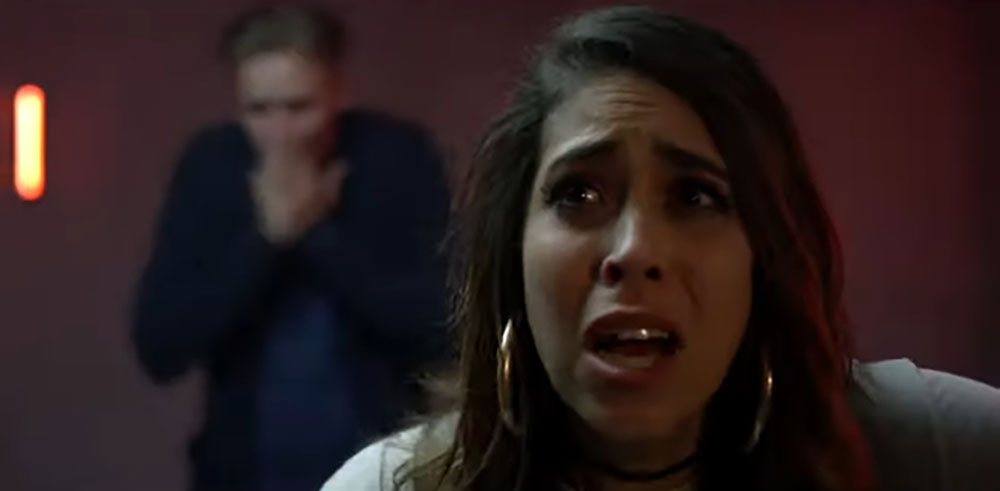
Into the Dark: “Culture Shock” centers on Marisol, a pregnant Mexican woman determined to cross into the United States in search of a safer, more hopeful future. After enduring betrayal, exploitation, and physical danger on her journey, she wakes up in what appears to be a picturesque American suburb—only to realize that something sinister underlies this idyllic façade.
What works so powerfully in Culture Shock is how it marries political urgency with genre thrills.
The film doesn’t shy away from the brutal realities of immigration, but then layers on a speculative twist that forces the viewer to question what “assimilation” and identity erasure really look like.
Martha Higareda gives a grounded, empathetic performance as Marisol, making her journey feel lived-in and emotionally palpable. Barbara Crampton, as the hostess of the new community, exudes an unsettling charm, anchoring the uncanny sequences with a calm menace.
While the film is unapologetically direct in its messaging (it doesn’t mince the horrors of the immigration system or racial erasure), it balances those themes with visceral imagery, creative genre twists, and emotional stakes.
Culture Shock asks viewers to confront the cost of the American Dream when that dream demands the erasure of everything you once were.
In Satanic Hispanics, Gigi Saul Guerrero’s segment “Nahuales” feels like a bold strike of folk-horror energy. She taps into shapeshifting legends and ancestral terror, weaving supernatural dread with cultural specificity. Her story stands out amid the anthology’s greater tonal variety because she refuses to soften the darkness: violence, myth, and corporeal transformation merge in a way that feels viscerally rooted.
Guerrero brings a potent combination of ritualistic imagery and emotional weight, elevating her short from mere spectacle into something resonant.
In another anthology horror film, V/H/S/85, Guerrero leans into the found-footage aesthetic with her “God of Death” entry. Set against the backdrop of the real 1985 Mexico City earthquake, the piece opens with disaster. Then it spirals into the supernatural—turning news crews and rescuers into unwilling participants in an Aztec horror ritual.
Here, Guerrero balances spectacle and claustrophobia: collapsing architecture, flickering camera feeds, and a creeping sense that the past is leeching into the present. Her segment may flirt with grandness, but it’s anchored by strong performance and a willingness to let ritual horror overtake conventional narrative.
Taken together, Gigi Saul Guerrero’s anthology work shows her love for blending myth, body horror, and cultural memory.
In ensemble formats where consistency is a challenge, her segments often become anchor points—moments where folklore, dread, and cinematic craft coalesce into something more than just another scare.

She’s a lover, he’s a fighter. Together, they’re CHEER AND LOATHING. Tune in to hear your hosts, Stephanie (Cheer) and Casey (Loathing), clash over the films they love — and the ones they love to hate.
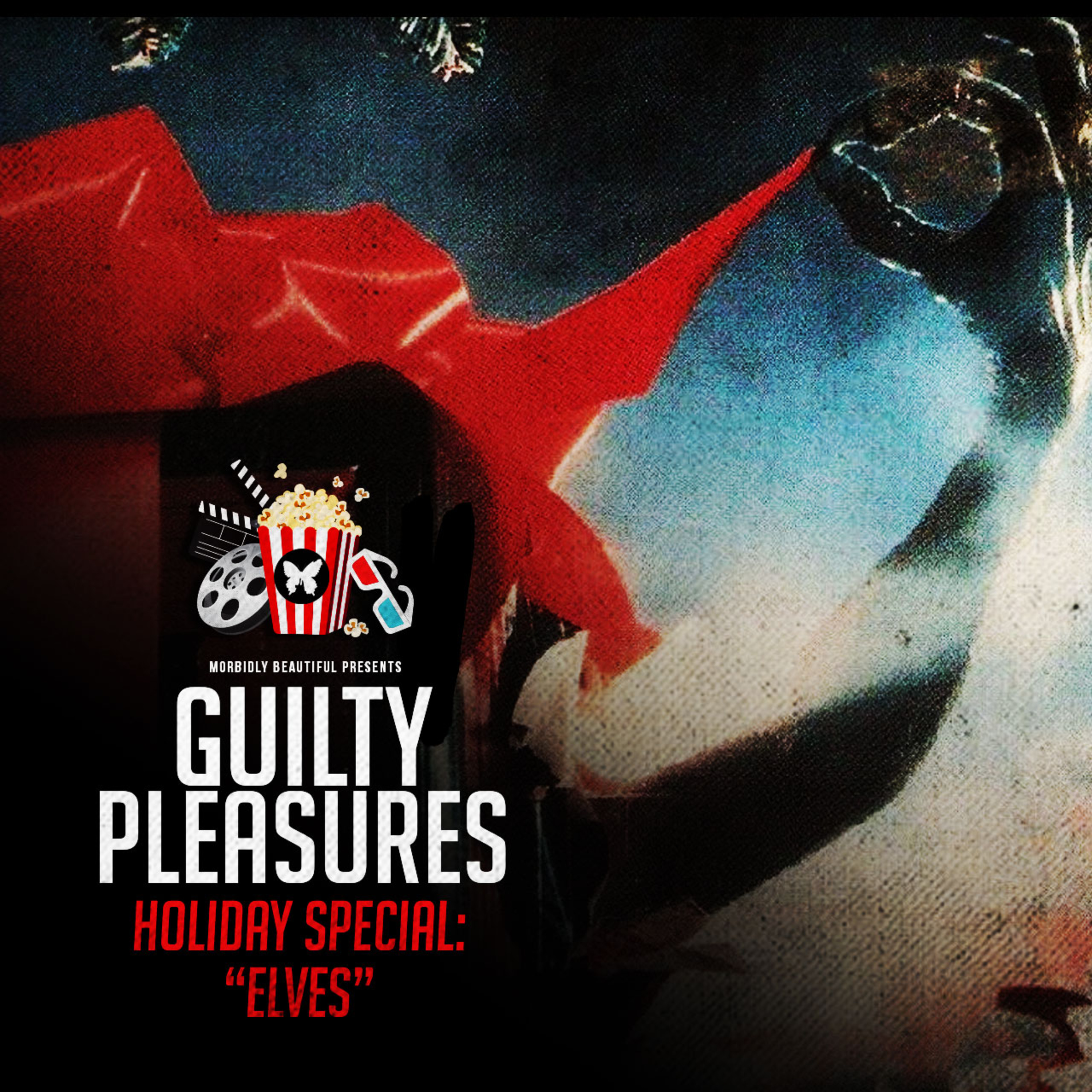
In this holiday extravaganza episode of Guilty Pleasures, join hosts Stephanie, Kelly, and our newest addition, Jonathan (Jack was tied up in tinsel and couldn't join us), as they unwrap the bizarre and unhinged world of holiday cinema. They dive into the depths of Elves, a film that's as chaotic as it is entertaining. It's a sleigh full of questionable decisions, diabolical dialogue, absurd plot twists, wildly offensive antics, and unhinged holiday mischief.
And that's not all! In the second half of the podcast, join your festive cinephile friends for a look at four more ”nutty as a fruitcake” holiday treats: A New York Christmas Wedding, Elf Bowling, A Medea Christmas, and Jack Frost. Plus, we each offer a bonus Christmas flick guaranteed to make you say, ”Ho, Ho, HO-LY Hell!”
Expect laughter, disbelief, and a spirited debate about what truly makes a movie a guilty pleasure. Don't miss this festive journey through the weirdest corners of holiday films!



Follow Us!