Indie Spotlight: Little Woods (2018)


In honor of Black History Month, Cherry Picks, a collective of female film critics I am honored to be a part of, recently released their list of 23 Movies Directed by Black Women, all with Cherry Scores of 75% and higher.
Perusing the list of remarkable films, I came across a recommendation I could not ignore.
Nia DaCosta hit my radar when she became the first black female director to debut at No. 1 thanks to the brilliance of 2021’s Candyman, which she wrote and directed. She then became the first black woman to direct a Marvel Comics film when she directed another film I loved, The Marvels (2023), which became the highest-grossing film directed by a black woman.
However, I regret missing her impressive feature-length debut as a writer and director with the crime thriller Little Woods (2018), a film for which she won the Nora Ephron Prize for Female Filmmakers at the Tribeca Film Festival.
Though it’s a few years old now, Little Woods feels more urgent than ever as we face issues of growing wealth disparity, limited access to healthcare for women, and a political system that punishes poverty while providing precious few resources to help those in need climb out of the treacherous trenches.
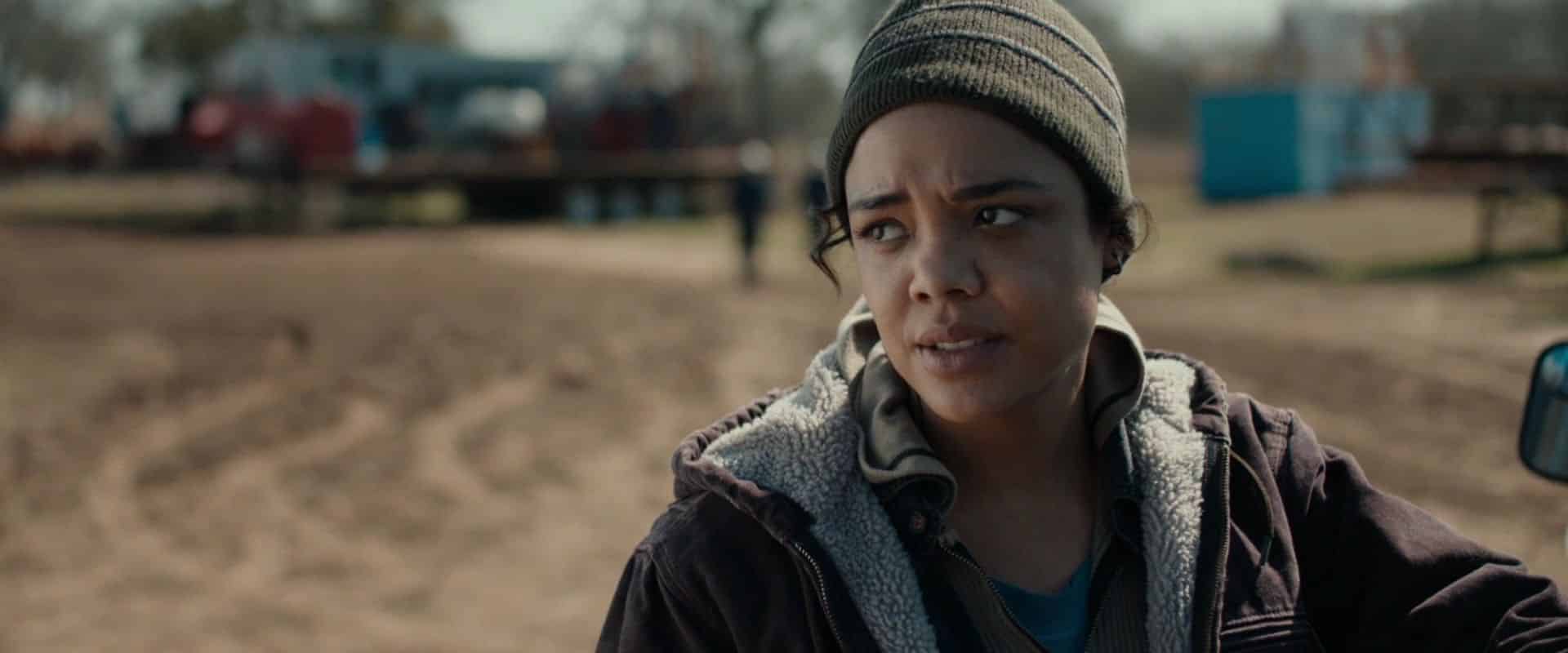
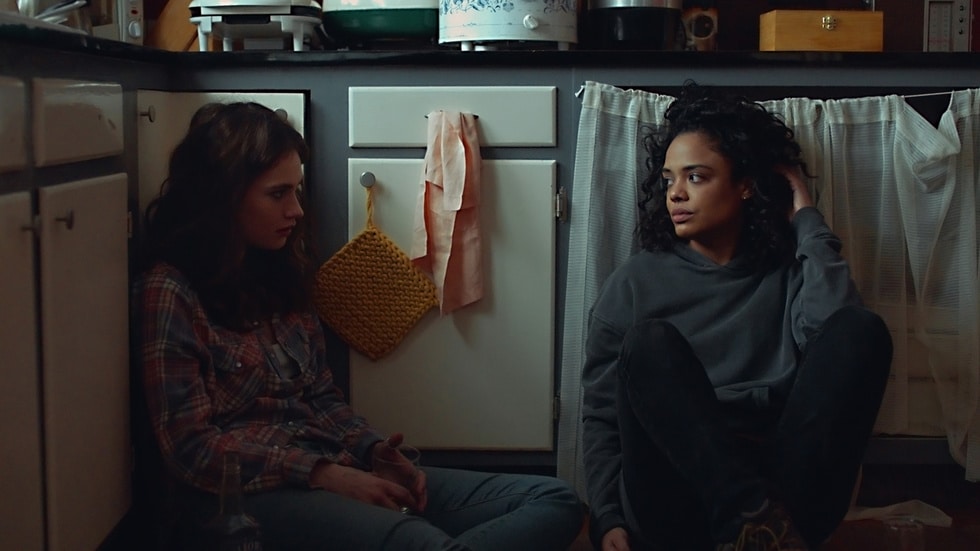
Her mother has just died. She’s on probation for selling prescription medicine to the desperate townsfolk, severely lacking adequate public healthcare.
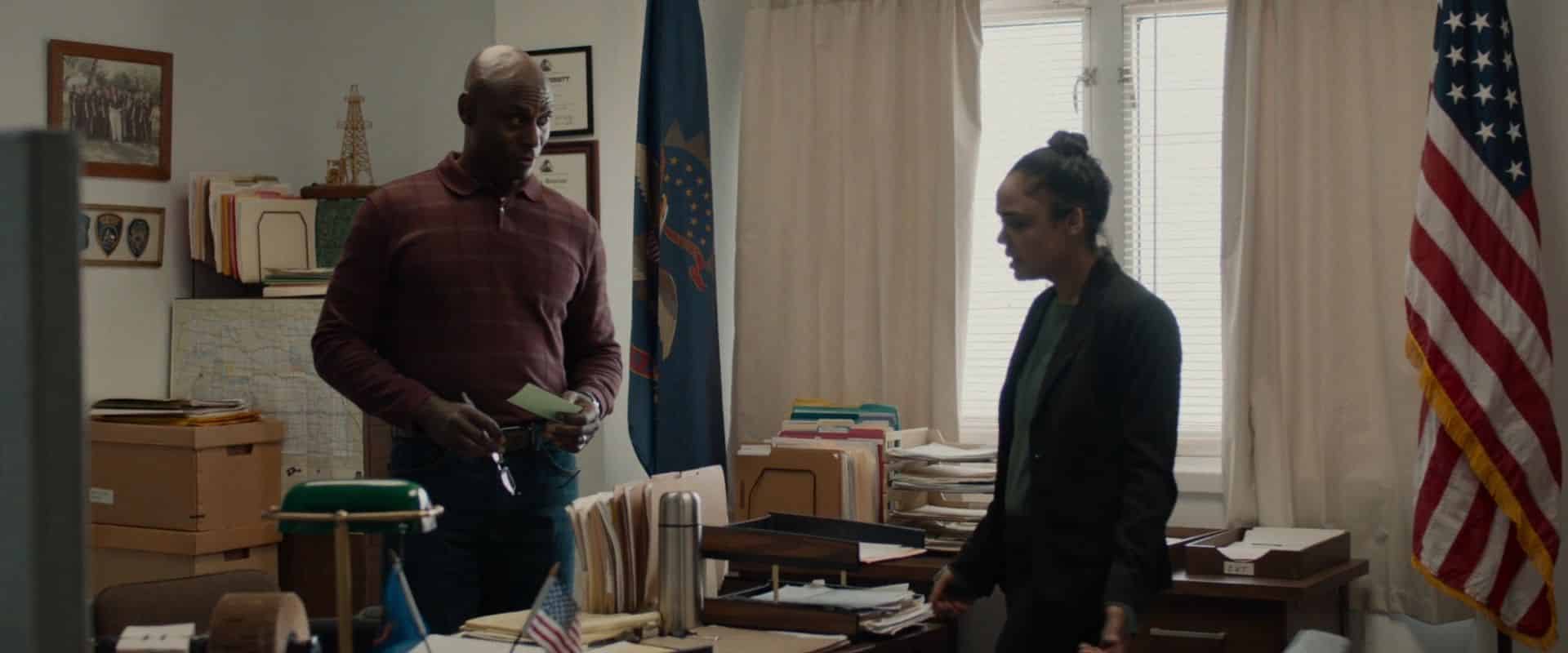
Ollie has committed to getting her life in order. She’s got the unwavering support of her probation officer, who eagerly recommends her to a job with a sympathetic employer. Getting the job would mean a new life in a new town—a clean slate and a chance to take destiny into her own hands.
Sadly, her escape plans are thwarted when her sister Deb (Lily James) confesses she’s pregnant.
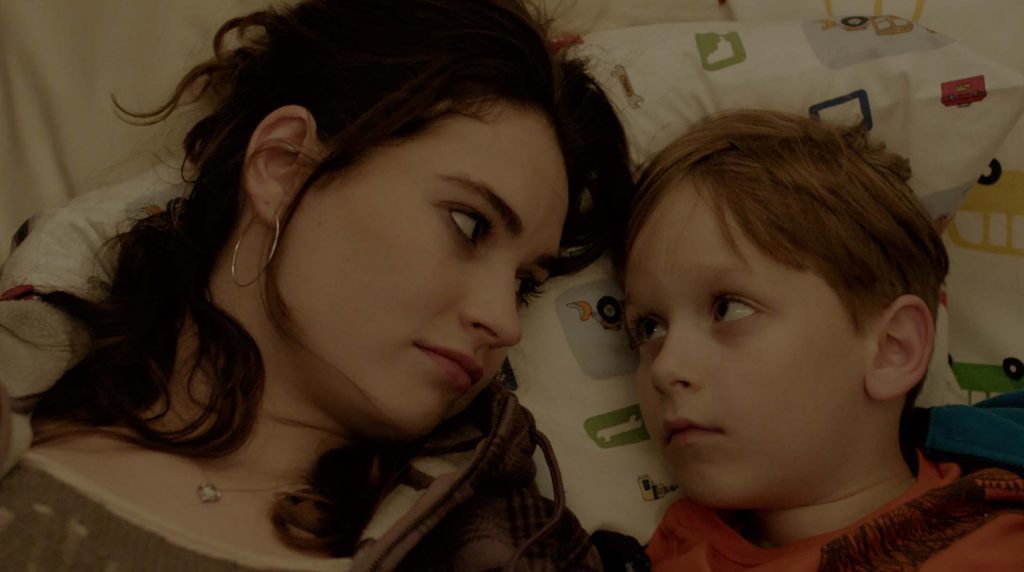
Deb barely scrapes by, living with her child out of a van in a parking lot. She can’t even begin to afford the cost of having a child (an estimated $8,000-$12,000 without insurance), much less the extreme financial burden of raising a child once it’s born.
She needs an abortion and a safe place to live. With their mother’s home in foreclosure, Ollie decides to do whatever it takes to protect the ones she loves at any cost.
What follows is a moving, gorgeously scripted and directed story of survival and sacrifice.
We love romanticizing the scrappy underdog who starts from nothing and climbs to the top of the food chain. But the reality is that’s not a realistic reality for most people born into the never-ending struggle.
In fact, research indicates a significant likelihood that individuals born into poverty in the United States will remain in poverty as adults. This intergenerational poverty disproportionately affects children of color.
Factors contributing to this persistent poverty include limited access to quality education, healthcare, and economic opportunities, as well as systemic issues such as structural racism and underinvestment in low-income communities.
It’s easy to judge from a place of privilege and look down upon the questionable life choices of the desperate. But, when all the options are bad, you simply do what you have to do to survive.
Studies consistently show that poverty is both a predictor and a consequence of incarceration.
Individuals from impoverished backgrounds face systemic challenges that increase their likelihood of incarceration, and the experience of imprisonment further entrenches them in poverty, creating a cycle that is difficult to break.
Instead, it’s a very human film.
The film’s protagonists are not painted as helpless victims, and this isn’t tragedy porn. Though they often find themselves in situations beyond their control, our protagonists feel like real people with real problems who are just trying to do their best and be there for the people they love.
DaCosta deftly keeps the social commentary from feeling heavy-handed.
It’s there (it’s unavoidable given the nature of the struggles Ollie and Deb face), but DaCosta is far more interested in humanizing the plight of the vulnerable than condemning the people and systems that ensure there are no easy ways out from a bad situation.
Thompson and James are extraordinary, and the supporting cast is equally praiseworthy.
How you choose to interpret the film’s landscape will largely depend on your own political leanings. But it’s difficult not to care about and empathize with these women, regardless of how you feel about hot-button issues like abortion and affordable healthcare.
(Though, I suspect it hits a little harder for women, given the film’s unflinching portrayal of sexism and classism— systems of oppression that work to maintain power structure).
DaCosta gives a great interview discussing the inspiration for the film and the themes she sought to explore, including how gendered the poverty issue is, and you can check it out here.
I regret sleeping on this painful but beautiful film for so long, but I can probably appreciate it now more than ever; perhaps you will, too.

She’s a lover, he’s a fighter. Together, they’re CHEER AND LOATHING. Tune in to hear your hosts, Stephanie (Cheer) and Casey (Loathing), clash over the films they love — and the ones they love to hate.
In this holiday extravaganza episode of Guilty Pleasures, join hosts Stephanie, Kelly, and our newest addition, Jonathan (Jack was tied up in tinsel and couldn't join us), as they unwrap the bizarre and unhinged world of holiday cinema. They dive into the depths of Elves, a film that's as chaotic as it is entertaining. It's a sleigh full of questionable decisions, diabolical dialogue, absurd plot twists, wildly offensive antics, and unhinged holiday mischief.
And that's not all! In the second half of the podcast, join your festive cinephile friends for a look at four more ”nutty as a fruitcake” holiday treats: A New York Christmas Wedding, Elf Bowling, A Medea Christmas, and Jack Frost. Plus, we each offer a bonus Christmas flick guaranteed to make you say, ”Ho, Ho, HO-LY Hell!”
Expect laughter, disbelief, and a spirited debate about what truly makes a movie a guilty pleasure. Don't miss this festive journey through the weirdest corners of holiday films!





Follow Us!