


“Videodrome” is a chilling cautionary tale about media consumption and the manipulation of reality through visual culture.
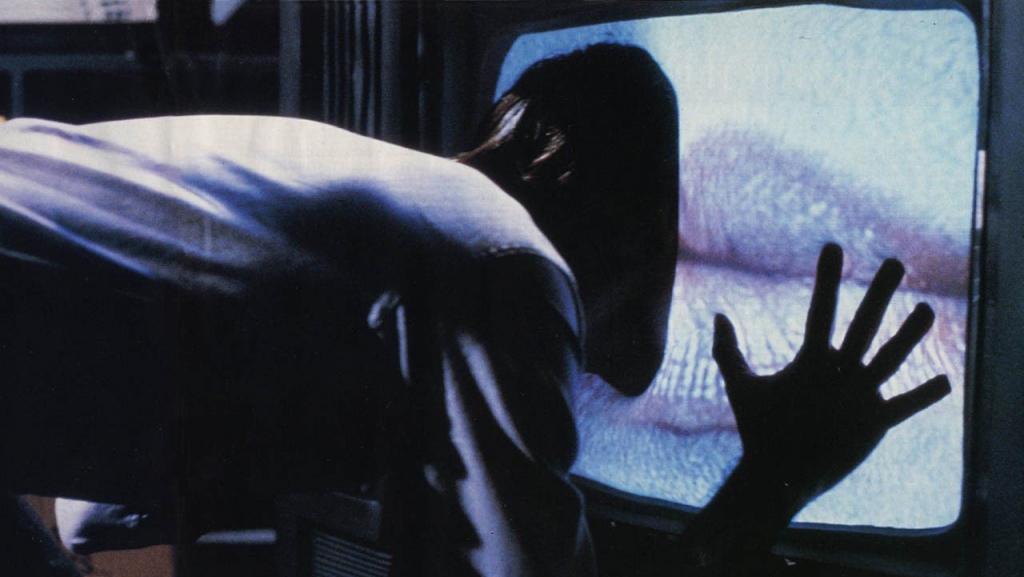
David Cronenberg’s Videodrome is a seminal work that explores multiple complex themes, many of which resonate powerfully today.
When Cronenberg released the film in 1983, the internet didn’t exist, smartphones were science fiction, and social media wasn’t even a concept. Yet watching the film today feels less like peering into a dated piece of techno-horror and more like experiencing a prescient warning about our current digital reality. Through its surreal imagery and body horror, Videodrome captured something fundamental about humanity’s relationship with media – a relationship that has only grown more complex and disturbing in the decades since its release.
At its core, Videodrome tells the story of Max Renn (James Woods), a man who can no longer distinguish between reality and media-induced hallucination.
This premise, radical for its time, now reads like a perfect metaphor for our contemporary crisis of truth. In an era where deepfake technology can make anyone appear to say or do anything, where AI-generated content is increasingly indistinguishable from human-created work, and where sophisticated misinformation campaigns can create entirely false narratives, we are all becoming like Max Renn – uncertain of what’s real and what’s manufactured.
The film’s notorious hallucination sequences, with their analog distortions and physical transformations, might seem quaint compared to today’s digital effects. Yet they capture something essential about how media doesn’t just influence our perception of reality – it fundamentally reshapes it.
When Max’s abdomen transforms into a pulsating VCR slot, it’s a grotesque visualization of how media literally gets under our skin and becomes part of our flesh.
Today, as we constantly interface with our devices, as our memories and experiences become inseparable from our digital archives, haven’t we all become something akin to Cronenberg’s “new flesh”?
Videodrome‘s most unsettling insight might be its recognition that media technology wouldn’t just change how we communicate – it would change who we are as human beings.
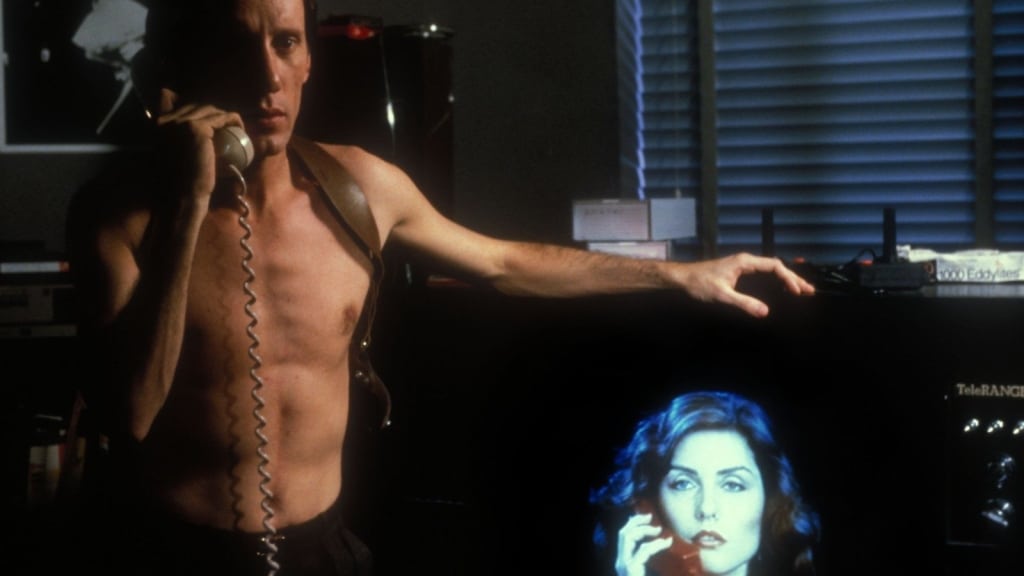
The film’s body horror elements, far from being mere shock value, serve as visceral metaphors for the technological transformation of human nature.
When we consider how today’s technology has altered our attention spans, rewired our social interactions, and reshaped our cognitive patterns, the film’s mutations of flesh seem less fantastic and more prophetic.
Consider how we’ve become cyborg-like entities, our smartphones functioning as external memory banks, our smartwatches monitoring our vital signs, and our social media profiles serving as digital extensions of our identities. The line between humans and technology grows increasingly blurred, just as Videodrome predicted. The film’s famous tagline (“Long live the new flesh”) takes on new meaning in an era of neural interfaces, biotech implants, and virtual reality.
However, perhaps nowhere is Videodrome‘s prescience more apparent than in its examination of society’s relationship with mediated violence.
The film’s fictional Videodrome broadcast, with its staged torture and murder, might have seemed like extreme satire in 1983. Today, in an era where real violence regularly goes viral on social media, where conflict is livestreamed, and where “doomscrolling” through tragic news has become a common habit, it feels uncomfortably familiar.
Yet, the film’s critique goes beyond simple concerns about violent content. It examines how media can desensitize us to violence while simultaneously making us addicted to its spectacle.
This dynamic plays out daily on social media platforms, where algorithms promote shocking and controversial content precisely because it drives engagement. The film’s exploration of how media companies exploit and amplify humanity’s darkest impulses perfectly anticipates today’s attention economy.
The film’s paranoid undertones about mind control and media manipulation might have seemed excessive in 1983.
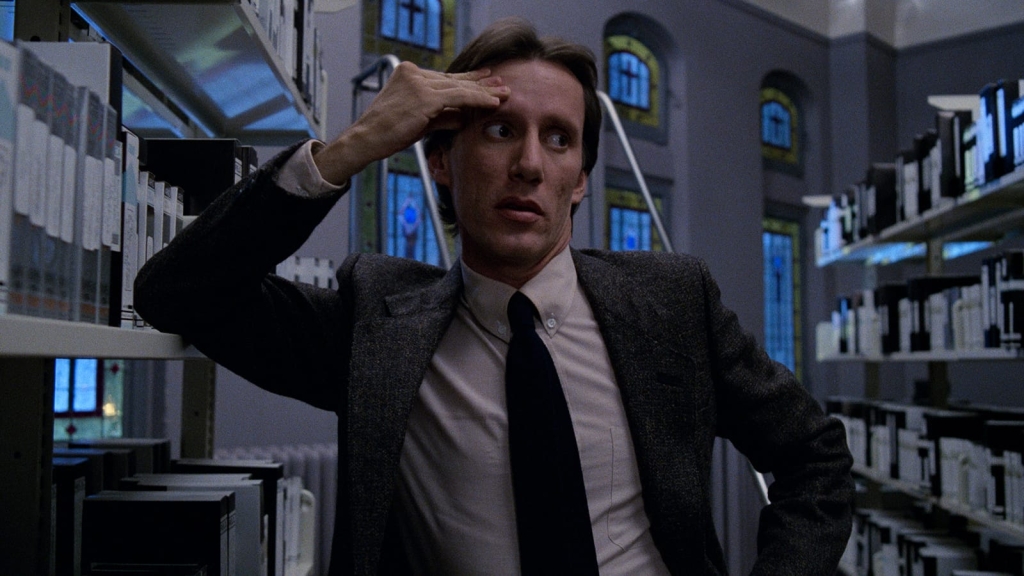
Today, in an era of sophisticated microtargeting, behavior modification algorithms, and state-sponsored disinformation campaigns, they feel remarkably clear-eyed.
The question at the heart of Videodrome – who controls the signal, and what are they trying to make us see? – has become one of the central political questions of our time.
Perhaps most prophetically, Videodrome anticipated how media would eventually breach the boundary between the virtual and the real. The film’s hallucinatory sequences, where reality and media representation become indistinguishable, presage our current moment, where digital and physical reality increasingly blur together. As we move toward an era of augmented reality, virtual worlds, and the metaverse, the film’s vision of media as a reality-altering force becomes increasingly relevant.
The film’s plot revolves around competing forces trying to control the Videodrome signal for their own ends. This aspect of the film resonates strongly with current debates about digital sovereignty, data privacy, and algorithmic manipulation.
The shadowy organizations in the film seem almost quaint compared to today’s tech giants, which possess unprecedented power to shape public perception and behavior through their control of digital platforms.
Forty years after its release, VIDEODROME’s central insights about media’s power to reshape human consciousness and society have proven remarkably accurate.
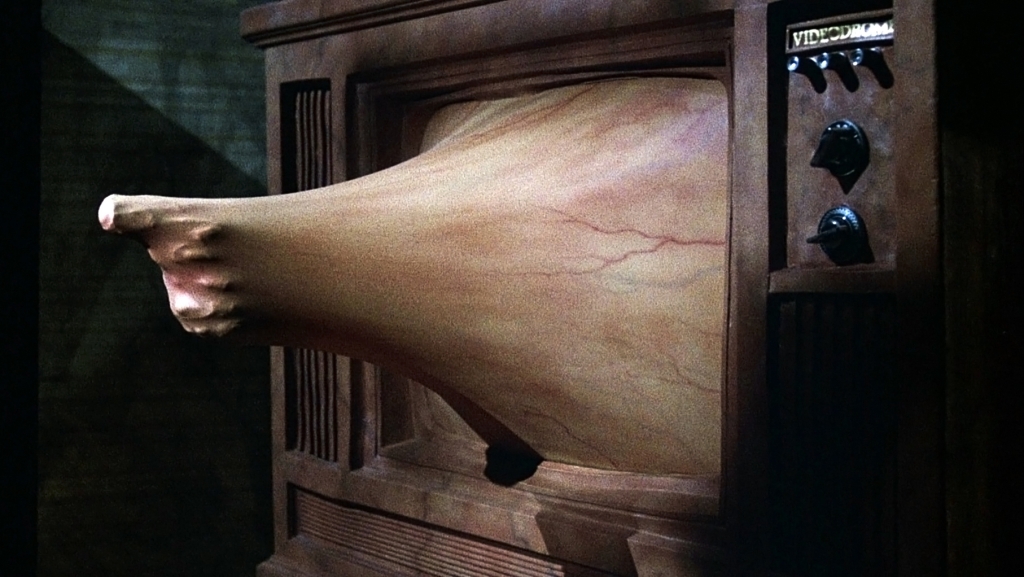
The film’s surreal horror elements serve as powerful metaphors for very real processes of technological and social transformation that we’re still grappling with today. As we continue to integrate new technologies into our lives and ourselves, Cronenberg’s visceral warning about the transformative power of media becomes increasingly relevant.
The question Videodrome poses is as urgent today as in 1983: What happens when media becomes more than just something we consume, but something that consumes us?
The film’s disturbing vision serves as both prophecy and warning, reminding us that the technology we create has the power to recreate us in turn. Long live the new flesh, indeed.












Follow Us!