

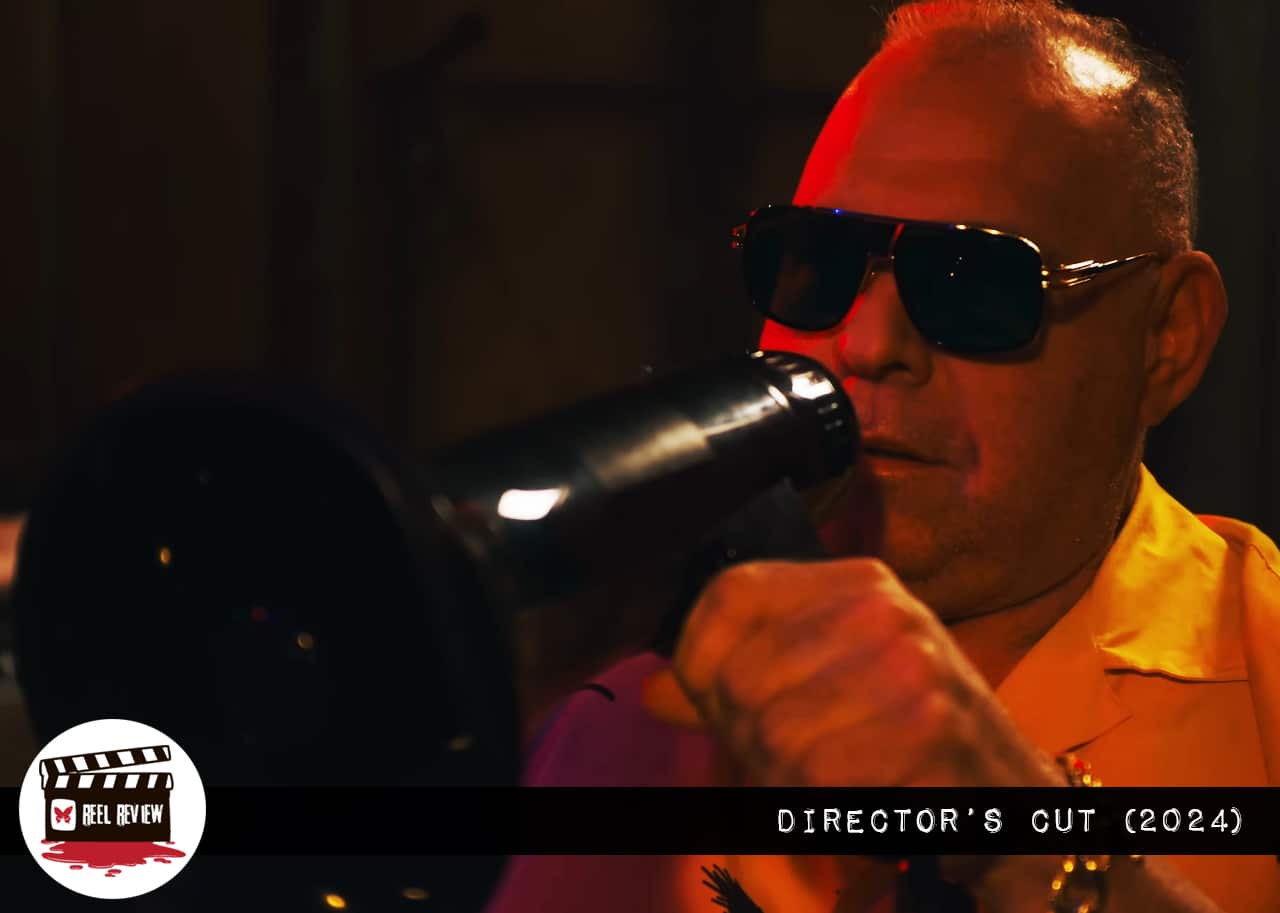
“Director’s Cut” requires patience, but this nasty, grounded punk slasher boasts strong performances and a surprising amount of substance.
No time to read? Click the button below to listen to this post.
I went into my viewing of Director’s Cut, the debut from music video producer and director turned feature filmmaker Don Capria, with great anticipation. The concept was intriguing, and the union of punk and horror is almost always appealing.
Sharing some similarities in setup to the excellent Green Room, a struggling punk band accepts a too-good-to-be-true offer from a mysterious director who wants to shoot their music video for free.
Of course, this involves them traveling several hours into the middle of nowhere to film at an abandoned mansion. Once there, they find themselves trapped inside with a madman hellbent on making a very different type of video with the unsuspecting bandmates.
Audiences often bemoan how and why victims in horror films so casually ignore so many glaring red flags. There’s the obvious answer: bad decisions fuel great horror. They are often necessary to further the plot and put the characters in peril.
Yet, it’s still nice to believe that you might make some of the same bad decisions if placed in the same situation. This aids believability and immersiveness and enhances the empathy you feel for your doomed characters.
Director’s Cut works hard to create a grounded scenario with fleshed-out characters whose motivations seem plausible and relatable.
Even the origin of the band’s name, Suicide Disease, adds an intriguing backstory and gives depth to the characters.
I’ve seen several reviews bemoan how unlikeable these characters are, but I found them compelling. They are no doubt flawed, but they feel like real people. The time Capria takes to flesh out their backstories and make them more than caricatures made me care about what happened to them.
Band frontman Jay (Tyler Ivey) is perhaps the most potentially alienating as a brooding misanthrope who hasn’t recovered from losing a close friend and an unspecified tragedy that nearly destroyed the band. The chip on his shoulder makes him a frustrating character; even his fellow bandmates are desperate for him to shed his dark cloud.
Yet, it serves the narrative well, and Ivey does an excellent job embodying a depressed artist struggling with grief and guilt.
During a tense band meeting, fellow members of Suicide Disease—Juan (Louis Rocky Bacigalupo), John (Greg Poppa), and Menace (Brandy Ochoa)—clash with Jay over the direction for their band. They’re anxious to return to performing, desperate to rebuild their image after a scandal. Jay thinks they should be writing and recording new music.
They settle on a compromise: accept an offer from a mysterious man on Instagram who wants to shoot their music video for free.
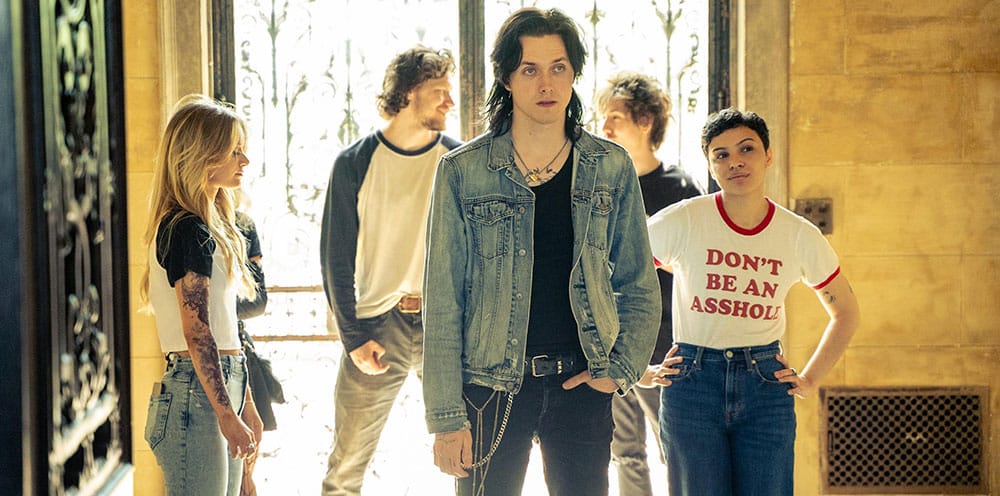
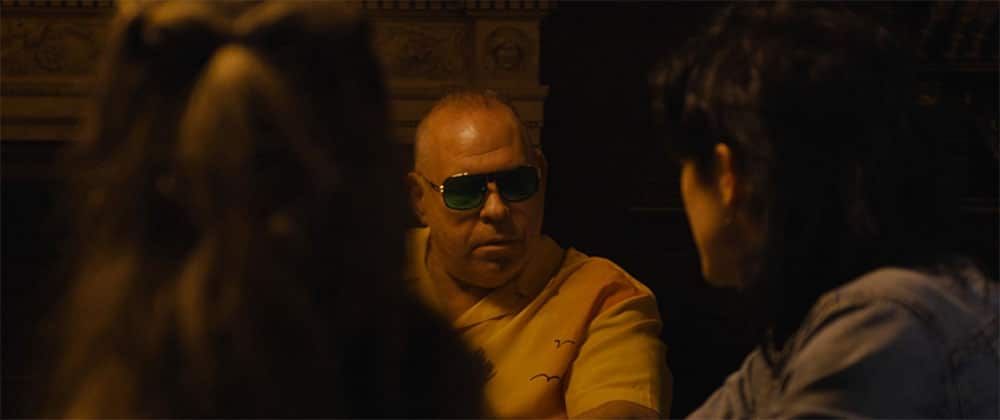
After a video chat with a somewhat off-putting man who asks to be called Mr. Director (a chilling Louis Lombardi of The Sopranos fame), they agree to drive to a remote location several hours from home. Along for the ride are the band’s manager, AJ (Darrin Hickok), and a couple of band member girlfriends, Jen (Haley Cassidy) and Val (Danielle Kotch).
They know it’s a gamble to trust someone they don’t know and have never met. However, the lure of a free video—a potential life preserver for the broke and desperate band—is too hard to ignore.
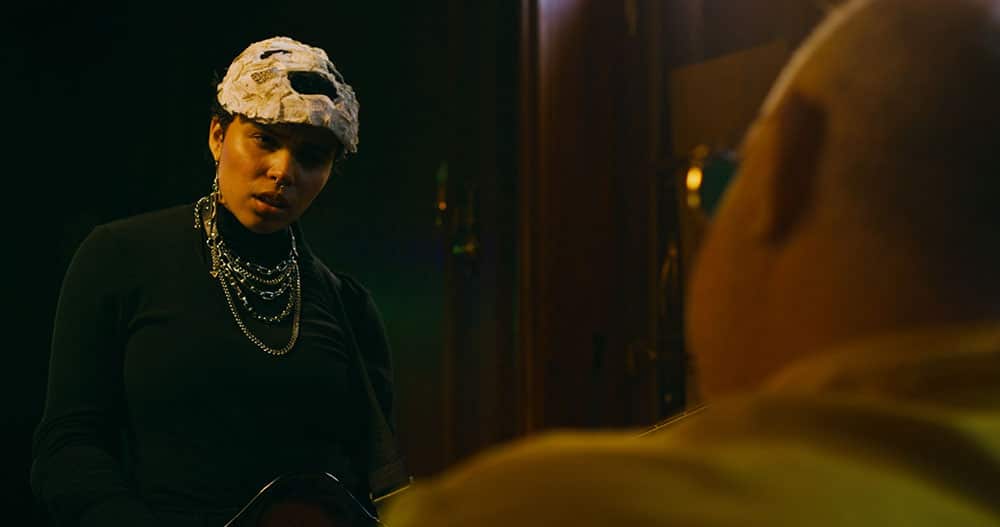
Once they arrive, things are unsettling from the jump, from the S&M set pieces to Mr. Director’s intimidating assistant Babs (transgender porn star Lucy Hart). They only get worse as the wheelchair-bound, tinted-sunglass-wearing Mr. Director goes from obnoxious to downright menacing.
With alarm bells ringing, Jay decides he’s had enough. But peer pressure from his band makes him endure the escalating madness.
Mister Director wants to shoot the band members individually, and he’s got special sadistic plans for each of them. At about fifty minutes in, things really get twisted, and the Director’s master plan takes horrific shape.
There are hints about what’s going on and why he has lured these ambitious bandmates to his vicious mousetrap. There is a method to his madness, making Mister Director a complicated villain hellbent on terrorizing his less-than-innocent victims.
This monster hides in plain sight rather than lurking in shadows.
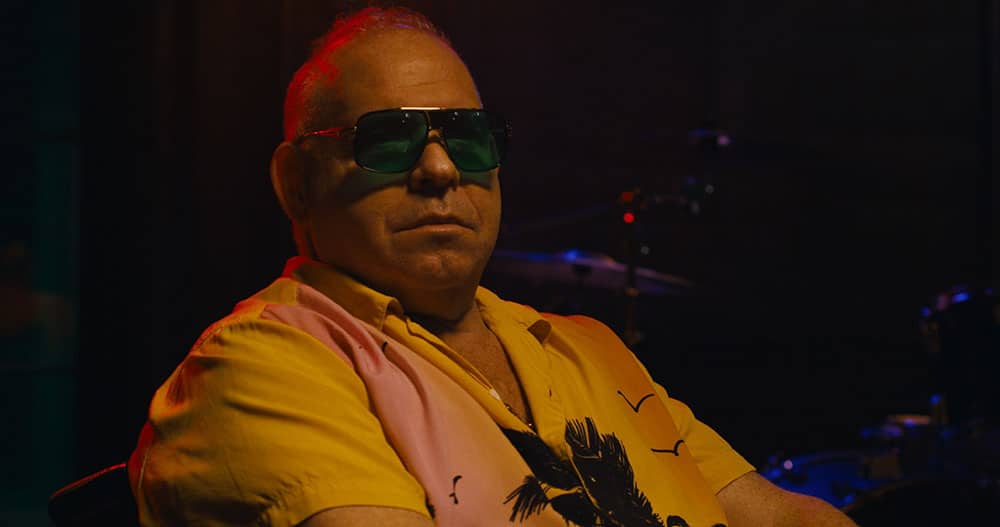
The horror comes from the band members failing to realize what they’ve gotten themselves into until it’s too late. All the signs are there, but they ignore them because they are desperate, and it’s that desperation that Mister Director preys on.
Whether or not you find any of these characters likable or relatable, the actors are all giving it all they’ve got and delivering strong performances. It feels like we’re watching a real punk band made up of real people struggling with various issues.
Because things don’t start spiraling until about an hour in, we are given plenty of time to get to know these characters and feel grounded in their experience.
That slow pacing may turn off many horror fans tuning in for mass carnage, but it gives the film more weight and makes the deaths more impactful.
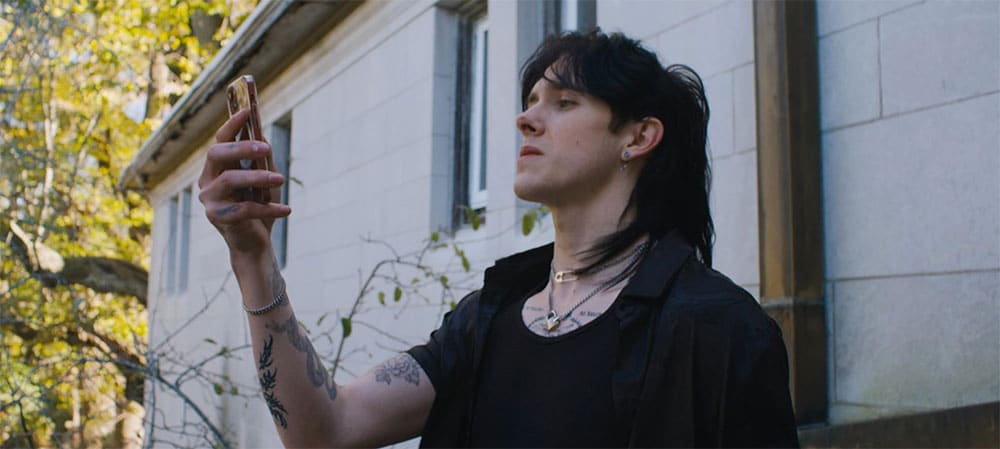
The last thirty minutes are intense and thrilling, and Lombardi is uncomfortably good as a savage and violently unlikable antagonist. Capria makes great use of his primary location. It’s also not surprising that the music is quite good.
There’s a decent body count with some solid effects, though the gore is limited, and the kills aren’t particularly inventive. That doesn’t mean, however, that they aren’t effective. This is a film more about sadism than slashing, so the focus is more on Mister Director making his victims suffer.
Not everything works. There are some odd choices and storylines that don’t really go anywhere.
Ultimately, however, it’s a solid debut from Capria and a well-executed, appropriately creepy horror film that doesn’t overstay its welcome.
Overall Rating (Out of 5 Butterflies): 3
DIRECTOR’S CUT opened in theatres on October 31st, with a VOD planned for some time in 2025. You can check the film’s website for more information..




Follow Us!