

Tags: horror movies modern horror

For decades, horror movie deaths operated on a simple, visceral formula: stab, scream, splatter, repeat. From Jason’s machete to Freddy’s glove, the mechanics of death in slasher films were often more about volume than variety. But in recent years, horror has undergone a curious transformation—one where kill scenes are no longer just punctuation marks but entire narrative beats.
We’re living through a death scene renaissance—and it’s not just about getting gorier. It’s about getting smarter.
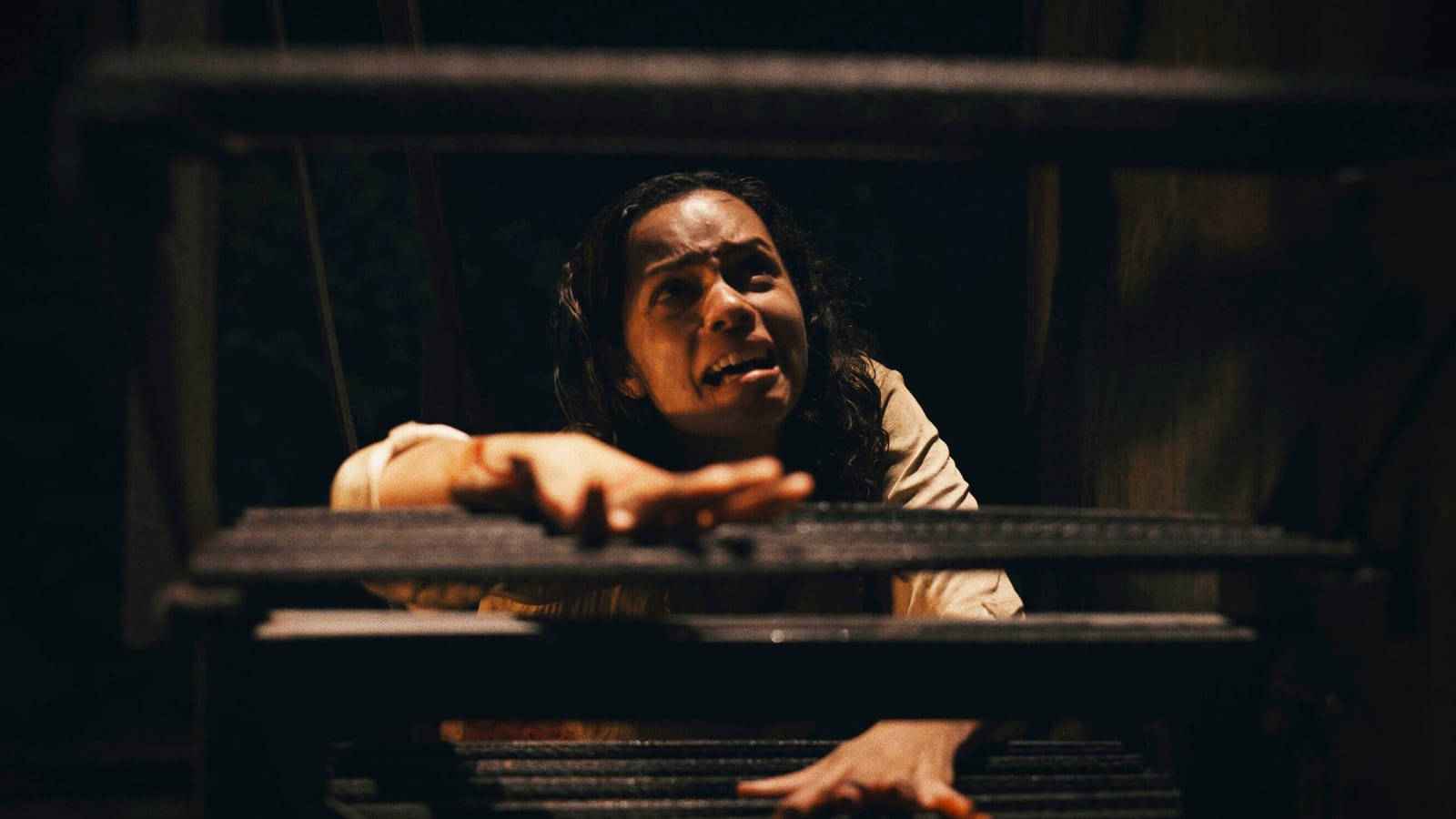
Traditionally, horror thrived on the build-up to death rather than its execution. While iconic, the trope-heavy kills of the ’80s and ’90s often lacked subtext. You knew who would die, when, and often, how. But now? Death is layered. It’s a metaphor. It’s a plot twist. It’s a psychological gut-punch.
Consider 2022’s Barbarian. Without spoiling too much, the film weaponizes your expectations—both about where the story is going and who’s safe—and flips them in one shockingly swift moment. Or Hereditary (2018), where a death scene arrives not as a climax, but as a destabilizing midpoint that changes the film’s genre entirely.
These are not just horror movies; they’re horror pivots.
Part of this shift is due to a new generation of filmmakers raised on genre. Directors like Ari Aster, Jordan Peele, and Jennifer Kent understand the mechanics of horror death scenes, but they also know how to dismantle them. Instead of just “How can we kill this character?” the question becomes “What does their death mean?”
Take The Invisible Man (2020), which uses death as an allegory for gaslighting and abuse. Or Talk to Me (2023), where every act of violence is steeped in guilt, trauma, and self-harm. It’s not about “inventive kills” anymore. It’s about emotionally effective ones.
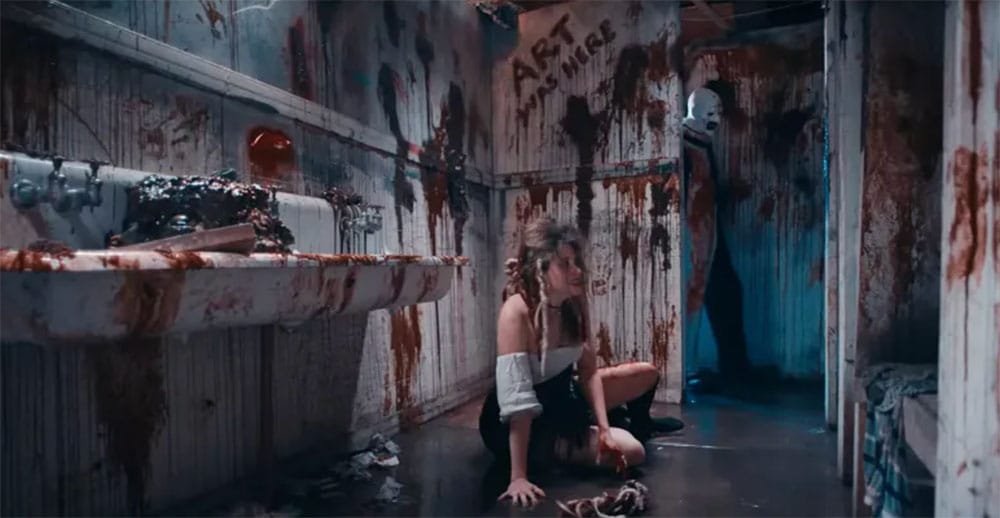
Another force behind the Renaissance? A return to practical effects. While CGI has its place, horror audiences have grown savvier and more skeptical. There’s a reason why the gory set pieces in Terrifier 2 (2022) struck a chord with viewers. Beyond the film’s over-the-top brutality was a clear commitment to old-school craft, which felt earned rather than manufactured.
Even franchises like Scream have evolved, with Scream VI using real locations, long takes, and unexpected silence to make every death feel grounded and painful. These aren’t deaths we laugh at. They’re ones we feel.
With the rise of streaming, horror has also exploded in reach. Films that may have never seen a theatrical release are now sparking global discourse. From His House to No One Gets Out Alive, we’re seeing international voices redefine how horror treats mortality, blending folklore, politics, and class commentary into every slash.
And that evolution isn’t going unnoticed. A 2024 analysis by Screendollars, a trusted platform tracking film trends and theatrical performance, noted a sharp increase in horror films where kill scenes doubled as major emotional beats. It’s about value, not volume.
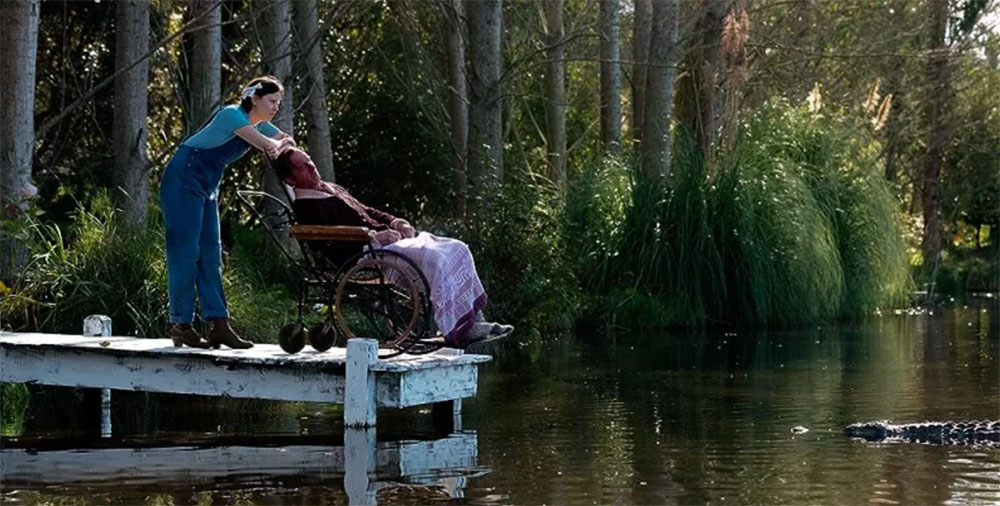
Smarter death scenes reflect a smarter horror audience. We’ve grown past cheap thrills and now demand layered tension, unpredictable structure, and cultural relevance. We want kills that sting—not just physically, but thematically.
It’s why The Night House, Pearl, and Saint Maud hit differently. These deaths don’t fade into the credits… they linger.
Looking to explore more about how modern horror is evolving? Dive into Screendollars.com for expert insights, film analysis, and coverage of theatrical horror trends shaping today’s box office.

She’s a lover, he’s a fighter. Together, they’re CHEER AND LOATHING. Tune in to hear your hosts, Stephanie (Cheer) and Casey (Loathing), clash over the films they love — and the ones they love to hate.
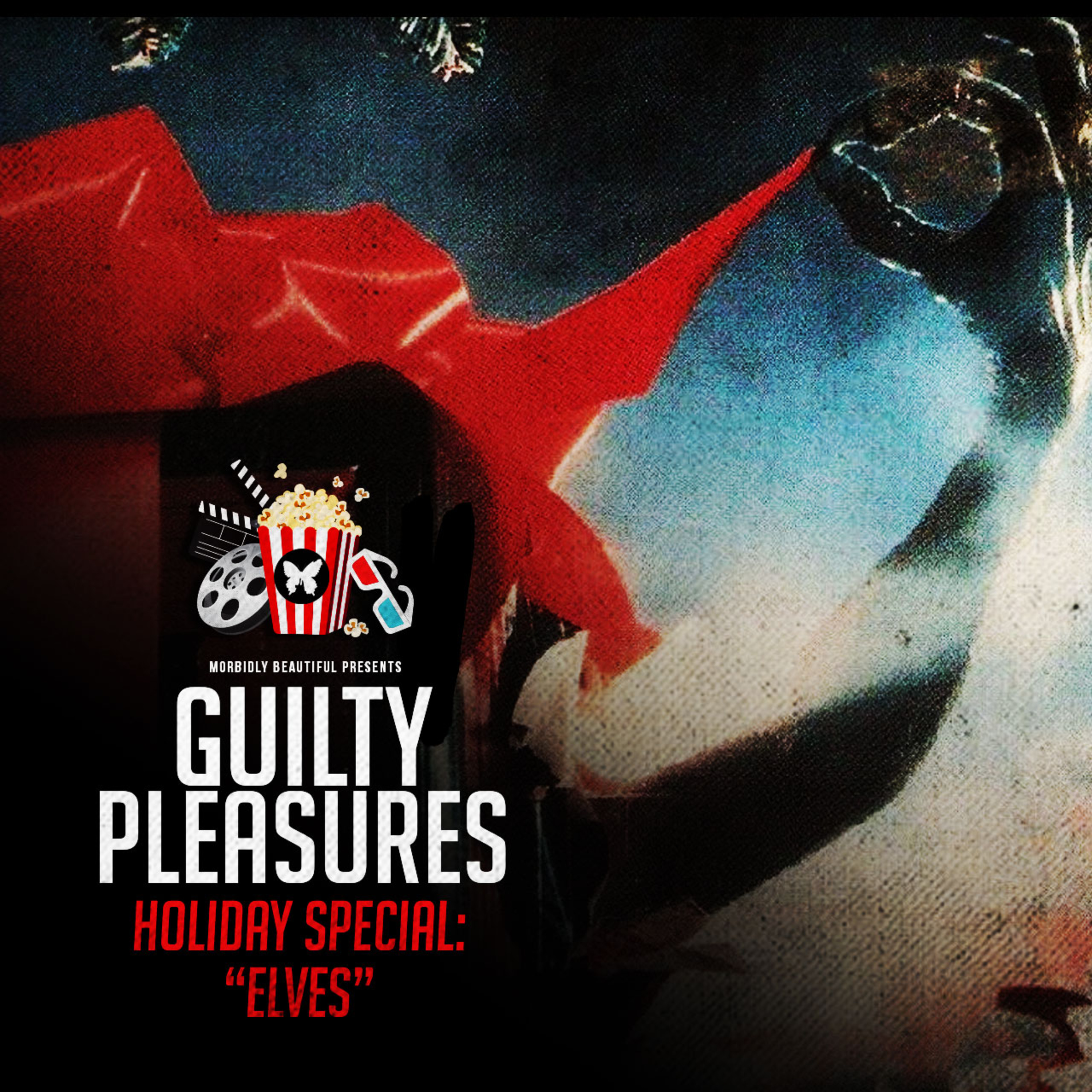
In this holiday extravaganza episode of Guilty Pleasures, join hosts Stephanie, Kelly, and our newest addition, Jonathan (Jack was tied up in tinsel and couldn't join us), as they unwrap the bizarre and unhinged world of holiday cinema. They dive into the depths of Elves, a film that's as chaotic as it is entertaining. It's a sleigh full of questionable decisions, diabolical dialogue, absurd plot twists, wildly offensive antics, and unhinged holiday mischief.
And that's not all! In the second half of the podcast, join your festive cinephile friends for a look at four more ”nutty as a fruitcake” holiday treats: A New York Christmas Wedding, Elf Bowling, A Medea Christmas, and Jack Frost. Plus, we each offer a bonus Christmas flick guaranteed to make you say, ”Ho, Ho, HO-LY Hell!”
Expect laughter, disbelief, and a spirited debate about what truly makes a movie a guilty pleasure. Don't miss this festive journey through the weirdest corners of holiday films!


Follow Us!