

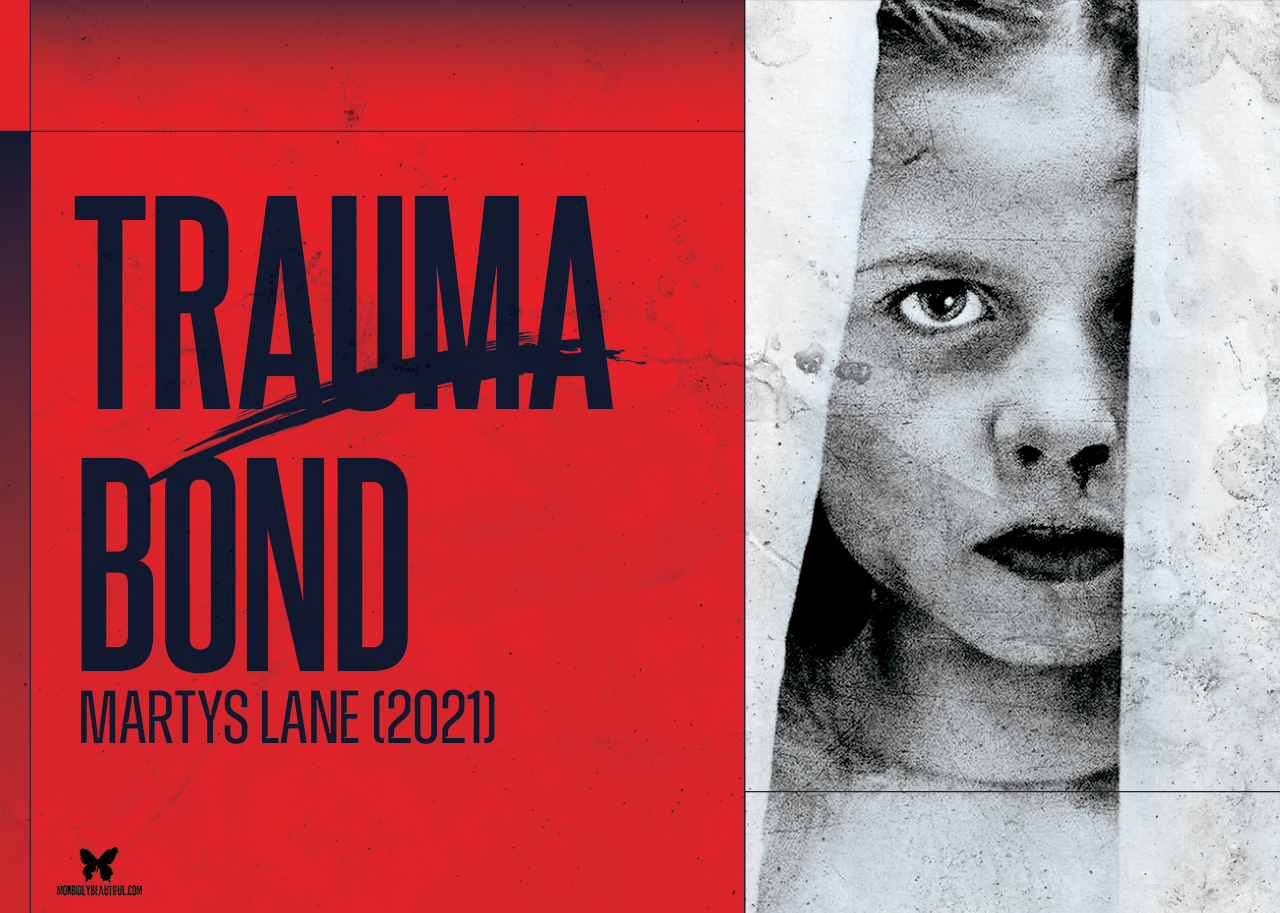
In “Martyrs Lane”, it’s the horror of what’s unsaid that haunts, and a child left to interpret a loss far too significant to articulate.
No time to read? Click the button below to listen to this post.

MORBID MINI: A quiet, spectral whisper of grief and erasure. In Martyrs Lane (2021), loss doesn’t scream; it lingers. This ghost story isn’t built on jump scares, but on the haunting persistence of trauma, the weight of unspoken things, and the subtle ways our silence becomes the story.
Some of the most powerful haunted houses are built not of rotting wood or flickering lights, but of memories left unspoken.
Ruth Platt’s Martyrs Lane isn’t a horror film that deals in jump scares or monstrous apparitions. Instead, its ghosts are woven from silence, grief, and the kind of generational trauma that seeps into the walls of a home until the living can’t tell where their own pain ends and the dead begin.
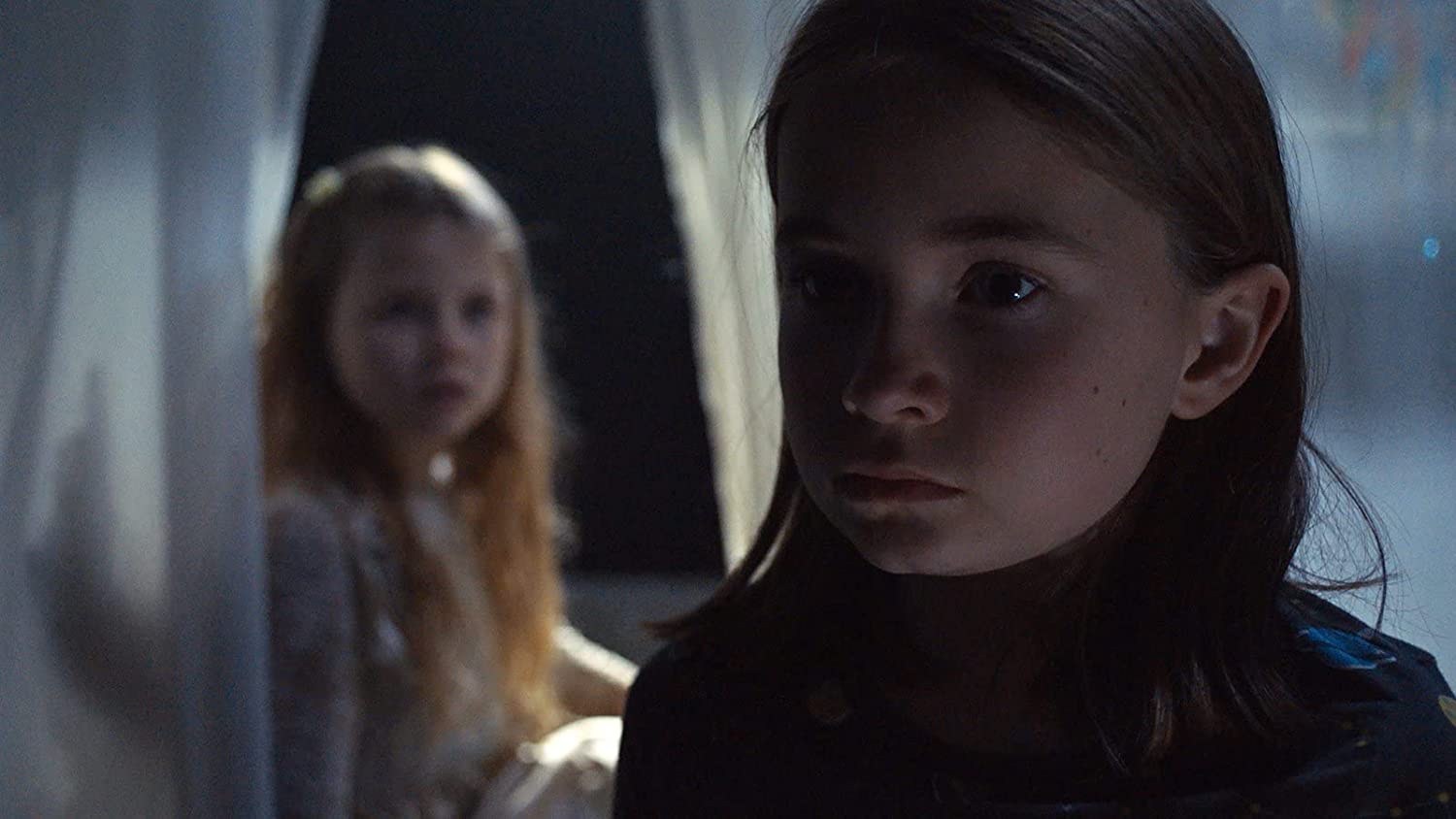
At its center is Leah, a ten-year-old girl who lives in a sprawling vicarage with her emotionally distant mother.
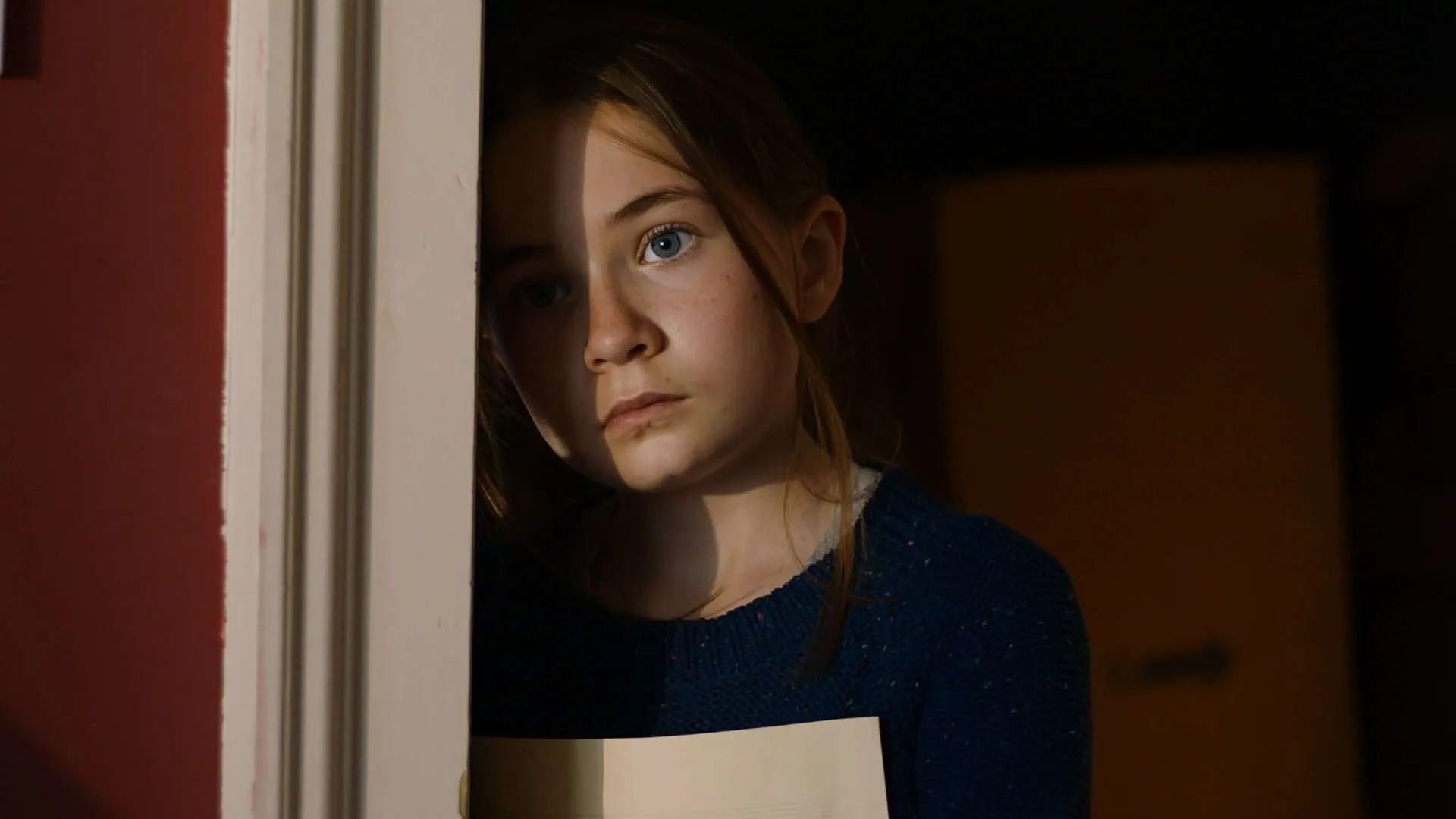
When a strange, ethereal visitor begins appearing at night, Leah’s world slips into a liminal space where the supernatural and the psychological intertwine.
The encounters between Leah and her ghostly visitor are tender and unsettling, full of longing. Through these ghostly exchanges, the film visualizes how unprocessed trauma insists on being witnessed and how silence becomes its own kind of haunting.
Silence, in fact, becomes the true antagonist.
The brilliance of Martyrs Lane lies in its refusal to make the ghost a source of fear.
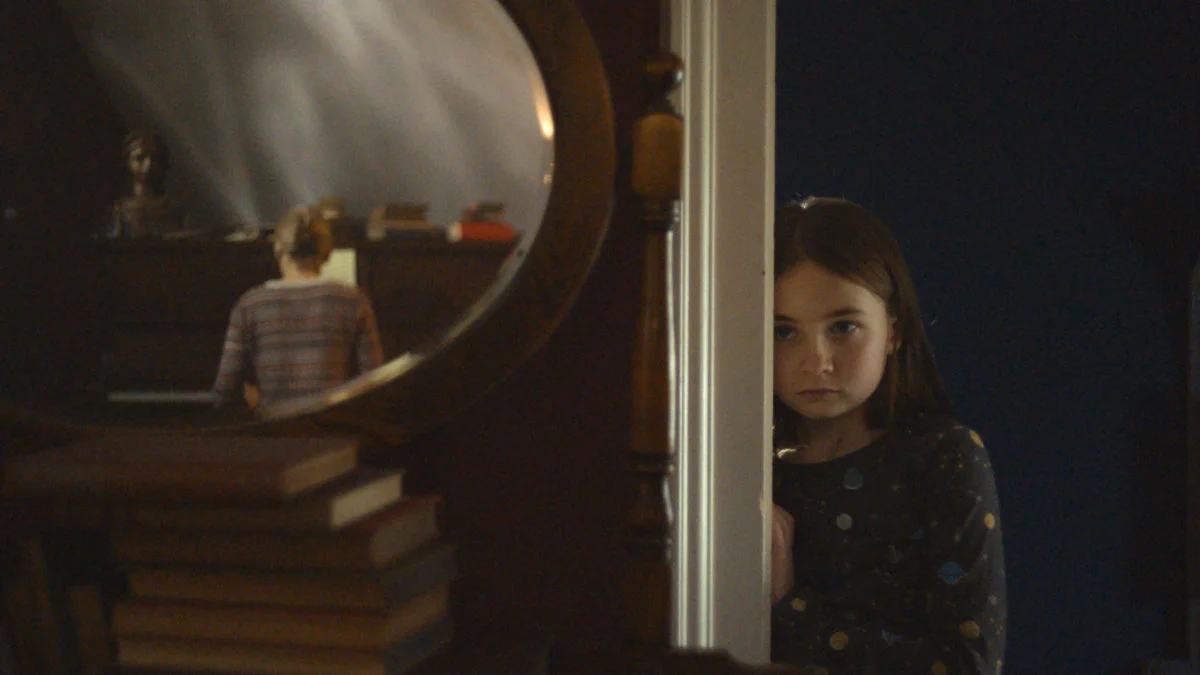
Instead, the ghost becomes a mirror, reflecting the trauma that Leah’s family has chosen not to confront. Each nightly encounter peels back another layer of silence, edging closer to a buried truth about loss and the mother’s inability to process it.
This framing allows Platt to externalize trauma in a way that feels both poetic and devastating.
The family’s inability—or unwillingness—to speak their grief out loud creates a void where the supernatural slips in. It is not the ghost who destroys this family’s fragile stability, but the refusal to face what has already been lost.
Platt resists melodrama, instead lingering on the ordinary textures of daily life. This restraint turns grief itself into the monster, a force that reshapes everything around it.
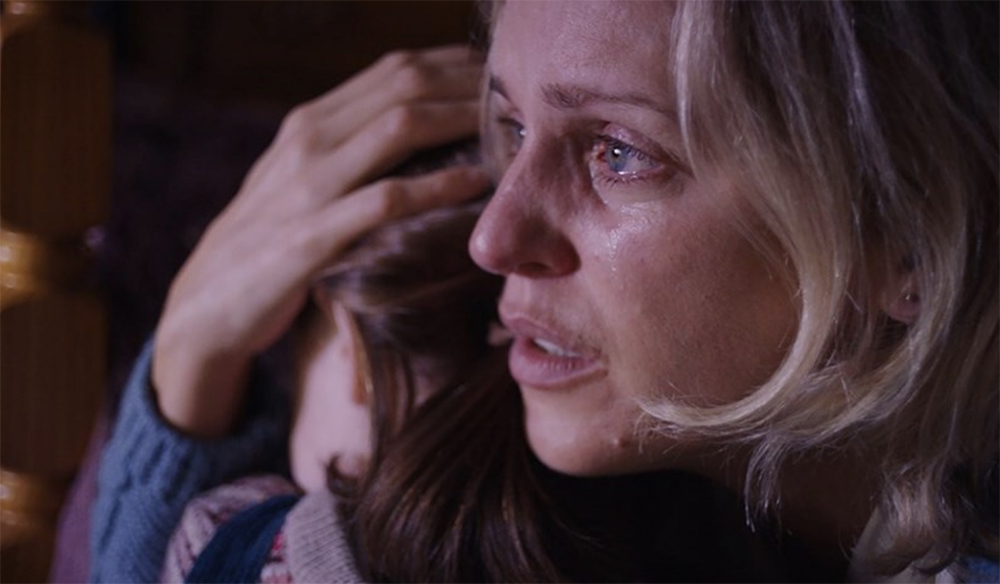
One of the film’s most powerful sequences comes when Leah begins piecing together the fragments of her mother’s grief. Here, the ghost is not a tormentor but a guide, leading Leah to truths her family has refused to voice.
This revelation reframes the haunting as an intergenerational trauma bond: Leah inherits not only the pain of loss but also the silence that surrounds it.
The horror, then, is not death itself but the way families imprison themselves in grief, refusing to let the living and the dead find peace. By the time the truth surfaces, the audience understands that the haunting was never about terrorizing Leah; it was about forcing recognition.
The ghost embodies the trauma that cannot be suppressed forever.
In that sense, Martyrs Lane joins a lineage of grief horror, from The Babadook to Hereditary.
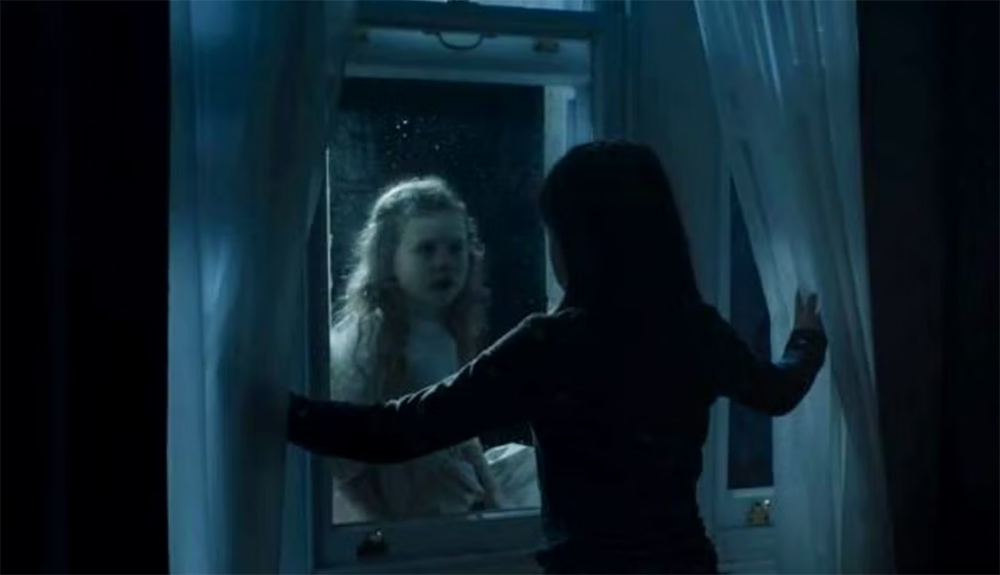
However, it finds its own quiet space by focusing on the child’s perspective, capturing how children both sense and shoulder the emotional storms adults cannot name.
Martyrs Lane is less about the ghost at the window than it is about the hollowness in the room. The film suggests that healing can only begin when the silence breaks and the ghost is allowed not just to haunt, but to be heard.
It’s about what happens when grief is never given voice, when children inherit silence as their only language of loss.
Trauma, the film reminds us, doesn’t vanish in unspoken corners. It will not stay buried. It festers. It takes shape. It learns to haunt. It lingers until someone dares to look it in the eye and finally name what has been lost.
Silence isn’t protection. Silence is an inheritance. And as Martyrs Lane shows us, what we choose not to say will always come back to claim us in the end.




Follow Us!